100% Original, Ready to Ship!

ABB Robotics China President: AI Drives Robotics Transformation And Accelerates Localization Strategy
At the 25th China International Industry Fair, ABB Group Senior Vice President and President of Robotics China, Han Chen, stated that ABB is advancing the spin-off of its robotics business, expected to be completed in Q2 2026. Two legal entities have already been established in Shanghai, and the transition of customers, suppliers, and business operations is progressing as planned.
Han Chen emphasized that China remains a core strategic market for ABB. In the future, the localization rate of ABB robotics products in China is expected to exceed 90%, strengthening local supply chain and delivery capabilities.
Rising Demand For Smart And Flexible Automation In China
China is both the world’s largest industrial robotics market and a key growth engine for ABB. According to Han Chen, demand from Chinese manufacturers for flexible and intelligent automation solutions continues to increase, and ABB is actively adapting to these needs.
ABB has launched its “Lingyu Huazhang” localization strategy, leveraging R&D centers in Shanghai and Zhuhai to develop customized solutions for applications such as material handling and flexible assembly.
Generative AI Enables Next Generation Autonomous Robots
ABB is developing new multifunctional robots powered by generative AI. These robots can autonomously plan tasks, execute operations, and switch workflows without human intervention, improving production efficiency and flexibility.
Han Chen noted that ABB is also optimizing its supply chain to reduce costs while maintaining profitability, focusing on both product cost and lifecycle value.
AI And Digital Technologies Accelerate Industrial Upgrade
ABB is working with technology companies and universities to advance digital twin technology and flexible control systems, promoting faster industrial innovation.
The company has also expanded internal AI adoption. Since launching its AI strategy in 2014, ABB has developed over 250 AI projects and hosted “AI Accelerator China Week” in Shanghai to accelerate AI applications in production and customer service.
Industrial AI Faces Key Challenges Ahead
Han Chen pointed out that future robots will be able to perceive environments and adapt to complex, unstructured industrial scenarios.
However, large-scale AI deployment still faces challenges, including model reliability, system stability, and ecosystem integration. Industry collaboration is needed to address issues such as energy consumption and hardware-software compatibility.
He concluded that ABB will move beyond providing hardware alone, focusing on building an open and collaborative intelligent manufacturing ecosystem.
 Rockwell Automation Expands Industrial AI Capabilities With NVIDIA Nemotron Support
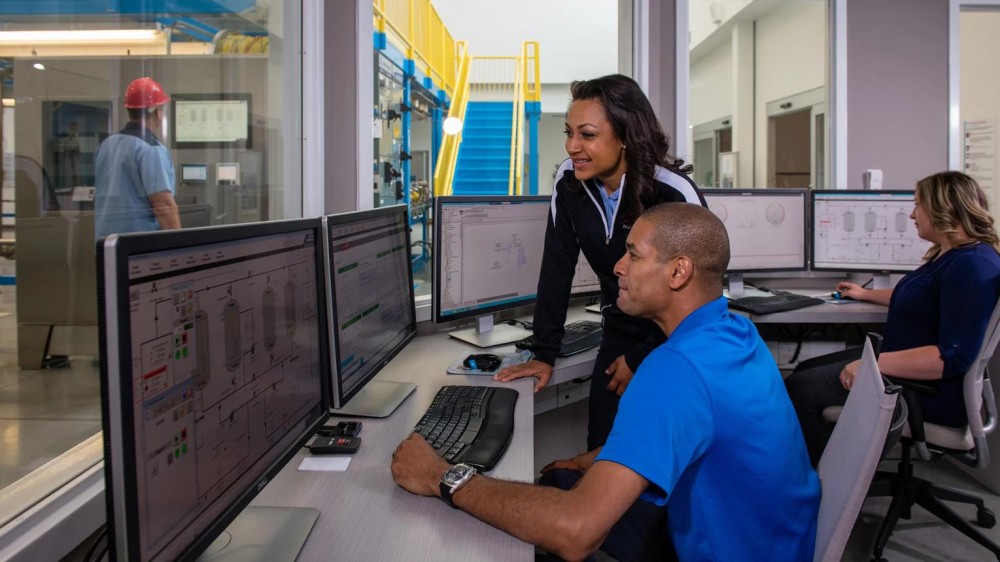 Rockwell Automation Introduces FactoryTalk Conductor To Advance AI-Driven Industrial Automation
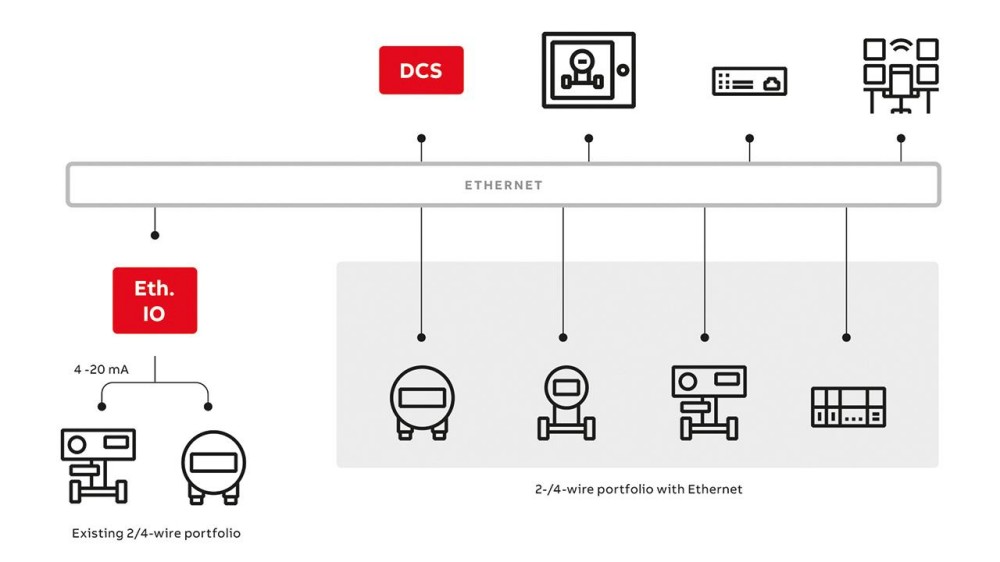 ABB And Boliden Advance DCS Modernization With Ethernet-APL Industrial Automation
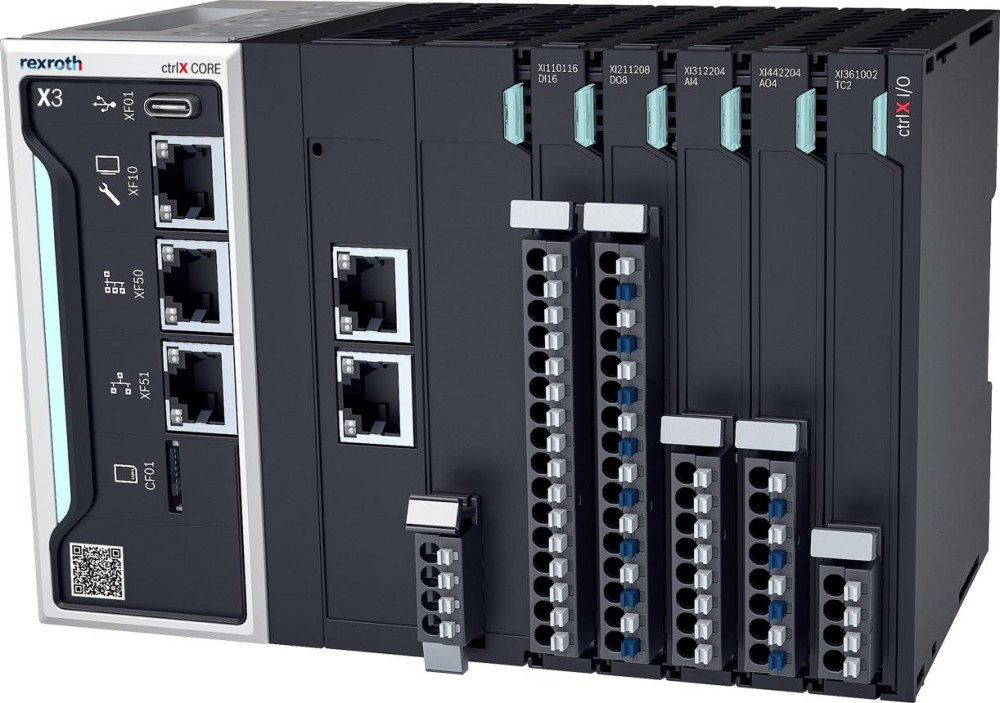 Bosch Rexroth Expands ctrlX AUTOMATION With New Safety PLC, Drive And Software Features