100% Original, Ready to Ship!

Honeywell CEO Links Iran Conflict And AI Boom To Rising Demand For Industrial Automation Equipment
In recent remarks, the Chief Executive Officer of Honeywell highlighted how ongoing geopolitical tensions in the Middle East, particularly the Iran-related conflict environment, combined with the rapid expansion of artificial intelligence technologies, are contributing to stronger demand for industrial automation equipment across global markets.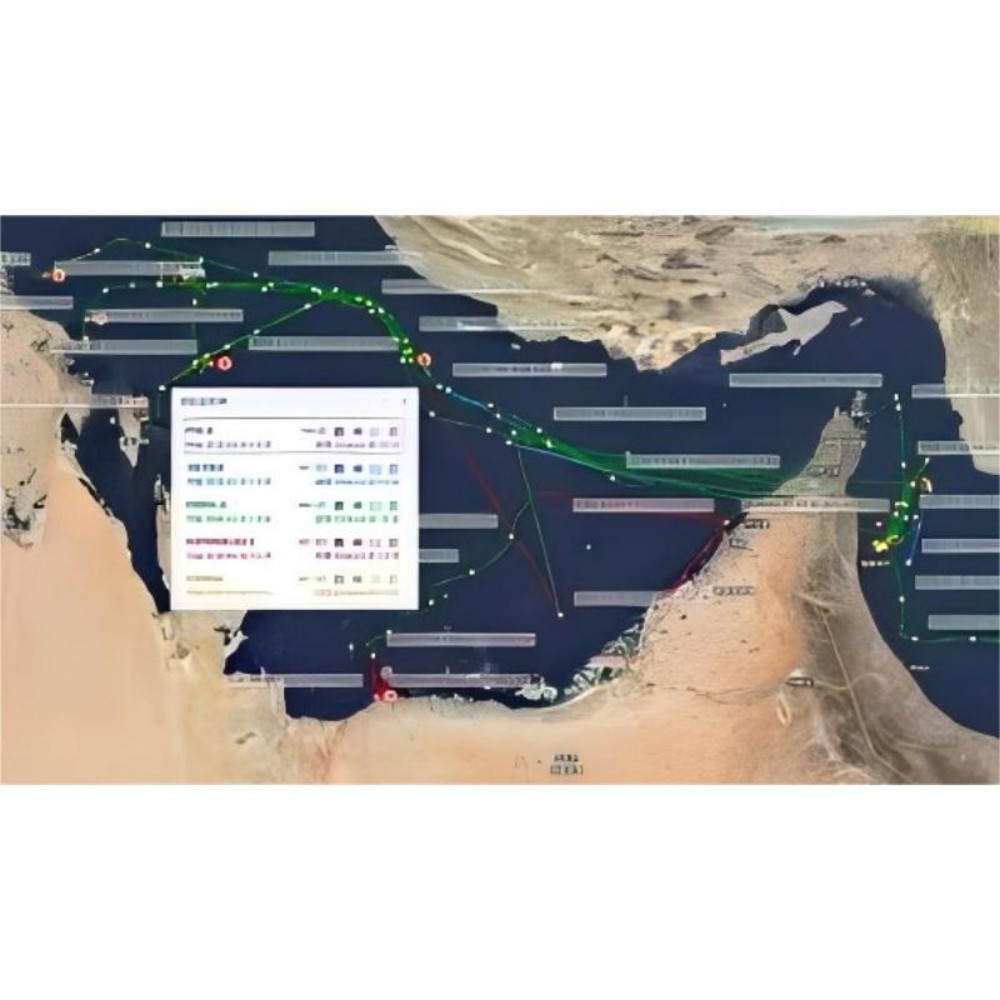
According to the executive’s outlook, heightened geopolitical uncertainty is accelerating investments in resilient industrial infrastructure. Companies operating in energy, refining, logistics, and critical manufacturing sectors are increasingly prioritizing automation solutions to reduce operational risks, maintain production continuity, and improve supply chain stability. This trend is particularly visible in regions exposed to geopolitical volatility, where downtime and manual dependency are becoming higher-cost risks.
At the same time, the rapid development and deployment of artificial intelligence is reshaping industrial production models. AI-driven optimization, predictive maintenance, and intelligent control systems are pushing factories and process industries toward higher levels of automation. This shift is increasing demand for advanced sensors, distributed control systems, industrial software platforms, and integrated automation hardware.
Industry observers note that the combination of geopolitical pressure and technological acceleration is creating a dual growth engine for the industrial automation sector. On one hand, uncertainty drives companies to invest in more robust and remotely manageable systems. On the other hand, AI adoption increases the complexity and capability requirements of industrial equipment, raising the need for next-generation automation infrastructure.
Honeywell emphasized that sectors such as oil and gas, petrochemicals, utilities, and large-scale manufacturing are expected to remain key drivers of automation demand. These industries are actively investing in digital transformation strategies that integrate AI analytics with traditional control systems to improve efficiency, safety, and cost control.
The company also pointed out that global supply chain restructuring is reinforcing this trend. As enterprises diversify production bases and seek to reduce exposure to geopolitical hotspots, automation technologies are playing a central role in enabling flexible, scalable, and remotely monitored operations.
Overall, the outlook suggests sustained growth momentum for industrial automation markets, supported by both macro-level geopolitical developments and the accelerating adoption of artificial intelligence across industrial environments.
 Rockwell Automation Expands Industrial AI Capabilities With NVIDIA Nemotron Support
 Rockwell Automation Introduces FactoryTalk Conductor To Advance AI-Driven Industrial Automation
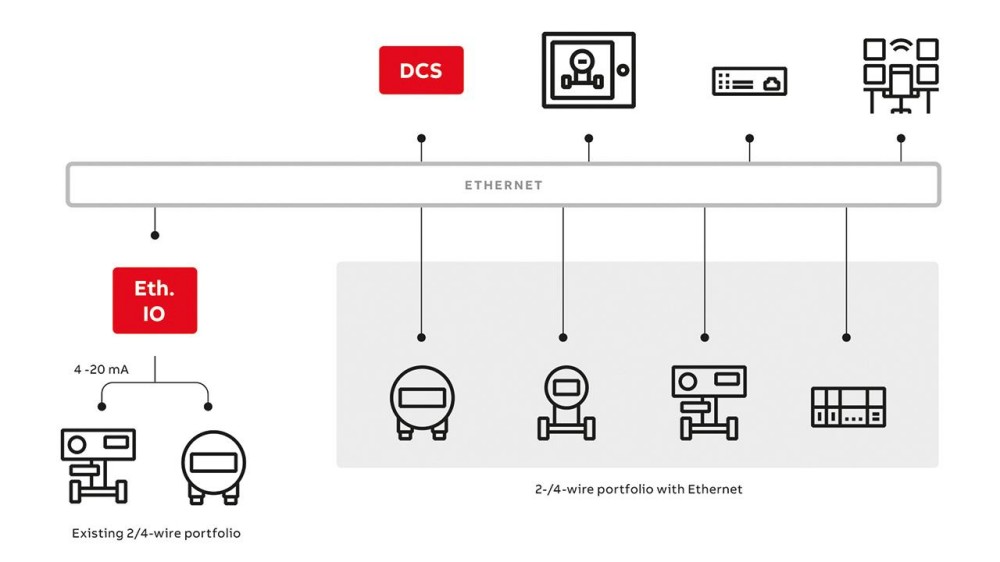 ABB And Boliden Advance DCS Modernization With Ethernet-APL Industrial Automation
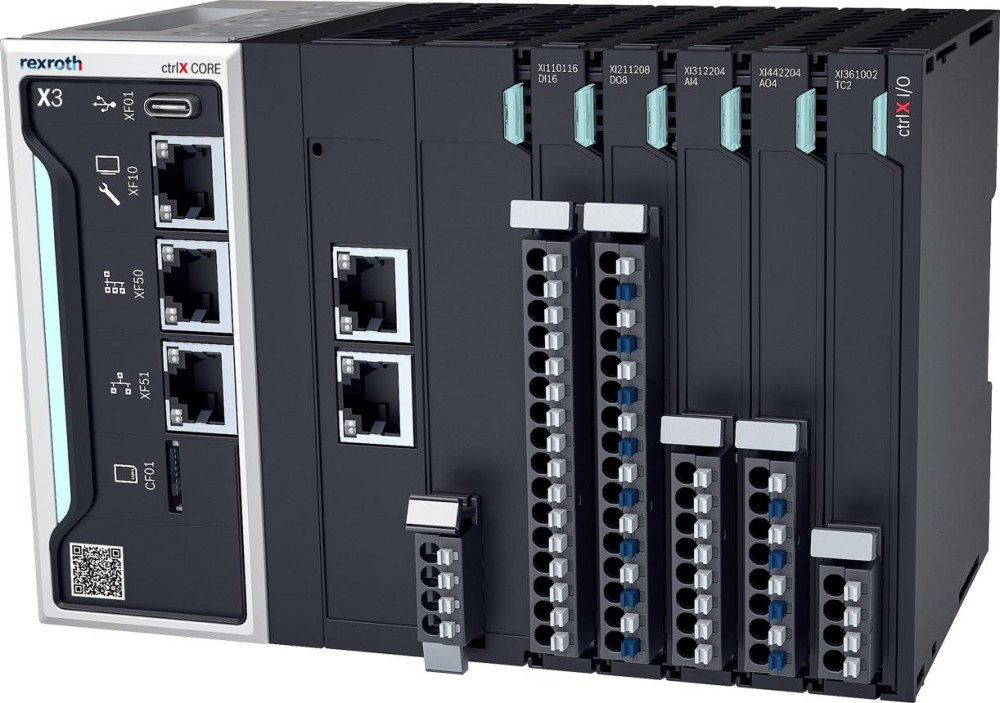 Bosch Rexroth Expands ctrlX AUTOMATION With New Safety PLC, Drive And Software Features