100% Original, Ready to Ship!

Honeywell Says Zero-Carbon Factory Transition Is A System-Level Transformation With Integrated Challenges And Opportunities
In the process of moving toward zero-carbon factories, a Honeywell Greater China executive stated that upgrading from green factories to zero-carbon factories is not a simple evolutionary step. Instead, it represents a deep, system-level transformation involving strategy, technology, management, and supply chain restructuring. In this process, challenges and opportunities are closely interconnected and can be summarized in three key areas of integration.
The first is the integration of technological breakthroughs and industrial leadership. Overcoming barriers such as process emissions and high-grade heat replacement is not only a matter of investment, but also a critical opportunity to drive industrial upgrading, build competitive technological barriers, and unlock new growth pathways.
The second is the integration of supply chain collaboration and ecosystem development. Managing carbon data and decarbonization actions across a large supplier network is highly complex, but it also enables companies to evolve from traditional supply chain managers into builders of green ecosystems. By co-developing standards and empowering partners, companies can create a low-carbon ecosystem centered around themselves.
The third is the integration of carbon cost management and carbon asset operations. Achieving full lifecycle carbon accounting is foundational, but its real value lies in making carbon flows as visible and manageable as logistics and financial flows. This enables systematic elimination of hidden inefficiencies and can transform carbon management from a cost center into a potential value-generating function.
The executive emphasized that companies must not only explore the balance between technological application and economic feasibility within their own factories, but also develop end-to-end solutions. The greatest challenge in transitioning from green to zero-carbon factories lies in shifting from localized optimization to full system restructuring, while the greatest opportunity emerges precisely from this transformation.
 Rockwell Automation Expands Industrial AI Capabilities With NVIDIA Nemotron Support
 Rockwell Automation Introduces FactoryTalk Conductor To Advance AI-Driven Industrial Automation
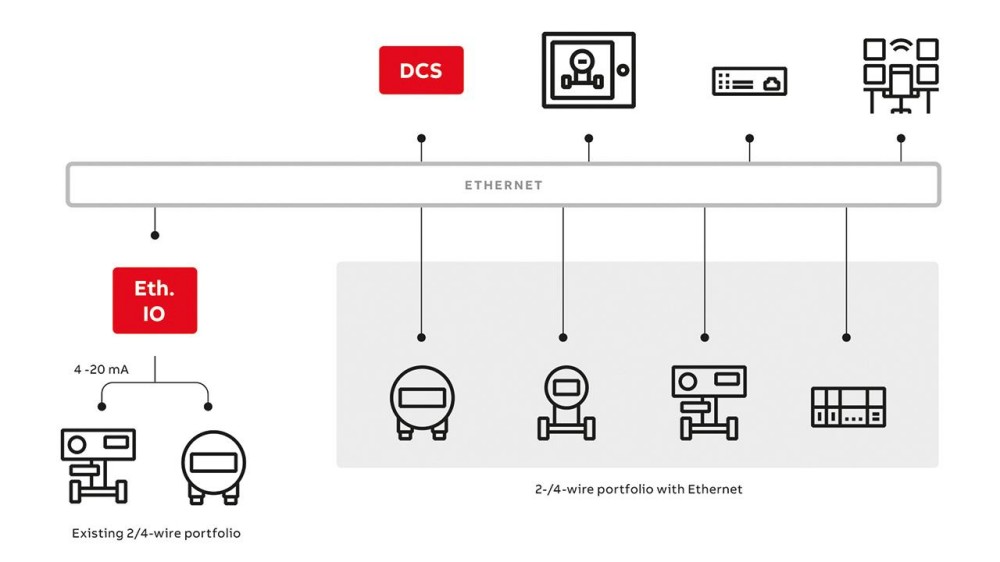 ABB And Boliden Advance DCS Modernization With Ethernet-APL Industrial Automation
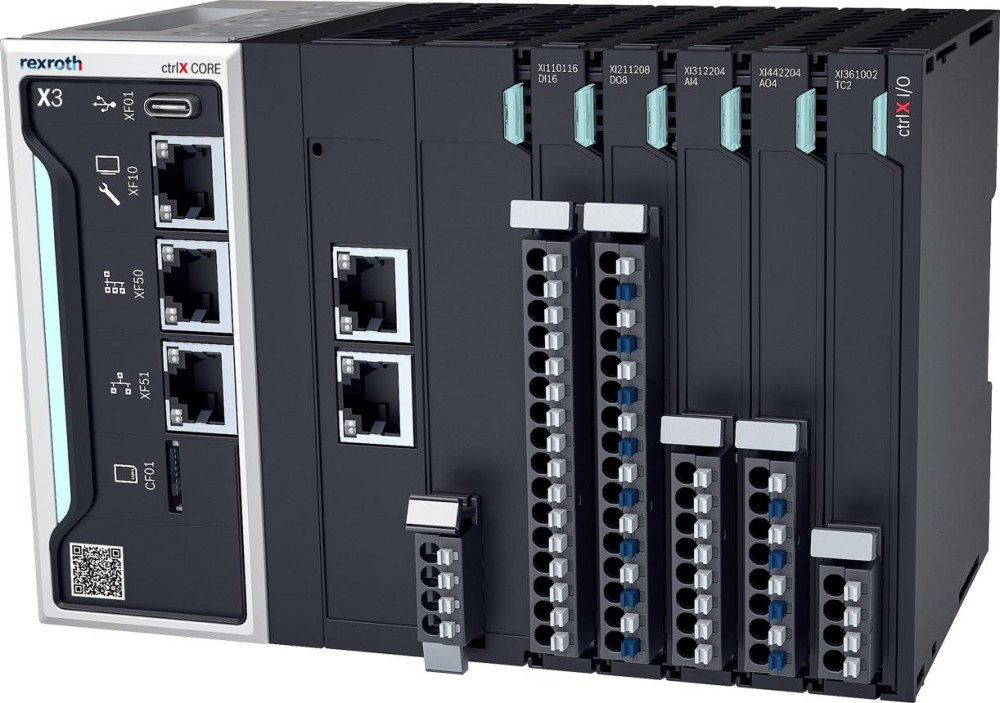 Bosch Rexroth Expands ctrlX AUTOMATION With New Safety PLC, Drive And Software Features