100% Original, Ready to Ship!

Honeywell Tianjin Factory Explores Green And Low-Carbon Transformation Pathways For Industrial Manufacturing
As the momentum toward carbon neutrality continues to accelerate, the development of zero-carbon parks is rapidly gaining traction, followed closely by a new wave of zero-carbon factory construction. This year, China’s Ministry of Industry and Information Technology, along with four other government departments, jointly issued the Guidelines on Promoting the Construction of Zero-Carbon Factories, outlining plans to select a batch of pilot zero-carbon factories starting in 2026 to further drive deep decarbonization in the industrial sector.
Against this policy-driven backdrop, an increasing number of enterprises are accelerating their transition toward greener and lower-carbon operations, with green factories and near-zero-carbon factories gradually moving from concept to practice. Recent field observations at the Honeywell Tianjin factory, located in the eastern zone of the Tianjin Economic-Technological Development Area, highlight this ongoing transformation. The area has been included in Tianjin’s broader zero-carbon park development plan, and the facility is actively exploring practical pathways for greener and lower-carbon industrial manufacturing.
Honeywell Greater China President Yu Feng stated that approximately 75% of the company’s manufactured products in China currently come from nationally or provincially certified green factories. He emphasized that progressing from green factories to zero-carbon factories represents a natural and necessary evolution for enterprises, industries, and national development strategies in pursuit of sustainable growth.
 Rockwell Automation Expands Industrial AI Capabilities With NVIDIA Nemotron Support
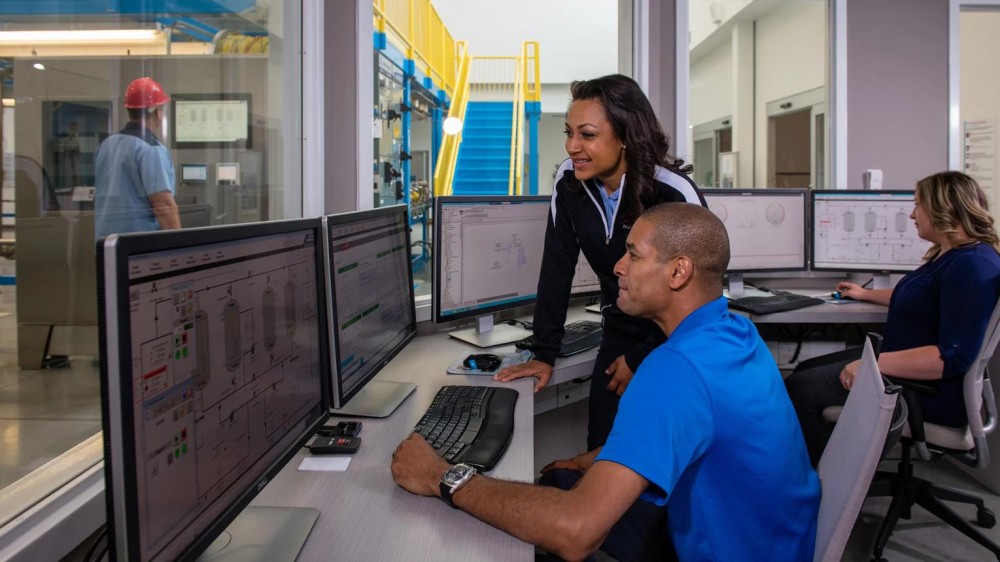 Rockwell Automation Introduces FactoryTalk Conductor To Advance AI-Driven Industrial Automation
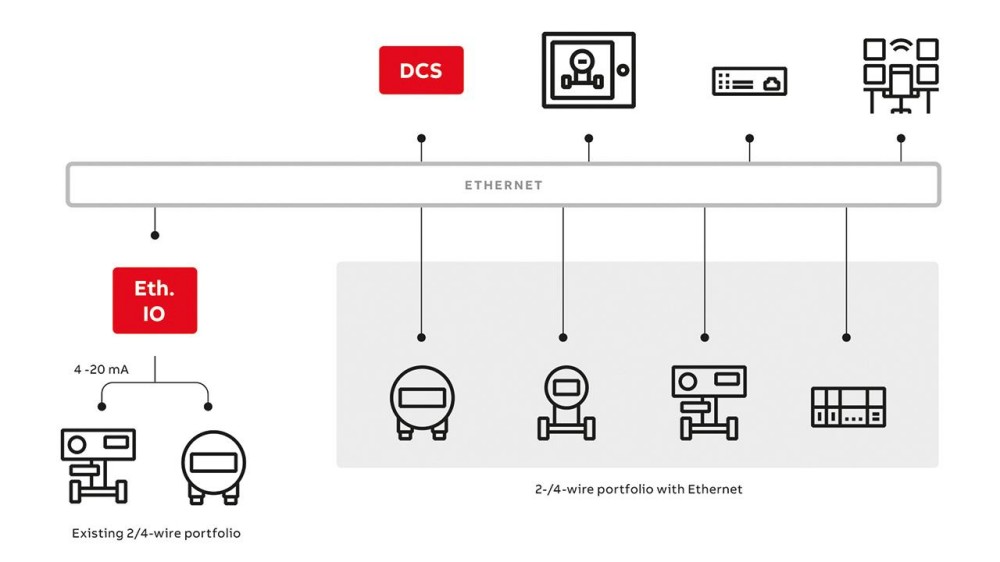 ABB And Boliden Advance DCS Modernization With Ethernet-APL Industrial Automation
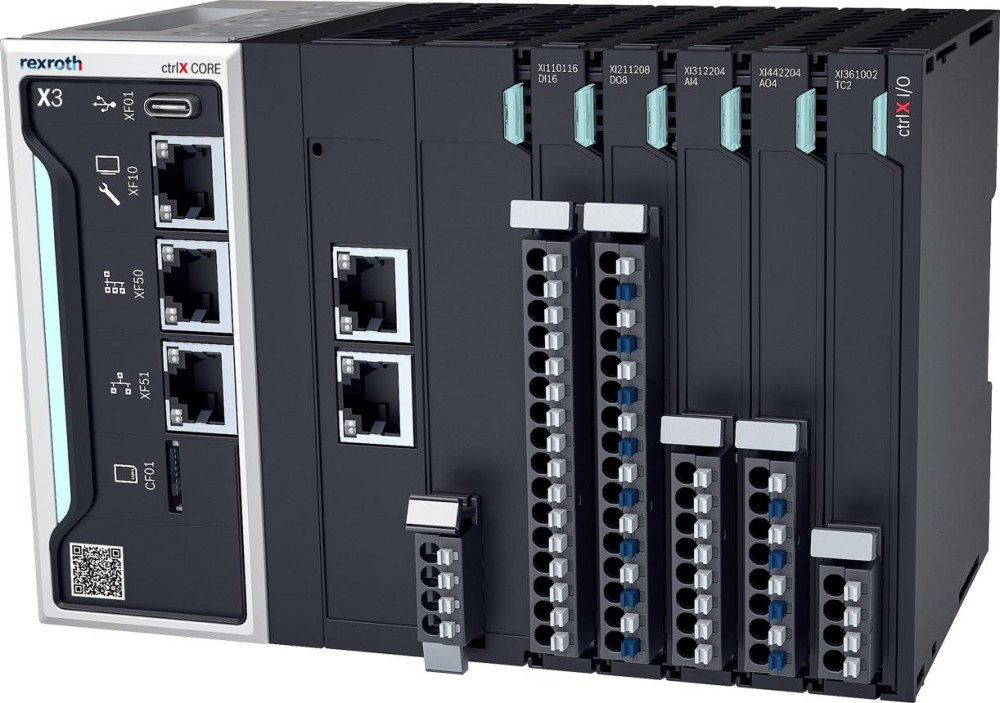 Bosch Rexroth Expands ctrlX AUTOMATION With New Safety PLC, Drive And Software Features