100% Original, Ready to Ship!

How To Choose Reliable Temperature Sensors For Industrial Monitoring
Accurate temperature monitoring is essential in industrial automation and energy management, as poor sensor performance can lead to overheating, equipment failure, and higher maintenance costs. These issues often result from incorrect sensor selection or limited understanding of sensor technologies.
Temperature sensors convert thermal changes into electrical signals and mainly include three types:
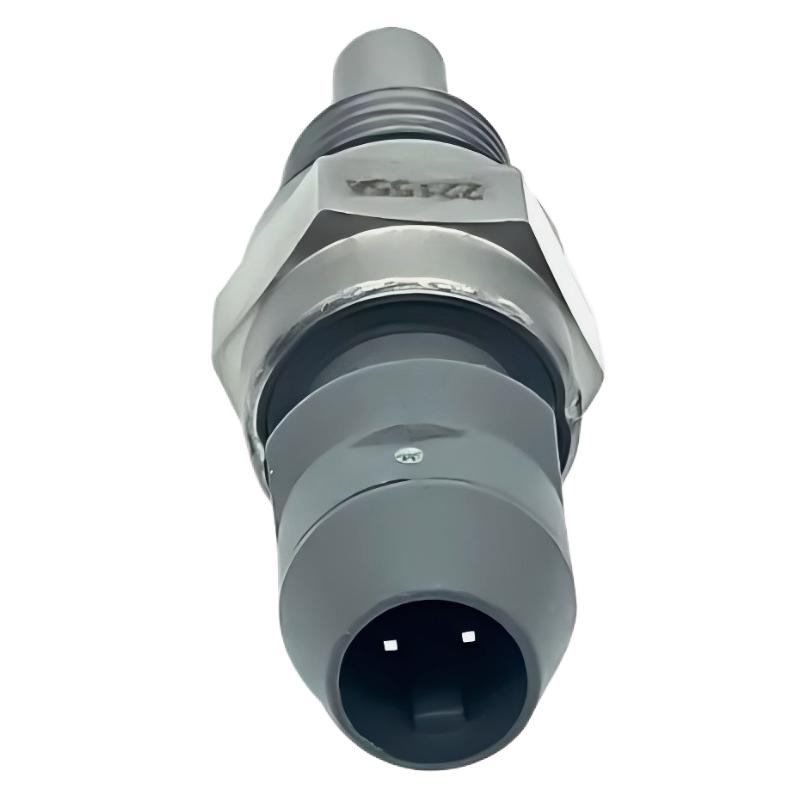
Thermocouples: Suitable for high-temperature environments such as boilers and furnaces, but accuracy may vary depending on materials and installation.
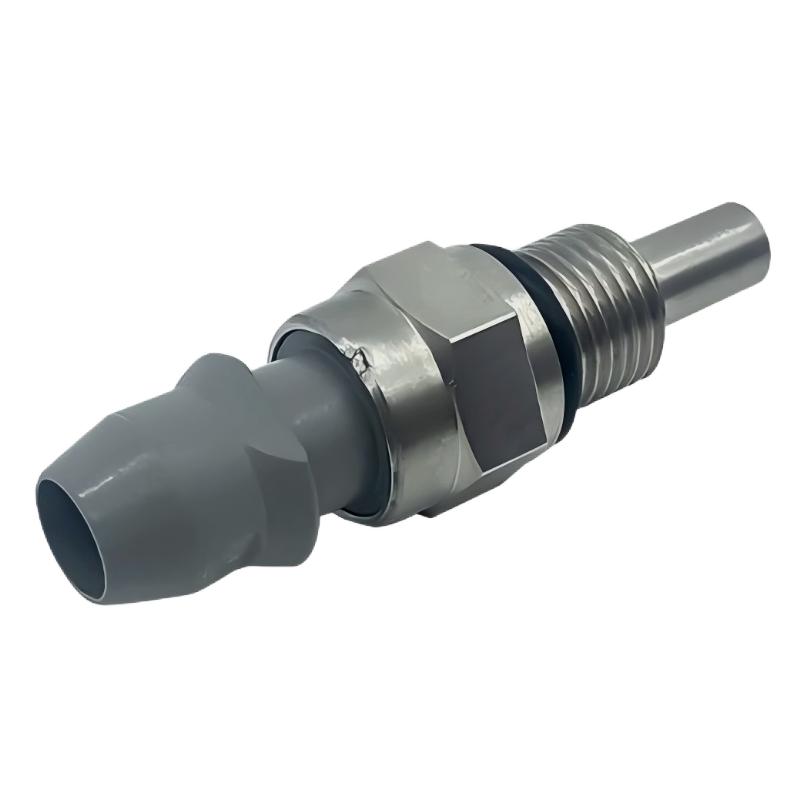
Thermistors: Offer fast response and high sensitivity, commonly used in automotive and medical applications, but with a limited temperature range.
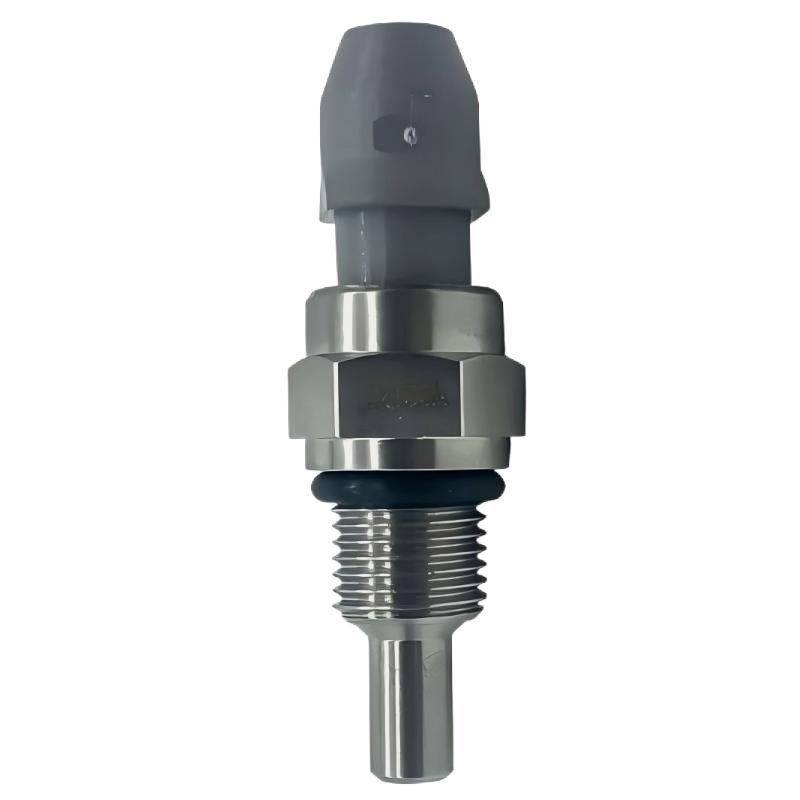
RTDs (Resistance Temperature Detectors): Provide high accuracy and long-term stability, making them ideal for industrial process control.
Key selection factors include:
Measurement range and accuracy: Ensure the sensor meets application requirements and complies with standards such as IEC 60751.
Response time and stability: Thermistors respond faster, while RTDs offer better long-term stability and reliability.
Housing and interface: Protection ratings (e.g., IP67) and output types (e.g., 4–20 mA, Modbus) must match system requirements.
Traceability and supply chain: Prefer verified OEM products with full documentation to reduce counterfeit risks.
After-sales support: Calibration and replacement services help avoid unexpected downtime.
RTD-based sensors, including Honeywell industrial models, are widely used in process control due to their accuracy and stable performance.
A structured selection process based on application needs and technical specifications helps improve reliability and operational efficiency.
 Rockwell Automation Expands Industrial AI Capabilities With NVIDIA Nemotron Support
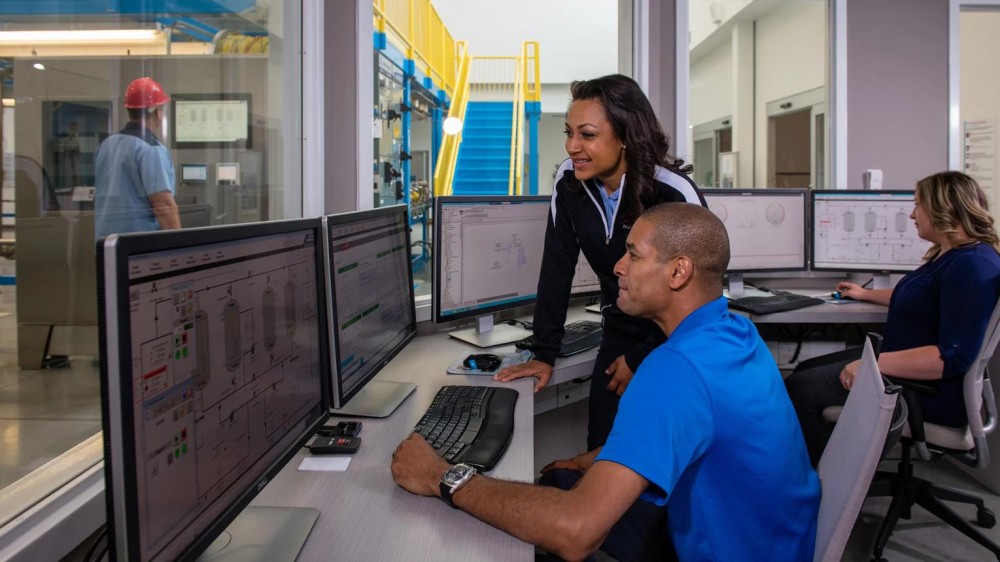 Rockwell Automation Introduces FactoryTalk Conductor To Advance AI-Driven Industrial Automation
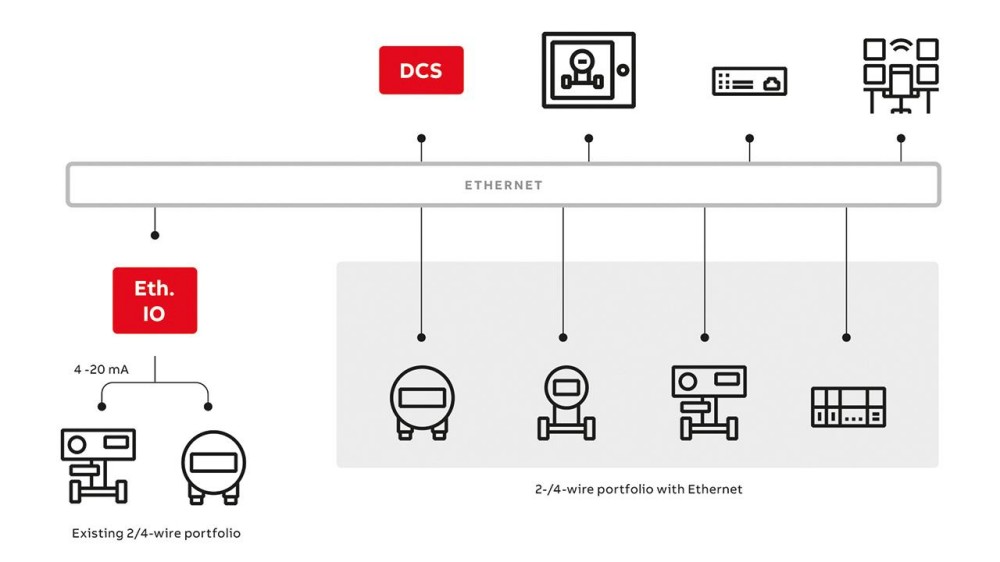 ABB And Boliden Advance DCS Modernization With Ethernet-APL Industrial Automation
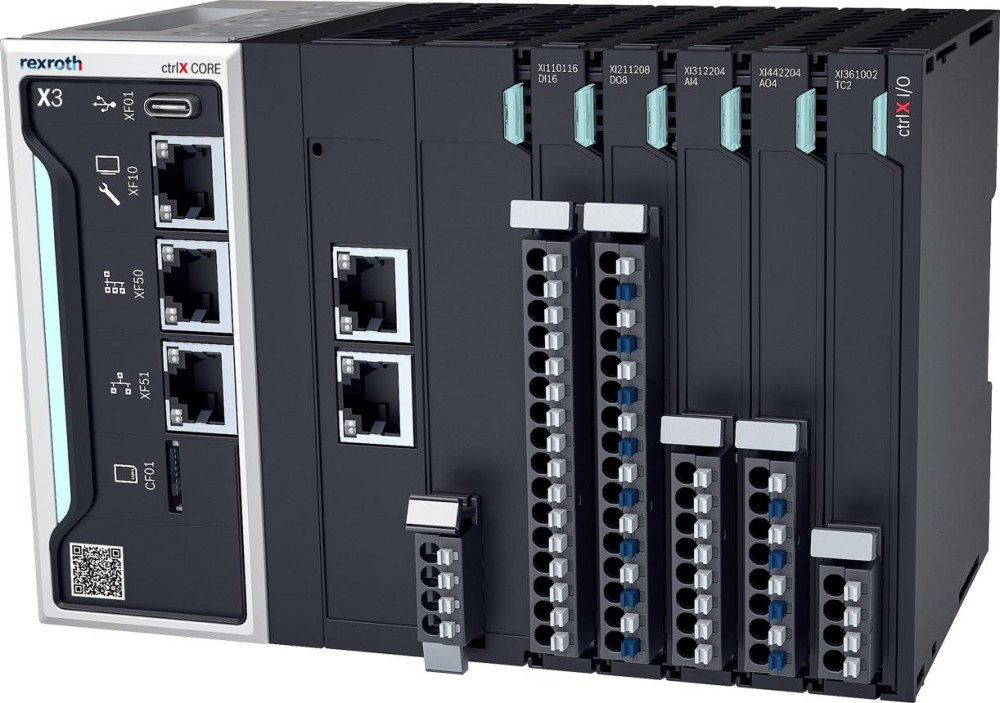 Bosch Rexroth Expands ctrlX AUTOMATION With New Safety PLC, Drive And Software Features