100% Original, Ready to Ship!

New ISO 21423:2026 Standard Improves Communication Between Industrial Mobile Robots
The Association for Advancing Automation (A3) announced on November 2, 2026, the publication of ISO 21423:2026, a new international standard designed to improve communication and interoperability between industrial mobile robots (IMRs) from different manufacturers. The standard establishes common communication requirements, allowing robots, fleet management systems, and other industrial equipment to exchange information more effectively within shared working environments.
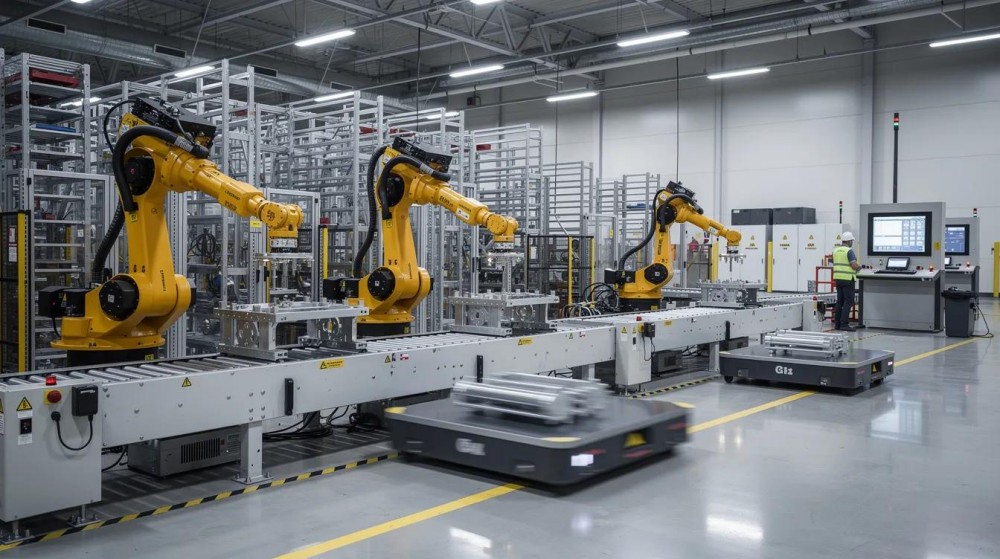
A New Step Toward Interoperable Industrial Automation
As manufacturers increasingly adopt autonomous mobile robots (AMRs) and automated guided vehicles (AGVs), integrating equipment from different suppliers has become an important challenge. Robots operating independently may use different communication interfaces, making it difficult to coordinate movements, share operational information, and manage transportation tasks across large industrial facilities.
ISO 21423:2026 aims to address this problem by providing a common framework for communication between industrial mobile robots, regardless of their manufacturer or model.
Developed through ISO Technical Committee 299, the standard specifies how industrial mobile robots and their fleet managers exchange information and request actions. Supported information includes robot location, speed, direction, operating condition, assigned tasks, and availability.
This common communication framework is expected to reduce conflicts between mobile robots, improve traffic coordination, and increase the overall efficiency of automated material-handling operations.
Better Integration Across Industrial Systems
One important feature of ISO 21423 is that its scope extends beyond communication between robots. It also covers interactions with other equipment and applications in shared industrial environments.
These include production machinery, enterprise resource planning (ERP) systems, automated doors, elevators, and alarm systems. Mobile devices used by workers can also exchange relevant information to support better coordination between people and automated equipment.
For factories operating mixed fleets from multiple suppliers, this approach could simplify system integration and reduce the complexity of managing different automation platforms.
The standard builds on existing interoperability approaches, including the MassRobotics Interoperability Standard and VDA 5050. MQTT and JSON provide its underlying communication technologies, helping create a familiar technical foundation for developers and system integrators.
What This Means for PLC and Automation Engineers
Although ISO 21423 focuses primarily on industrial mobile robot communication rather than PLC programming or DCS control, its introduction has important implications for the wider automation industry.
Modern factories depend on coordinated operations between PLC controllers, industrial sensors, communication networks, robotic equipment, and centralized management software. As mobile robots become more integrated into production environments, reliable information exchange between these systems becomes increasingly important.
For automation engineers and system integrators, interoperability standards can help simplify integration planning, improve communication between equipment suppliers, and support more flexible factory layouts.
However, ISO 21423 is a communications and interoperability standard, not a functional safety standard. Robot safety, risk assessment, and machine protection must continue to follow the applicable safety requirements.
The Future of Connected Manufacturing
The publication of ISO 21423:2026 reflects the growing demand for open communication and multi-vendor compatibility in industrial automation.
For manufacturers, the ability to coordinate robots and production equipment from different suppliers could provide greater flexibility when expanding or modernizing existing facilities.
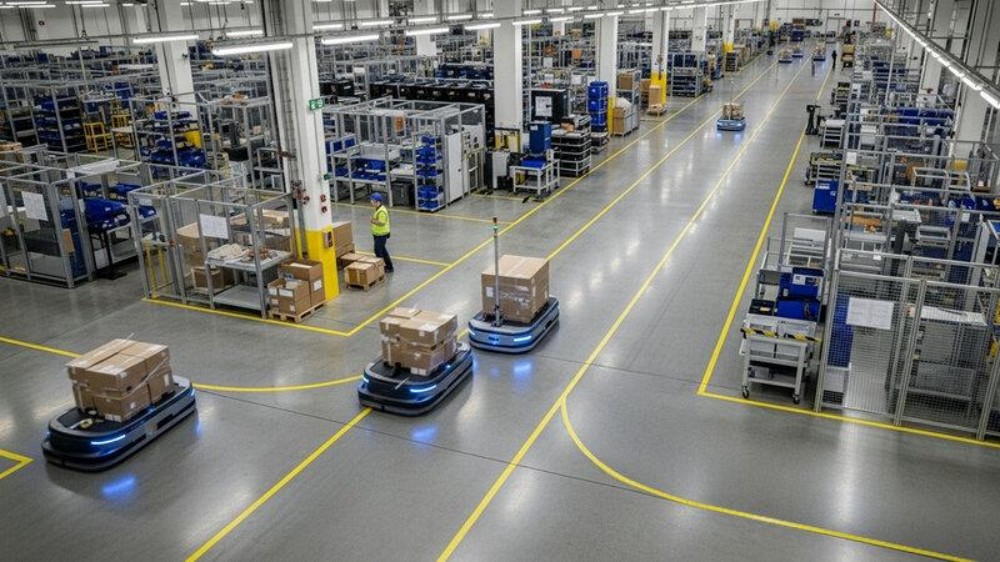
As smart manufacturing continues to develop, standardized communication will play an increasingly important role in connecting PLC systems, industrial networks, robotics, and digital production management platforms.
The next challenge will be the practical adoption of ISO 21423 by robot manufacturers and automation solution providers. Its long-term impact will depend on how widely the standard is implemented in real industrial applications.
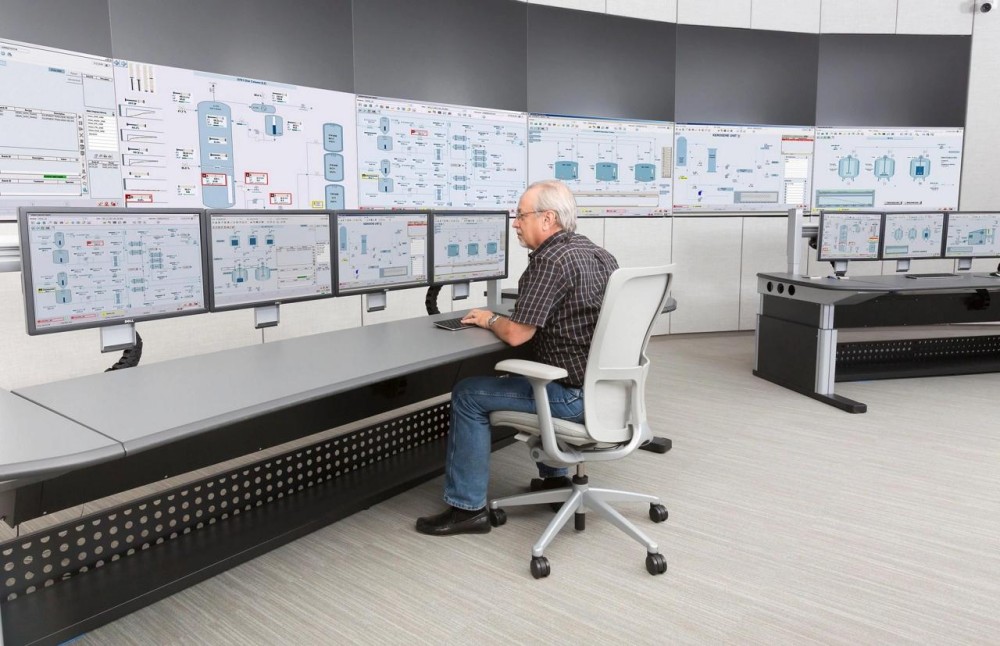 Aptiv Expands Industrial Robotics Partnerships To Advance Physical AI In Smart Manufacturing
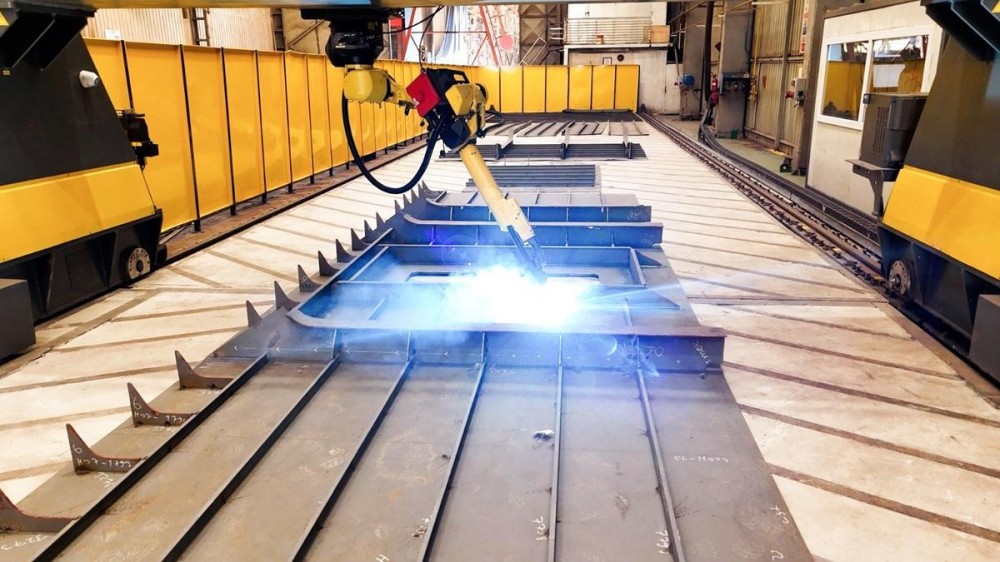 Path Robotics Raises $300 Million To Expand AI-Powered Industrial Welding Automation
 Rockwell Automation Introduces PanelView Pro HMI For Modern Industrial Automation Systems
 Yokogawa Selected As Main Automation Contractor For LNG Canada Phase 2 Expansion Project