100% Original, Ready to Ship!

Yokogawa Selected As Main Automation Contractor For LNG Canada Phase 2 Expansion Project
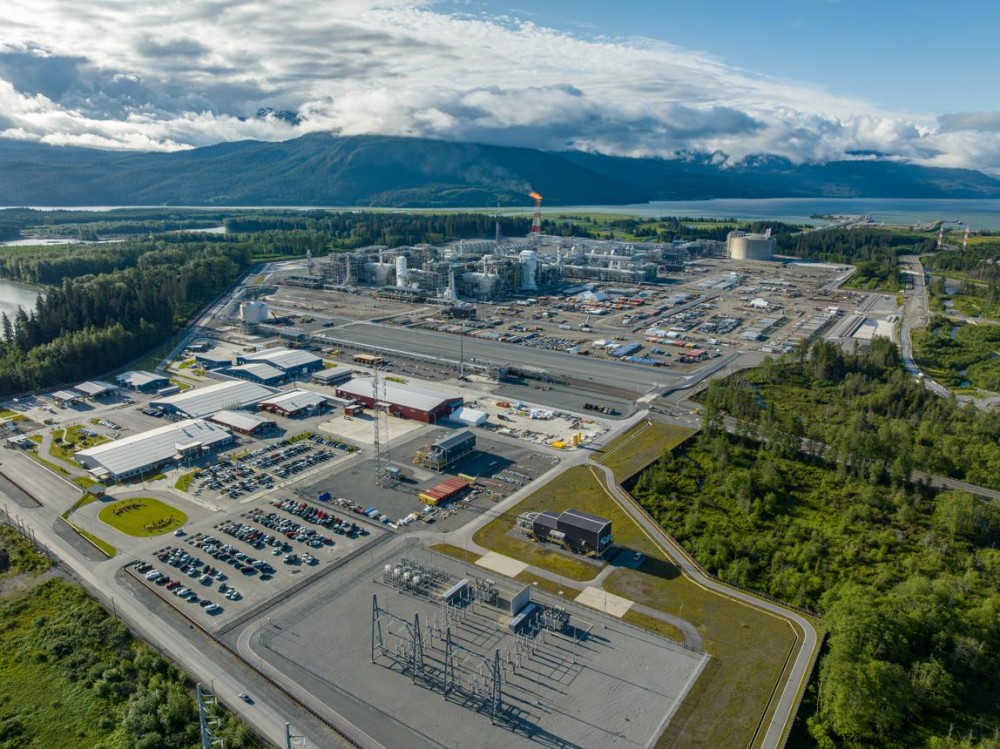
Yokogawa Electric Corporation has announced that its subsidiary, Yokogawa Corporation of America, has been selected as the Main Automation Contractor (MAC) for the LNG Canada Phase 2 expansion project in Kitimat, British Columbia, Canada. The announcement was made on November 4, 2026.
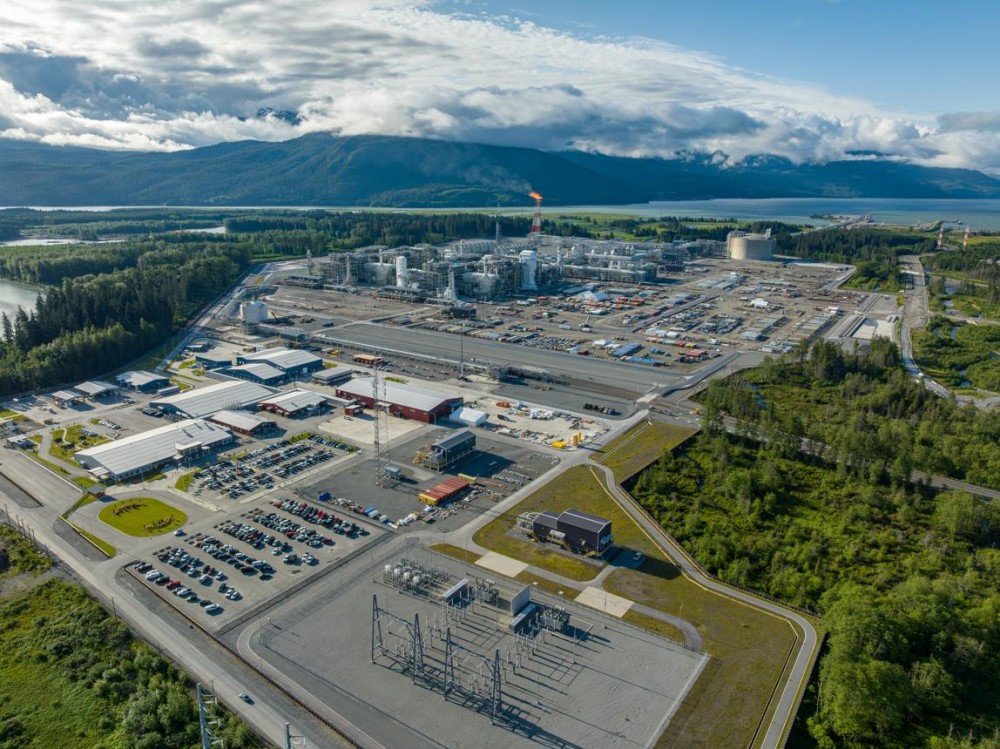
The project represents an important development in industrial automation and process control, particularly for the global liquefied natural gas (LNG) industry.
LNG Canada Phase 2 to Double Production Capacity
LNG Canada Phase 2 will significantly expand the existing LNG export facility by adding two new processing units, known as Trains 3 and 4. The expansion will also include an additional LNG storage tank, a condensate tank, a new loading berth, and expanded utility and process systems.
Once completed, the expansion is expected to increase the facility’s annual LNG production capacity from 14 million tonnes to 28 million tonnes.
The project is being delivered by JGC Fluor BC LNG II Joint Venture (JFJV2), established by JGC Corporation and Fluor Corporation. Yokogawa’s selection as the Main Automation Contractor highlights the importance of integrated control and safety technologies in large-scale energy infrastructure.
CENTUM VP DCS and ProSafe-RS Safety Systems
Under the contract, Yokogawa will provide a comprehensive range of industrial automation solutions, including its CENTUM VP integrated production control system and ProSafe-RS safety instrumented system.
The project scope also covers fire and gas systems, process historians, operator training simulators, asset management solutions, advanced applications, cybersecurity infrastructure, and industrial networks.
These systems will support monitoring and control of the new LNG processing units and their associated utility and common infrastructure.
For process industries such as LNG, oil and gas, and petrochemicals, reliable DCS and safety instrumented systems are essential for maintaining stable production, monitoring critical operating parameters, and managing potential process risks.
The integration of production control, safety systems, and industrial networks also demonstrates the growing importance of coordinated automation architectures in modern industrial facilities.
Reusing Existing Automation Infrastructure to Reduce Project Risks
An important aspect of Phase 2 is its integration with the automation platform already established during Phase 1.
By reusing existing system architectures, control philosophies, and engineering standards, Yokogawa expects to improve consistency across the facility, increase project execution efficiency, and reduce integration risks.
This approach is particularly relevant for large industrial projects where multiple control systems, field instruments, safety devices, and communication networks must operate together.
For engineering teams and system integrators, maintaining compatibility between existing and newly installed automation equipment is an important consideration during plant expansion and modernization.
What This Means for the Industrial Automation Industry
The LNG Canada Phase 2 project highlights continued demand for advanced DCS platforms, PLC equipment, industrial communication networks, safety controllers, process instrumentation, and automation engineering services.
As energy infrastructure expands globally, manufacturers and engineering companies will continue to require reliable control components and long-term system support.
For industrial automation suppliers, this development also reinforces the importance of equipment compatibility, lifecycle management, spare parts availability, and reliable technical support.
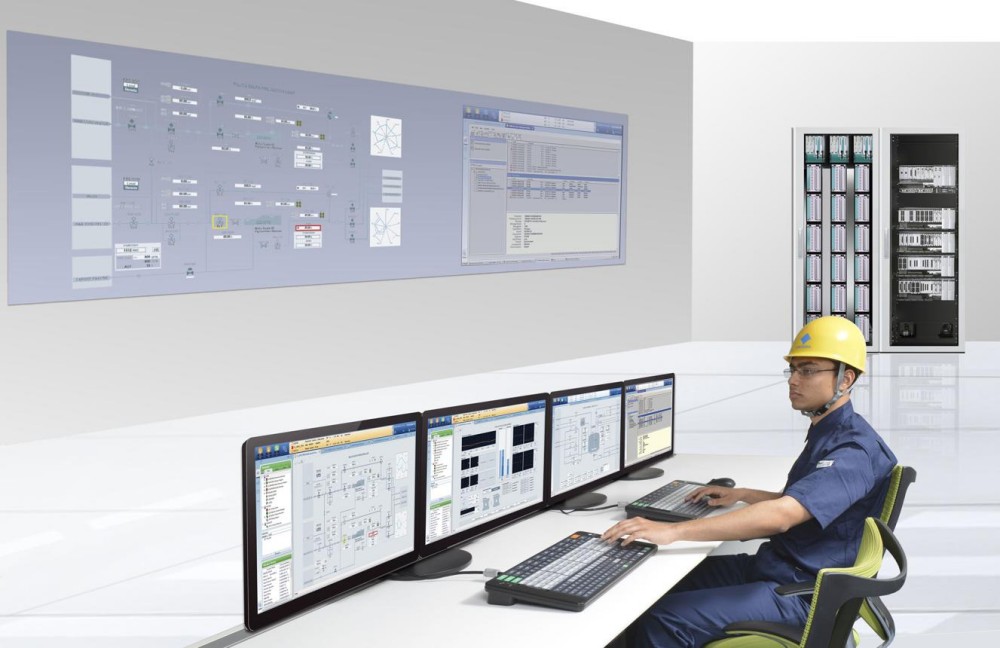
Yokogawa’s selection for this major LNG expansion project is another example of how integrated automation and safety technologies are supporting the next generation of large-scale industrial facilities.
As the project progresses, the integration of DCS, safety systems, industrial networks, and process monitoring technologies will remain essential to achieving safe, reliable, and efficient LNG operations.
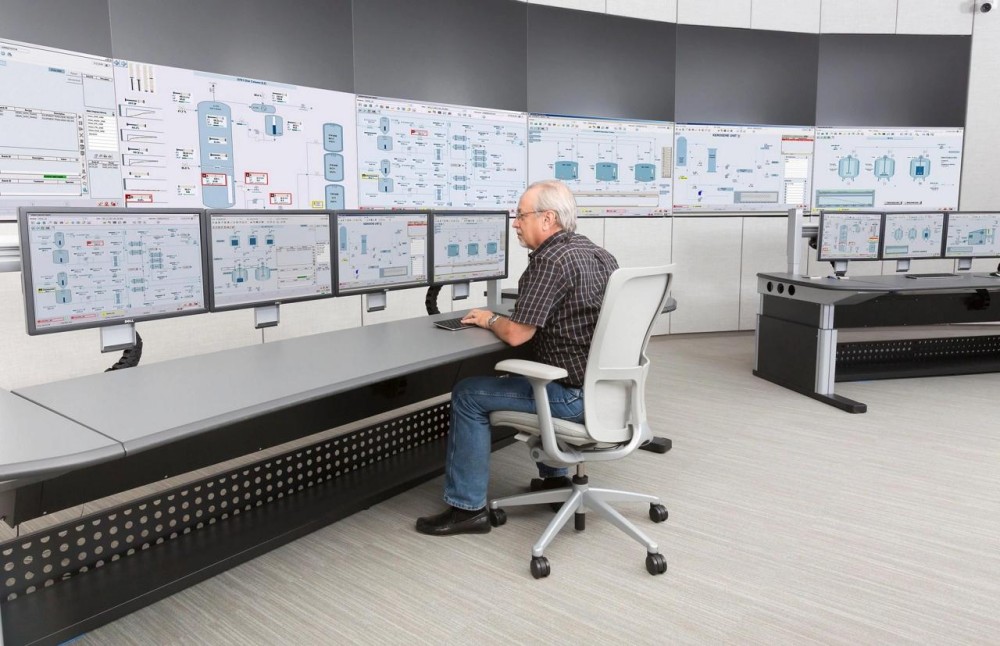 Aptiv Expands Industrial Robotics Partnerships To Advance Physical AI In Smart Manufacturing
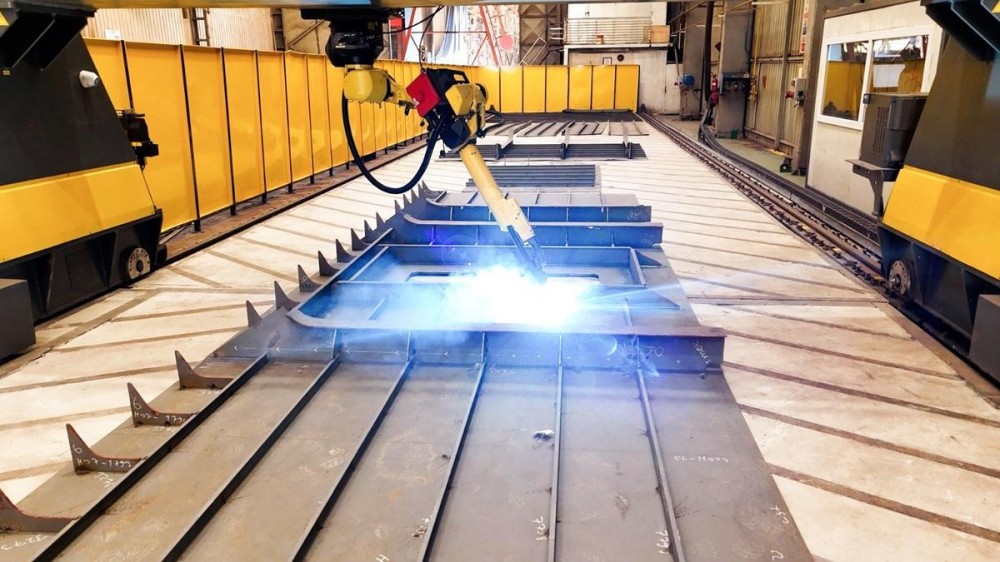 Path Robotics Raises $300 Million To Expand AI-Powered Industrial Welding Automation
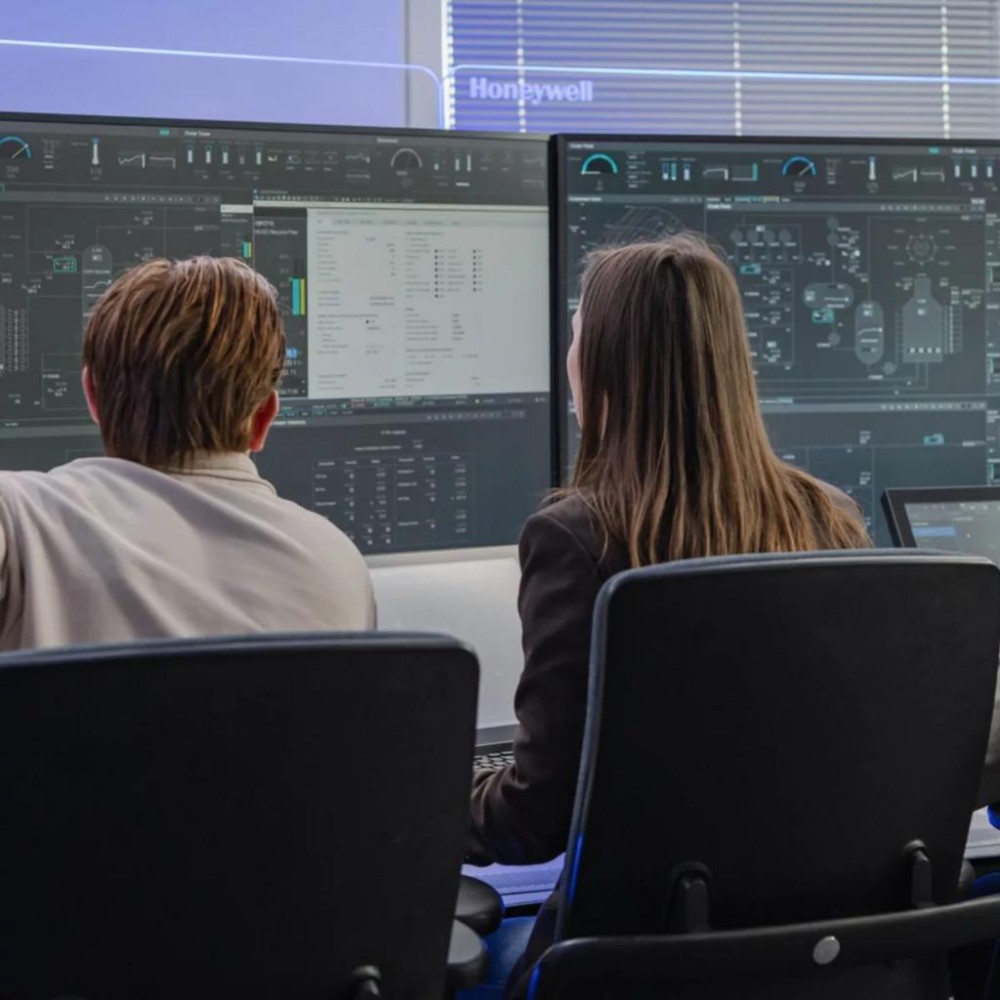 Rockwell Automation Introduces PanelView Pro HMI For Modern Industrial Automation Systems
 Yokogawa Selected As Main Automation Contractor For LNG Canada Phase 2 Expansion Project