100% Original, Ready to Ship!

Siemens Industrial Automation And AI Drive Record Industrial Profit In 2026
Siemens is seeing strong momentum from industrial automation and artificial intelligence as manufacturers accelerate digital transformation across factories, production lines and industrial infrastructure. In its latest fiscal third-quarter results released in August 2026, Siemens reported its highest-ever industrial profit, with the company highlighting strong demand connected to the global investment cycle around artificial intelligence and digitalization.
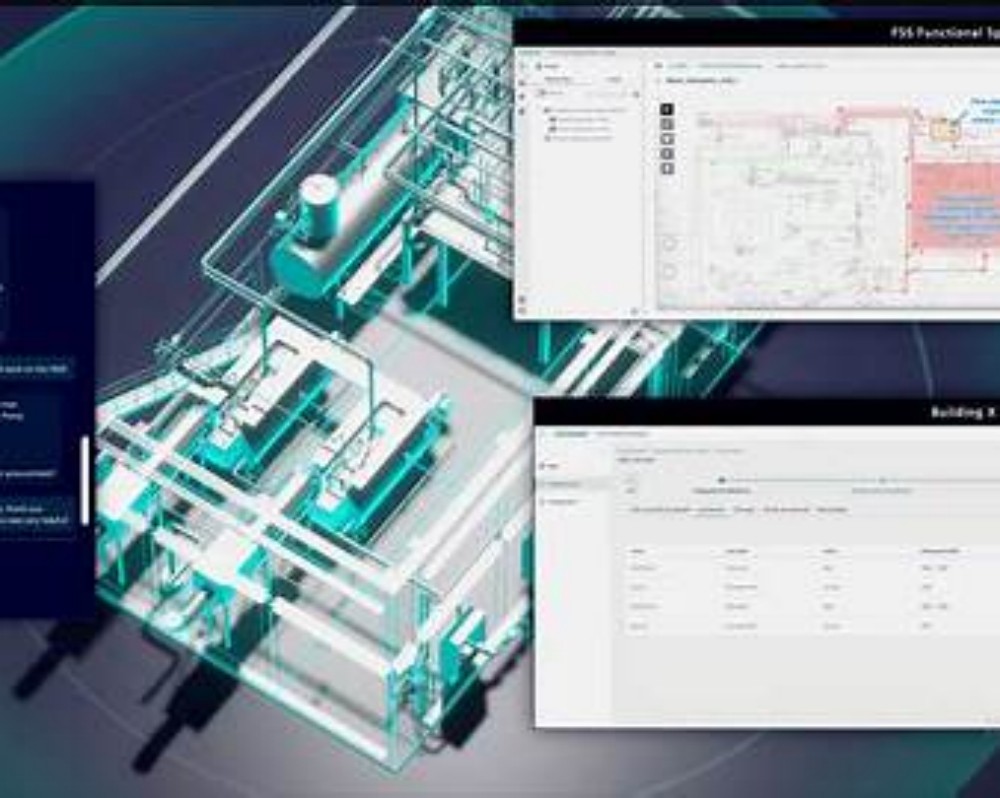
For the industrial automation market, the development is significant because AI investment is increasingly moving beyond data centers and into physical production environments. Siemens is positioning its industrial technology portfolio around the combination of automation hardware, industrial software, digital twins and Industrial AI. Its latest Siemens Xcelerator developments include an Industrial AI orchestration offering designed to support applications across the value chain, from engineering and manufacturing to service operations.
The trend is particularly relevant to PLC and industrial control engineers. Traditional PLC systems remain responsible for deterministic machine control, sequencing, motion coordination and safety-related functions, while higher-level AI and analytics technologies can process large volumes of production data. This creates an architecture in which PLCs, industrial PCs, SCADA systems, MES platforms and cloud or edge applications work together rather than operating as isolated systems.
Digital twins are also becoming increasingly important in this environment. By creating a digital representation of machines, production lines or entire plants, engineers can simulate changes before implementing them on physical equipment. This approach can help reduce commissioning risks, improve engineering efficiency and support predictive maintenance.
Another important development is the increasing integration of AI into engineering workflows. Instead of using AI only for data analysis, automation companies are working toward systems that can assist engineers with configuration, diagnostics, optimization and operational decision-making. For industrial users, the practical value will depend on maintaining deterministic control, cybersecurity and clear separation between AI recommendations and safety-critical control functions.
The Siemens development reflects a broader change in industrial automation. Automation is no longer focused solely on increasing machine speed or reducing manual operations. Modern factories are increasingly expected to combine real-time control, connected devices, industrial networking, data analytics and AI into a unified operational architecture.

For manufacturers planning PLC or DCS modernization projects, this trend could encourage greater investment in scalable control platforms and open digital architectures. Instead of replacing an entire automation system at once, plants may increasingly integrate existing controllers with edge computing, industrial software and AI applications.
As Industrial AI continues to develop, the competitive advantage may increasingly come from how effectively manufacturers connect reliable automation infrastructure with high-quality industrial data. For PLC, DCS and SCADA users, this means the future of automation is likely to combine proven control technology with increasingly intelligent software capabilities.
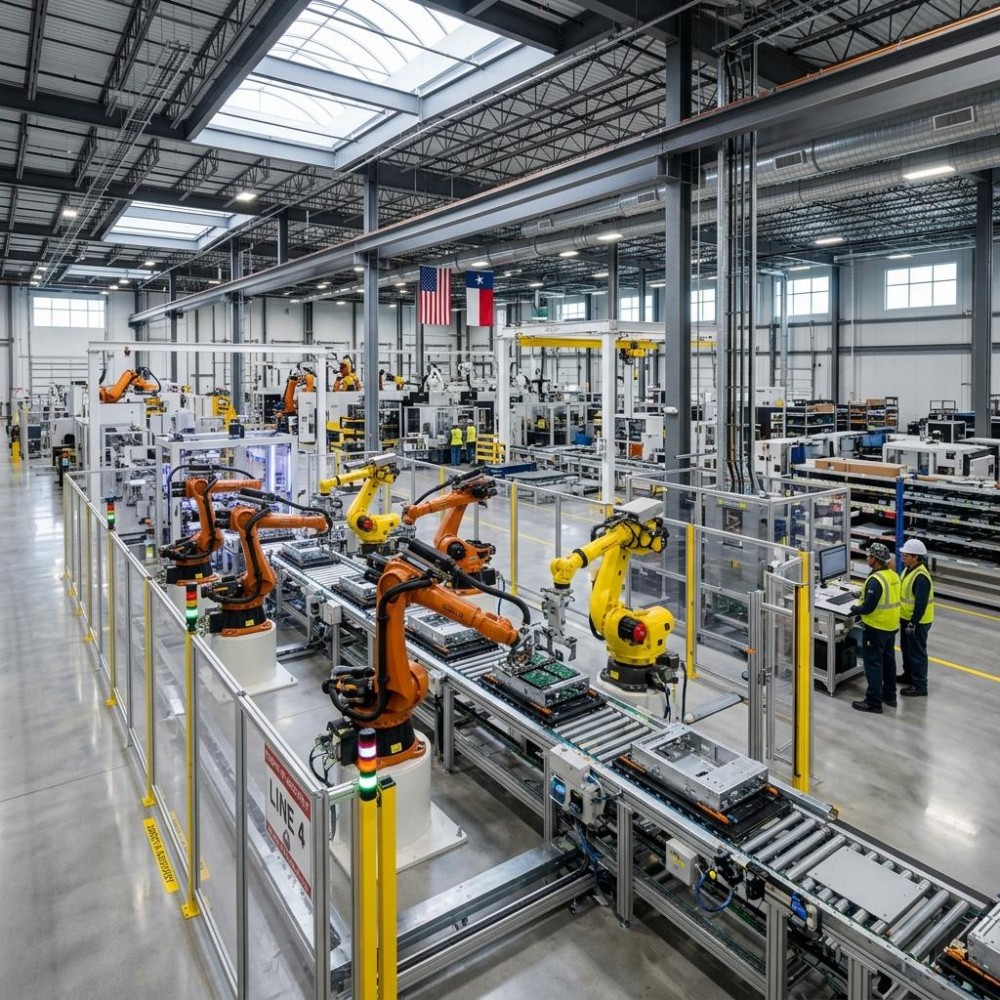 U.S. Industrial Robot Installations Rise 11% As Flexible Automation Expands
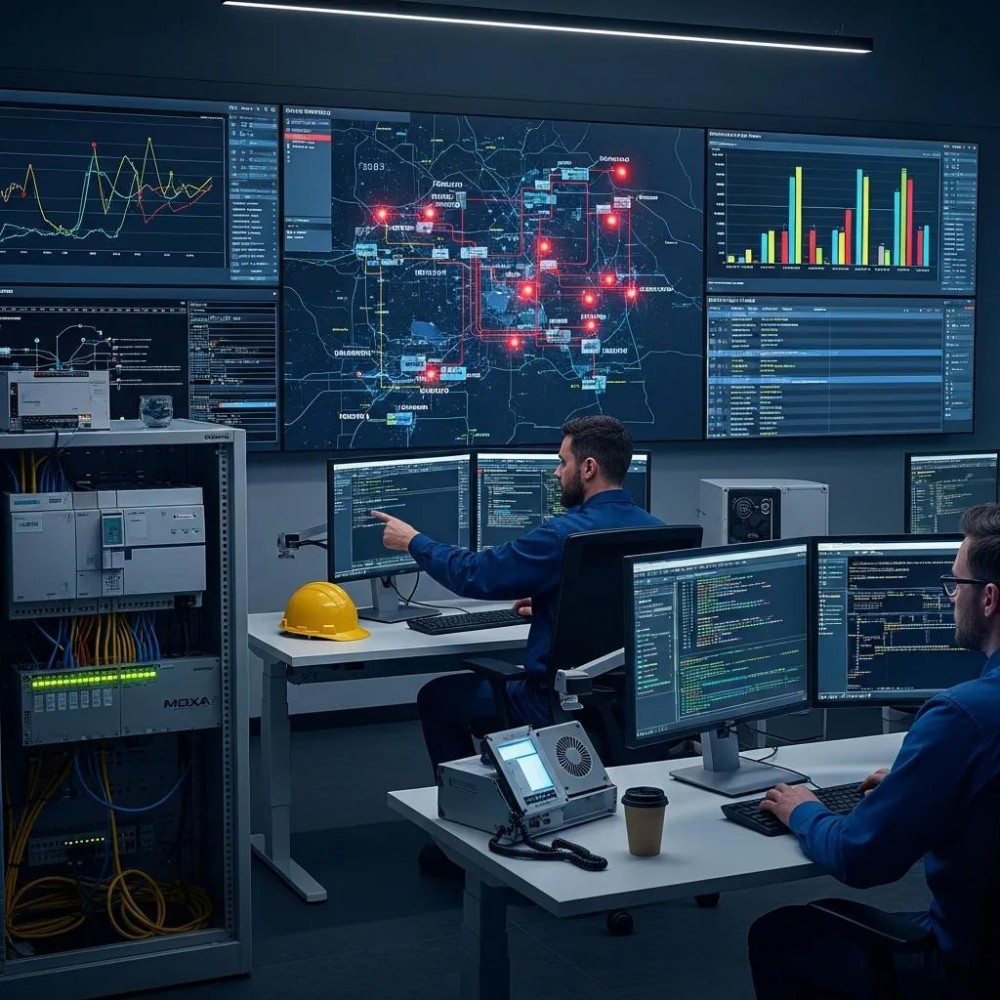 Siemens S7 PLC Cybersecurity Warning Highlights Growing OT Security Risks
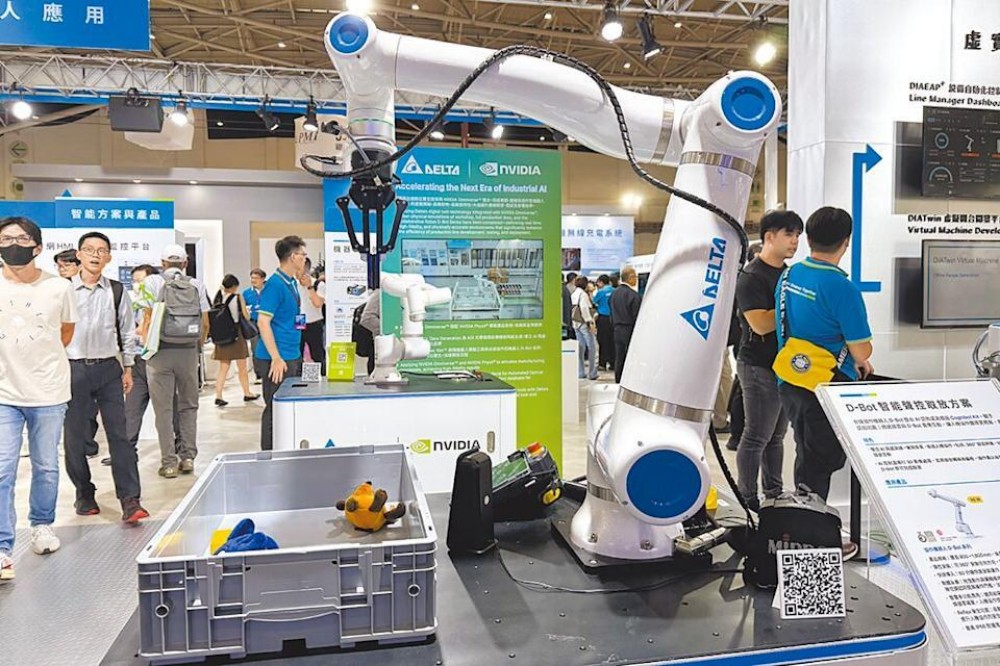 Delta’s Embodied AI And Digital Twins Signal A New Era For Industrial Automation
 Schneider Electric Advances Software-Defined Automation For PLC And DCS Modernization