100% Original, Ready to Ship!

ABB Automation Extended Enables AI-Ready DCS Modernization Without Production Disruption
ABB has introduced Automation Extended, a new approach to distributed control system modernization designed to help industrial companies adopt digital technologies while protecting existing DCS investments.
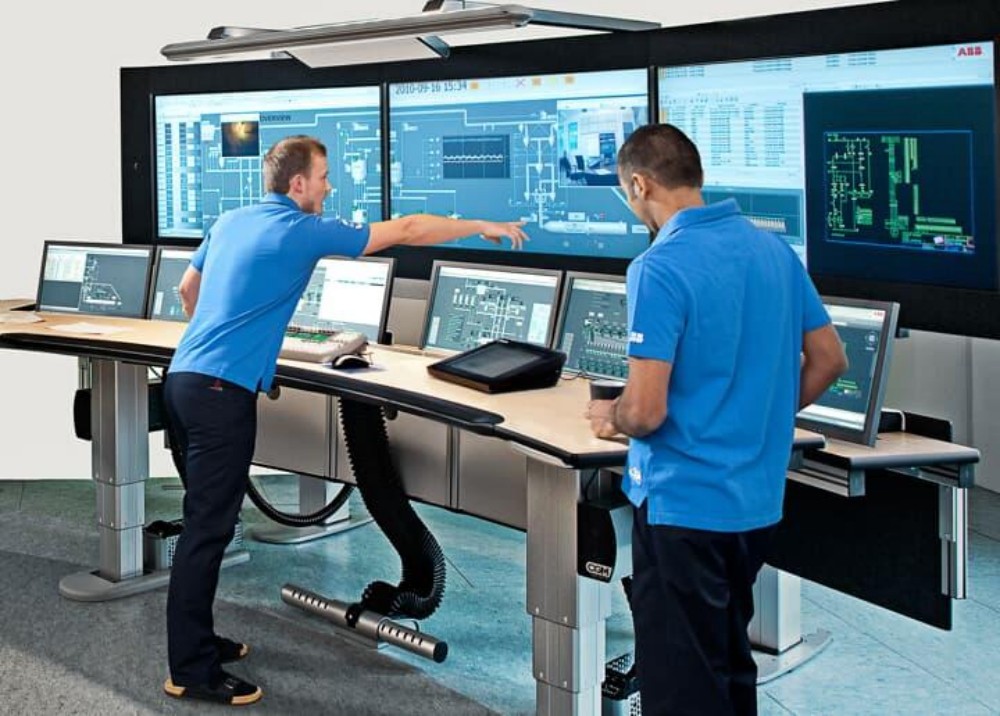
Many process industries still rely on long-life automation systems controlling critical operations in sectors such as oil and gas, chemicals, power generation, water treatment and manufacturing. Replacing a complete DCS can require significant engineering resources, operational planning and production downtime. This makes modernization one of the most important challenges for industrial automation teams.
ABB Automation Extended addresses this challenge through a more gradual modernization strategy. Instead of replacing the entire control environment at once, companies can continue using established automation platforms while progressively introducing new digital capabilities.
The approach is based on a modern, open and modular automation ecosystem. It is designed to separate critical control functions from newer digital applications while maintaining secure connections between the two environments. This architecture allows industrial organizations to explore analytics, AI and IoT technologies without directly interfering with mission-critical control operations.
For DCS engineers, this approach provides an important alternative to traditional large-scale system replacement. Existing control infrastructure can remain responsible for deterministic process control, while additional digital technologies can be introduced for monitoring, optimization, data analysis and other applications.
The strategy is particularly relevant for plants with large installed bases and long equipment lifecycles. Industrial facilities cannot always afford to stop production for a complete automation migration. Step-by-step modernization can therefore provide a practical path toward digital transformation.
Artificial intelligence is another important element of the new automation architecture. AI and advanced analytics require access to reliable operational data, but process plants must also maintain strict requirements for safety, availability and cybersecurity. Separating digital applications from core control functions can help organizations introduce new technologies while maintaining a stable control environment.
The development also highlights a major trend across the DCS industry: modernization is increasingly becoming a continuous process rather than a single replacement project. Industrial companies want to extend the useful life of existing systems while gradually adding new capabilities.
For automation engineers, this means future DCS projects will involve more than control logic and operator interfaces. Engineers will increasingly work with industrial data, cybersecurity, edge computing, analytics and AI-based applications.
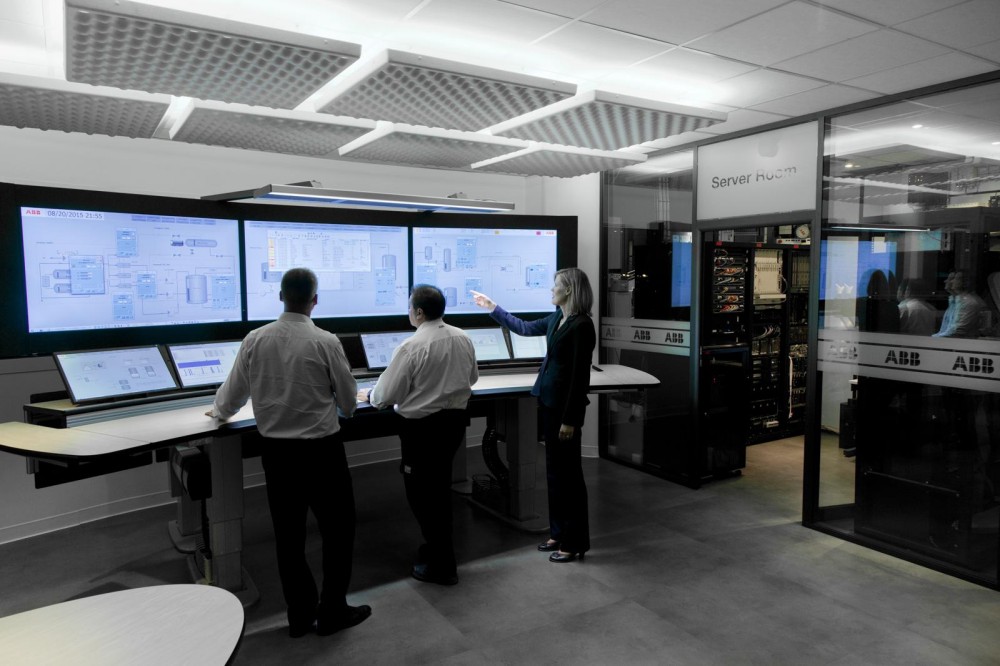
ABB’s Automation Extended approach reflects this broader evolution. The goal is not simply to install a new control system, but to create an automation environment that can continue evolving as technology changes.
For process industries, the ability to modernize without unnecessary disruption could become a major competitive advantage. As AI, IoT and advanced analytics become more important, DCS platforms will increasingly serve as the foundation connecting reliable industrial control with the digital technologies of the future.
 U.S. Industrial Robot Installations Rise 11% As Flexible Automation Expands
 Siemens S7 PLC Cybersecurity Warning Highlights Growing OT Security Risks
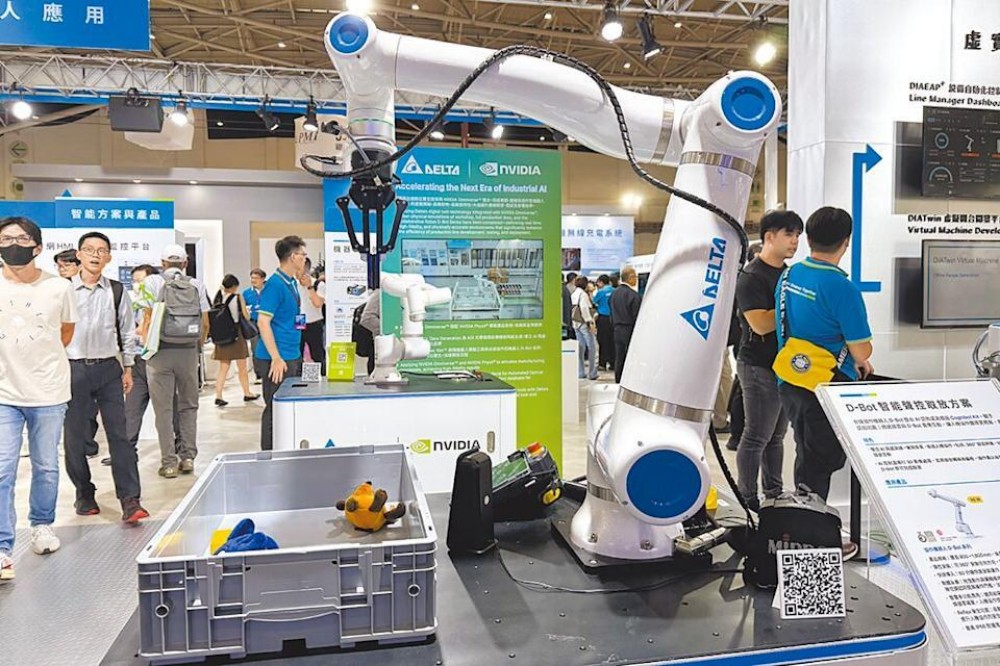 Delta’s Embodied AI And Digital Twins Signal A New Era For Industrial Automation
 Schneider Electric Advances Software-Defined Automation For PLC And DCS Modernization