100% Original, Ready to Ship!

ABB 086339-001 Miniature Smart Sensor Communication Fault Troubleshooting Guide
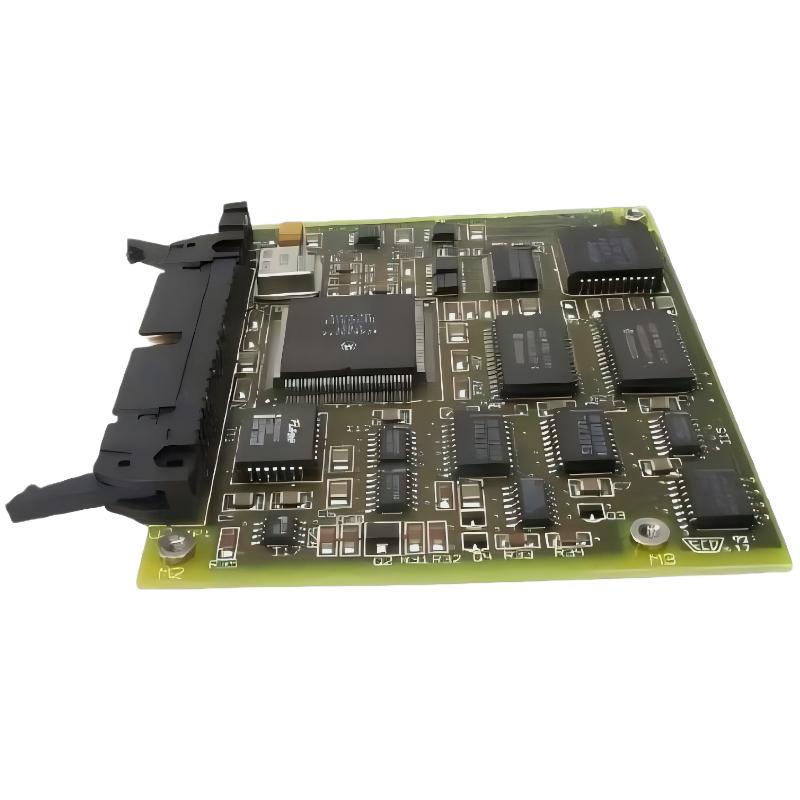
ABB 086339-001 communication faults are usually misdiagnosed as sensor hardware failure, but in industrial field experience, over 70% of issues originate from wiring, PLC configuration, or EMI interference. This Troubleshooting Guide focuses on Fault Diagnosis logic used in real PLC Controller environments and industrial Module networks.
Observed Fault Symptoms in Field Applications
In one production line monitoring system, ABB 086339-001 sensors showed intermittent “no response” signals inside the PLC SCADA system. The vibration data would freeze intermittently every 10–15 minutes.
- Intermittent data loss in PLC input registers
- Zero or frozen signal output
- Random spikes in vibration readings
- Communication timeout errors in SCADA system
Root Cause Analysis Approach (Fault Thinking Process)
Instead of replacing the sensor immediately, we performed structured Fault Diagnosis starting from the PLC layer down to field wiring.
Common Causes of ABB 086339-001 Communication Fault
- EMI interference from VFD drives or heavy motors
- Incorrect Modbus register mapping in PLC configuration
- Loose or oxidized terminal connections
- Insufficient grounding in distributed sensor network
Diagnostic Procedure Using PLC Controller Tools
We used a step-by-step diagnostic method to isolate the fault source:
STEP 1: Check PLC Input Status Register
READ HOLDING REGISTER 0x01

STEP 2: Verify Communication Frame
CHECK CRC ERROR COUNT

STEP 3: Monitor Signal Stability
LOG VIBRATION RMS OVER 10 MINUTES

STEP 4: Inspect Physical Layer
TEST CONTINUITY AND SHIELDING RESISTANCE
During one test, CRC errors increased from 0 to 45 per minute, indicating severe communication noise rather than sensor failure.
Field Case Study – False Sensor Failure
In a chemical processing plant, ABB 086339-001 sensors were flagged as defective after repeated signal dropout. However, after isolating the cable route, we discovered it ran parallel to a 75 kW inverter cable tray. After rerouting, communication stability restored within 30 minutes without replacing the sensor.
Signal stability improved significantly:
- Before correction: 40–60% packet loss
- After correction: less than 2% packet loss
Repair and Recovery Strategy
Once root cause is identified, recovery must be systematic rather than ad-hoc replacement.
- Replace or reroute communication cable if EMI is detected
- Reconfigure PLC Modbus addressing table
- Tighten all terminal connections
- Reinitialize sensor communication handshake
Advanced Fault Diagnosis Considerations
In complex automation systems, ABB 086339-001 sensors may interact with multiple PLC modules. Cross-talk between channels can lead to misleading diagnostics if system configuration is not properly segmented.
FAQ – Troubleshooting and Repair
Why does the sensor show intermittent communication loss?
In most cases, this is due to electromagnetic interference or grounding loop issues rather than internal sensor failure.
Can PLC configuration cause false sensor faults?
Yes. Incorrect register mapping or baud rate mismatch can simulate hardware failure symptoms even when the sensor is fully functional.
How to confirm if the sensor is actually damaged?
Use direct loopback testing and compare signal output with a reference channel. If both hardware and wiring test normal, sensor failure is unlikely.
What is the fastest way to restore communication?
Reboot PLC communication module, verify cable shielding, and reset Modbus addressing. In most field cases, this restores communication within minutes.
Conclusion – Engineering Insight Summary
ABB 086339-001 communication faults are predominantly system-level integration issues rather than hardware failures. Effective Troubleshooting requires structured Fault Diagnosis across PLC, wiring, and environmental factors. Proper engineering practice ensures stable long-term operation of Miniature Smart Sensor networks in industrial automation systems.
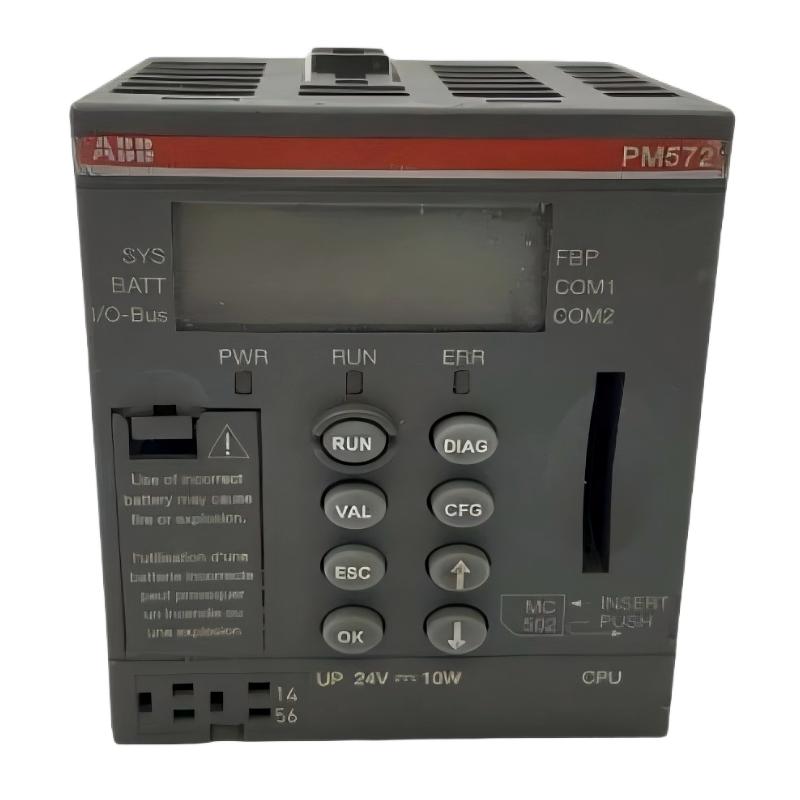 ABB PM572 1SAP130200R0200 CPU Module Troubleshooting Guide
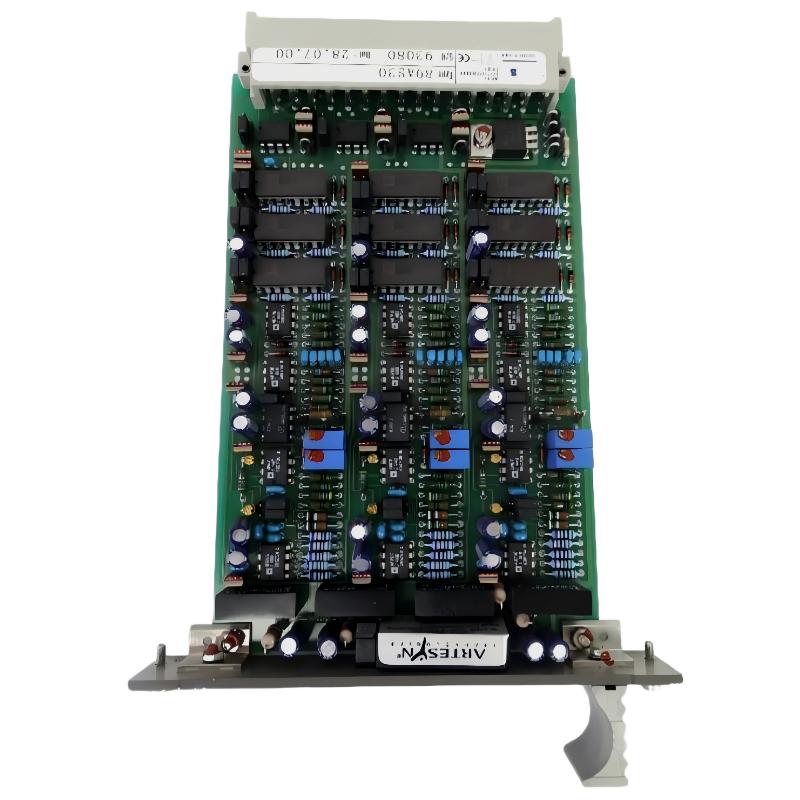 ABB 89AS30 GKWN000317R0100 Analog Signal Multiplier Troubleshooting Guide
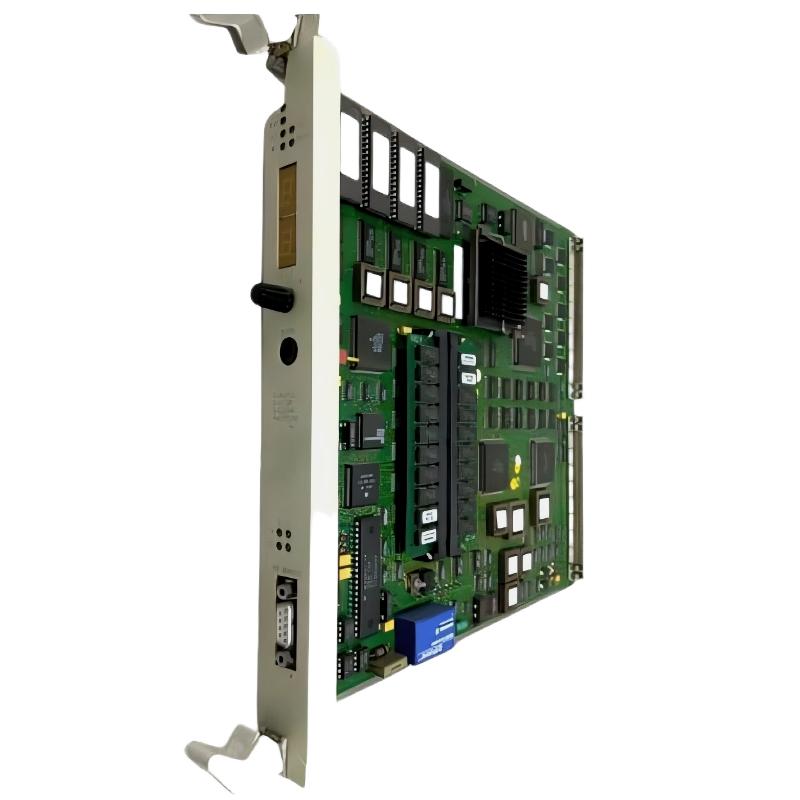 ABB PM510 3BSE000270R1 CPU Board Troubleshooting Guide
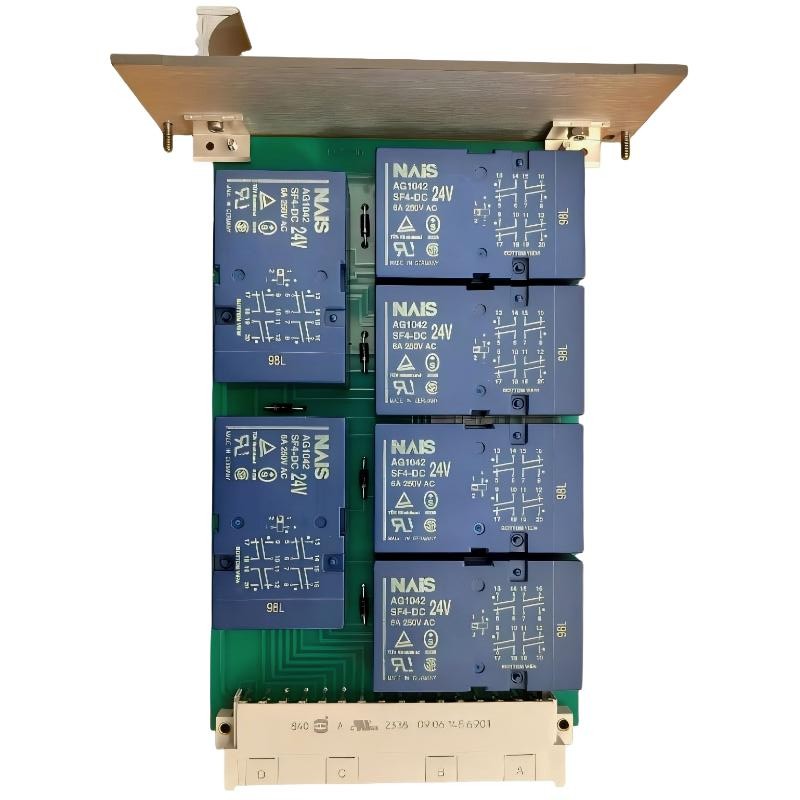 ABB 89AR30/R0100 Relay Unit Troubleshooting Guide For Control And Protection Faults