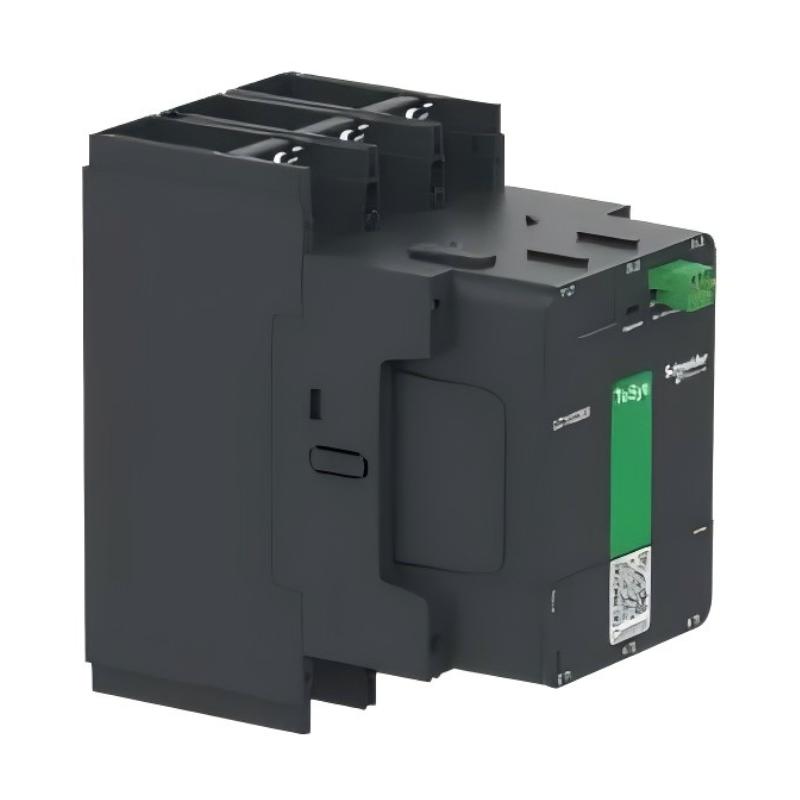
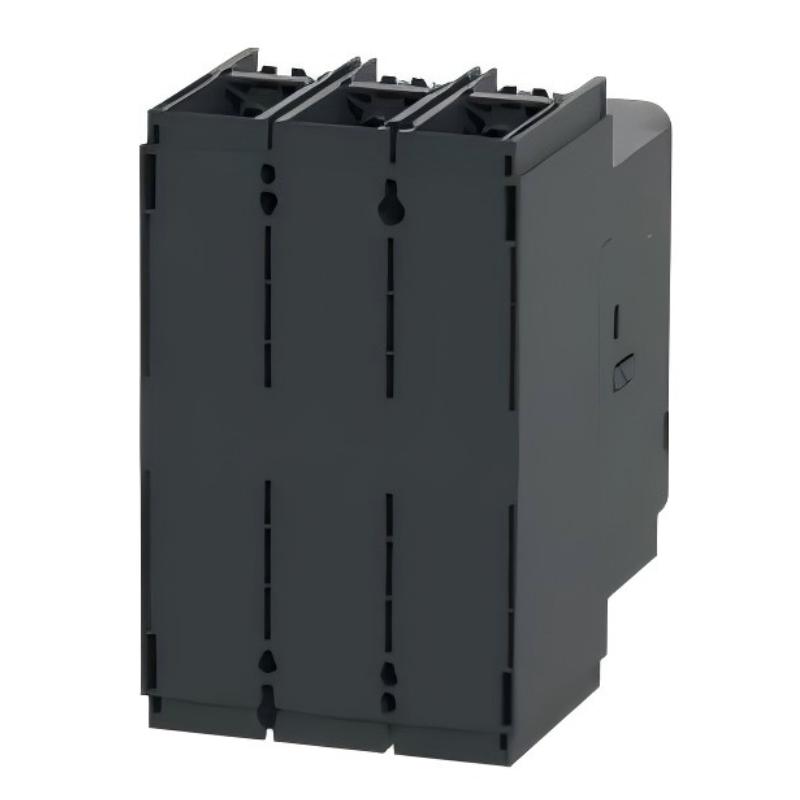
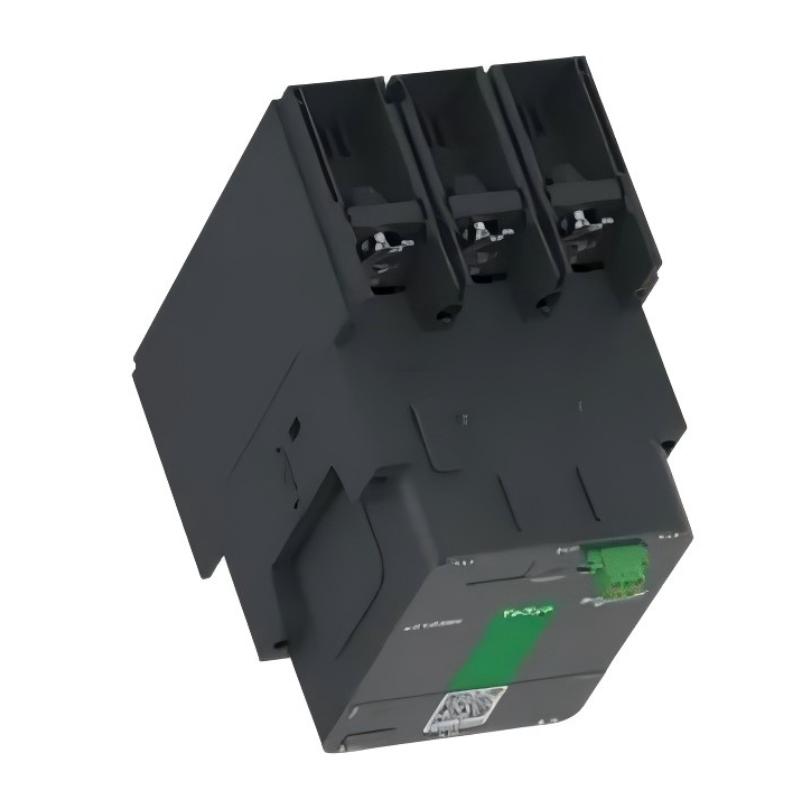
Schneider LC1G400EHEN Contactor
| Company Information | ||||||||
| [email protected] | ||||||||
| Mobile | +8613666084105 | |||||||
| +8613666084105 | ||||||||
| 13666084105 | ||||||||
| Add to | Room 1004, No. 62 Xiangxiu Li, Siming District, Xiamen City, Fujian Province, China | |||||||
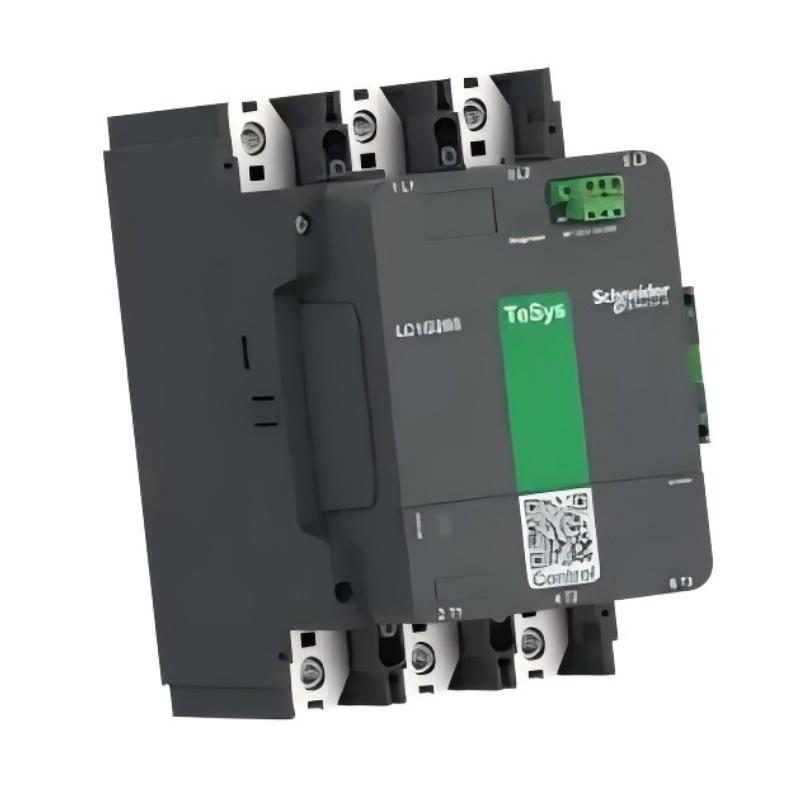 Technical Specifications
| Parameter | Specification |
|---|---|
| Model | LC1G400EHEN |
| Product Type | High Power Contactor |
| Series | TeSys Giga |
| Contactor Application | Power Switching, Motor Control |
| Number of Poles | 3P, 3NO |
| Rated Operational Current | 400 A at AC-3 |
| Rated Operational Voltage | ≤ 1000 V AC, 50/60 Hz |
| AC-3 Rating | 400 A at ≤ 440 V AC |
| AC-1 Rating | 550 A at ≤ 1000 V AC |
| Rated Motor Power | Approximately 200 kW at 400 V AC |
| Control Coil Voltage | 48–130 V AC/DC |
| Coil Frequency | 50/60 Hz |
| Control Voltage Operating Range | 0.8–1.1 Uc |
| Utilization Categories | AC-1, AC-3, AC-3e, AC-4, AC-5a, AC-5b, AC-6a, AC-6b, AC-8a, AC-8b, DC-1, DC-3, DC-5 |
| Auxiliary Contacts | 1 NO + 1 NC |
| Rated Insulation Voltage | 1000 V |
| Rated Impulse Withstand Voltage | 8 kV |
| Conventional Free-Air Thermal Current | 550 A at 40°C |
| Rated Short-Time Withstand Current | 3.6 kA for 10 s; 2.4 kA for 30 s; 1.7 kA for 1 min |
| Operating Temperature | -25°C to +60°C |
| Mounting | Panel/Chassis Mounting |
| Main Contact Configuration | 3 Normally Open |
| Electrical Connection | Power terminal connection |
| Dimensions | 226 × 225 × 140 mm |
| Weight | 7 kg |
FAQ
1. What type of contactor is LC1G400EHEN?
LC1G400EHEN is a high-power three-pole contactor from the TeSys Giga range, designed primarily for industrial power switching and motor control applications. It has three normally open main contacts and is rated for 400 A under AC-3 conditions at up to 440 V AC. The contactor is intended for applications where large motors and high-current loads require reliable electrical switching. It can be used in motor starters, industrial production equipment, pumps, fans, compressors, conveyors, HVAC systems, and other automation equipment. Its wide-range 48–130 V AC/DC control coil also allows it to be integrated into different industrial control circuits without requiring a narrow fixed coil voltage.
2. What is the AC-3 current rating of LC1G400EHEN?
The AC-3 rated operational current of LC1G400EHEN is 400 A at an operational voltage of up to 440 V AC. AC-3 is a common utilization category for controlling squirrel-cage induction motors, particularly during normal motor starting and stopping operations. When selecting this contactor for a motor application, the actual motor current should be compared with the contactor rating under the corresponding operating conditions. Motor power, supply voltage, ambient temperature, starting frequency, and load characteristics should also be considered. The 400 A AC-3 rating should not be interpreted as meaning that every 400 A motor application is automatically suitable, because the complete operating conditions determine the correct contactor selection.
3. What control voltage does LC1G400EHEN use?
LC1G400EHEN uses a wide-band electronic control coil rated for 48–130 V AC/DC. The same contactor can therefore operate with either AC or DC control power within the specified voltage range. This feature is useful in industrial automation systems where control circuits may use different power architectures. The actual control voltage should always be checked before installation, and the control circuit should be capable of supplying the required coil power. When the contactor is controlled by a PLC, relay, or other automation controller, the output device must be electrically compatible with the coil circuit. If the controller cannot directly handle the coil circuit, an appropriate interface relay or switching device should be used.
4. Can LC1G400EHEN be used for PLC-based motor control?
Yes. LC1G400EHEN can be incorporated into PLC-based motor control systems and is suitable for applications where the PLC needs to control a high-current motor circuit. The PLC normally operates the contactor through its control circuit rather than switching the motor current directly. A typical control system may include the PLC output, an interface or relay circuit where required, the LC1G400EHEN coil, motor protection equipment, and the motor power circuit. Interlocking logic can also be implemented to prevent unsafe simultaneous operation of forward and reverse contactors or other conflicting switching devices. During system design, the PLC output specifications, coil voltage, motor current, overload protection, emergency-stop circuit, and control logic should all be evaluated together.
5. What should be considered when wiring LC1G400EHEN in a motor starter?
The main power circuit should be designed according to the motor’s rated current, supply voltage, starting characteristics, and applicable electrical installation requirements. The three main poles are used to switch the three-phase motor supply, while the control circuit operates the contactor coil. Properly rated cables, terminals, protective devices, and overload protection should be selected for the actual load. Connections must be securely tightened because loose terminals can increase electrical resistance and generate localized heating during high-current operation. Before energizing the system, it is advisable to verify phase connections, control wiring, protective devices, interlocks, and motor protection settings. A controlled commissioning procedure should then be performed to confirm that the contactor closes and releases correctly and that the motor operates normally.
6. Why might LC1G400EHEN fail to close when a start command is given?
A failure to close can originate from either the control circuit or the contactor itself. The first troubleshooting step is to verify whether the correct voltage is present across the coil when the start command is active. If the coil voltage is missing or too low, the control circuit should be checked for PLC output problems, blown control fuses, open emergency-stop circuits, incorrect interlocks, faulty auxiliary contacts, loose wiring, or an incorrectly configured control relay. If the specified control voltage is present but the contactor does not close, the coil, electronic control module, and mechanical operating mechanism should be investigated. It is also important to check whether an overload or safety circuit is intentionally preventing the contactor from operating. Troubleshooting should begin with measurements in the control circuit rather than immediately replacing the complete contactor.
7. What can cause overheating of LC1G400EHEN during continuous operation?
Excessive heating can result from high load current, loose power connections, unsuitable cable sizing, poor electrical connections, abnormal contact resistance, insufficient ventilation, or operation outside the intended electrical conditions. Because LC1G400EHEN is designed for high-current applications, the condition of the main terminals and power connections is particularly important. A loose connection can create additional resistance and produce localized heat even when the overall load current does not appear unusually high. During troubleshooting, the operating current should be measured on all phases and compared with the expected motor load. The terminals should also be inspected for discoloration, signs of overheating, oxidation, or mechanical looseness. If one phase shows significantly different heating or current behavior from the others, the associated wiring, contact path, and motor circuit should be investigated in detail.
8. How should LC1G400EHEN be maintained in a high-current motor control system?
Maintenance should focus on the electrical connections, contactor operating behavior, control circuit, auxiliary contacts, and surrounding motor protection equipment. During scheduled inspections, technicians should check for loose terminals, abnormal heating, unusual operating noise, delayed closing or release, contact welding, and visible signs of electrical stress. The motor load should also be monitored because excessive current, repeated overloads, or unusually frequent starting can increase electrical stress on the contactor. The control voltage should remain within the appropriate operating range, and the PLC or relay control circuit should be checked if intermittent operation occurs. For equipment operating continuously or under heavy-duty conditions, maintenance intervals should be determined according to the actual switching frequency, load characteristics, environmental conditions, and operating history rather than relying only on a fixed calendar interval.
Schneider LC1G400EHEN Contactor is in stock. Please contact us for a quick quote and competitive pricing.
| Company Information | ||||||||
| [email protected] | ||||||||
| Mobile | +8613666084105 | |||||||
| +8613666084105 | ||||||||
| 13666084105 | ||||||||
| Add to | Room 1004, No. 62 Xiangxiu Li, Siming District, Xiamen City, Fujian Province, China | |||||||
Company Introduction
Xiamen Shengruite Trading Co., Ltd. is a company specializing in the supply of industrial PLC spare parts.
We provide high-quality PLC spare parts to customers in the global manufacturing, energy and power, chemical and other fields.
Since its establishment in 2011, after 13 years of rapid development, the cumulative global shipments have reached 223,650 pieces, with an annual output value of US$50 million.
Successfully served more than 500 customers in more than 100 countries and regions including Saudi Arabia, UAE, the United States, Europe, Africa, and Southeast Asia
Our Mission
Provide customers with the best quality PLC spare parts and the fastest delivery service to ensure that their industrial automation systems are always in the best operating condition.
We provide a 1-year warranty service, and we support returns and exchanges for any issues to ensure your rights and interests are fully protected.
We can provide detailed product images upon request, and our team can arrange warehouse photos for confirmation to ensure you have all the information you need before making a purchase.
Shipping times vary depending on your location. With the support of our 16 global warehouses, we strive to deliver orders as quickly as possible. Contact us to get an estimated delivery time for your specific location.
The minimum order quantity (MOQ) is typically one unit. However, for larger orders, please contact us for potential discounts and pricing details.
Yes, we offer competitive pricing for bulk purchases. Please reach out to our sales team with the specifics of your order to receive a custom quote.
We accept various payment methods for wholesale orders, including bank transfers (T/T), letters of credit, and other options upon agreement. For large transactions, please contact us directly for payment terms.
Yes, we offer flexible ordering options for both small and large quantities. Whether youre looking for a single unit or a large batch, we can accommodate your needs.
We occasionally offer promotional discounts for new wholesale customers. Contact us to learn more about any current offers available for first-time buyers.
If you are unsure of compatibility with your existing setup please provide your system details and our support team can verify compatibility prior to purchase.
Returns are accepted within 30 days if the product is unused, unopened, and in its original packaging. Please note that return shipping and associated costs are the buyer\\\\\\\\\\\\\\\\\\\\\\\\\\\\\\\\\\\\\\\\\\\\\\\\\\\\\\\\\\\\\\\\\\\\\\\\\\\\\\\\\\\\\\\\\\\\\\\\\\\\\\\\\\\\\\\\\\\\\\\\\\\\\\\\\\\\\\\\\\\\\\\\\\\\\\\\\\\\\\\\\\\\\\\\\\\\\\\\\\\\\\\\\\\\\\\\\\\\\\\\\\\\\\\\\\\\\\\\\\\\\\\\\\\\\\\\\\\\\\\\\\\\\\\\\\\\\\\\\\\\\\\\\\\\\\\\\\\\\\\\\\\\\\\\\\\\\\\\\\\\\\\\\\\\\\\\\\\\\\\\\\\\\\\\\\\\\\\\\\\\\\\\\\\\\\\\\\\\\\\\\\\\\\\\\\\\\\\\\\\\\\\\\\\\\\\\\\\\\\\\\\\\\\\\\\\\\\\\\\\\\\\\\\\\\\\\\\\\\\\\\\\\\\\\\\\\\\\\\\\\\\\\\\\\\\\\\\\\\\\\\\\\\\\\\\\\\\\\\\\\\\\\\\\\\\\\\\\\\\\\\\\\\\\\\\\\\\\\\\\\\\\\\\\\\\\\\\\\\\\\\\\\\\\\\\\\\\\\\\\\\\\\\\\\\\\\\\\\\\\\\\\\\\\\\\\\\\\\\\\\\\\\\\\\\\\\\\\\\\\\\\\\\\\\\\\\\\\\\\\\\\\\\\\\\\\\\\\\\\\\\\\\\\\\\\\\\\\\\\\\\\\\\\\\\\\\\\\\\\\\\\\\\\\\\\\\\\\\\\\\\\\\\\\\\\\\\\\\\\\\\\\\\\\\\\\\\\\\\\\\\\\\\\\\\\\\\\\\\\\\\\\\\\\\\\\\\\\\\\\\\\\\\\\\\\\\\\\\\\\\\\\\\\\\\\\\\\\\\\\\\\\\\\\\\\\\\\\\\\\\\\\\\\\\\\\\\\\\\\\\\\\\\\\\\\\\\\\\\\\\\\\\\\\\\\\\\\\\\\\\\\\\\\\\\\\\\\\\\\\\\\\\\\\\\\\\\\\\\\\\\\\\\\\\\\\\\\\\\\\\\\\\\\\\\\\\\\\\\\\\\\\\\\\\\\\\\\\\\\\\\\\\\\\\\\\\\\\\\\\\\\\\\\\\\\\\\\\\\\\\\\\\\\\\\\\\\\\\\\\\\\\\\\\\\\\\\\\\\\\\\\\\\\\\\\\\\\\\\\\\\\\\\\\\\\\\\\\\\\\\\\\\\\\\\\\\\\\\\\\\\\\\\\\\\\\\\\\\\\\\\\\\\\\\\\\\\\\\\\\\\\\\\\\\\\\\\\\\\\\\\\\\\\\\\\\\\\\\\\\\\\\\\\\\\\\\\\\\\\\\\\\\\\\\\\\\\\\\\\\\\\\\\\\\\\\\\\\\\\\\\\\\\\\\\\\\\\\\\\\\\\\\\\\\\\\\\\\\\\\\\\\\\\\\\\\\\\\\\\\\\\\\\\\\\\\\\\\\\\\\\\\\\\\\\\\\\\\\\\\\\\\\\\\\\\\\\\\\\\\\\\\\\\\\\\\\\\\\\\\\\\\\\\\\\\\\\\\\\\\\\\\\\\\\\\\\\\\\\\\\\\\\\\\\\\\\\\\\\\\\\\\\\\\\\\\\\\\\\\\\\\\\\\\\\\\\\\\\\\\\\\\\\\\\\\\\\\\\\\\\\\\\\\\\\\\\\\\\\\\\\\\\\\\\\\\\\\\\\\\\\\\\\\\\\\\\\\\\\\\\\\\\\\\\\\\\\\\\\\\\\\\\\\\\\\\\\\\\\\\\\\\\\\\\\\\\\\\\\\\\\\\\\\\\\\\\\\\\\\\\\\\\\\\\\\\\\\\\\\\\\\\\\\\\\\\\\\\\\\\\\\\\\\\\\\\\\\\\\\\\\\\\\\\\\\\\\\\\\\\\\\\\\\\\\\\\\\\\\\\\\\\\\\\\\\\\\\\\\\\\\\\\\\\\\\\\\\\\\\\\\\\\\\\\\\\\\\\\\\\\\\\\\\\\\\\\\\\\\\\\\\\\\\\\\\\\\\\\\\\\\\\\\\\\\\\\\\\\\\\\\\\\\\\\\\\\\\\\\\\\\\\\\\\\\\\\\\\\\\\\\\\\\\\\\\\\\\\\\\\\\\\\\\\\\\\\\\\\\\\\\\\\\\\\\\\\\\\\\\\\\\\\\\\’s responsibility.
Yes, we offer technical support for the installation and integration of our products. Our team can assist with setup, configuration, and troubleshooting to ensure a smooth installation.