100% Original, Ready to Ship!

Honeywell Launches New Hybrid Heating Solution To Enhance Energy Efficiency In Industrial And Commercial Applications
Honeywell has introduced a new hybrid heating solution designed to improve energy efficiency, operational flexibility, and sustainability across industrial and commercial environments. The latest system integrates multiple heating sources and intelligent control technologies to optimize thermal management performance in complex facilities.
As global industries continue to focus on decarbonization and energy optimization, hybrid heating systems are becoming an increasingly important part of modern HVAC and process heating strategies. Honeywell’s new solution aims to address these needs by enabling seamless switching and balancing between different energy inputs, such as electric heating and conventional fuel-based systems, depending on load demand, cost efficiency, and environmental conditions.
The solution is designed to support a wide range of applications, including manufacturing plants, data centers, commercial buildings, and energy-intensive processing facilities. By leveraging advanced automation and control algorithms, the system helps operators reduce unnecessary energy consumption while maintaining stable and reliable heating performance.
One of the key advantages of the hybrid heating approach is its ability to enhance system resilience. In environments where energy supply fluctuations or peak demand charges are a concern, hybrid configurations allow facilities to dynamically adjust heating sources to maintain continuity and cost control. This flexibility also supports integration with renewable energy systems, helping organizations move toward lower-carbon operations.
Honeywell’s control architecture emphasizes smart connectivity and real-time monitoring, enabling facility managers to gain better visibility into system performance. Through data-driven insights, operators can optimize maintenance schedules, improve efficiency, and extend equipment lifespan. The solution is also compatible with modern building management systems (BMS), supporting centralized control and remote operation.
In industrial automation contexts, hybrid heating technology plays a critical role in improving process stability and reducing energy waste. By combining intelligent sensors, automation controllers, and adaptive control logic, the system ensures that heating output is precisely matched to operational demand.
The introduction of this hybrid heating solution reflects the broader industry trend toward integrated energy management and smart infrastructure. As regulatory pressure and energy costs continue to rise, demand for intelligent thermal systems is expected to grow significantly across global markets.
With this launch, Honeywell strengthens its position in the industrial automation and energy control sector, offering customers a scalable and future-ready solution for efficient heating management.
 Rockwell Automation Expands Industrial AI Capabilities With NVIDIA Nemotron Support
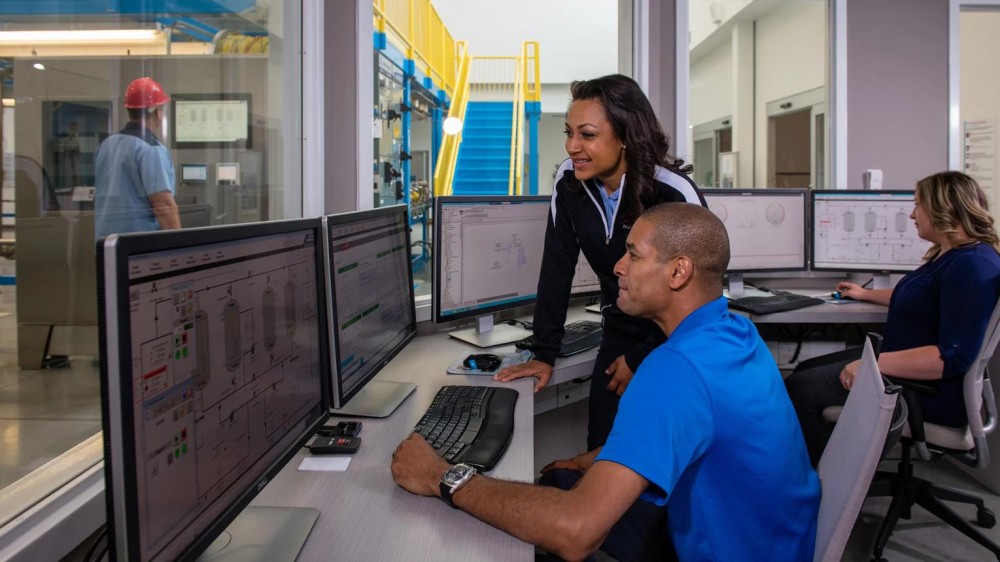 Rockwell Automation Introduces FactoryTalk Conductor To Advance AI-Driven Industrial Automation
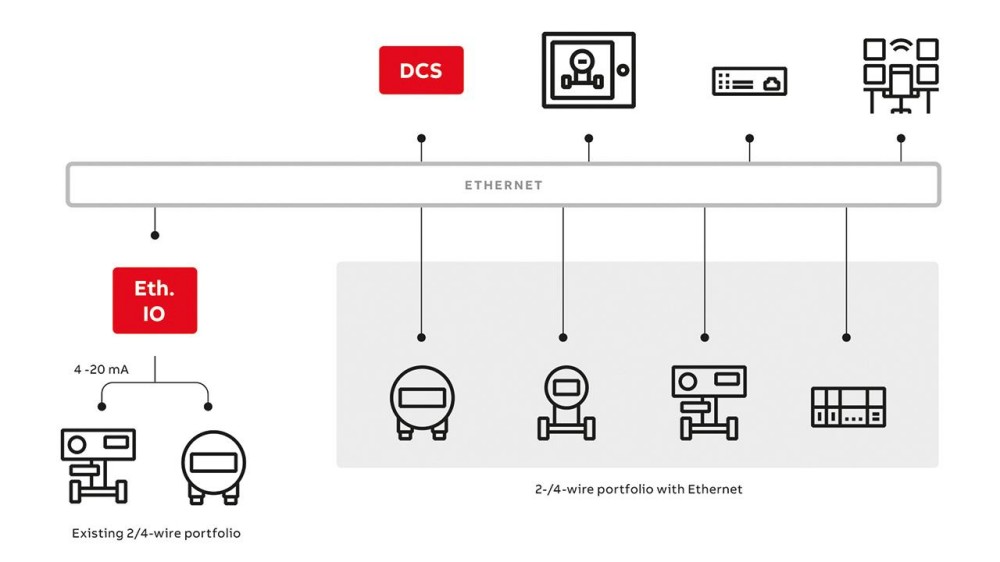 ABB And Boliden Advance DCS Modernization With Ethernet-APL Industrial Automation
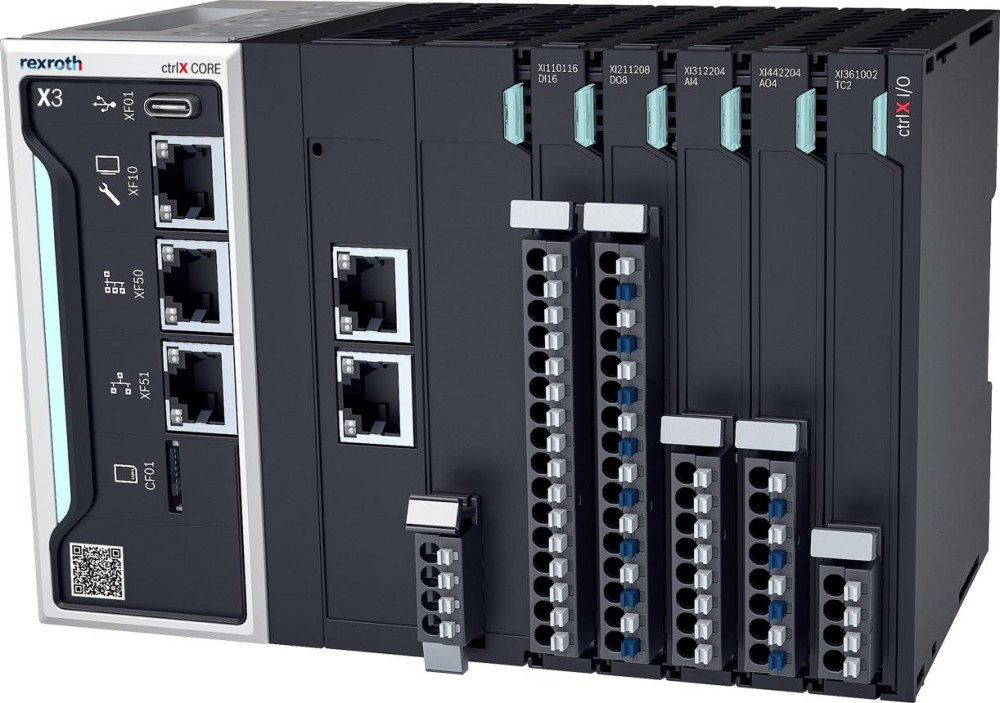 Bosch Rexroth Expands ctrlX AUTOMATION With New Safety PLC, Drive And Software Features