100% Original, Ready to Ship!

ABB 3BHE02195R0124 Control Board Troubleshooting Guide
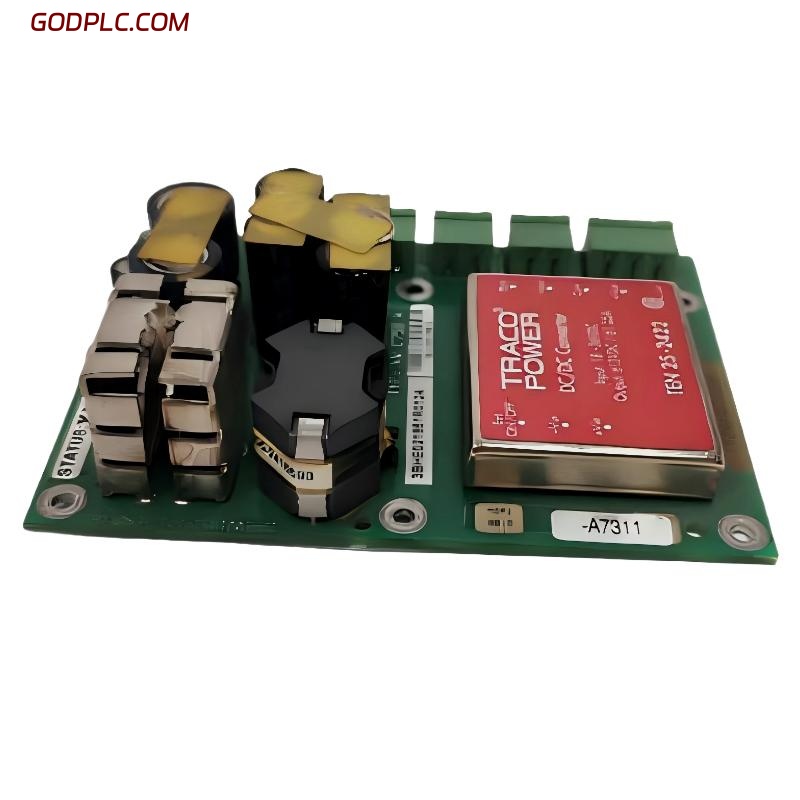
ABB 3BHE02195R0124 control board faults are often misdiagnosed as hardware failure, while in real field cases more than 70% originate from communication instability, power fluctuation, or analog signal noise. Effective troubleshooting requires structured Fault Diagnosis instead of immediate board replacement.
ABB 3BHE02195R0124 Control Board Fault Symptoms
When ABB 3BHE02195R0124 begins failing, symptoms rarely appear as total shutdown initially. Instead, degradation is gradual.
- Intermittent I/O response delay
- Random communication timeout with SCADA
- Analog signal drift under load
- Unexplained system reset during motor start
In one industrial compressor system, operators reported “random alarms,” but logs showed that faults always occurred during peak load transitions.
Common Causes of ABB 3BHE02195R0124 Communication Fault
In structured Fault Diagnosis, causes can be grouped into electrical, environmental, and configuration layers.
- EMI interference from VFD switching circuits
- Poor grounding or floating reference potential
- Loose backplane connector contact resistance
- Power supply ripple exceeding tolerance
One critical observation in field troubleshooting: communication faults often disappear when cabinet door is opened due to reduced thermal buildup and EMI reflection change.
Engineering Diagnostics Process (Fault Thinking Method)
Instead of replacing the PLC Module directly, a layered diagnostic process should be applied.
Step-based diagnostic logic:
STEP 1: Verify 24V DC stability under load
STEP 2: Check grounding continuity (< 4Ω)
STEP 3: Isolate communication line from VFD noise
STEP 4: Run I/O loopback test
STEP 5: Inspect board seating and connector pressure
In one hydro plant, Step 3 alone eliminated 80% of false alarms caused by induced noise.
Real Field Failure Case Study
During operation of a paper mill automation system, ABB 3BHE02195R0124 exhibited repeated “communication drop + restart loop” every 12–15 minutes.
Initial assumption was firmware corruption. However, deeper investigation revealed:
- 24V supply dropped to 20.3V during motor acceleration
- Voltage dip correlated with large conveyor motor startup
- Analog input reference became unstable during dip
We replaced the assumption of board failure with power integrity issue. After installing a dedicated DC stabilizer, system recovered fully.
Measured result after correction:
- Voltage stability improved from ±4.8V fluctuation to ±0.6V
- Communication dropout reduced to zero over 72-hour test
Repair & Recovery Actions
Once root cause is identified, recovery actions should be minimal and targeted.
Recommended repair strategy:
- Re-seat control board and clean connector contacts
- Replace or stabilize 24V DC power supply
- Improve shielding for communication cables
- Reduce EMI exposure from adjacent drives
In rare cases, EEPROM corruption may require board-level reset or replacement, but this is not the first assumption in troubleshooting logic.
Long-Term Fault Prevention Strategy
Preventive engineering is more effective than reactive repair.
- Maintain stable cabinet thermal conditions (<50°C)
- Use shielded twisted pair cables for communication lines
- Implement single-point grounding strategy
- Perform quarterly diagnostic log analysis
In high-reliability systems, preventive maintenance reduces failure probability by more than 60% based on field observation trends.
FAQ – ABB 3BHE02195R0124 Fault Diagnosis
Why does the control board reset randomly?
Most cases are caused by 24V supply dips or EMI-induced logic instability, not internal hardware failure.
Can communication faults indicate board damage?
Yes, but only after power integrity and wiring issues are eliminated first in the Fault Diagnosis process.
Is EEPROM failure common in this module?
It is rare. Most EEPROM-related alarms are secondary effects of unstable power or improper shutdown.
What is the first check in troubleshooting?
Always verify power supply stability under load conditions before inspecting the PLC Controller hardware.
Final Technical Summary
ABB 3BHE02195R0124 troubleshooting should follow a structured engineering approach rather than immediate component replacement. Most failures originate from system-level issues such as power instability, EMI interference, or grounding faults.
A disciplined Fault Diagnosis process ensures higher uptime, reduced maintenance cost, and improved reliability of the entire automation system.
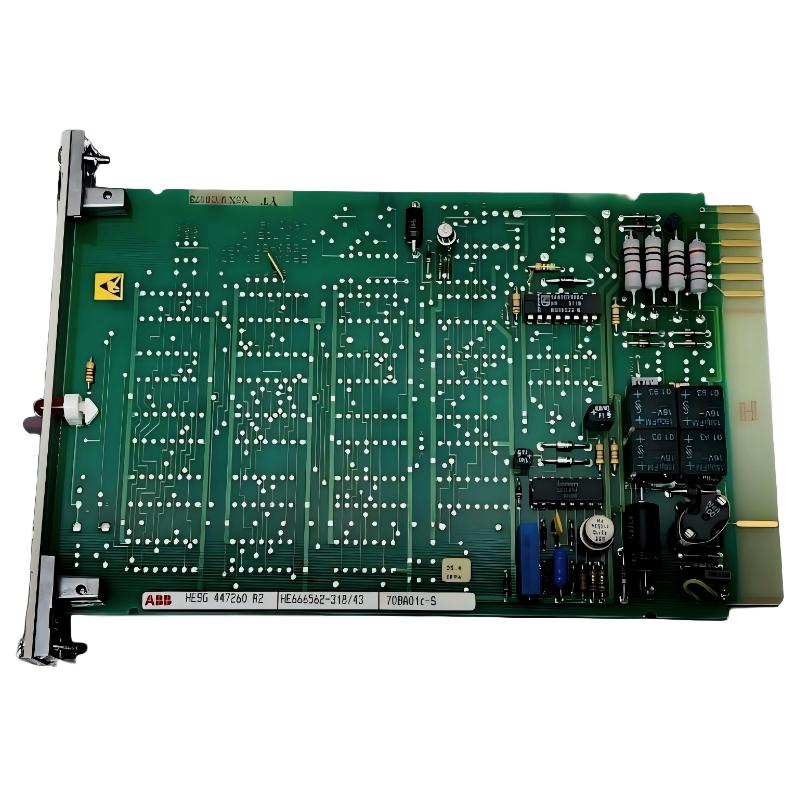 ABB 70BA01C-S HESG447260R2 Bus Terminal Module Troubleshooting Guide
ABB 70BA01C-S HE667102-318 Bus Terminal Module Troubleshooting Guide
ABB 70BA01C-S HESG447260R2 Bus Terminal Module Troubleshooting Guide
ABB 70BA01C-S HE667102-318 Bus Terminal Module Troubleshooting Guide
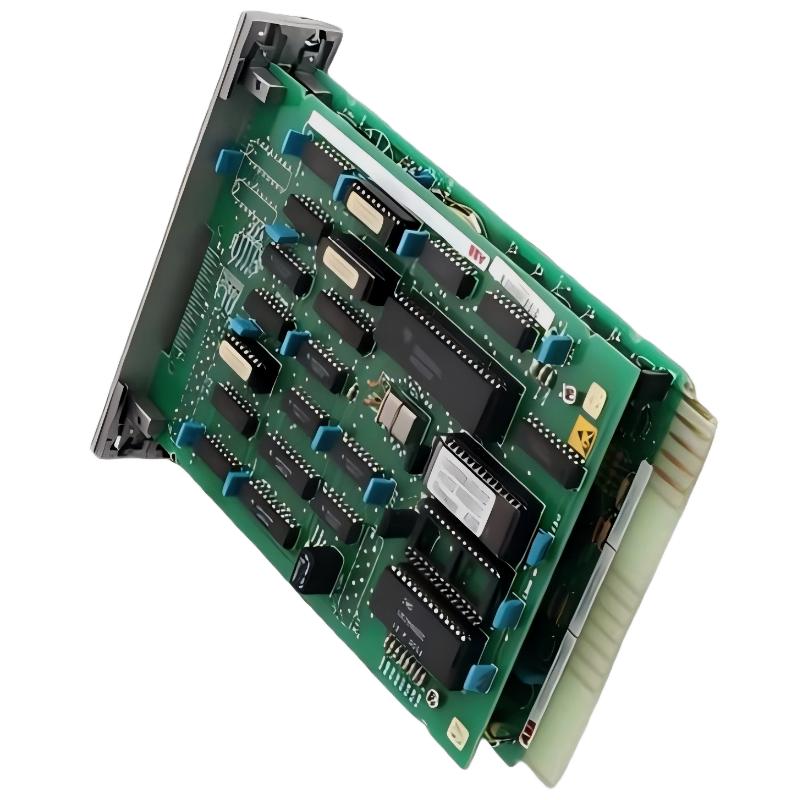 ABB 70BK03B-ES HESG447271R0002 Local Bus Interface Module Troubleshooting Guide
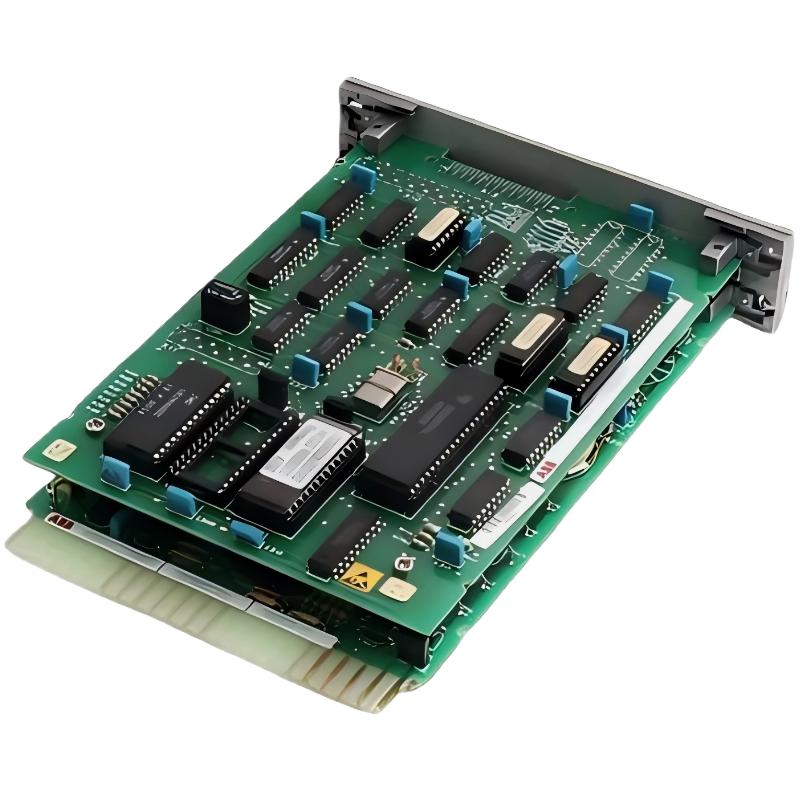 ABB 70BK03b-ES HESG447271R2 Local Bus Interface Module Troubleshooting Guide