100% Original, Ready to Ship!

ABB 07 EA 63 R1 GJV3074353R1 Analog Input Module Troubleshooting Guide
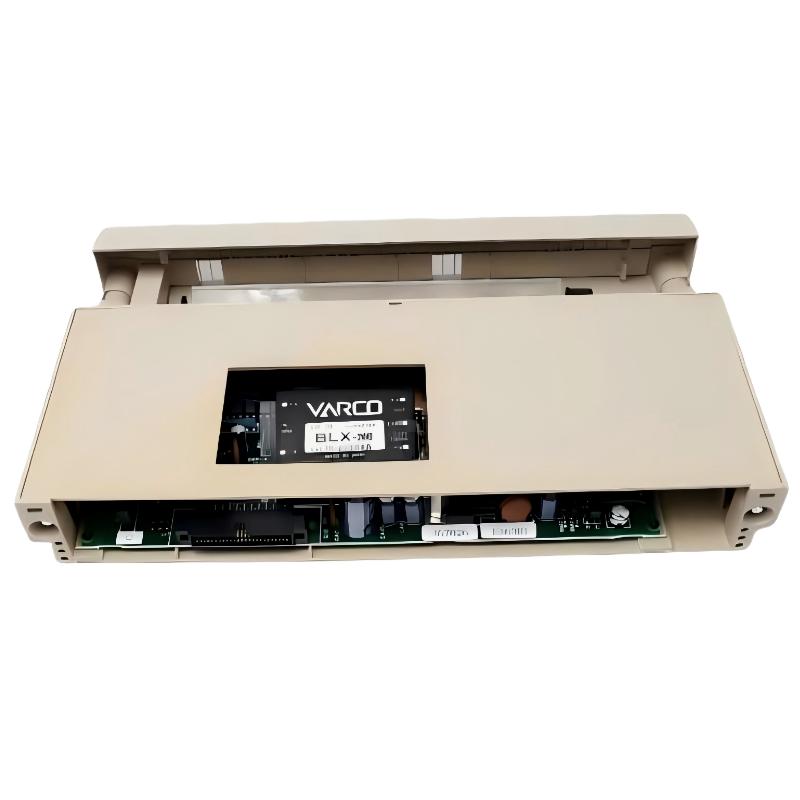
ABB 07EA63R1 analog input failures are most often misdiagnosed as hardware faults, while in real industrial cases over 80% are caused by loop interruption, EMI interference, or incorrect channel configuration.
Table of Contents
- Field Fault Symptoms
- Root Cause Analysis
- Fault Diagnosis Method
- Repair & Recovery Procedure
- Industrial Case Study
- FAQ
- Final Technical Summary
ABB 07EA63R1 PLC Analog Input Fault Symptoms
- Channel reading stuck at 0 mA or 0 V
- Intermittent signal fluctuation (unstable process value)
- Over-range alarm in PLC system
- Mismatch between multimeter and PLC reading
In a refinery monitoring system, operators reported sudden “over range” alarms while field transmitters showed stable 13.8 mA output. This immediately suggested a signal interpretation or loop mismatch issue rather than transmitter failure.
Common Causes of ABB 07EA63R1 Communication Fault
- Broken or high-resistance loop wiring
- Incorrect AI channel mode (current vs voltage)
- Missing 0V reference in loop configuration
- EMI interference from VFD or motor cables
- Incorrect scaling parameters in PLC configuration
Engineering insight: ABB AI modules are sensitive to loop impedance changes. Even a 50–100Ω deviation can distort readings under low-current conditions.
Fault Diagnosis Process (Field-Oriented Method)
Step-by-step diagnostic logic used in real commissioning:
Step 1: Measure loop current using multimeter
Step 2: Verify AI terminal voltage reference
Step 3: Check channel configuration (AI mode)
Step 4: Bypass field device with signal generator
Step 5: Inspect grounding and shielding continuity
In one case, engineers found correct 9 mA signal at transmitter but PLC read zero. The root cause was missing return path on AI COM terminal.
ABB 07EA63R1 Repair & Recovery Strategy
1. Loop Correction
Restore complete current loop path between transmitter and AI channel. Ensure proper reference to 0V or AI COM depending system design.
2. EMI Isolation Fix
If noise is detected, install signal isolator or reroute cables away from VFD lines.
3. Configuration Reset
Recheck PLC hardware settings:
AI Mode = 4–20mA / 0–10V (must match wiring)
Filtering = Enabled (for noisy environment)
Scaling = Recalibrated
Real Field Case Study (Industrial Recovery)
In a power plant turbine monitoring system, ABB 07EA63R1 channels showed persistent “over range” errors. Initial replacement of module did not solve the issue.
After deeper analysis, engineers discovered:
- 24V supply sourced from mixed UPS and grid system
- No common grounding reference between transmitter and AI rack
- Shielded cable improperly terminated
After installing an active isolator and unifying grounding: signal recovered immediately, and readings stabilized at 4–20 mA expected range.
FAQ (Field Engineering Troubleshooting)
Why does ABB 07EA63R1 show correct mA but wrong PLC value?
This indicates scaling or configuration mismatch in PLC software rather than hardware failure.
Can EMI affect analog input accuracy?
Yes. High-frequency noise from drives or motors can induce signal distortion if shielding is poor.
When should the module be replaced?
Only after confirming correct loop wiring, configuration, and external signal integrity.
Final Technical Summary
ABB 07EA63R1 Analog Input Module failures are rarely caused by internal hardware defects. Most issues originate from loop wiring, grounding structure, or configuration mismatch. A systematic diagnostic approach is essential to avoid unnecessary replacement and reduce downtime in industrial systems.
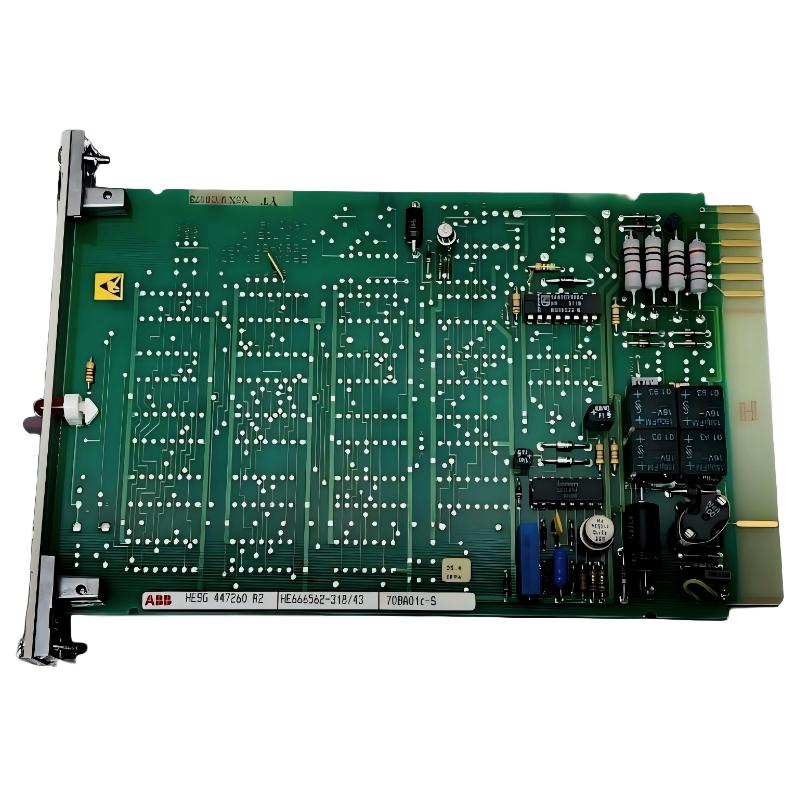 ABB 70BA01C-S HESG447260R2 Bus Terminal Module Troubleshooting Guide
ABB 70BA01C-S HE667102-318 Bus Terminal Module Troubleshooting Guide
ABB 70BA01C-S HESG447260R2 Bus Terminal Module Troubleshooting Guide
ABB 70BA01C-S HE667102-318 Bus Terminal Module Troubleshooting Guide
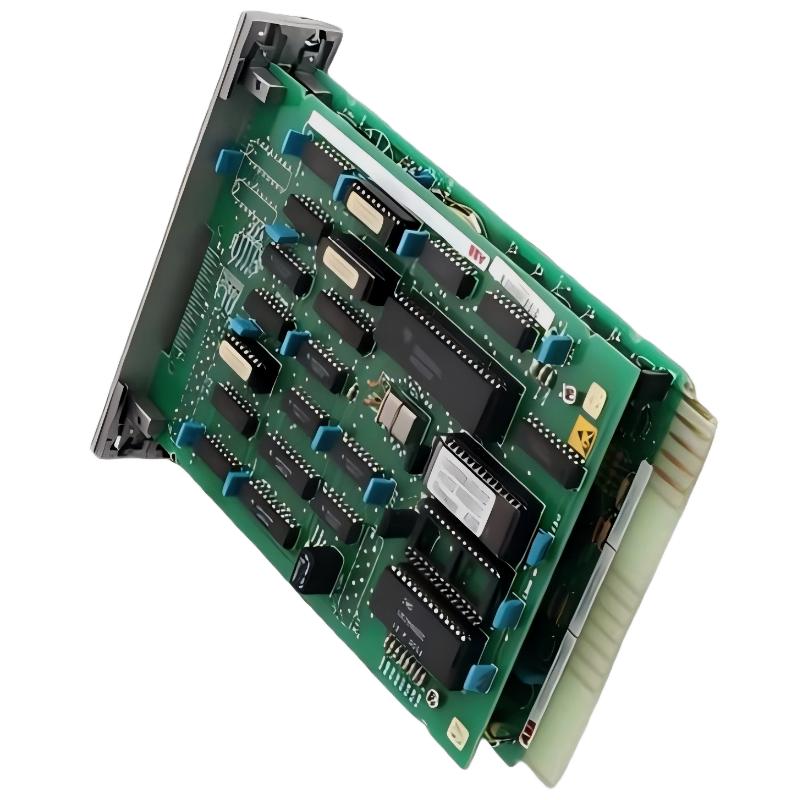 ABB 70BK03B-ES HESG447271R0002 Local Bus Interface Module Troubleshooting Guide
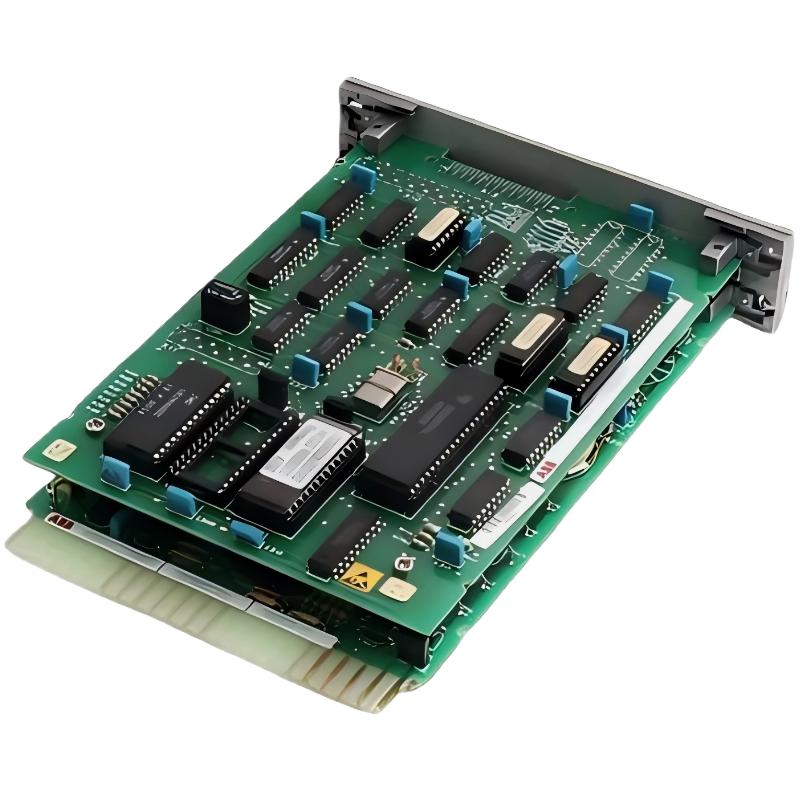 ABB 70BK03b-ES HESG447271R2 Local Bus Interface Module Troubleshooting Guide