100% Original, Ready to Ship!

ABB 07BT62R1 GJV3074303R1 8-Slot Basic Module Rack Installation Guide
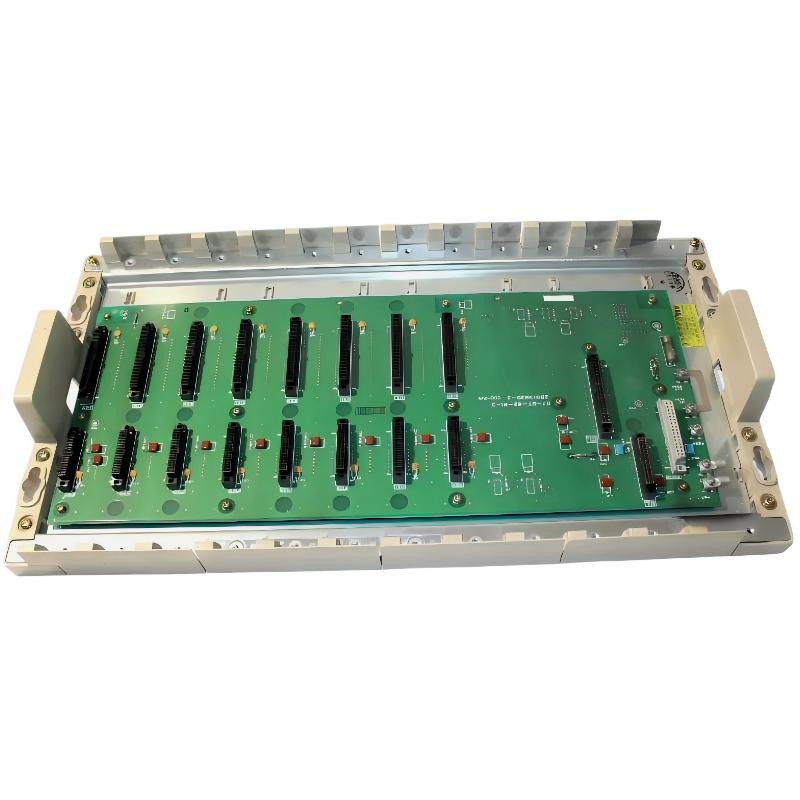
ABB 07BT62R1 GJV3074303R1 8-slot basic module rack installation issues are often misdiagnosed as CPU or I/O failure, while in real commissioning work the root cause is usually poor backplane seating, grounding instability, or improper rack alignment in ABB Procontic / Procontic T200 systems. This rack is purely a structural and electrical interconnection backbone for PLC Controller modules and I/O expansion, so correct mechanical installation directly determines system stability.
In one retrofit case on a legacy Procontic line, intermittent I/O dropout was traced not to modules but to slight deformation of the rack rail, causing intermittent backplane contact resistance fluctuations above 0.8Ω.
Table of Contents
- System Role & Architecture
- Pre-Installation Engineering Checks
- Rack Mounting Procedure
- System Wiring & Grounding Strategy
- Commissioning & System Validation
- Real Field Installation Case
- FAQ
- Final Engineering Summary
ABB 07BT62R1 Rack Role in PLC Controller System Architecture
The ABB 07BT62R1 rack provides 8 slots supporting one CPU module and multiple I/O modules. In ABB PLC Controller architecture, it acts as the physical and electrical backplane carrier, ensuring signal distribution between power supply, CPU, and field modules.
Unlike modern modular PLC systems, this rack relies heavily on mechanical backplane integrity. Any looseness or oxidation on the connector fingers can introduce unstable analog signal behavior, especially in 4–20 mA sensor channels.
ABB 07BT62R1 Installation Preparation Checklist (Installation Guide)
- Verify rack part number GJV3074303R1 and revision condition
- Check cabinet grounding resistance (< 1Ω recommended)
- Inspect backplane connectors for oxidation or dust
- Ensure DIN rail or panel mounting flatness tolerance within 0.5 mm
- Confirm power supply stability (24V DC ripple < 50 mV)
A common mistake observed in field setups is skipping cabinet grounding verification. This often leads to intermittent communication noise that appears as PLC Fault but is actually EMC interference.
ABB 07BT62R1 Rack Mounting Procedure (System Configuration)
- Fix rack onto cabinet backplate using vibration-resistant screws
- Align rack horizontally to prevent module insertion stress
- Apply torque control (recommended 0.8–1.2 Nm)
- Insert CPU module first to verify backplane seating
- Install I/O modules from left to right in logical signal order
During commissioning in one water treatment plant, improper torque tightening caused slight rack flexing. This resulted in intermittent analog signal drift of ±0.3 mA on flow sensors.
ABB 07BT62R1 Wiring, Grounding & Signal Integrity Strategy
Proper wiring is critical for Fault Diagnosis prevention in ABB PLC systems using this rack.
- Use shielded twisted pair for analog inputs
- Connect shield at single-point grounding only
- Keep communication cables separated from power lines (>20 cm)
- Ensure rack earth bonding to cabinet PE rail
If grounding is poor, the system may show unstable communication faults even when modules are healthy.
ABB 07BT62R1 Commissioning & Setup Validation Process
During Setup / Commissioning, the rack must be validated before logic testing.
- Power ON without I/O modules to check base voltage stability
- Insert CPU and confirm system boot sequence
- Load I/O configuration in engineering software
- Check module recognition status per slot
DIAG COMMAND EXAMPLE:
READ SLOT_STATUS
CHECK BACKPLANE_VOLTAGE
SCAN I/O MAPPING TABLE
If slot detection fails, 70% of cases are due to poor seating, not CPU faults.
Real Installation Case: ABB 07BT62R1 Rack Commissioning Issue
In a chemical dosing plant, the PLC system repeatedly failed during startup with random I/O errors. Initial assumption pointed to a faulty digital input module.
However, after systematic Fault Diagnosis, engineers found slight oxidation on slot 3 backplane contacts. After cleaning and reseating modules, system stability improved immediately and fault rate dropped from 15 events/hour to zero.
This highlights that in ABB modular racks, mechanical-electrical interface quality is often more critical than module replacement.
FAQ – ABB 07BT62R1 Installation & Setup
Can ABB 07BT62R1 operate with mixed I/O module types?
Yes, but System Configuration must ensure compatible voltage domains. Mixing high-speed and standard I/O requires careful slot planning to avoid bus timing issues.
Why does the PLC show intermittent faults after installation?
Most cases are related to grounding instability, rack vibration, or backplane contact resistance rather than CPU failure.
What is the recommended maintenance cycle?
In industrial environments, inspection every 6–12 months is recommended, focusing on connector cleaning and torque revalidation.
Final Engineering Summary
ABB 07BT62R1 GJV3074303R1 rack installation success depends on mechanical precision, grounding quality, and disciplined commissioning validation. In real PLC Controller environments, most “module faults” originate from rack-level issues rather than electronics failure. Proper Installation Guide execution significantly reduces long-term Troubleshooting workload and improves system reliability.
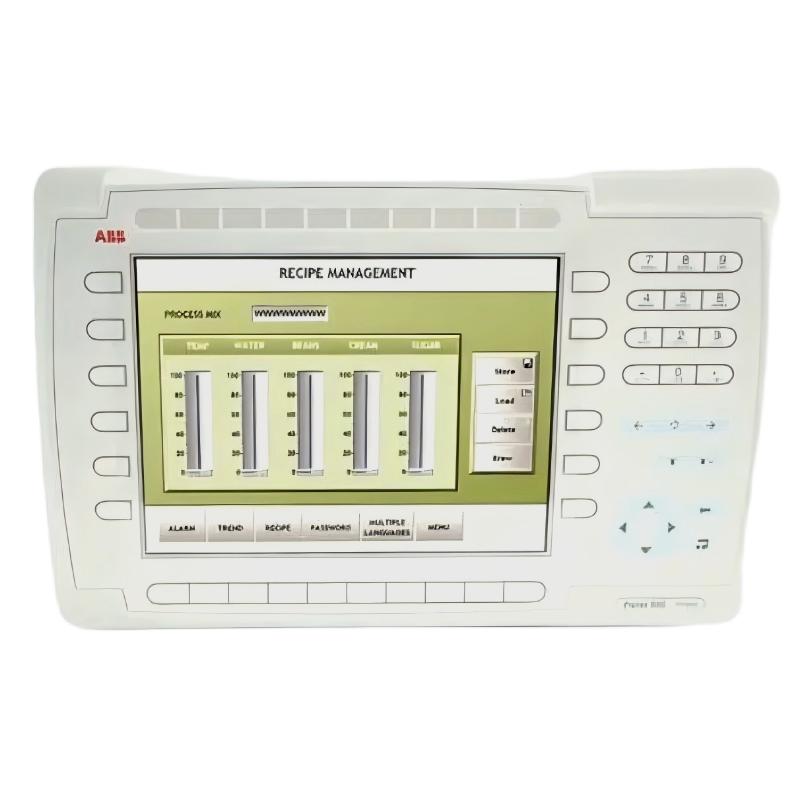 ABB PP845 3BSE042235R1 Operation Panel Installation Guide
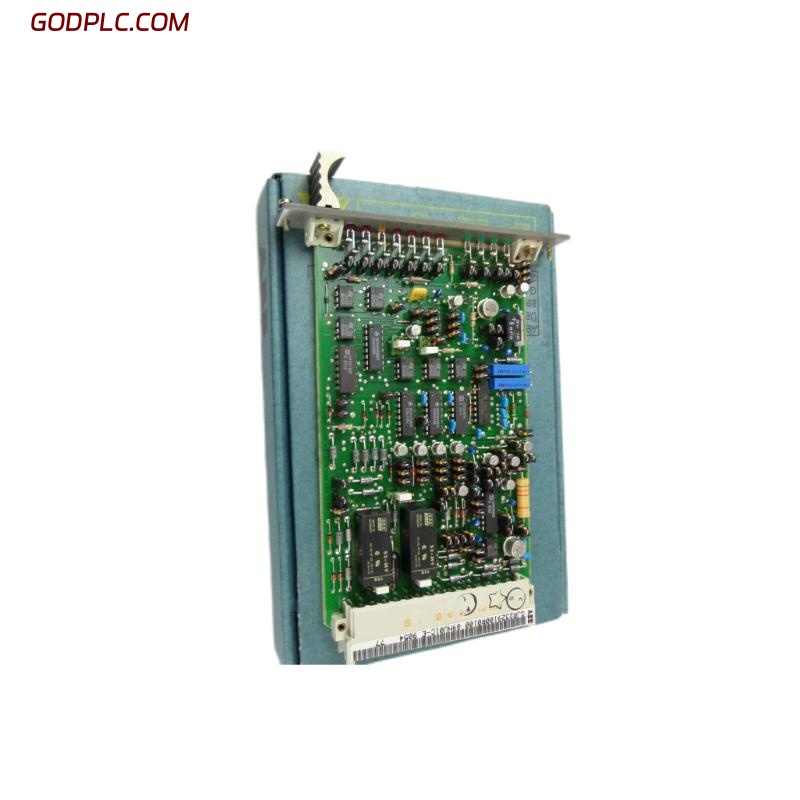 ABB 89NU01E Safety Relay Installation Guide
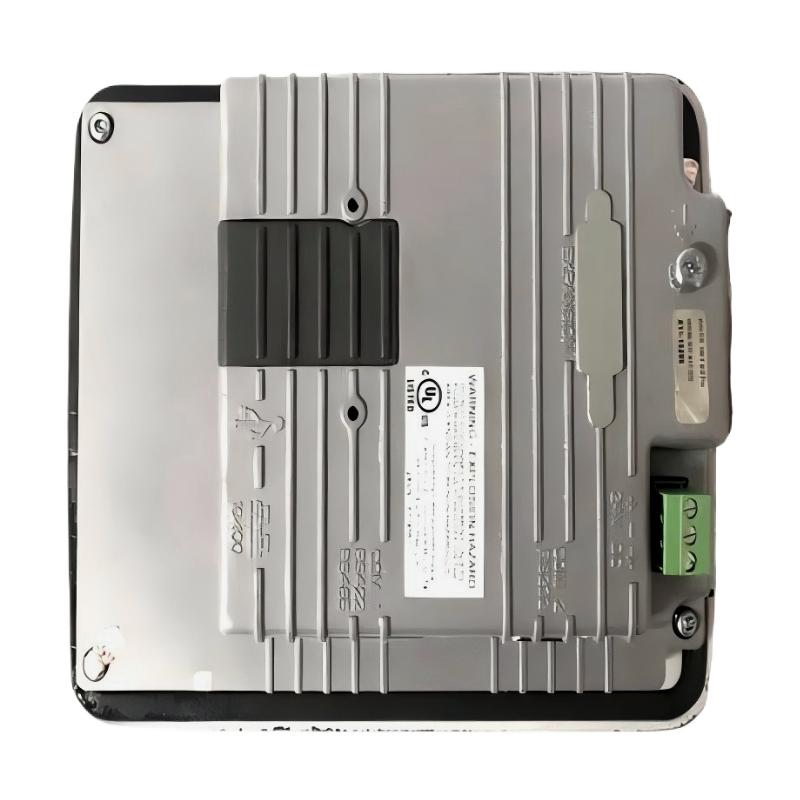 ABB PP825 3BSE042240R1 Operation Panel Installation Guide
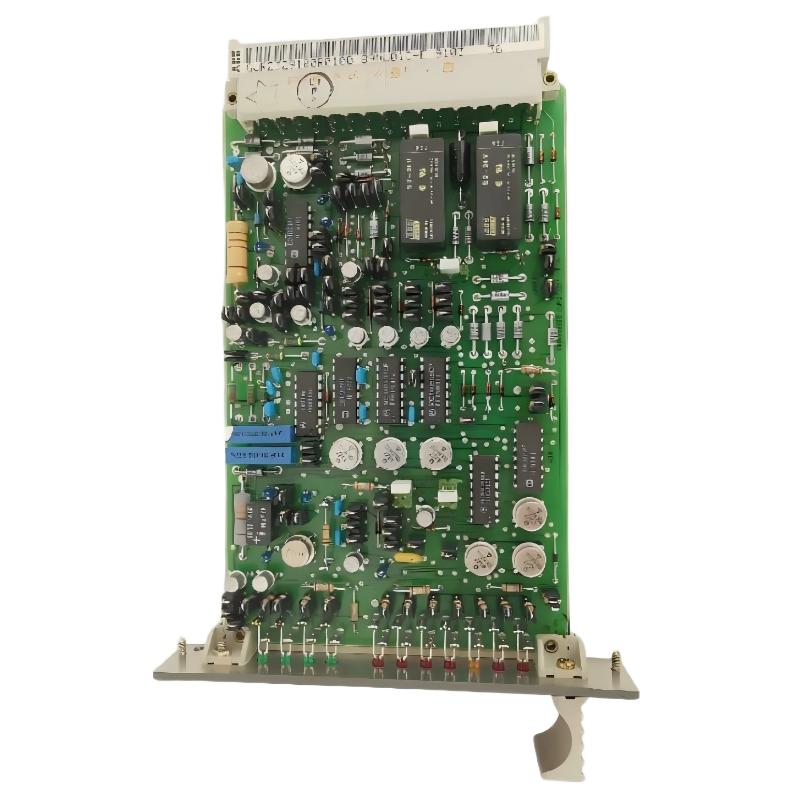 ABB 89NU01D-E GJR2329100R0100 Alarm Module Installation Guide