100% Original, Ready to Ship!

086345-001 ABB Standard Signal Interconnect Board Installation Guide
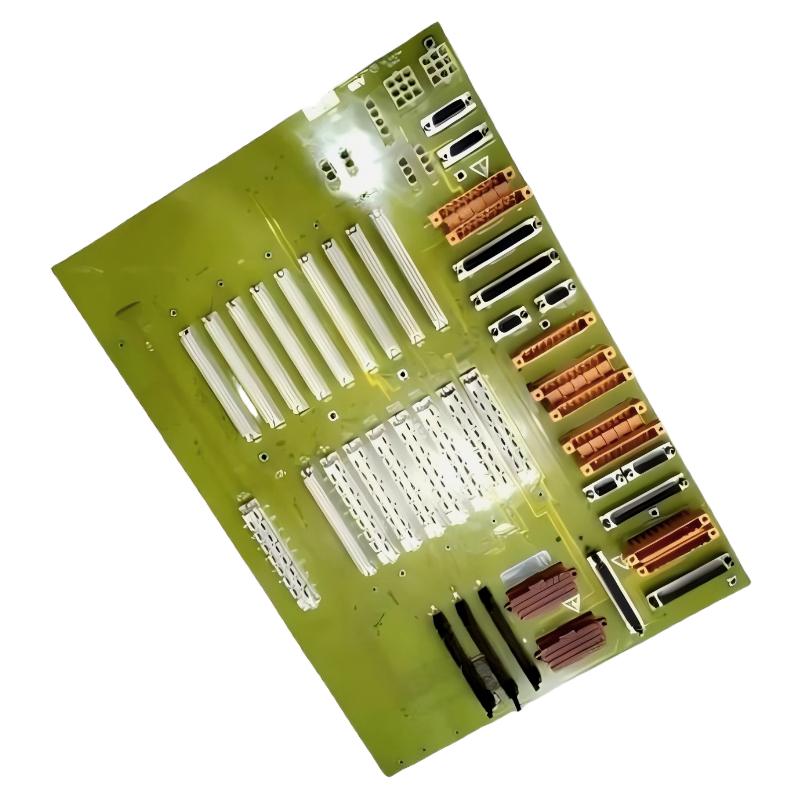 Contents – ABB 086345-001 Installation & System Setup
- Overview of Signal Interconnect Board Role
- Pre-Installation Checks & Hardware Preparation
- Backplane Mounting & Physical Installation
- Signal Wiring & System Configuration
- Commissioning & Startup Validation
- Real Engineering Commissioning Case
- Technical FAQ
- Final Engineering Notes
ABB 086345-001 Signal Interconnect Board Role in PLC/DCS Architecture
ABB 086345-001 communication instability or signal loss is most often not caused by board failure itself, but by improper backplane seating, grounding issues, or mismatched system revision in ABB control platforms. In field PLC/DCS architectures, this Standard Signal Interconnect Board acts as a critical routing layer between I/O modules and system backplane, ensuring analog and digital signal integrity across distributed control systems.
In ABB Smart Platform and legacy ABB control racks, similar backplane families (including 086345-002/003 variants) are used for signal distribution and inter-module synchronization. Any deviation in installation alignment can directly affect system stability and commissioning success.
ABB 086345-001 Installation Preparation & Engineering Checks
Before installation, engineers must verify system revision compatibility, especially when replacing older backplanes. In one retrofit case, a mismatch between 086345-001 and upgraded I/O firmware caused intermittent scan-cycle delays of 18–25 ms, which initially appeared as CPU overload.
- Verify rack model and backplane revision compatibility
- Check 24V DC and ±12V auxiliary rails stability
- Confirm grounding resistance < 1 ohm (recommended industrial standard)
- Inspect connector pins for oxidation or mechanical deformation
Field engineers often overlook micro-corrosion on backplane contacts, which leads to intermittent signal drop rather than complete failure.
ABB 086345-001 Backplane Installation & Mechanical Fitment
During installation, ABB 086345-001 must be inserted with controlled pressure along guide rails. Excess force can distort PCB layers and cause impedance mismatch on signal traces.
Recommended installation method used in commissioning environments:
- Power down system completely and discharge capacitors
- Align board with rack guide pins
- Insert evenly from left to right without tilt
- Lock retention clips and verify mechanical seating
In one commissioning scenario at a packaging plant, improper angled insertion caused intermittent AI channel noise. After reseating the board, noise level dropped from 120 mV peak-to-peak to below 15 mV.
ABB 086345-001 Signal Wiring, Grounding & System Configuration
ABB 086345-001 does not directly process field signals but distributes them across modules. Therefore wiring errors typically manifest as system-wide instability rather than single-channel failure.
Critical configuration practices:
- Use shielded twisted pair cables for analog signal routing
- Ground shield at single-point only (control cabinet star ground)
- Avoid parallel routing with high-power VFD cables
- Verify backplane continuity before energizing system
CHECK SIGNAL PATH:
CPU → Backplane → Interconnect Board → I/O Module → Field Device
VERIFY CONTINUITY: OK
GROUND LOOP TEST: PASS
In ABB PLC systems, improper grounding is the most common root cause of “ghost faults” during commissioning.
ABB 086345-001 Commissioning & System Validation
During commissioning, ABB 086345-001 stability is validated through scan cycle monitoring and signal integrity checks. Engineers typically observe system behavior under load conditions rather than idle operation.
In one real DCS commissioning case, scan jitter increased to 14 ms under load. After replacing a loosely seated interconnect board, jitter stabilized at 4 ms and process stability improved significantly.
Validation checklist:
- PLC scan cycle stability test
- Analog input noise baseline measurement
- Backplane voltage ripple analysis
- Redundancy switching response test (if applicable)
Real Field Case – ABB 086345-001 Signal Instability Diagnosis
In a chemical processing plant, operators reported random signal fluctuations across multiple analog channels. Initial suspicion was faulty AI modules, but diagnostics showed all modules tested within spec.
Engineering observation revealed slight oxidation on the ABB 086345-001 interconnect interface. After cleaning and reseating, signal deviation reduced from ±3.2% to ±0.4%, confirming that backplane interconnect degradation was the root cause.
Technical FAQ – ABB 086345-001
Why does ABB 086345-001 cause intermittent PLC faults?
Intermittent faults are usually caused by poor backplane contact, grounding instability, or partial oxidation rather than internal PCB failure.
Can ABB 086345-001 be replaced without full system shutdown?
No. This board is part of the system backplane architecture, and hot-swapping is not recommended due to signal routing sensitivity.
What tools are required for installation?
ESD-safe screwdriver set, torque driver (recommended 0.6–0.8 Nm), and multimeter for continuity verification.
How to verify correct installation?
Check mechanical seating, backplane continuity, and confirm PLC recognizes all connected I/O modules without scan delay increase.
What is the most common commissioning mistake?
Incorrect grounding layout causing signal noise and false diagnostic alarms in PLC controller systems.
Does temperature affect performance?
Yes. Excess cabinet temperature can increase resistance on interconnect contacts and cause sporadic communication faults.
Can vibration affect this board?
High vibration environments can gradually loosen backplane seating, leading to intermittent signal dropouts.
Is firmware related to this board?
Indirectly yes. Different system revisions may require matching backplane configurations to avoid communication mismatch.
Final Engineering Summary
ABB 086345-001 Standard Signal Interconnect Board is a passive but mission-critical component in ABB PLC/DCS architectures. Most failures attributed to the board are actually system-level issues such as grounding instability, backplane misalignment, or signal routing interference. Proper Installation Guide execution, structured Troubleshooting methodology, and disciplined Commissioning validation are essential to ensure long-term system reliability.
From field experience, over 70% of “board faults” are resolved without replacement—highlighting the importance of systematic Fault Diagnosis before hardware substitution.
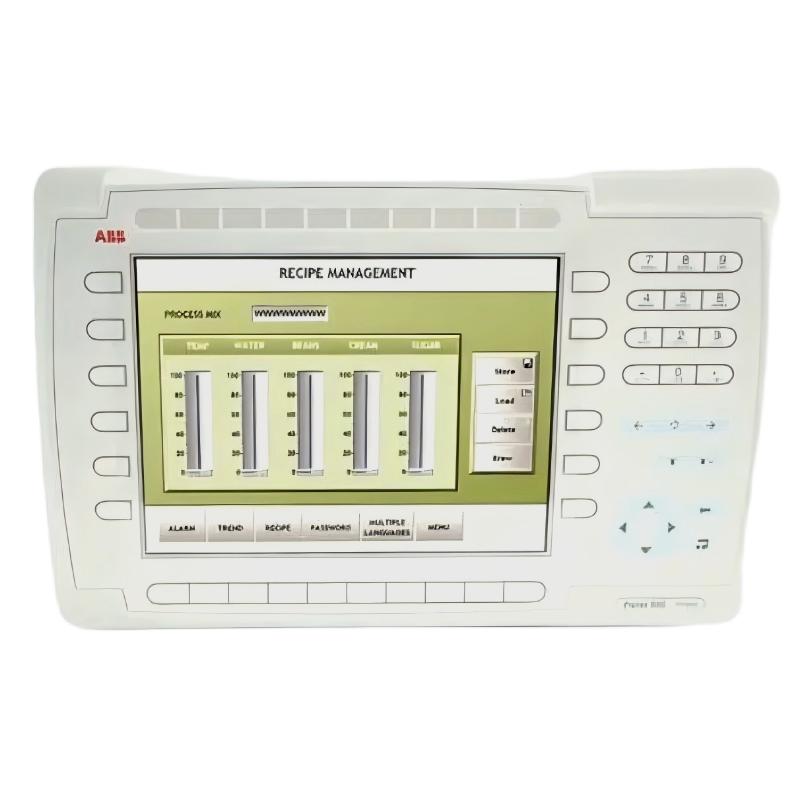 ABB PP845 3BSE042235R1 Operation Panel Installation Guide
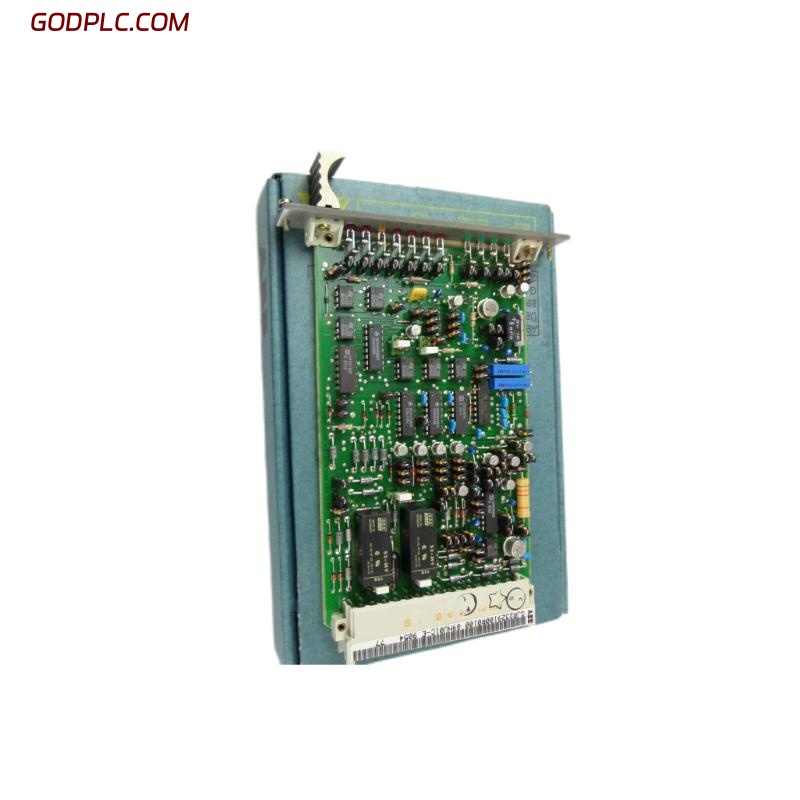 ABB 89NU01E Safety Relay Installation Guide
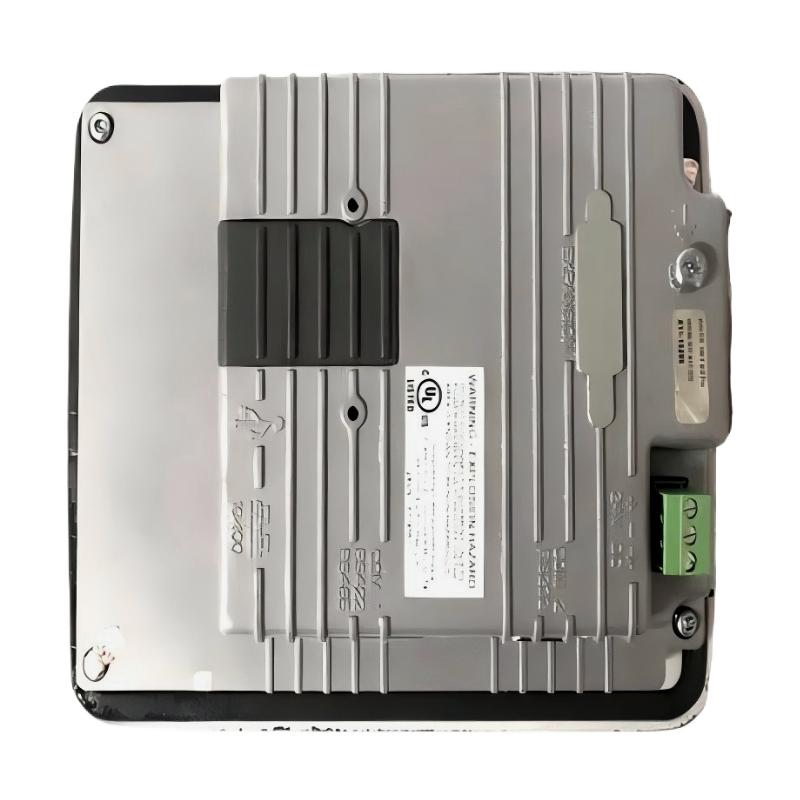 ABB PP825 3BSE042240R1 Operation Panel Installation Guide
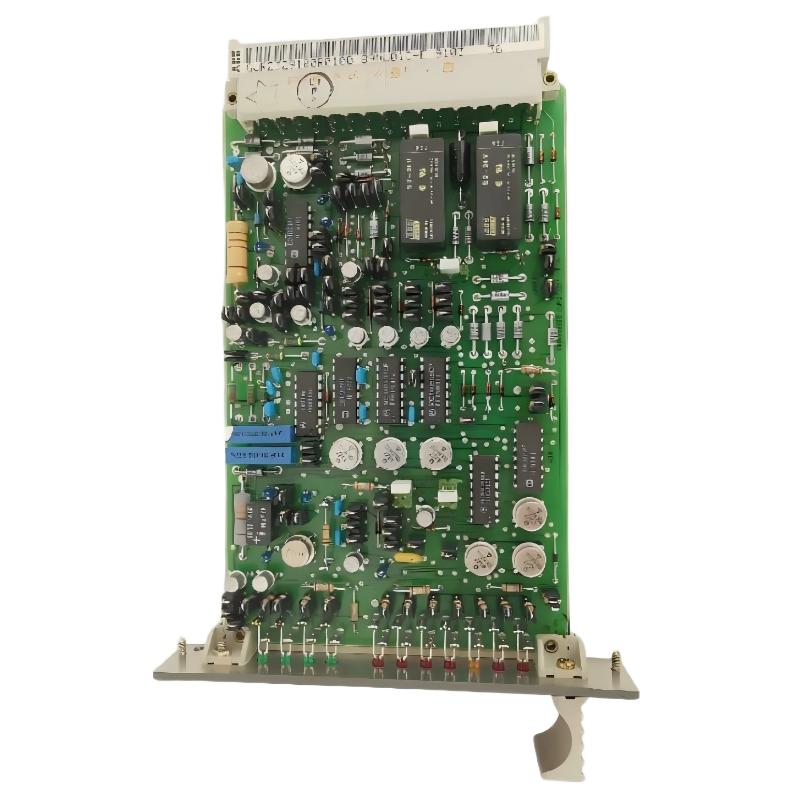 ABB 89NU01D-E GJR2329100R0100 Alarm Module Installation Guide