100% Original, Ready to Ship!

Software-Defined Automation Is Reshaping The Future Of PLC And DCS Systems
Software-defined automation is becoming one of the most significant trends in the industrial automation industry. Leading automation companies are increasingly developing architectures that separate automation software from dedicated hardware, creating more flexible and scalable environments for PLC and DCS applications.
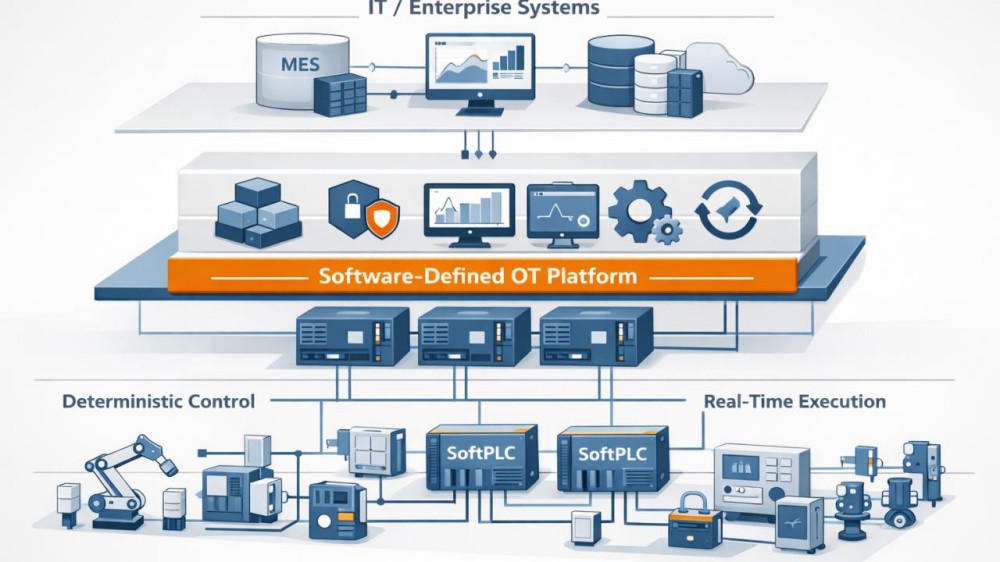
Traditional DCS architectures often depend heavily on dedicated controllers, I/O hardware and proprietary engineering environments. These systems provide high reliability and availability, but modernization can become challenging when hardware reaches the end of its lifecycle.
Software-defined automation aims to address this challenge by allowing control applications to operate across more flexible computing environments. Depending on the application, automation software can potentially run on industrial computers, edge devices, servers or other standardized computing platforms.
This concept is also highly relevant to PLC technology. Instead of viewing a PLC only as a dedicated hardware controller, software-defined control introduces a more flexible approach in which automation applications can be separated from specific hardware platforms.
Industrial cybersecurity is another major factor behind this transformation. Modern factories increasingly connect operational technology with enterprise networks, cloud platforms, analytics systems and remote services. Automation architectures therefore need to provide both connectivity and strong cybersecurity protection.
The transition toward software-defined automation does not mean that traditional PLCs or DCS systems will disappear. Existing PLCs, DCS controllers, remote I/O systems and field devices will continue to play critical roles in industrial facilities. Instead, software-defined technologies are creating new ways to integrate legacy automation equipment with modern software, data and AI platforms.
For manufacturers planning automation upgrades, this approach can provide greater flexibility for system expansion and modernization. It also creates opportunities for automation suppliers and system integrators to develop solutions that connect legacy PLC and DCS equipment with next-generation industrial software.
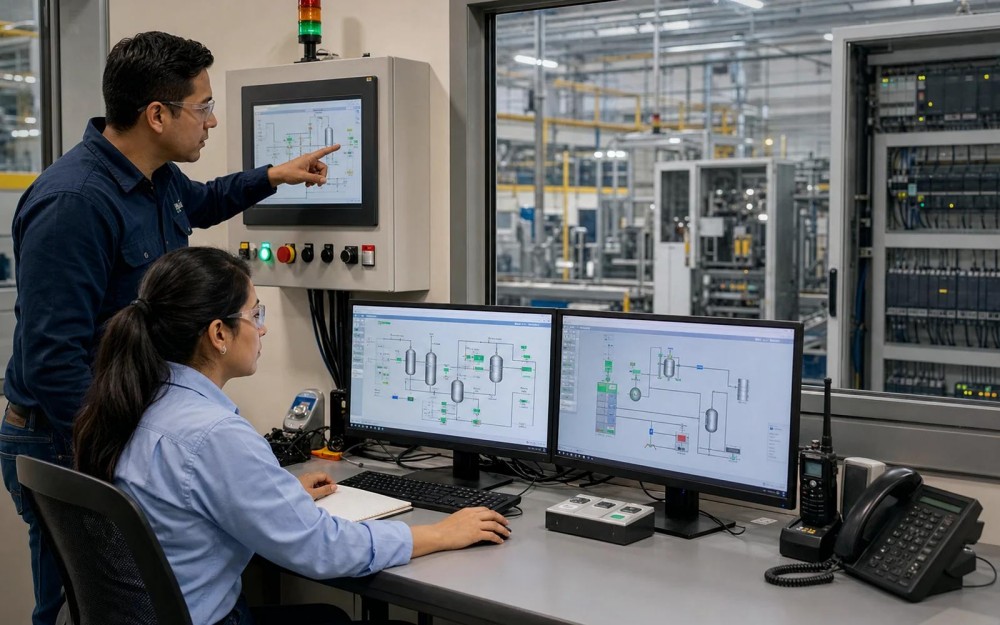
As factories face aging control systems, increasing cybersecurity requirements and growing demand for AI-driven optimization, software-defined automation is expected to become an increasingly important technology direction for future PLC, DCS and industrial control systems.
 Rockwell Automation Expands Industrial AI Capabilities With NVIDIA Nemotron Support
 Rockwell Automation Introduces FactoryTalk Conductor To Advance AI-Driven Industrial Automation
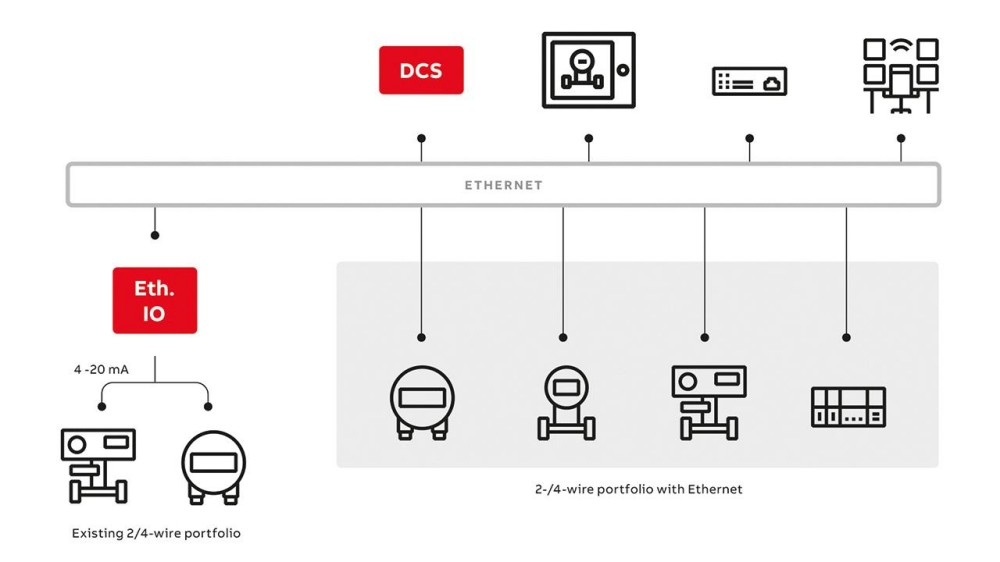 ABB And Boliden Advance DCS Modernization With Ethernet-APL Industrial Automation
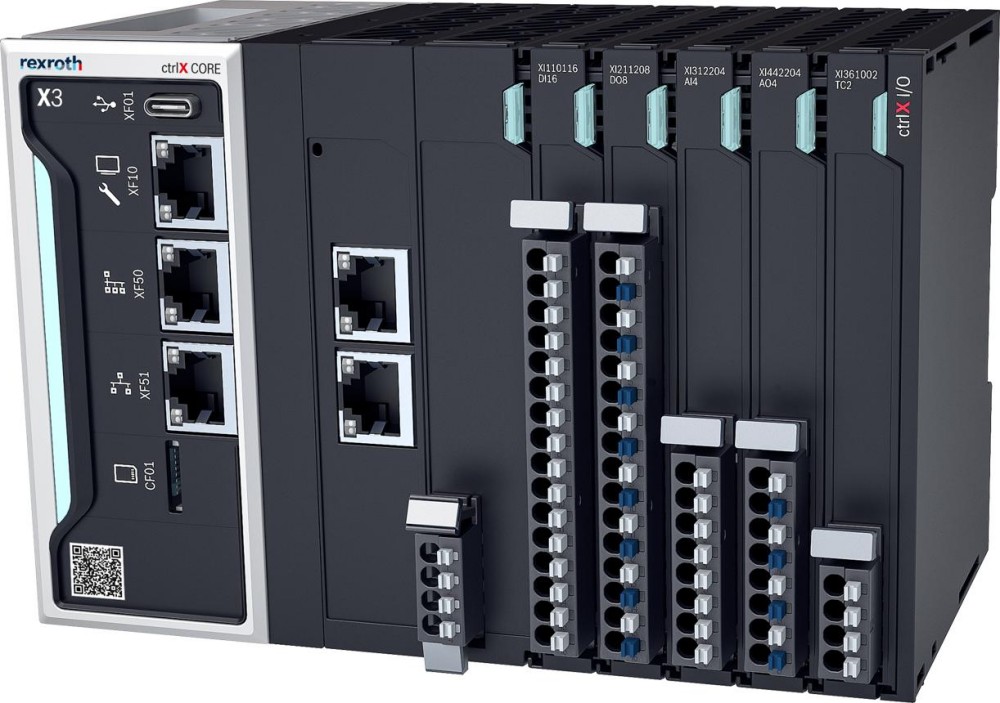 Bosch Rexroth Expands ctrlX AUTOMATION With New Safety PLC, Drive And Software Features