100% Original, Ready to Ship!

Schneider Electric Introduces Software-Defined DCS To Modernize Process Automation
Schneider Electric has announced EcoStruxure Foxboro Software Defined Automation (SDA), a software-defined distributed control system (DCS) designed to help process industries modernize their automation infrastructure while maintaining operational continuity. The announcement focuses on open architecture, cybersecurity, interoperability, and a more flexible approach to industrial control.
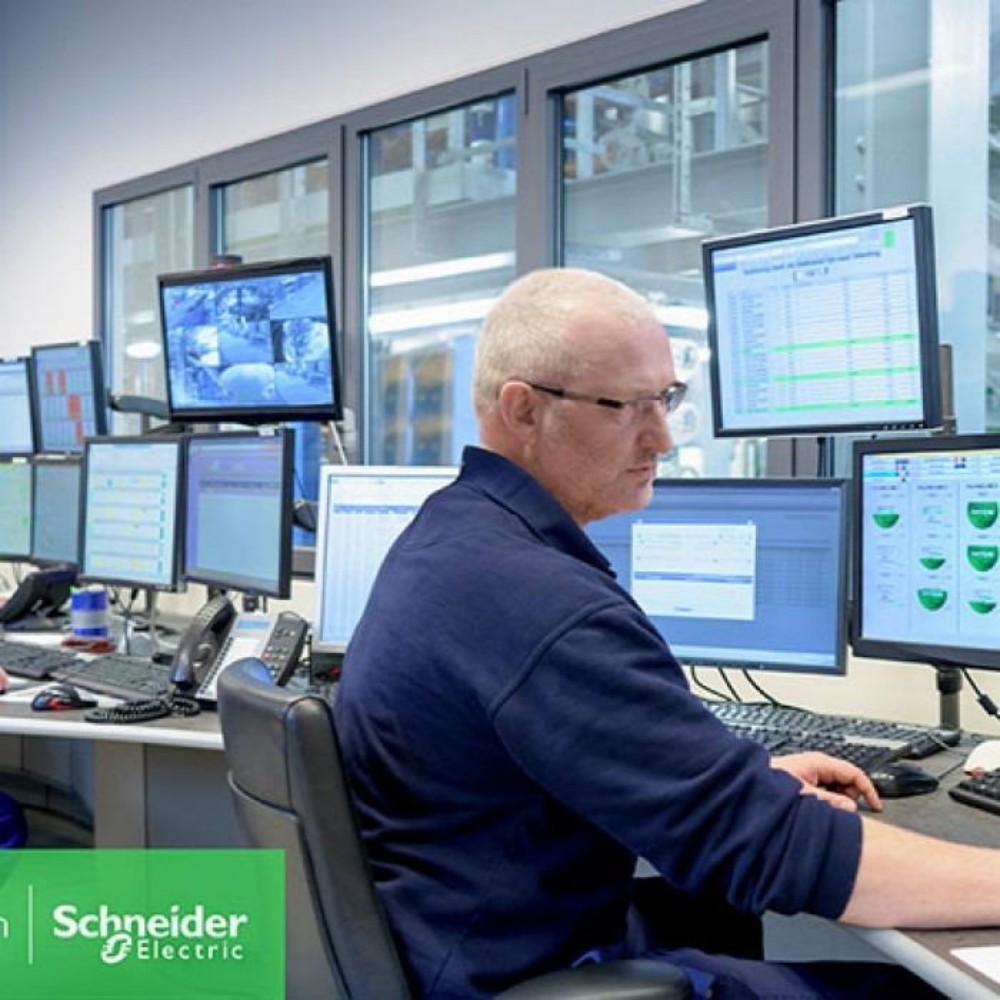
Distributed control systems are widely used in industries such as chemicals, energy, pharmaceuticals, and other process-intensive manufacturing environments. These facilities often operate continuously and depend on reliable control of temperature, pressure, flow, level, and other critical process variables. Replacing an established DCS can be costly and complex, particularly when production interruptions must be minimized.
Moving Toward Software-Defined Process Control
Traditional DCS architectures tightly connect control software with specific hardware platforms. A software-defined approach aims to separate more of the software layer from the underlying hardware, allowing automation functions to be deployed and managed with greater flexibility.
Schneider Electric describes Foxboro SDA as an open architecture powered by EcoStruxure Automation Expert. The company says the approach is designed to support interoperability, scalable configurations, and modernization while helping customers protect existing investments.
For industrial operators, this direction could make it easier to plan upgrades in stages instead of replacing an entire control environment at once. However, the practical benefits depend on the installed system, supported hardware, application requirements, and the engineering work needed to validate a migration.
Cybersecurity and IT/OT Integration
Cybersecurity is a central consideration as industrial control networks become more connected to enterprise systems and digital applications. Schneider Electric states that Foxboro SDA incorporates secure-by-design principles and alignment with IEC 62443-3-3 requirements.
For plant operators, a secure architecture must be supported by disciplined implementation. Network segmentation, access control, secure configuration, vulnerability management, backups, and tested recovery procedures remain important elements of a defense-in-depth strategy.
The system is also positioned to support information exchange between operational technology (OT) and information technology (IT). This connection can help engineers and managers use production data for analytics, maintenance planning, and operational decision-making. At the same time, organizations need to ensure that connectivity does not compromise real-time control or introduce unnecessary cyber risk.
Implications for DCS and PLC Projects
The announcement is relevant to engineering teams responsible for legacy DCS migration, new process plants, and long-term automation planning. Before selecting a new platform, buyers should review controller compatibility, I/O migration options, communications protocols, redundancy, engineering tools, lifecycle support, and the availability of qualified system integrators.
PLC-based machine control and DCS-based process control serve different but sometimes overlapping roles. A modern plant may use PLCs for packaged equipment and high-speed machine sequences while relying on a DCS for continuous process regulation, alarms, operator interfaces, and plant-wide coordination. Any modernization strategy should define these responsibilities clearly.
Planning a Future-Ready Automation Architecture
Software-defined control does not remove the need for robust engineering, commissioning, and process validation. Instead, it introduces another way to consider how control applications are deployed and maintained throughout a facility’s lifecycle.
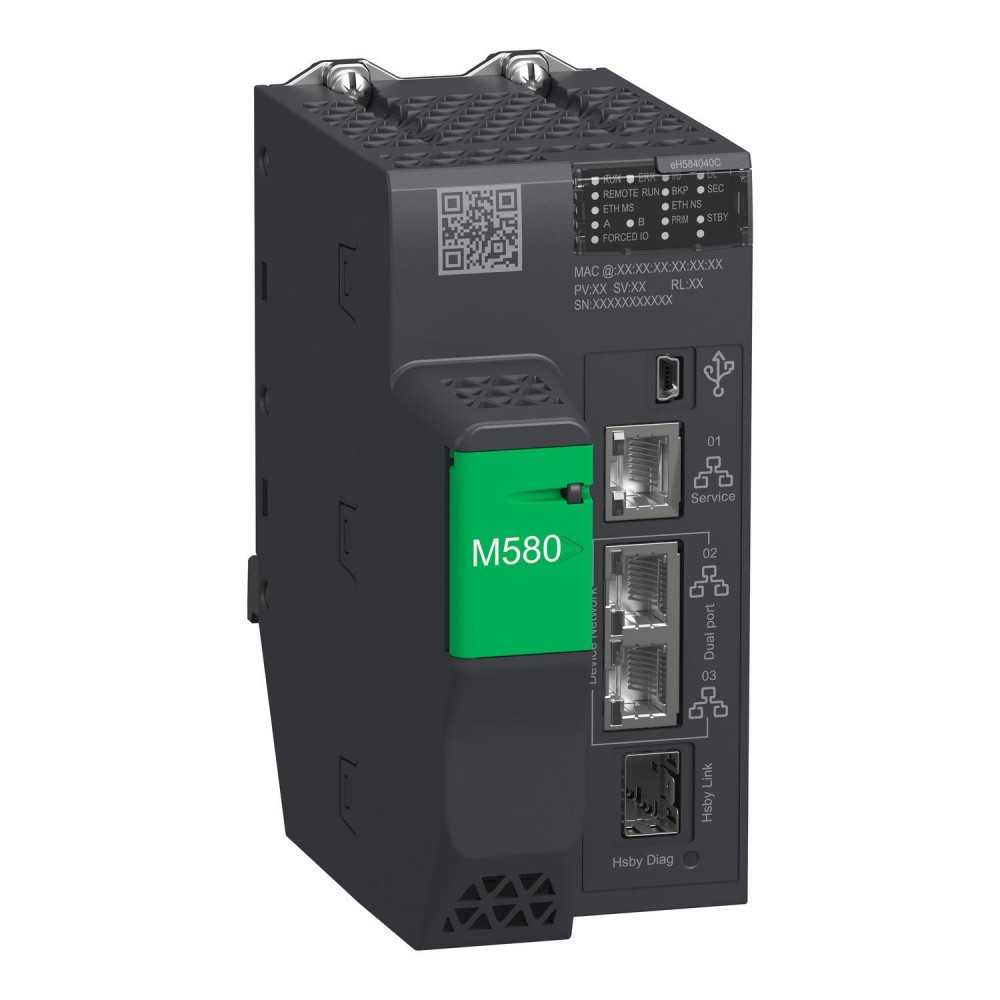
For operators seeking to improve flexibility without unnecessary disruption, open architecture and staged modernization are important topics to evaluate. The most suitable approach will depend on reliability targets, regulatory obligations, cybersecurity policies, and the condition of existing equipment.
As industrial facilities invest in digital transformation, software-defined DCS technology is becoming a significant development to watch across process automation.
 Rockwell Automation Expands Industrial AI Capabilities With NVIDIA Nemotron Support
 Rockwell Automation Introduces FactoryTalk Conductor To Advance AI-Driven Industrial Automation
 ABB And Boliden Advance DCS Modernization With Ethernet-APL Industrial Automation
 Bosch Rexroth Expands ctrlX AUTOMATION With New Safety PLC, Drive And Software Features