100% Original, Ready to Ship!

ABB Advances Its Automation Extended Strategy For DCS Modernization
ABB has introduced its Automation Extended program, a strategic development for its distributed control system (DCS) business that aims to help industrial operators modernize their automation infrastructure while preserving existing investments. The program emphasizes an open, modular automation ecosystem and a gradual path toward adopting digital technologies, including analytics, artificial intelligence (AI), and the Industrial Internet of Things (IIoT).
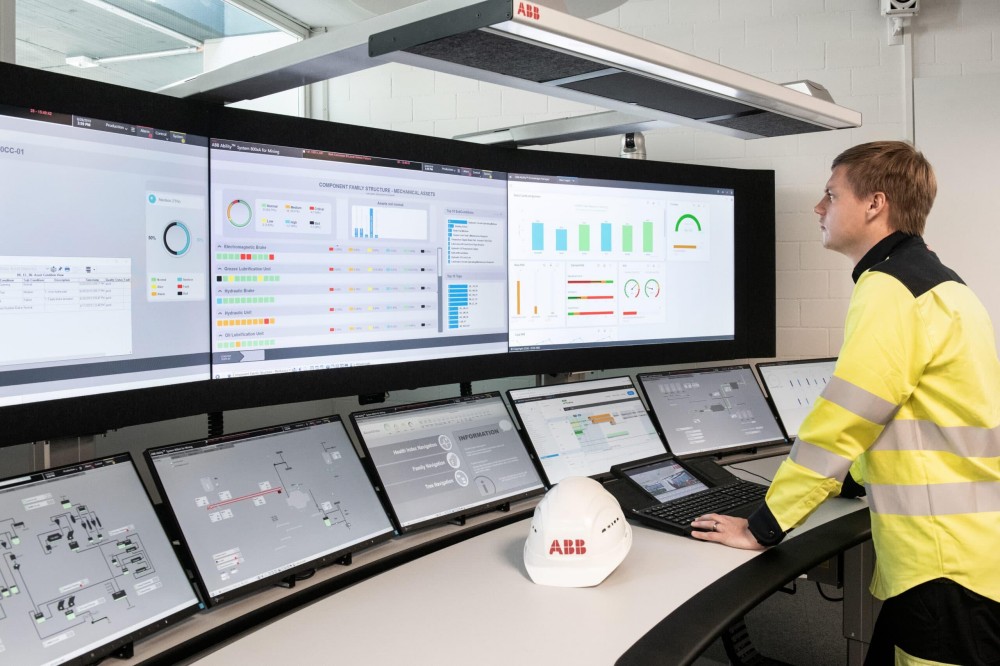
For process manufacturers, the challenge is not simply adding new technology. Many facilities rely on control systems that have operated for years and support production processes where downtime can be expensive. Modernization must therefore balance innovation with operational stability, system availability, and lifecycle management.
Modernization Without Disrupting Core Control
ABB’s Automation Extended strategy is designed around the principle that digital capabilities can be introduced progressively without requiring unnecessary changes to mission-critical control functions. The company describes an architecture that separates core control responsibilities from additional digital applications.
This approach is relevant to facilities operating complex process control environments, including energy, chemicals, mining, and other industrial sectors. Operators may want to introduce improved analytics or new data services while retaining established control strategies and validated production processes.
A phased approach can also help engineering teams prioritize upgrades according to business needs. Instead of attempting a complete system replacement in one project, a plant may evaluate individual areas such as asset monitoring, engineering workflows, data connectivity, or predictive maintenance.
Actual implementation options depend on the installed ABB system, supported product versions, application requirements, and the relevant migration plan.
Connecting DCS Infrastructure with Industrial Data
Industrial plants generate large volumes of information through controllers, remote I/O, instruments, drives, and supervisory systems. When this information is properly contextualized, it can support equipment condition monitoring, process optimization, maintenance planning, and performance analysis.
ABB’s strategy highlights an automation ecosystem intended to accommodate advanced analytics, AI, and IoT capabilities. These technologies can help identify patterns that are difficult to detect through traditional monitoring alone. For example, historical process data may help engineers investigate recurring equipment deviations or recognize changes that deserve further inspection.
However, analytics should complement rather than replace sound control engineering. Process interlocks, deterministic control logic, safety instrumented functions, and established operating procedures must continue to meet the requirements of the specific application.
Why Open and Modular Architecture Matters
Open and modular automation can provide industrial users with more options for integrating new applications over time. It may also help organizations plan around changing operational needs, technology lifecycles, and data requirements.
For project owners and system integrators, architecture decisions should include compatibility with installed controllers and I/O, communications standards, redundancy requirements, engineering software, cybersecurity controls, and vendor support. A proposed modernization path should be validated against the real plant configuration rather than assumed to be universally compatible.
Cybersecurity must also remain part of the design. Connecting operational systems to analytics platforms and enterprise networks requires appropriate access controls, segmentation, monitoring, patch management, and tested recovery procedures.
What It Means for Industrial Automation Buyers
ABB’s Automation Extended program reflects a wider industry focus on modernizing established DCS installations without creating unnecessary operational risk. It also illustrates the growing importance of connecting reliable process control with digital tools that can improve visibility and support better decisions.
For manufacturers planning a DCS upgrade, the first step is to assess the current system, identify operational priorities, and determine which improvements can be implemented with the least disruption. A staged roadmap can help align technical changes with maintenance schedules, investment plans, and long-term production goals.
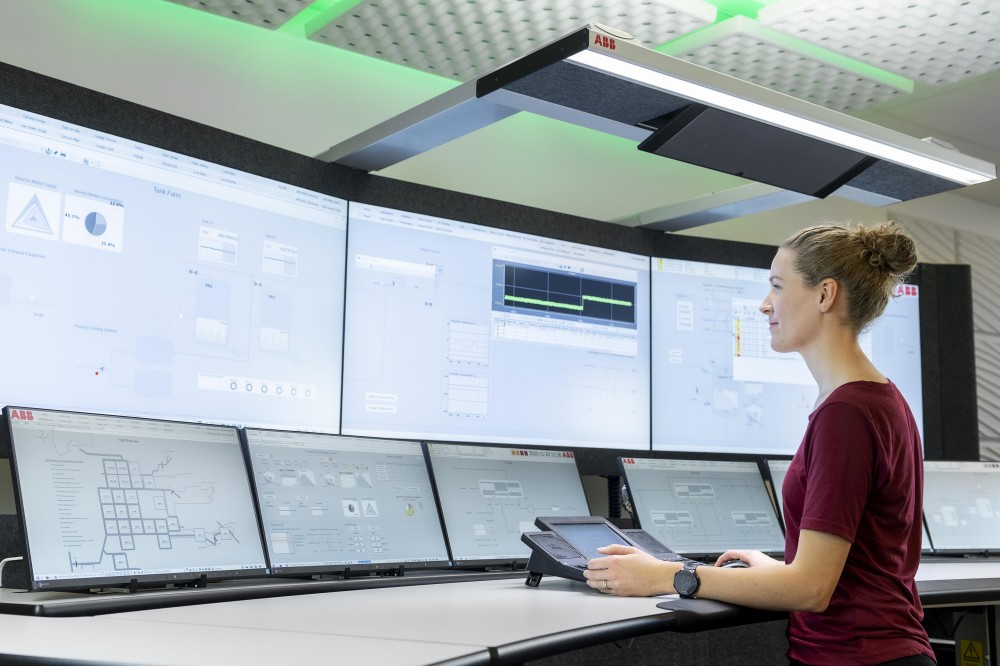
As industrial automation continues to evolve, the ability to extend existing control systems with digital capabilities is likely to remain an important consideration for process industries.
 Rockwell Automation Expands Industrial AI Capabilities With NVIDIA Nemotron Support
 Rockwell Automation Introduces FactoryTalk Conductor To Advance AI-Driven Industrial Automation
 ABB And Boliden Advance DCS Modernization With Ethernet-APL Industrial Automation
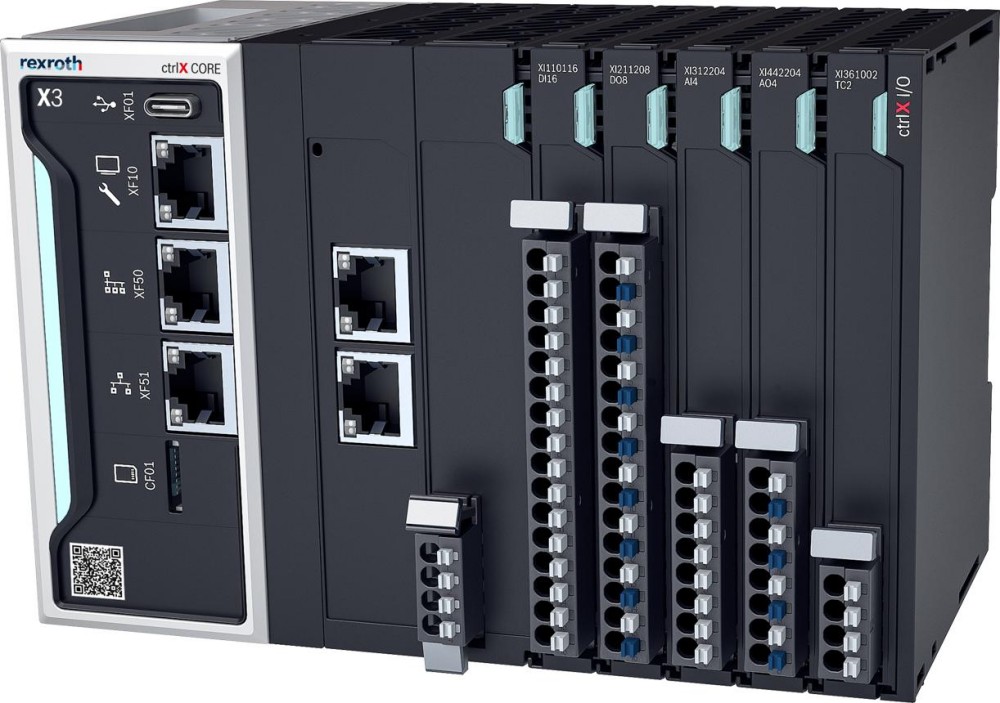 Bosch Rexroth Expands ctrlX AUTOMATION With New Safety PLC, Drive And Software Features