100% Original, Ready to Ship!

Honeywell Tianjin Factory Energy Decarbonization Management And Performance Analysis
The two Tianjin factories are continuously advancing their “green factory” transformation across multiple dimensions, including land-use efficiency, non-hazardous raw materials, clean production processes, waste recycling, and energy decarbonization, forming a systematic sustainable manufacturing model.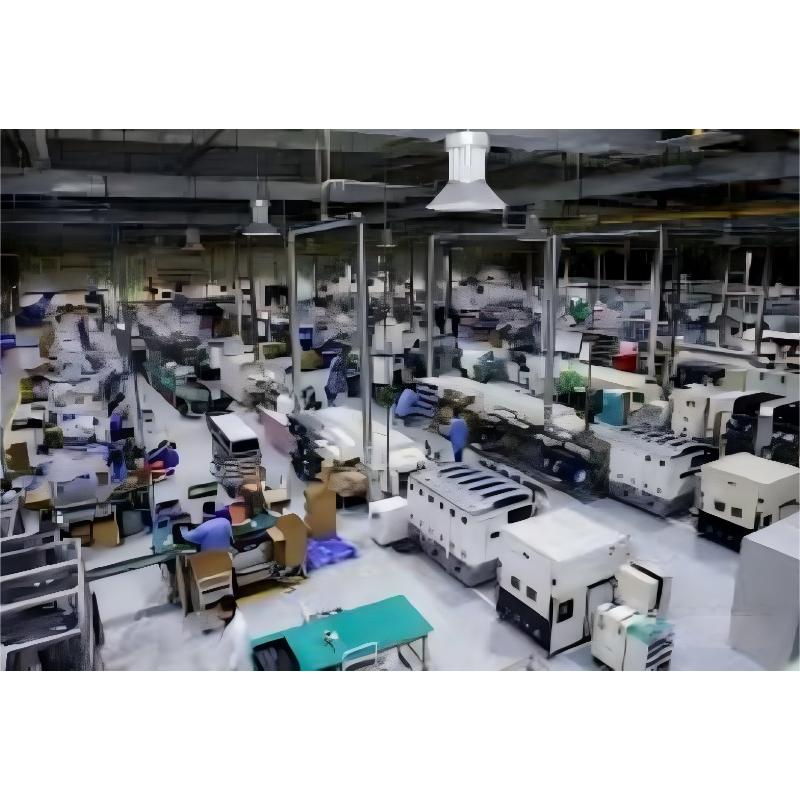
In the area of energy decarbonization, the factories have implemented a Smart Building Energy Management System (BeMS). Through sensors deployed across the facilities, the system collects real-time data on water, electricity, and heating/cooling energy flows, and uploads them for centralized monitoring and analysis. It enables dynamic tracking of energy consumption, identifies inefficient equipment and energy waste, and provides optimization recommendations to improve energy efficiency and reduce operating costs.
After adopting the system, the Tianjin factories reduced electricity consumption by approximately 122,800 kWh compared with the previous year, representing a 5% year-on-year decrease. This reduction is equivalent to cutting around 86 tons of carbon dioxide emissions, demonstrating the tangible impact of digital energy management on carbon reduction.
In addition to intelligent energy monitoring, the factories have carried out targeted upgrades in several key areas, including smart lighting systems, intelligent power outlets, HVAC optimization, rainwater harvesting systems, and water-saving equipment. These measures collectively reduce resource waste and improve overall operational sustainability.
Across the full lifecycle—from R&D and production to delivery—the factories continue to optimize product design and manufacturing processes. While maintaining product quality and performance, they minimize raw material consumption and strengthen energy efficiency through process innovation and refined management.
Through integrated technological upgrades and operational optimization, the Tianjin factories are building a comprehensive green manufacturing system covering energy monitoring, process control, and resource recycling, providing a practical model for industrial decarbonization.
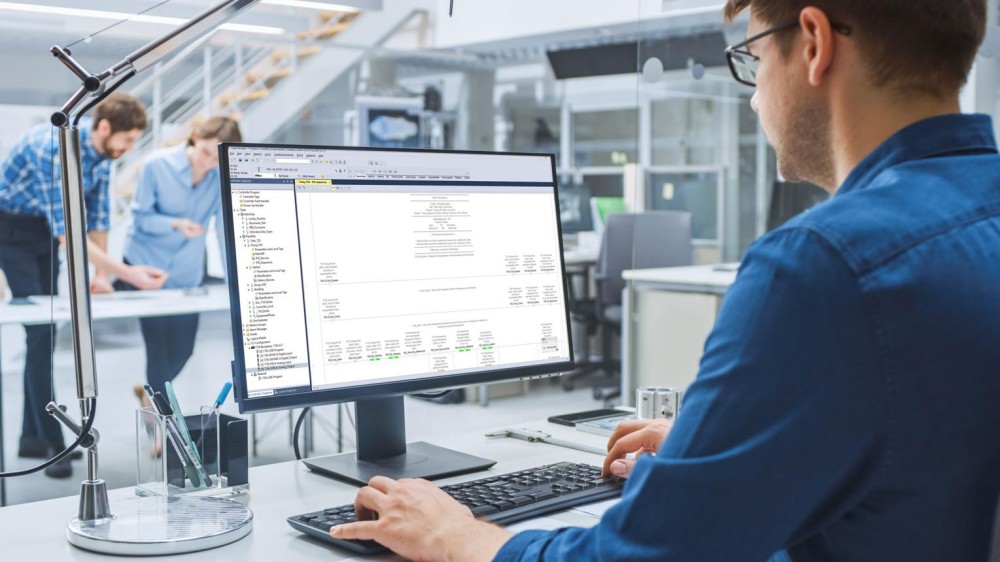 Rockwell Automation Expands Industrial AI Capabilities With NVIDIA Nemotron Support
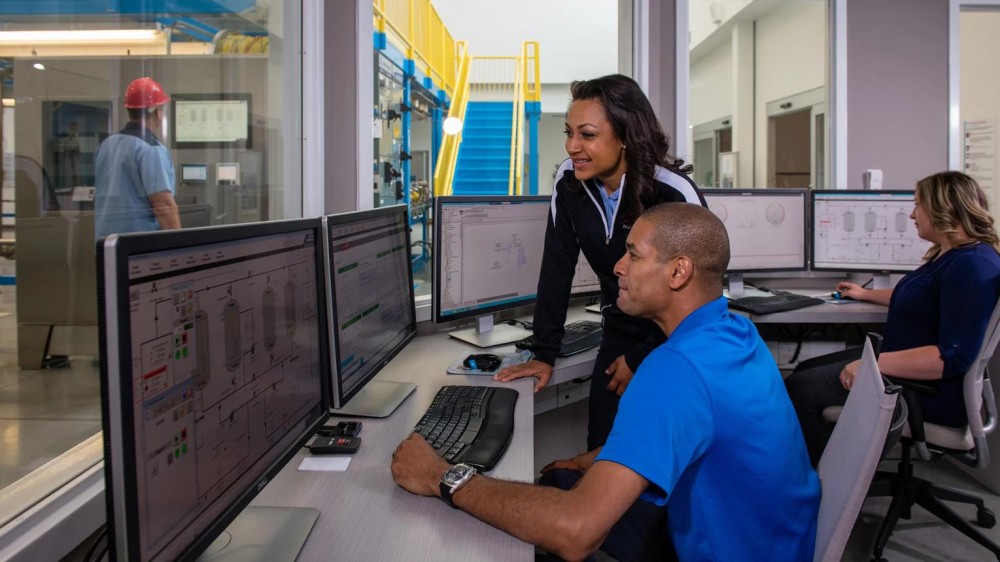 Rockwell Automation Introduces FactoryTalk Conductor To Advance AI-Driven Industrial Automation
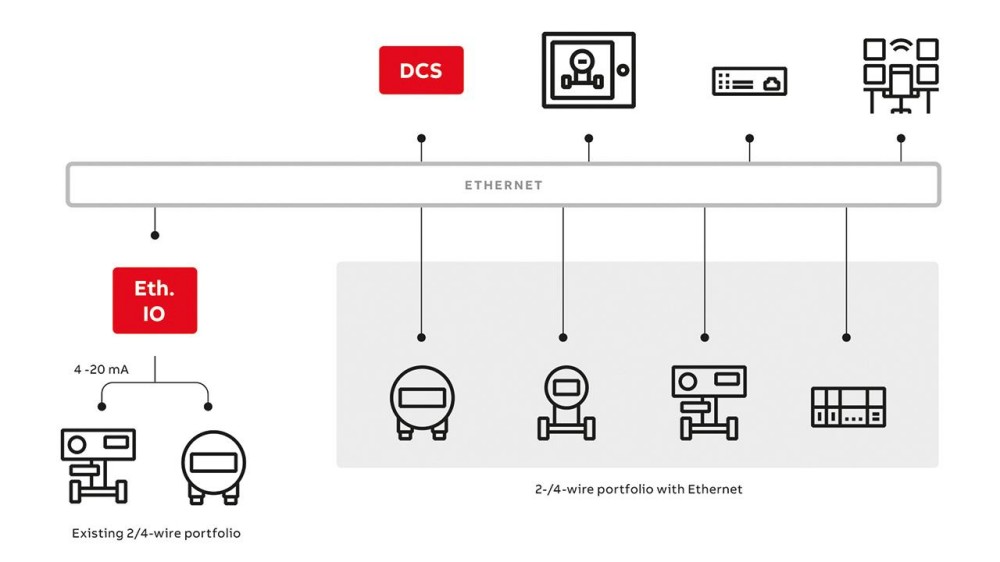 ABB And Boliden Advance DCS Modernization With Ethernet-APL Industrial Automation
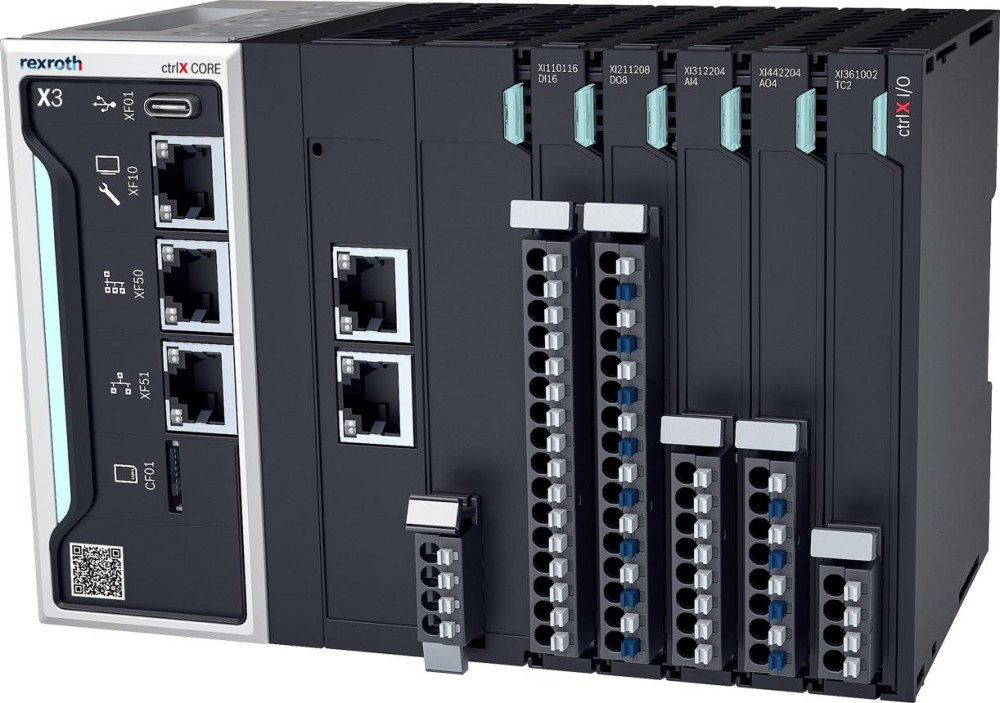 Bosch Rexroth Expands ctrlX AUTOMATION With New Safety PLC, Drive And Software Features