100% Original, Ready to Ship!

Jilin Cornell SAF Project Adopts Honeywell eFining Technology for Methanol-to-Aviation Fuel Production
Honeywell has recently partnered with Jilin Cornell New Energy Co., Ltd. to develop a sustainable aviation fuel (SAF) project with an annual capacity of 280,000 tons.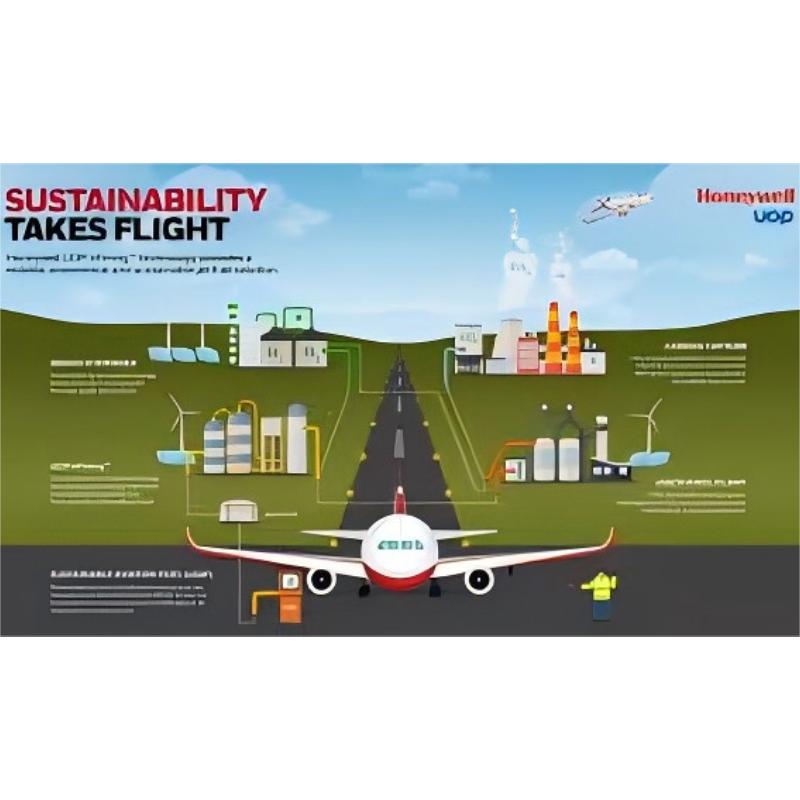
The project will adopt Honeywell UOP’s eFining™ process technology and is expected to become one of the world’s largest single-unit methanol-to-jet (MTJ) production facilities, supporting aviation industry decarbonization and emissions reduction goals.
eFining Technology for Sustainable Fuel Production
The eFining™ process is a methanol-based SAF production technology that uses green methanol as feedstock. The methanol can be derived either from biomass gasification or synthesized from green hydrogen and captured carbon dioxide (eMethanol).
This process enables efficient and cost-effective production of sustainable aviation fuel, including eSAF, with reliable scalability for commercial deployment.
Significant Emissions Reduction and Infrastructure Compatibility
Compared with conventional jet fuel, SAF produced using eFining™ technology can significantly reduce greenhouse gas emissions.
A key advantage is its compatibility with existing aviation infrastructure, as it can be directly blended with conventional jet fuel without requiring modifications to aircraft engines or fueling systems, making large-scale adoption more feasible.
Integration With Existing Industrial Base
The project will be integrated with Jilin Cornell’s existing methanol-to-olefins (MTO) facilities, enabling higher-value utilization of methanol resources.
It also opens future opportunities to incorporate renewable energy sources such as biomass, wind, and solar power in Northeast China, further enhancing the project’s low-carbon potential.
Once operational, the project will help meet growing global SAF demand and support the development of a regional low-carbon chemical industry chain.
Long-Term Strategic Cooperation
This collaboration continues a long-standing partnership between Honeywell and the Jilin Cornell Group. In 2016, the company adopted Honeywell UOP’s MTO technology to support coal-to-chemicals conversion.
The new SAF project expands this cooperation into the low-carbon aviation fuel sector, marking a further step in energy transition collaboration.
Industry Outlook
As China advances its low-carbon energy strategy, methanol-to-jet technology is expected to play a growing role in scaling sustainable aviation fuel production, driven by feedstock diversification and ongoing cost reduction, accelerating commercial adoption worldwide.
 Rockwell Automation Expands Industrial AI Capabilities With NVIDIA Nemotron Support
 Rockwell Automation Introduces FactoryTalk Conductor To Advance AI-Driven Industrial Automation
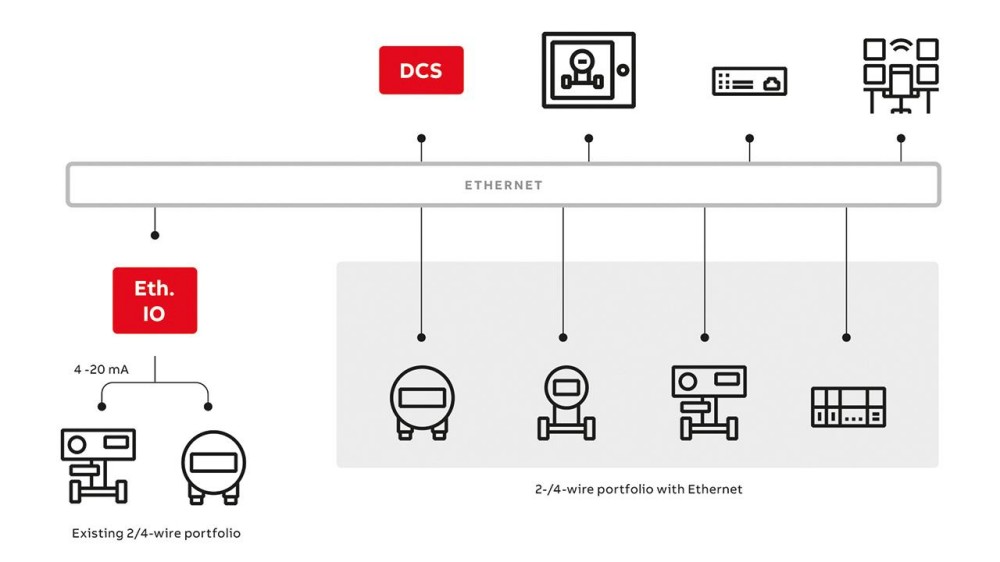 ABB And Boliden Advance DCS Modernization With Ethernet-APL Industrial Automation
 Bosch Rexroth Expands ctrlX AUTOMATION With New Safety PLC, Drive And Software Features