100% Original, Ready to Ship!

Honeywell Launches Hybrid Heating Solution To Cut Industrial Energy Costs And Carbon Emissions
Honeywell has officially launched its Hybrid Heating Solution, designed to help industrial manufacturers reduce operating costs and carbon emissions by integrating natural gas and electricity in industrial heating processes.
Flexible Dual-Energy Heating System
The solution enables real-time switching between natural gas and electricity during industrial heating operations through automated control systems. This allows manufacturers to optimize energy usage, reduce reliance on a single fuel source, and improve cost efficiency.
The system can be seamlessly integrated into existing infrastructure and supports up to 30% immediate electric heating capacity. It also includes predictive diagnostics and remote monitoring capabilities to enhance operational visibility and precision.
The solution is suitable for multiple energy-intensive industries, including automotive, building materials, and food and beverage.
Supporting Industrial Decarbonization
Industry experts note that hybrid heating provides a practical pathway for heavy industry to reduce emissions while easing pressure on power grids and accelerating energy transition.
As manufacturing companies aim to reduce dependence on fossil fuels, electrification—especially when powered by renewable energy—plays a key role in achieving decarbonization targets.
Integration With Renewable Energy Systems
For manufacturers equipped with on-site wind power, solar energy, or energy storage systems, the solution can further reduce carbon emissions by leveraging renewable electricity for heating applications, in compliance with regulatory requirements.
Addressing Key Industry Challenges
Honeywell emphasized that manufacturers today face rising energy costs, restrictions on fossil fuel use, and increasing pressure to improve production efficiency.
The Hybrid Heating Solution combines conventional fuel systems with electric heating to provide a flexible and scalable decarbonization pathway for high-energy industrial processes.
Commercial Deployment
The solution has already been commercialized and deployed across multiple industries following successful pilot projects, marking an important step in industrial energy transition applications.
 Rockwell Automation Expands Industrial AI Capabilities With NVIDIA Nemotron Support
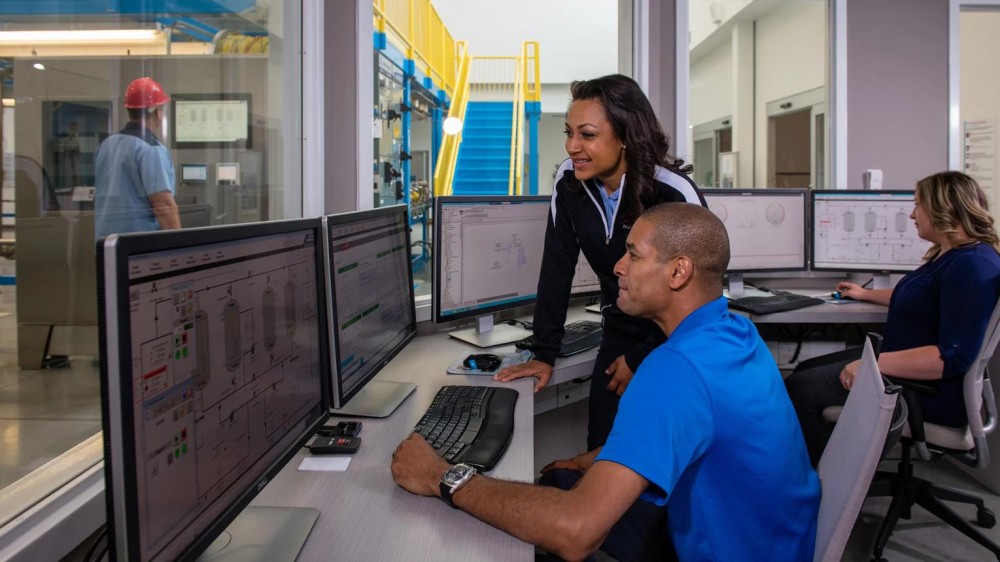 Rockwell Automation Introduces FactoryTalk Conductor To Advance AI-Driven Industrial Automation
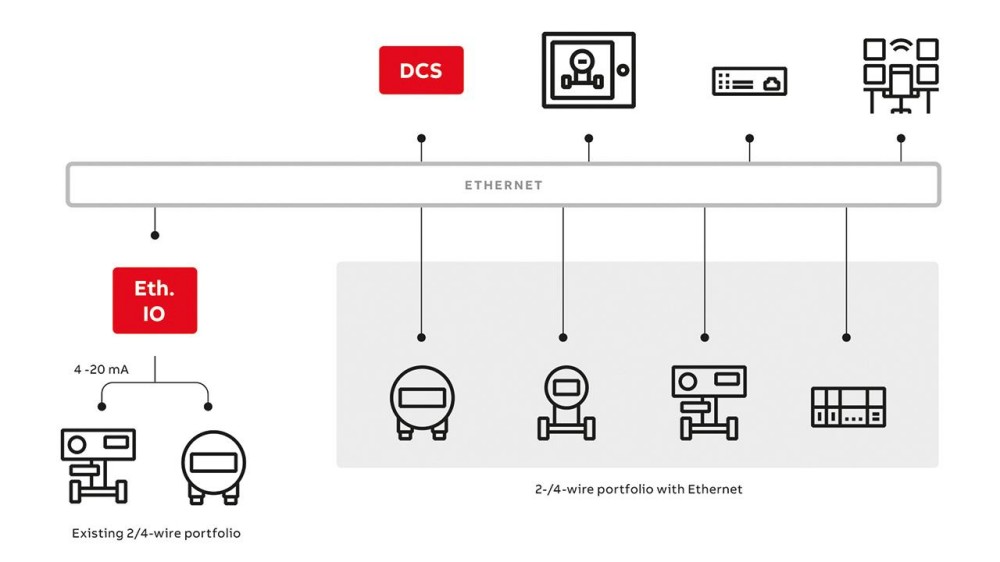 ABB And Boliden Advance DCS Modernization With Ethernet-APL Industrial Automation
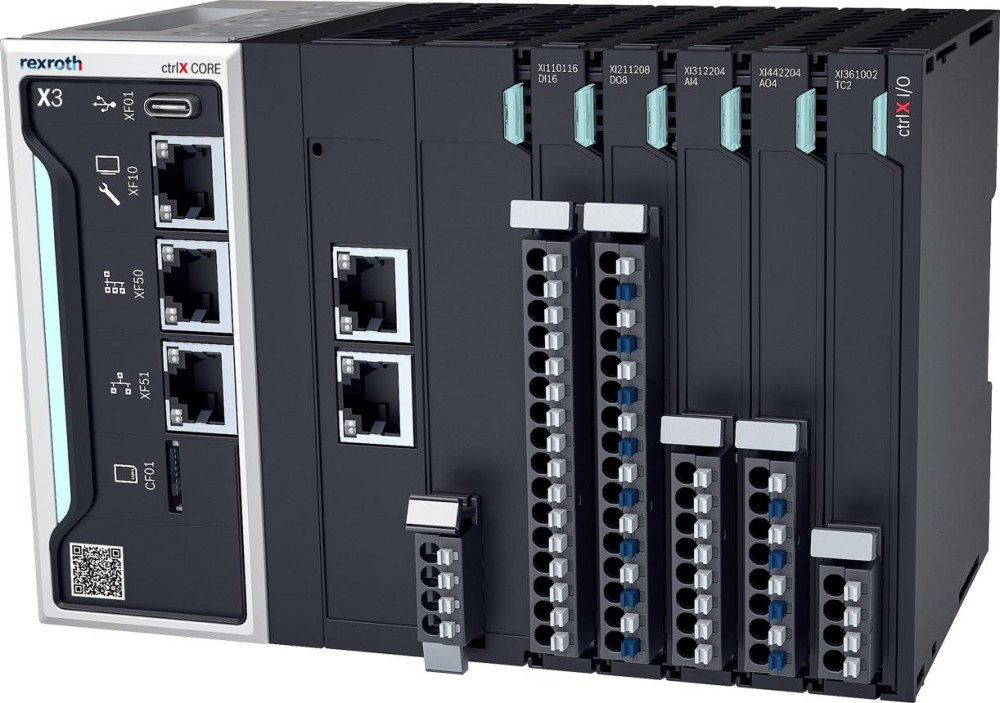 Bosch Rexroth Expands ctrlX AUTOMATION With New Safety PLC, Drive And Software Features