100% Original, Ready to Ship!

ABB Breaks Energy Efficiency Silos With Motor “Combination Strategy” Driving Industrial Transformation
In today’s industrial automation landscape, energy efficiency is no longer achieved through isolated optimization of individual components. Instead, leading manufacturers are shifting toward system-level coordination across motors, drives, and control architectures. In this context, ABB is accelerating a “combination strategy” approach in its motor and drive portfolio to help industries move beyond fragmented energy-saving practices and toward integrated efficiency systems.
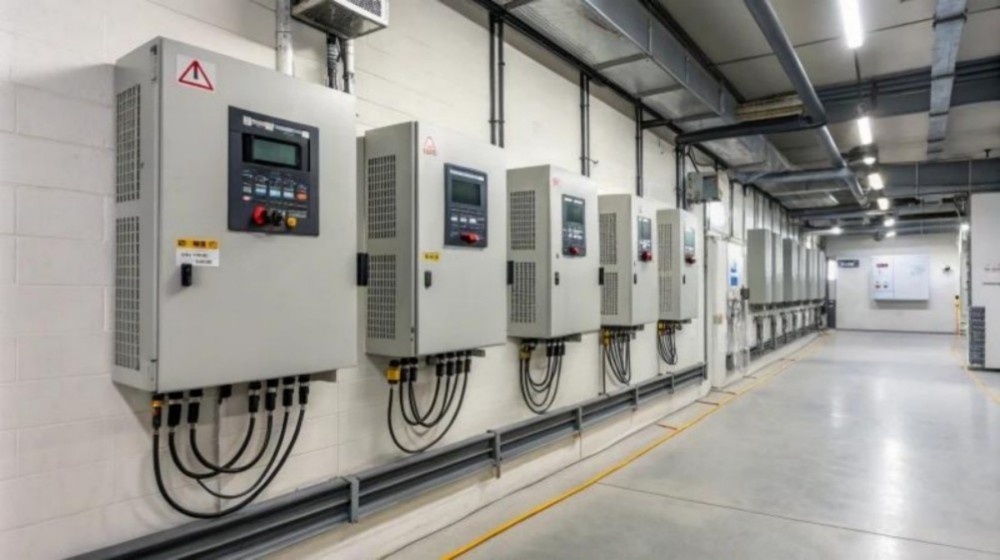
From Isolated Efficiency To System-Level Optimization
Traditionally, many industrial operators have focused on improving efficiency at the single-device level—upgrading motors, replacing drives, or optimizing mechanical load independently. However, this approach often creates what engineers describe as “efficiency islands,” where improvements in one component are offset by inefficiencies elsewhere in the system.
ABB’s strategy addresses this issue by emphasizing coordinated optimization across the full motor-driven system, including low-voltage motors, variable speed drives, and intelligent control platforms. By treating these components as an integrated ecosystem rather than standalone products, energy losses can be significantly reduced across the entire operational chain.
Integrated Motor And Drive Ecosystem
A key element of ABB’s approach is the tighter integration between high-efficiency motors and variable speed drives. When properly matched, these systems can dynamically adjust motor output based on real-time load conditions, reducing unnecessary energy consumption during partial-load operation—where most industrial equipment operates.
This system-level optimization is particularly relevant for industries such as:
- Water and wastewater treatment
- HVAC and building automation
- Mining and mineral processing
- Oil, gas, and petrochemical operations
- General manufacturing and material handling
In these sectors, even small percentage improvements in energy efficiency can translate into substantial cost savings due to continuous operation and high power demand.
Digitalization Strengthens Energy Optimization
Another pillar of ABB’s strategy is digital integration. Modern motor systems increasingly rely on sensors, data analytics, and cloud-based monitoring to optimize performance over time. By continuously analyzing load patterns, temperature behavior, and energy consumption, predictive systems can fine-tune motor performance and reduce downtime.
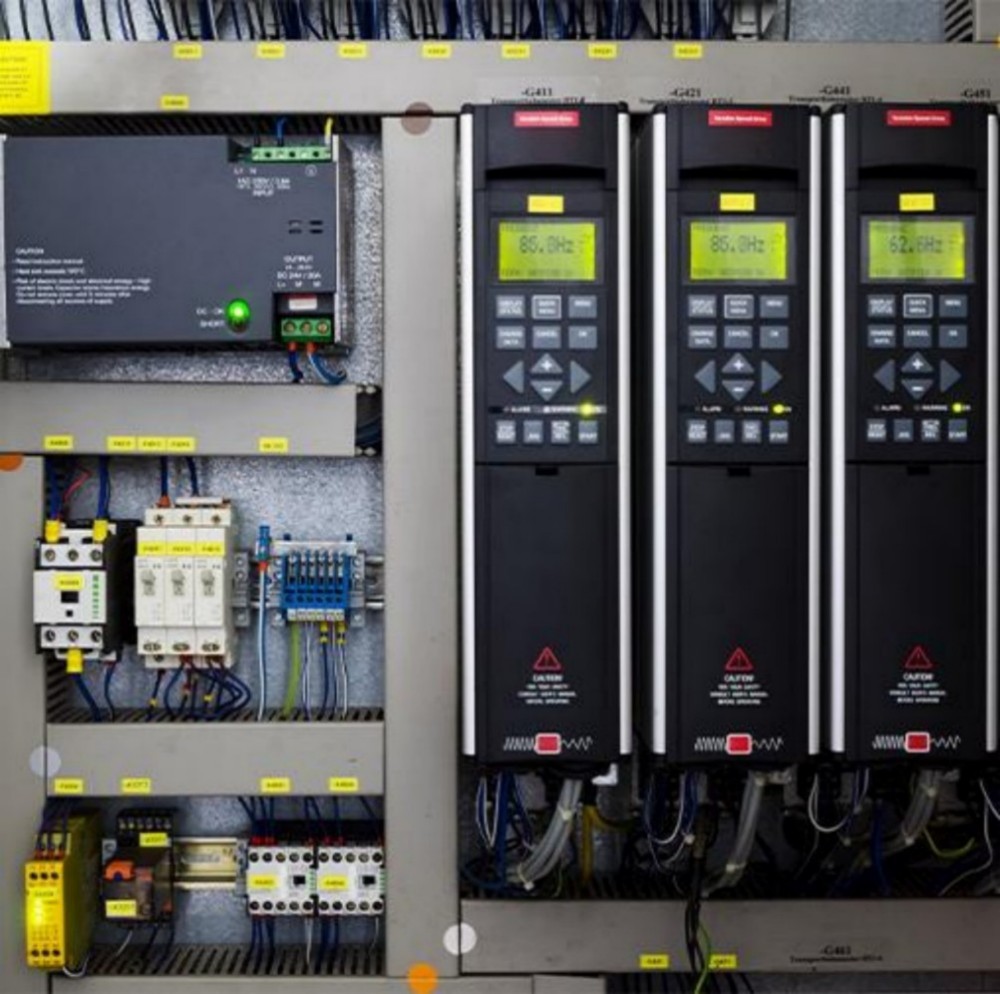
This shift aligns with broader Industry 4.0 trends, where connectivity and data intelligence are becoming as important as hardware efficiency. ABB’s ecosystem supports this transition by enabling real-time visibility into energy usage and system performance across industrial assets.
Moving Beyond Component-Based Thinking
The “combination strategy” reflects a broader industry shift away from component-based procurement toward solution-based engineering. Instead of selecting motors and drives independently, industrial operators are increasingly evaluating total lifecycle performance, including energy consumption, maintenance costs, and system interoperability.
This approach helps eliminate mismatches between equipment, which can otherwise lead to inefficiencies such as oversizing, poor load matching, or suboptimal speed control.
Market Impact And Industry Outlook
As global industries face increasing pressure to reduce carbon emissions and energy costs, integrated efficiency strategies are becoming a competitive necessity rather than an optional upgrade. Motor-driven systems account for a significant portion of global industrial electricity consumption, making them a key target for decarbonization efforts.
ABB’s system-focused approach positions it within a broader trend toward electrification, automation, and intelligent energy management. Over time, such strategies are expected to play a critical role in helping industries meet sustainability targets while maintaining productivity and operational reliability.
 Rockwell Automation Expands Industrial AI Capabilities With NVIDIA Nemotron Support
 Rockwell Automation Introduces FactoryTalk Conductor To Advance AI-Driven Industrial Automation
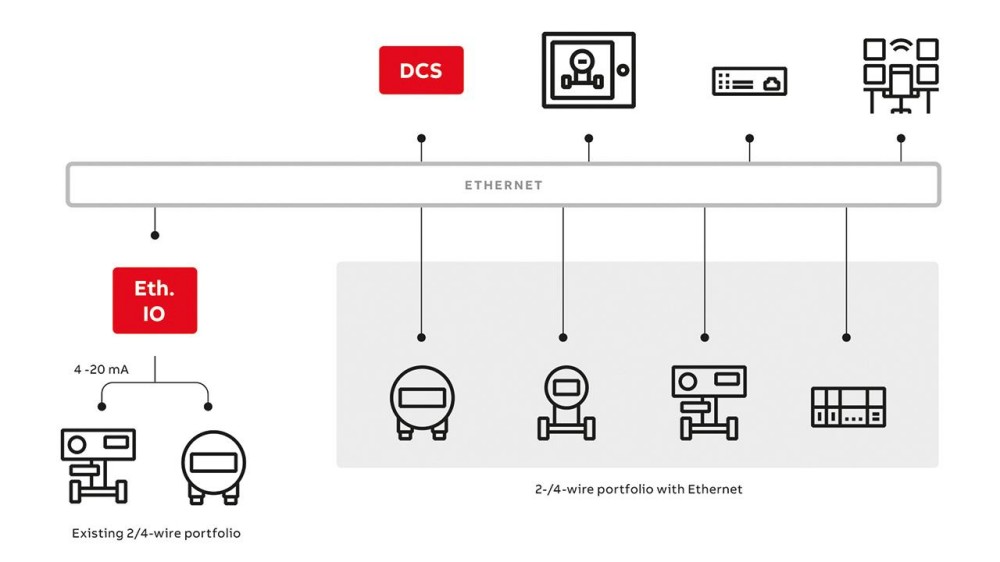 ABB And Boliden Advance DCS Modernization With Ethernet-APL Industrial Automation
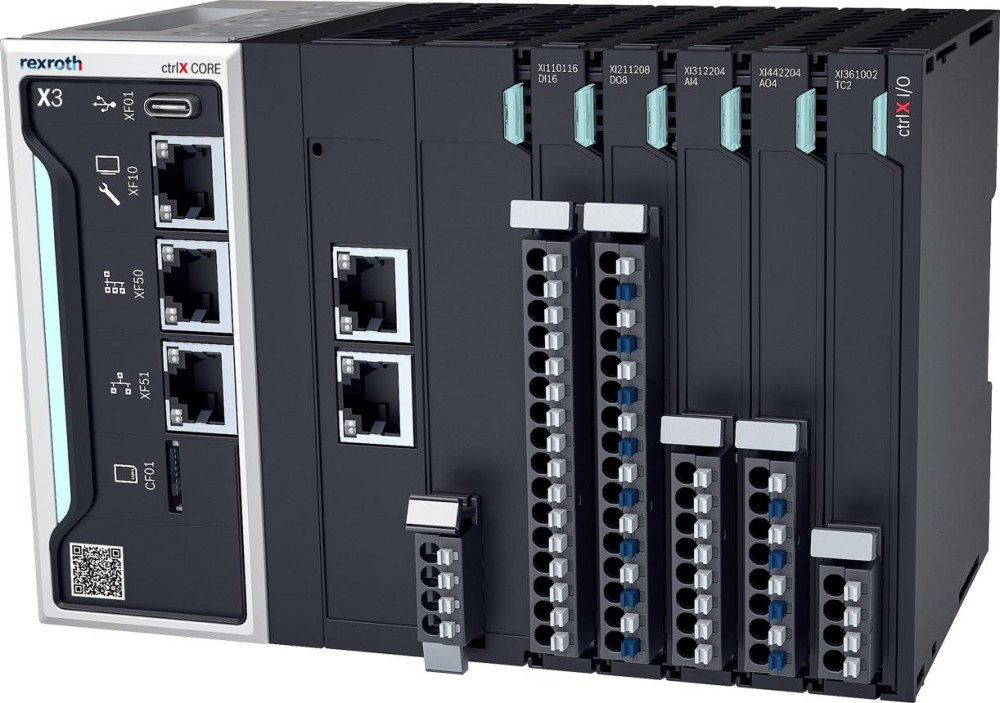 Bosch Rexroth Expands ctrlX AUTOMATION With New Safety PLC, Drive And Software Features