100% Original, Ready to Ship!

ABB Raises Profitability Targets And Outlines Long-Term Growth Strategy At 2025 Capital Markets Day
ABB presented its latest financial performance and strategic outlook at its 2025 Capital Markets Day, outlining how the company is positioned to capture long-term growth opportunities driven by rising electricity demand, energy efficiency needs, and industrial decarbonization, while accelerating automation-led industrial transformation.
CEO Morten Wierod highlighted that ABB continues to support customers across the power, industrial, transport, and building sectors in achieving electrification, operational optimization, and emissions reduction. He emphasized that structurally growing end markets provide a strong foundation for sustained organic growth. Leveraging the ABB Way decentralized operating model, disciplined portfolio management, and strong market positioning, ABB has successfully transformed into a high-performance industrial technology leader with further upside potential.
Based on the latest 12-month rolling results ending in Q3 2025, ABB reported record-high operational performance. Following the divestment of its robotics business, the company updated its financial framework aligned with its three-business-area structure.
ABB reaffirmed its long-term comparable revenue growth target of 5%–7% annually, with an additional 1%–2% contribution from acquisitions. The company emphasized a continued focus on bolt-on acquisitions, while larger transactions will remain selective and complementary. All M&A activity must align with strategic fit, value creation, and support ABB’s investment-grade credit profile.
In profitability, ABB raised its annual operational EBITA margin target from 16%–19% to 18%–22%. Segment targets are set as follows: Electrification 22%–26%, Motion 18%–22%, and Automation 14%–18%. The long-term goal of high single-digit EPS growth remains unchanged.
The company also increased its return on capital target from “above 18%” to “above 20%” and improved its free cash flow conversion target to “above 95%,” reflecting stronger earnings quality and cash generation.
Sustainability remains a core pillar of ABB’s strategy, with unchanged long-term commitments embedded across all business units, supporting global industrial decarbonization and energy transition efforts.
CFO Timo Ihamuotila stated that the updated financial framework is built bottom-up across business areas, guided by stability, profitability, and growth principles, which are now deeply embedded in the organization. He noted that recent margin expansion demonstrates ABB’s transformation into a high-performing enterprise, with continued focus on disciplined investment and operational efficiency improvements.
ABB also reaffirmed its capital allocation priorities, including sustained internal investment, maintaining R&D spending at 4.5%–5% of revenue, continued capital expenditure to support localization strategies, long-term dividend growth, value-creating acquisitions, and opportunistic share buybacks.
Following the divestment of its robotics business, ABB will focus on its three core divisions—Electrification, Motion, and Automation—leveraging cross-business collaboration in sales and technology to deliver integrated solutions. The company aims to meet accelerating global demand for power expansion, energy efficiency, and clean energy transition, enabling more resilient, efficient, and sustainable industrial systems.
 Rockwell Automation Expands Industrial AI Capabilities With NVIDIA Nemotron Support
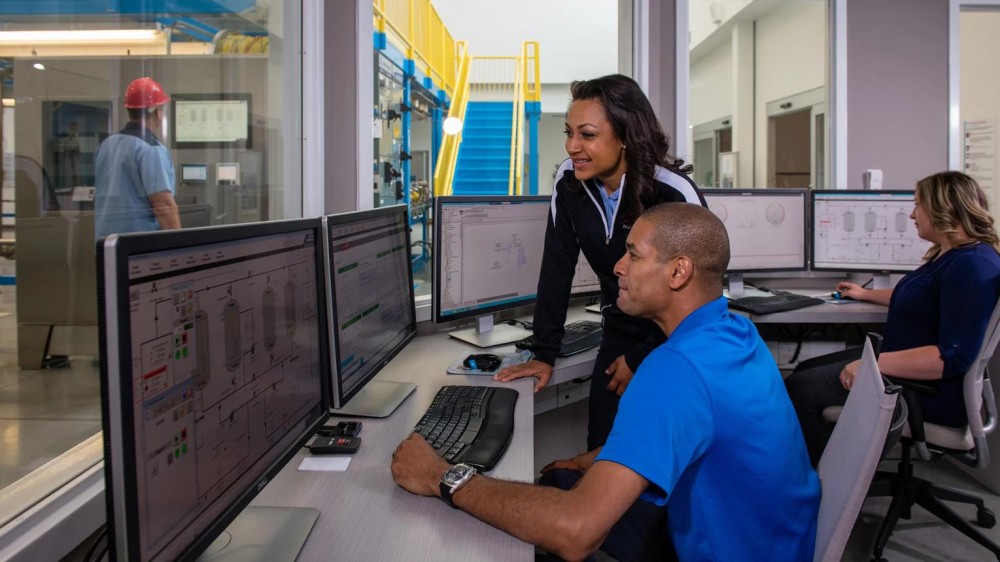 Rockwell Automation Introduces FactoryTalk Conductor To Advance AI-Driven Industrial Automation
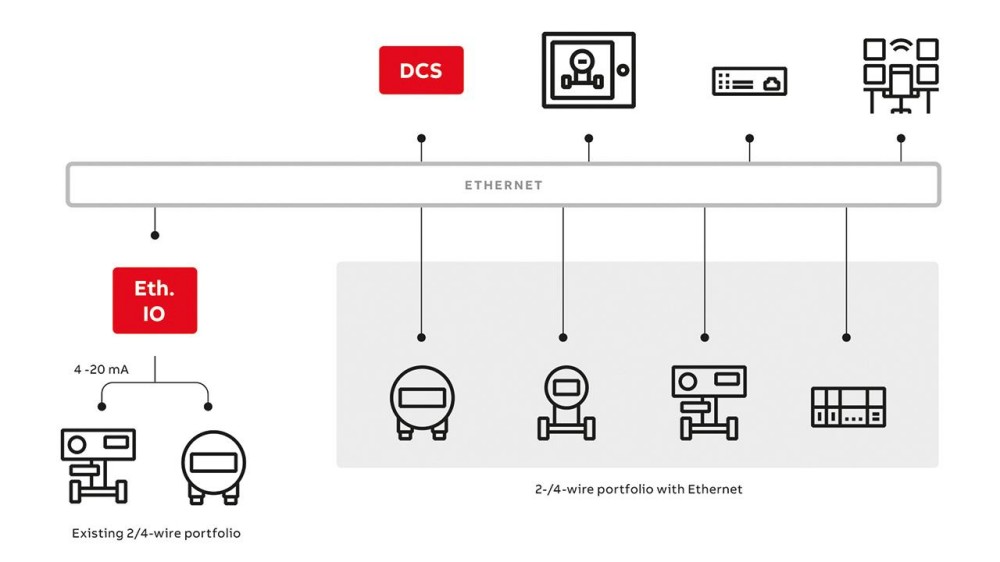 ABB And Boliden Advance DCS Modernization With Ethernet-APL Industrial Automation
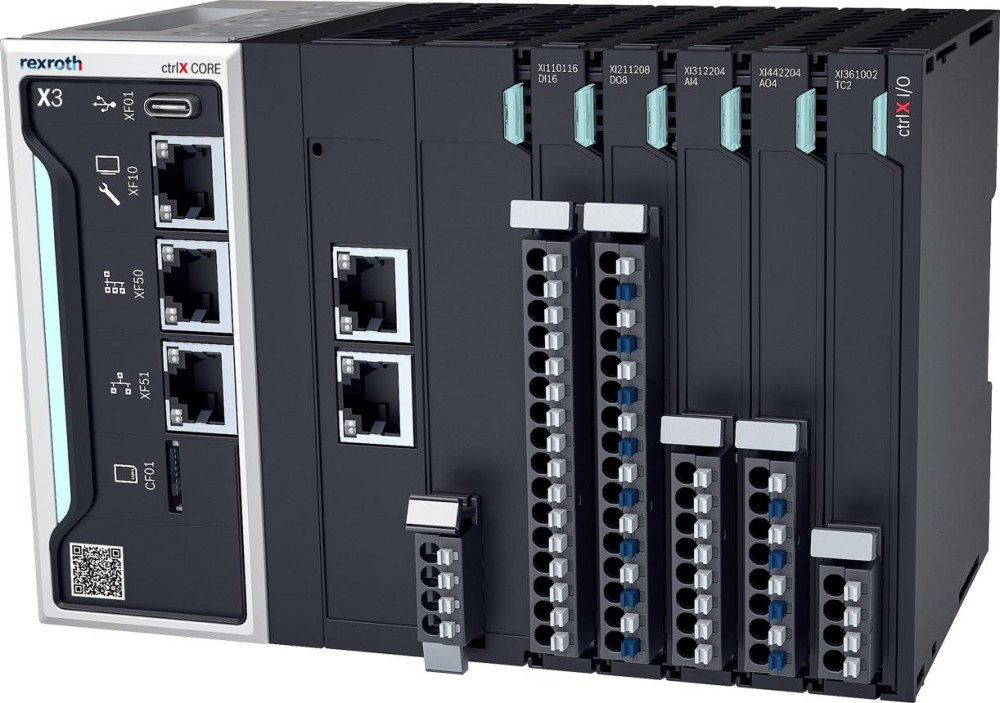 Bosch Rexroth Expands ctrlX AUTOMATION With New Safety PLC, Drive And Software Features