100% Original, Ready to Ship!

Global Industrial Robot Installations Reach Record Levels As Factory Automation Expands
Industrial automation continues to expand worldwide, with the global operational stock of industrial robots reaching approximately five million units, according to industry reporting published in 2026. More than 600,000 industrial robots were installed in factories during 2025, reflecting continued investment in automated manufacturing.
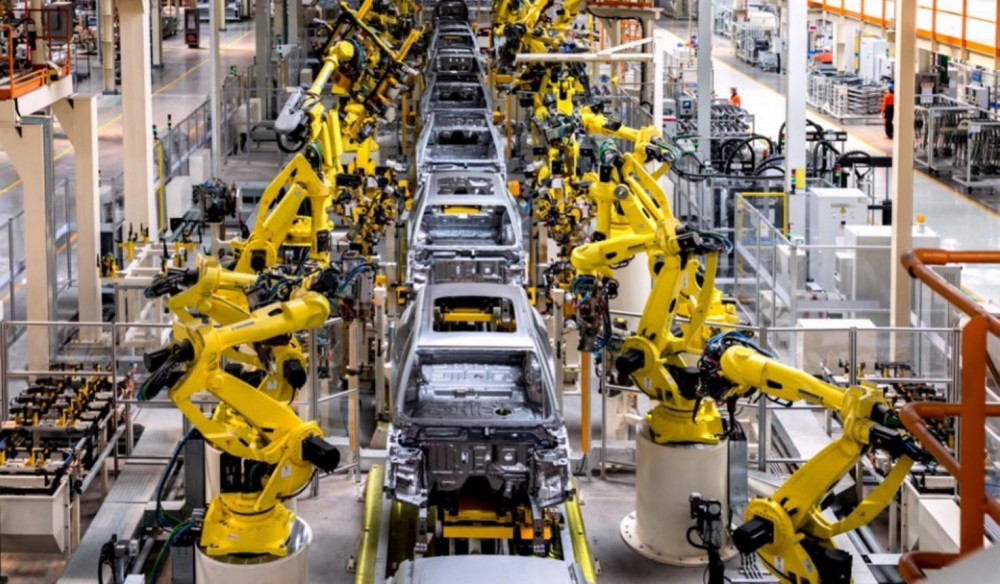
The figures highlight the growing role of robotics as companies seek higher productivity, consistent product quality, improved workplace safety, and more flexible production processes. Industrial robots are increasingly used for material handling, welding, assembly, machine tending, painting, packaging, and inspection.
Behind these robotic applications is a broader automation infrastructure that includes programmable logic controllers (PLCs), industrial networks, human-machine interfaces (HMIs), motion controllers, sensors, and supervisory software. These technologies coordinate robot movements with conveyors, production machines, safety equipment, and upstream or downstream manufacturing operations.
In a typical automated production cell, sensors detect the position of a workpiece while a PLC coordinates machine sequences and exchanges status information with the robot controller. HMIs provide operators with production data, alarms, and diagnostic information. At larger facilities, SCADA or manufacturing execution systems can aggregate information from multiple production lines to improve operational visibility.
As robot installations increase, manufacturers must also address integration and maintenance challenges. A robotic cell needs clearly defined communication between controllers, appropriate safety interlocks, reliable sensor feedback, and carefully tested recovery procedures. Engineers must verify that the robot, PLC, drive systems, and surrounding equipment respond correctly to faults and emergency conditions.
The expansion of industrial robotics also creates opportunities for retrofitting existing production equipment. In some facilities, adding a robot to an established production line may require modifications to PLC logic, I/O assignments, industrial Ethernet communication, safety circuits, and operator interfaces. Thorough commissioning and documentation are essential to ensure that new equipment works reliably with legacy systems.
For plant operators, the investment decision should consider more than robot purchase cost. Payload, reach, cycle time, repeatability, integration complexity, spare-parts availability, and long-term technical support all influence the overall value of an automation project.
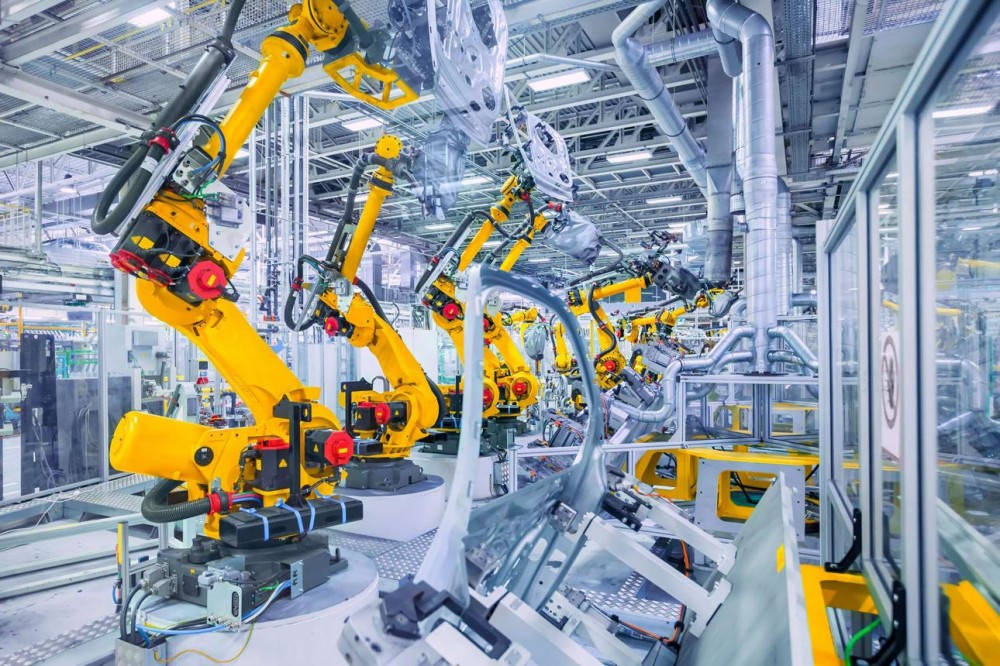
These developments reinforce an important industry trend: robotics is no longer an isolated equipment decision. It is part of a connected production strategy that combines control hardware, software, sensors, and data management.
As manufacturers continue modernizing their facilities, dependable PLC systems, industrial communication modules, drive components, and automation spare parts will remain important to maintaining production availability and supporting the expansion of automated manufacturing.
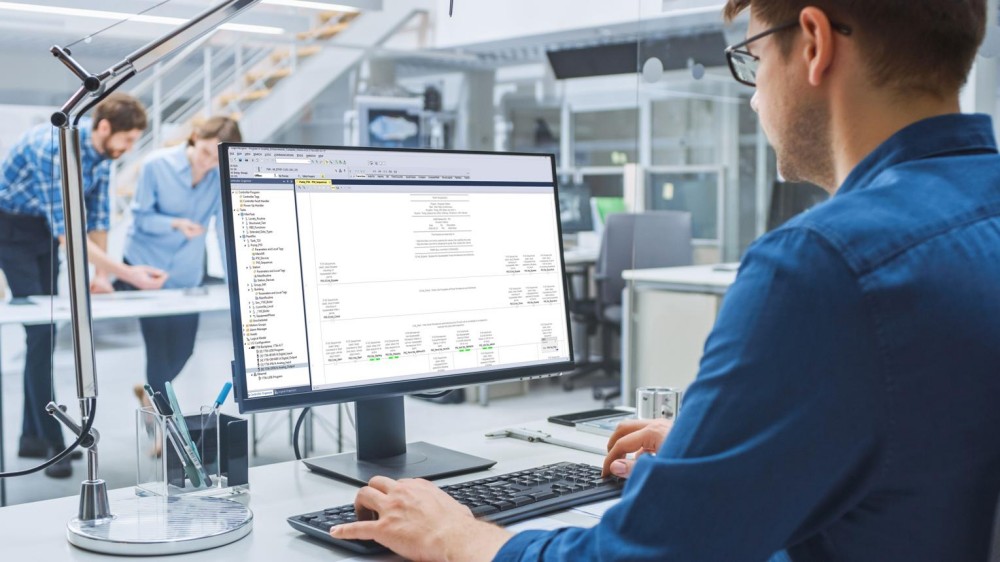 Rockwell Automation Expands Industrial AI Capabilities With NVIDIA Nemotron Support
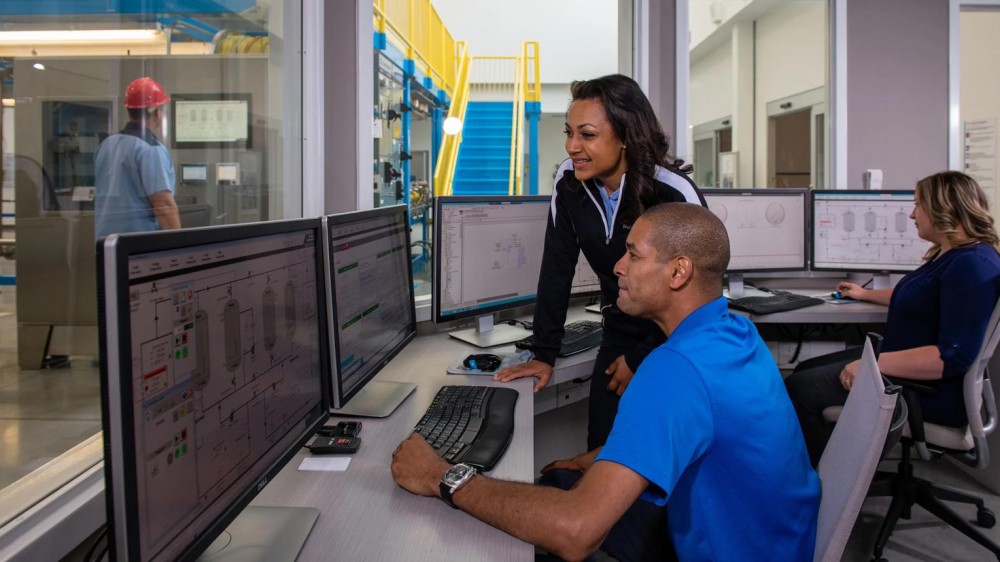 Rockwell Automation Introduces FactoryTalk Conductor To Advance AI-Driven Industrial Automation
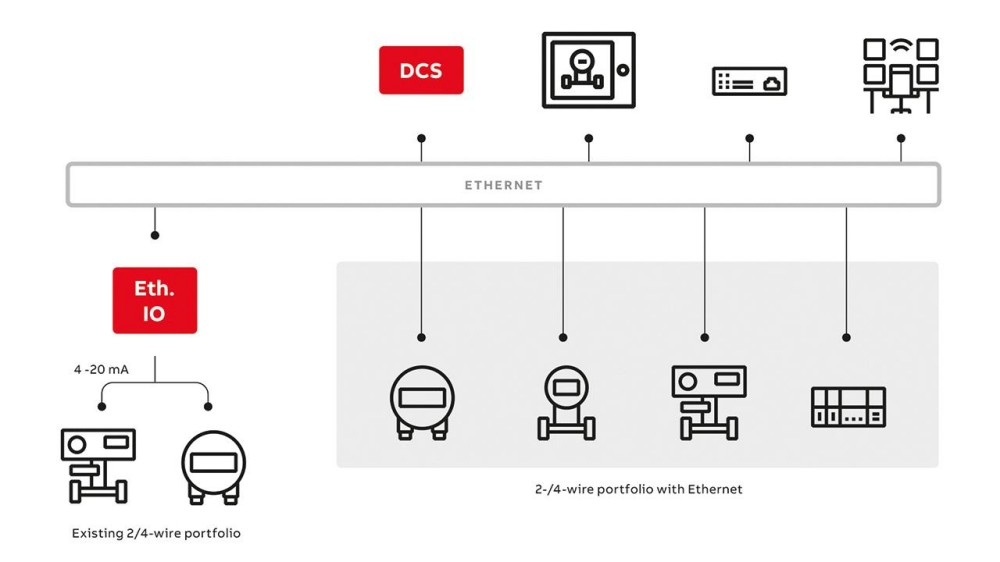 ABB And Boliden Advance DCS Modernization With Ethernet-APL Industrial Automation
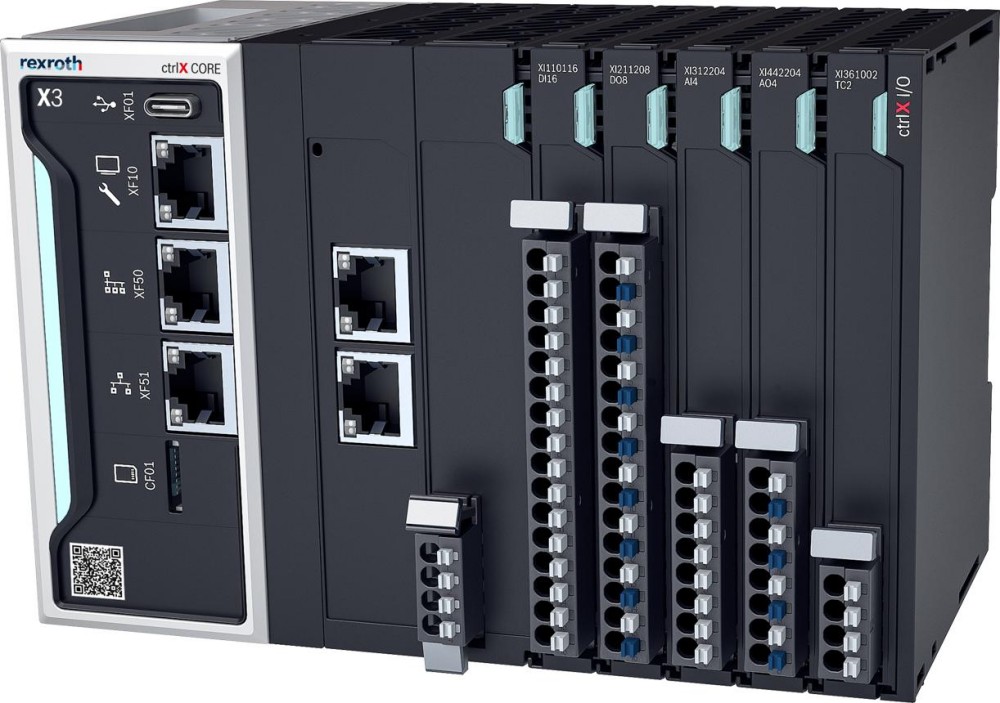 Bosch Rexroth Expands ctrlX AUTOMATION With New Safety PLC, Drive And Software Features