100% Original, Ready to Ship!

Honeywell CEO Says Iran Conflict And AI Growth Are Driving Stronger Industrial Demand
Honeywell CEO Vimal Kapur stated that rising geopolitical tensions, including the Iran conflict, combined with the rapid expansion of artificial intelligence, are contributing to stronger demand across the company’s key business segments.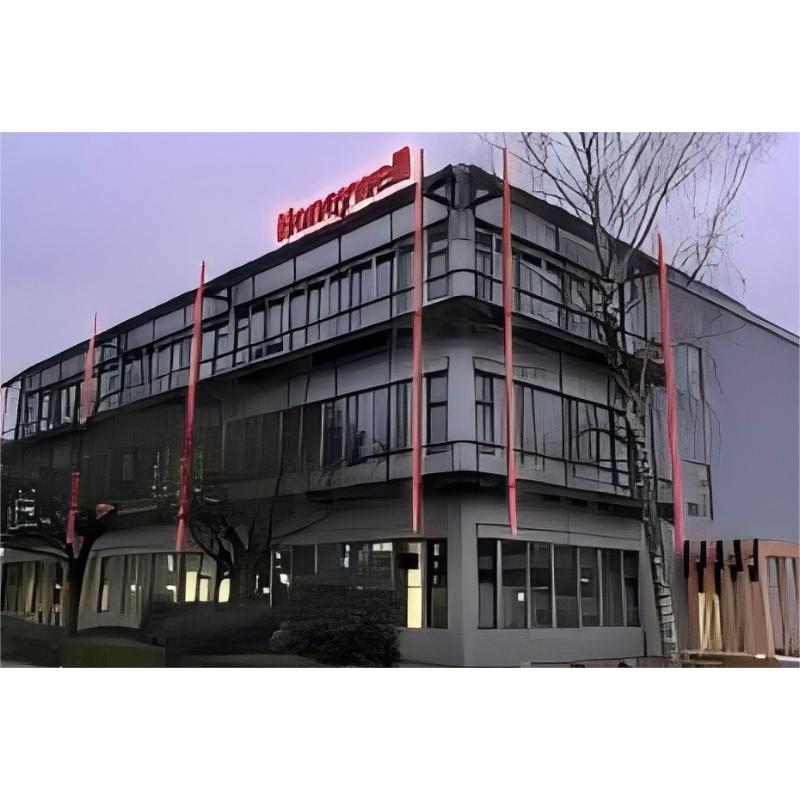
He noted that while external geopolitical factors were not the primary driver behind Honeywell’s planned 2025 separation of its automation and aerospace divisions, both businesses are now expected to see significantly higher demand in the coming years.
AI Becomes A Key Growth Driver For Automation
Kapur emphasized that AI is playing an increasingly important role in Honeywell’s automation business. He explained that when he first joined the automation segment, artificial intelligence was not a central topic.
However, as the business has evolved, large volumes of industrial data generated from automation systems have become a critical asset. This data can now be analyzed and leveraged to improve customer productivity, efficiency, and operational performance.
Data-Driven Industrial Transformation
The company highlighted that the growing integration of AI and industrial automation is enabling smarter decision-making, predictive insights, and more efficient production processes, positioning data as a core driver of future growth across Honeywell’s industrial portfolio.
 Rockwell Automation Expands Industrial AI Capabilities With NVIDIA Nemotron Support
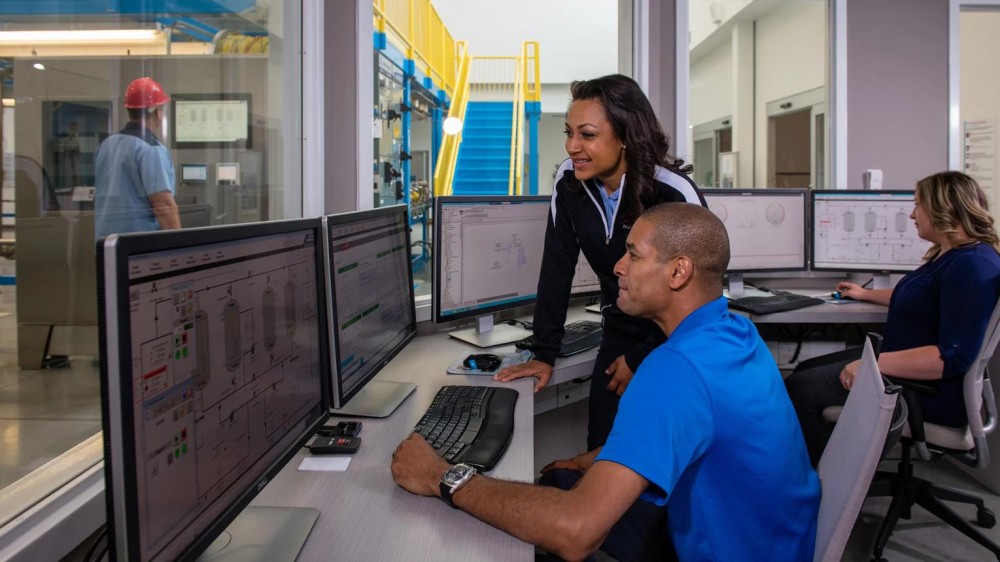 Rockwell Automation Introduces FactoryTalk Conductor To Advance AI-Driven Industrial Automation
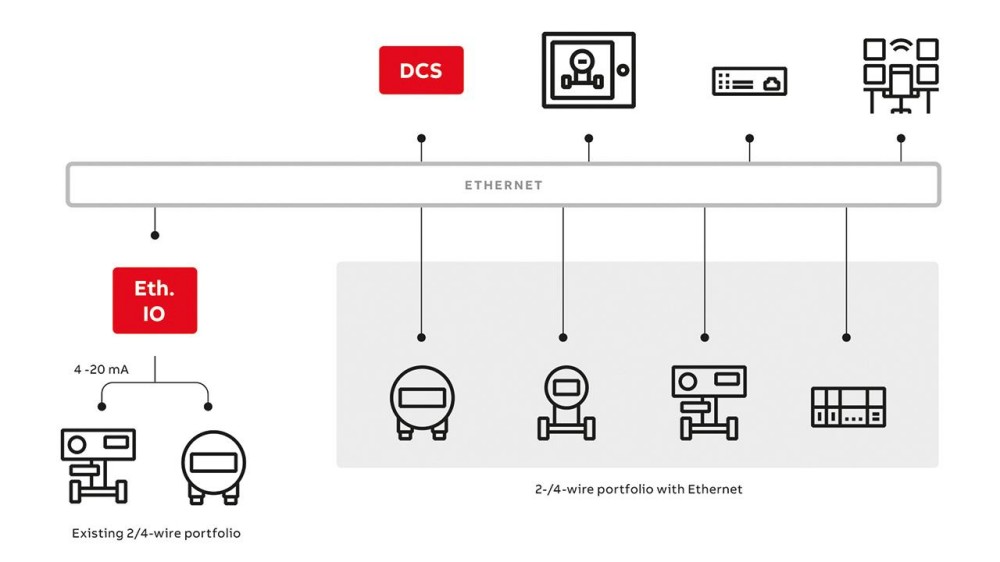 ABB And Boliden Advance DCS Modernization With Ethernet-APL Industrial Automation
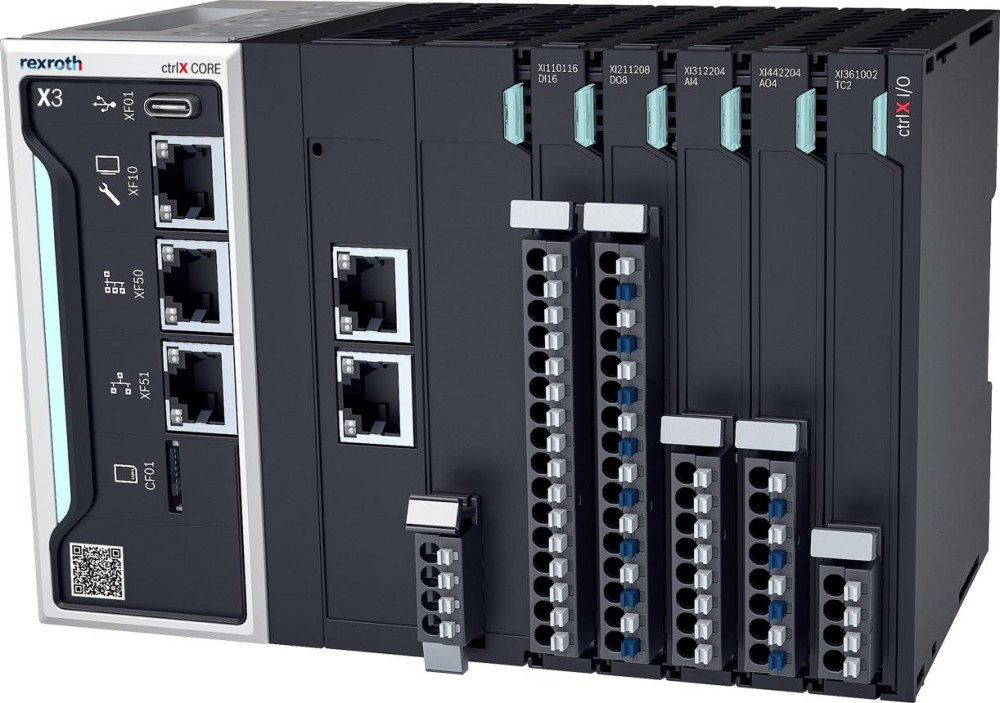 Bosch Rexroth Expands ctrlX AUTOMATION With New Safety PLC, Drive And Software Features