100% Original, Ready to Ship!

Honeywell Supports Syzygy Plasmonics SAF Project With Renewable Fuel Technology
Honeywell has announced that it will provide its UOP Fischer-Tropsch Unicracking™ hydrocracking technology to support Syzygy Plasmonics’ Sustainable Aviation Fuel (SAF) project, enabling the production of SAF from biogas waste and renewable energy.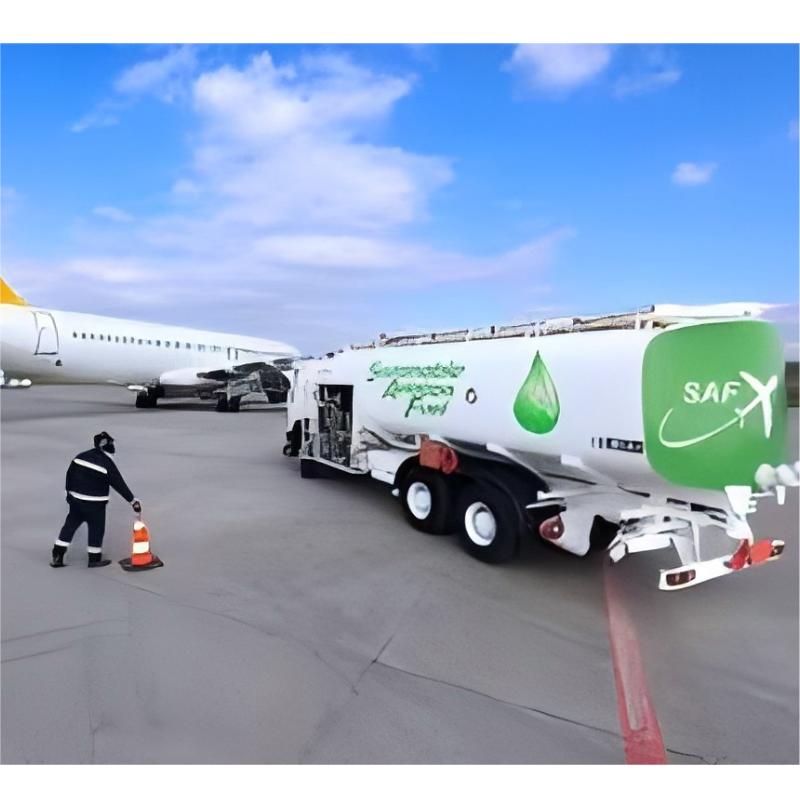
The first commercial facility, NovaSAF-1, is located in Durazno, Uruguay, with an expected annual production capacity of over 350,000 gallons (around 1,000 tons) of SAF. The plant is designed with a modular structure, allowing replication across more than 50,000 biogas sites globally to enable scalable and lower-cost SAF production.
Syzygy stated that the NovaSAF platform can potentially reach near Jet-A fuel price parity under favorable conditions, and that integration with Honeywell technology will help accelerate commercialization and deployment.
The International Energy Agency (IEA) forecasts that by 2030, biofuels derived from waste and non-food crops could account for more than 40% of total biofuel demand, highlighting the importance of alternative feedstocks.
Honeywell emphasized that its more than 70 years of hydrocracking expertise will help improve waste-to-fuel conversion efficiency and support faster, lower-risk deployment of modular renewable fuel solutions.
 Rockwell Automation Expands Industrial AI Capabilities With NVIDIA Nemotron Support
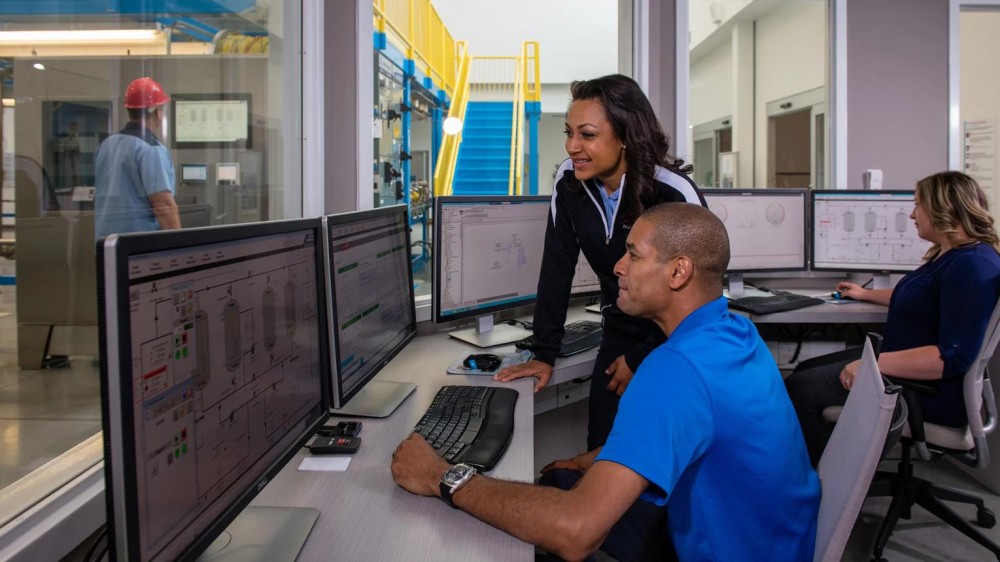 Rockwell Automation Introduces FactoryTalk Conductor To Advance AI-Driven Industrial Automation
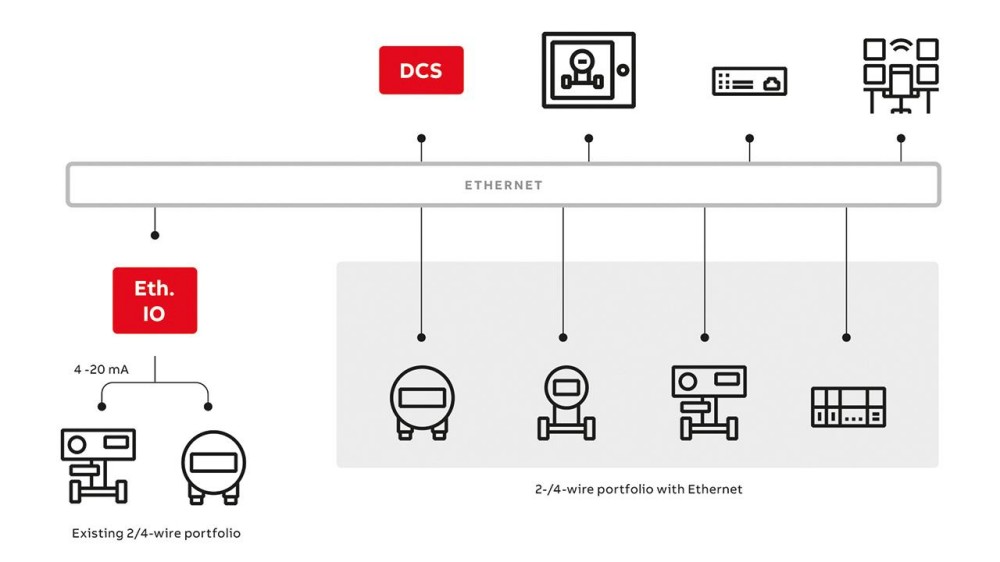 ABB And Boliden Advance DCS Modernization With Ethernet-APL Industrial Automation
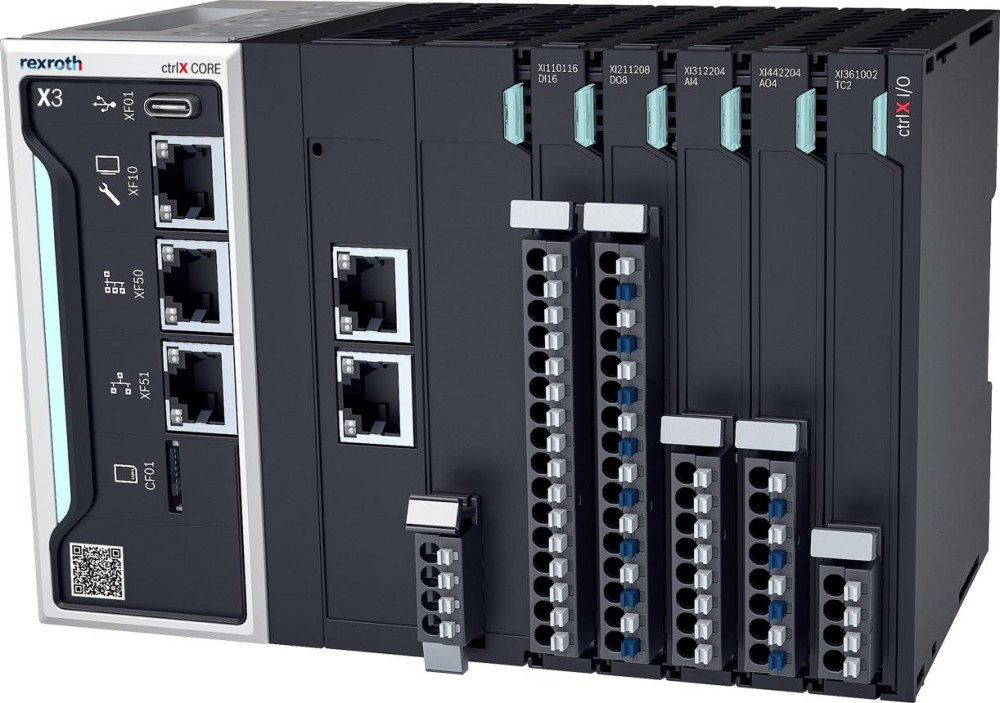 Bosch Rexroth Expands ctrlX AUTOMATION With New Safety PLC, Drive And Software Features