100% Original, Ready to Ship!

Limit Switch Technology Explained And Selection Guide: Honeywell GLAB01A2B As A Case Study
A limit switch is a mechanical position sensor widely used in automation equipment, elevators, and production lines. It operates based on physical displacement of a mechanical actuator: when a moving component contacts the actuator, the internal electrical contacts change state and send a signal to the control system. For example, when a machine arm reaches a preset position, the switch may transition from normally open (NO) to closed, or from normally closed (NC) to open, triggering stop or reverse commands. This simple mechanism enables reliable operation without requiring external power.
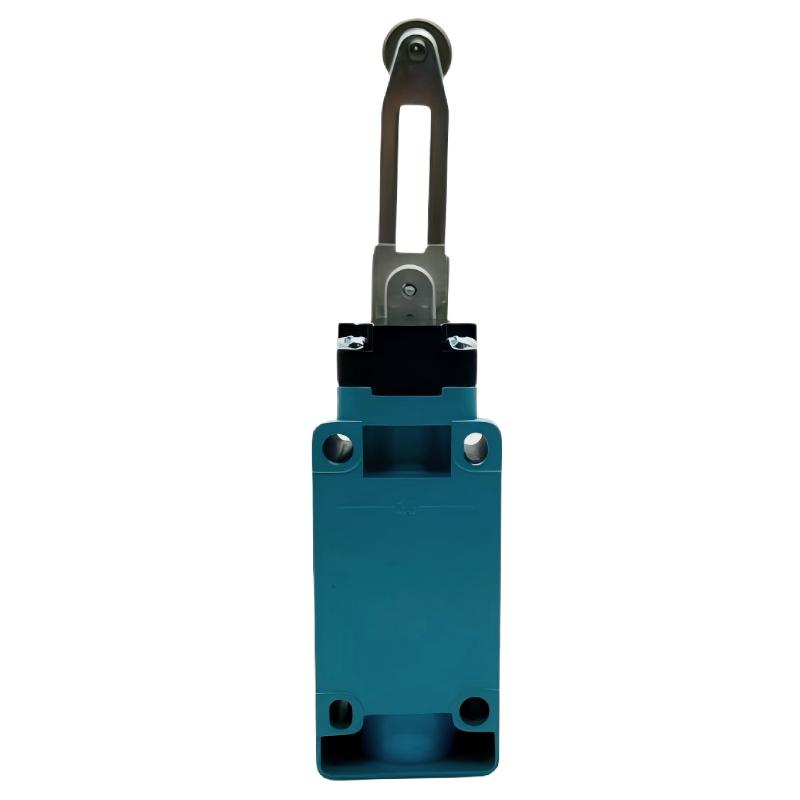
Common types of limit switches include actuator designs such as side rotary or roller types, which affect triggering angle and sensitivity. Side rotary designs are suitable for rotational motion and help reduce false triggering. Contact configurations typically include 1NC+1NO, offering flexible control logic for industrial systems. Environmental protection ratings such as IP67 ensure resistance to dust and water ingress, enabling stable performance in harsh conditions.
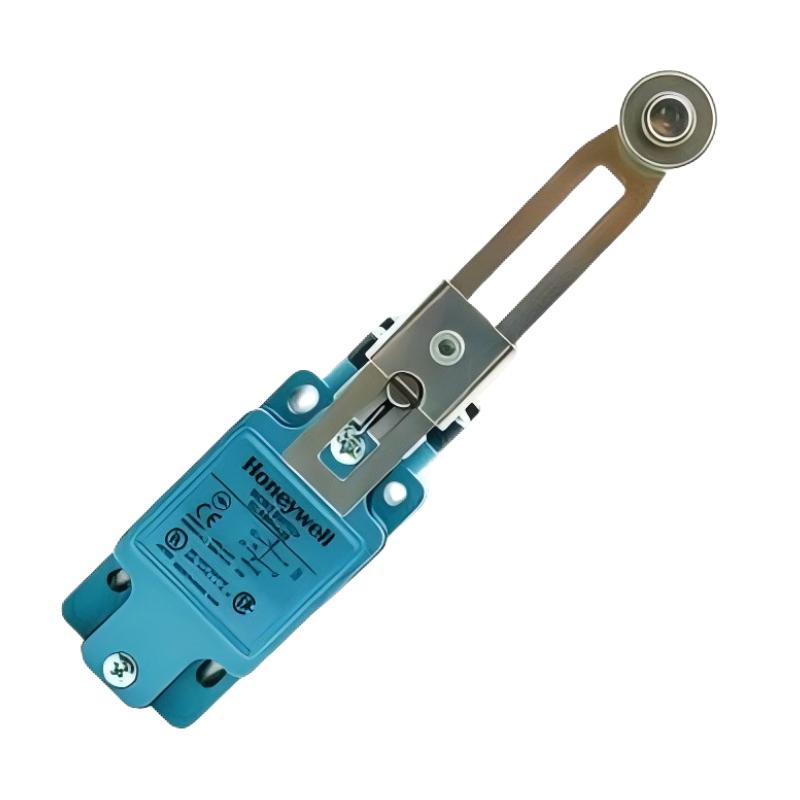
When selecting a limit switch, key factors include electrical ratings, mechanical lifespan, and operating temperature range. Electrical parameters such as AC and DC voltage ratings must match the control system to avoid overload risks. Mechanical life, often measured in millions of cycles, determines durability in high-frequency applications. Operating force also matters: lower actuation force is suitable for precision equipment, while higher force may be used in heavy-duty environments. Temperature tolerance and sealing performance directly affect long-term reliability in extreme conditions.
Environmental suitability is critical. IP67-rated devices provide full dust protection and resistance to temporary water immersion, making them suitable for outdoor or humid environments. Certifications such as CE or UL help verify compliance with international safety standards. In addition, confirming contact configuration and compatibility ensures stable integration with control systems.
Incorrect selection may lead to premature failure or safety risks, such as contact freezing in low-temperature environments or electrical overload in high-voltage circuits. Therefore, selecting a properly matched model based on application requirements is essential for system stability.
The Honeywell GLAB01A2B limit switch serves as a representative example of these principles. As part of the GLA series, it features a side rotary actuator suitable for rotational mechanical applications. It provides a 1NC+1NO contact configuration for reliable dual-circuit control, with voltage ratings of AC 600V and DC 250V suitable for common industrial environments. The operating force of 0.33N enables low-resistance triggering, reducing mechanical wear.
With an IP67 protection rating, the device performs reliably in dusty or wet conditions, while its operating temperature range of -40°C to 85°C supports extreme environments. Its mechanical lifespan reaches up to 15 million cycles, making it suitable for long-term industrial use. Supplied in original packaging with flexible bulk options, it supports practical procurement and integration needs.
Understanding limit switch principles and selecting products based on technical specifications can significantly improve system reliability and operational efficiency in industrial automation applications.
 Rockwell Automation Expands Industrial AI Capabilities With NVIDIA Nemotron Support
 Rockwell Automation Introduces FactoryTalk Conductor To Advance AI-Driven Industrial Automation
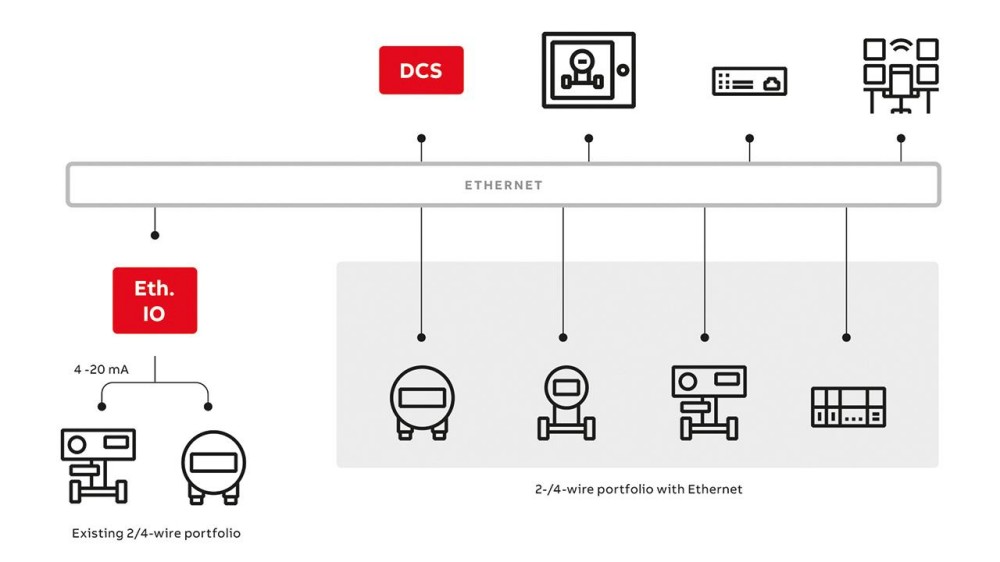 ABB And Boliden Advance DCS Modernization With Ethernet-APL Industrial Automation
 Bosch Rexroth Expands ctrlX AUTOMATION With New Safety PLC, Drive And Software Features