100% Original, Ready to Ship!

Schneider Electric Introduces Software-Defined DCS For Next-Generation Industrial Automation
Schneider Electric has introduced EcoStruxure Foxboro Software Defined Automation, a new software-defined distributed control system designed to modernize process automation and address the limitations of traditional hardware-dependent DCS architectures.
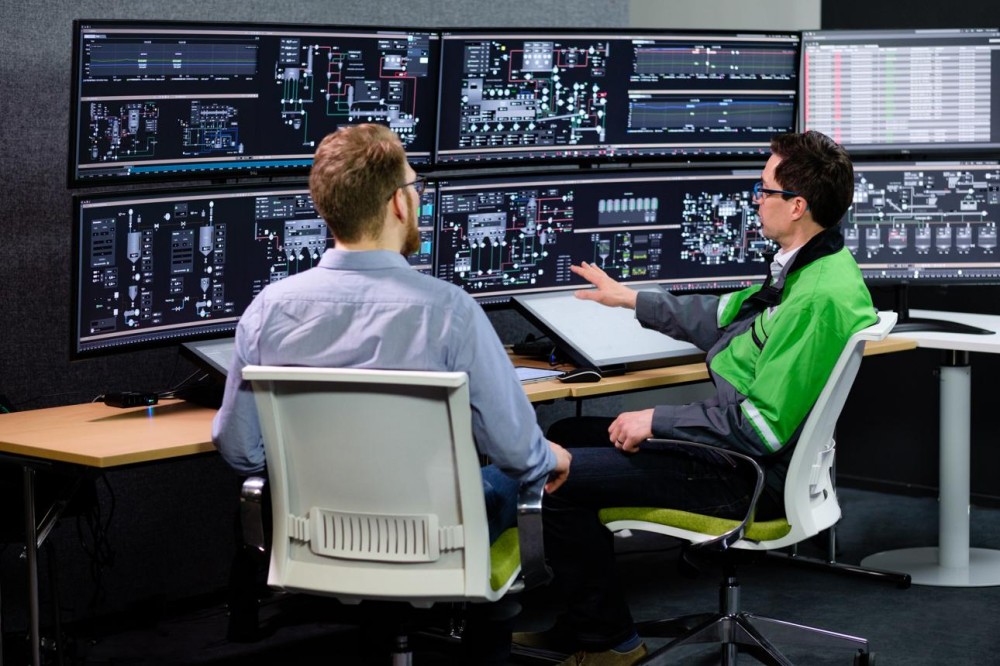
The platform combines the established Foxboro DCS approach with an open, software-defined automation architecture. The system is designed to separate automation software from dedicated hardware, creating greater flexibility for industrial operators that need to modernize existing process control infrastructure.
Traditional DCS platforms are widely used in industries such as oil and gas, chemicals, power generation, pharmaceuticals, and other continuous-process applications. Many plants operate automation systems with long lifecycles, making hardware replacement, software upgrades, and system expansion increasingly complex. A software-defined approach provides an alternative modernization path by reducing the dependence between control applications and specific hardware platforms.
Cybersecurity is another important element of the new architecture. The platform incorporates secure-by-design principles and is designed to support industrial cybersecurity requirements. It also supports IT/OT convergence, industrial analytics, artificial intelligence, machine learning, and future autonomous-operation applications.
The development is particularly relevant to process automation engineers and system integrators. Modern DCS projects increasingly need to combine real-time process control with data analytics, industrial Ethernet networks, edge computing, cybersecurity, and enterprise-level information systems.
For plants operating legacy DCS equipment, the trend toward software-defined automation could influence future modernization strategies. Instead of replacing an entire control infrastructure at once, manufacturers may increasingly look for migration methods that preserve existing investments while introducing newer control, connectivity, and digital capabilities.
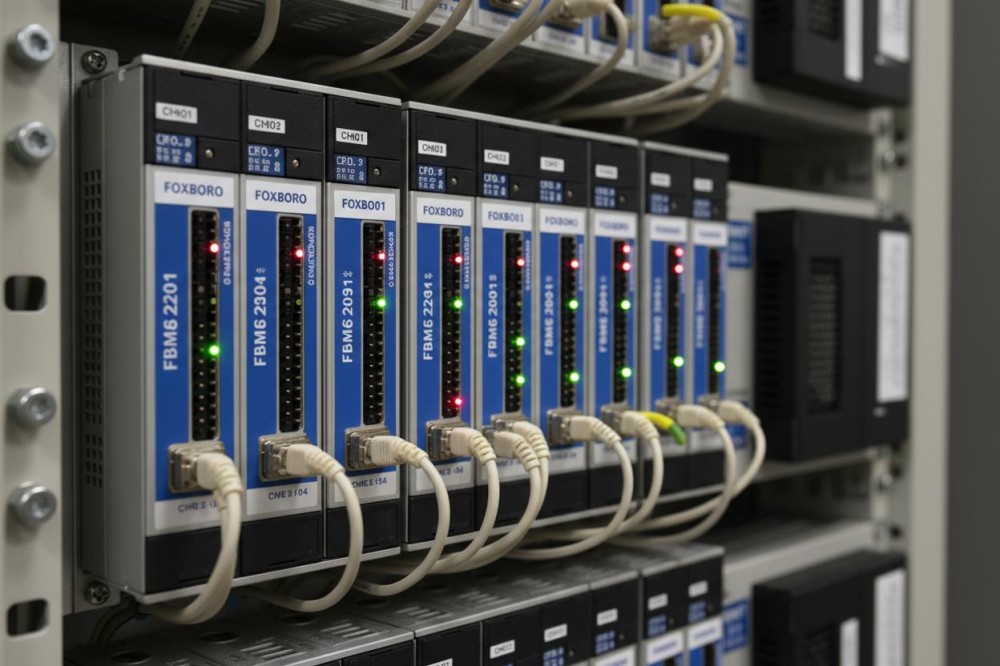
The development demonstrates how the DCS market is evolving beyond conventional process control. As industrial companies seek longer system lifecycles, stronger cybersecurity, greater interoperability, and easier integration with digital technologies, software-defined automation is becoming an increasingly important direction for next-generation industrial control systems.
 Rockwell Automation Expands Industrial AI Capabilities With NVIDIA Nemotron Support
 Rockwell Automation Introduces FactoryTalk Conductor To Advance AI-Driven Industrial Automation
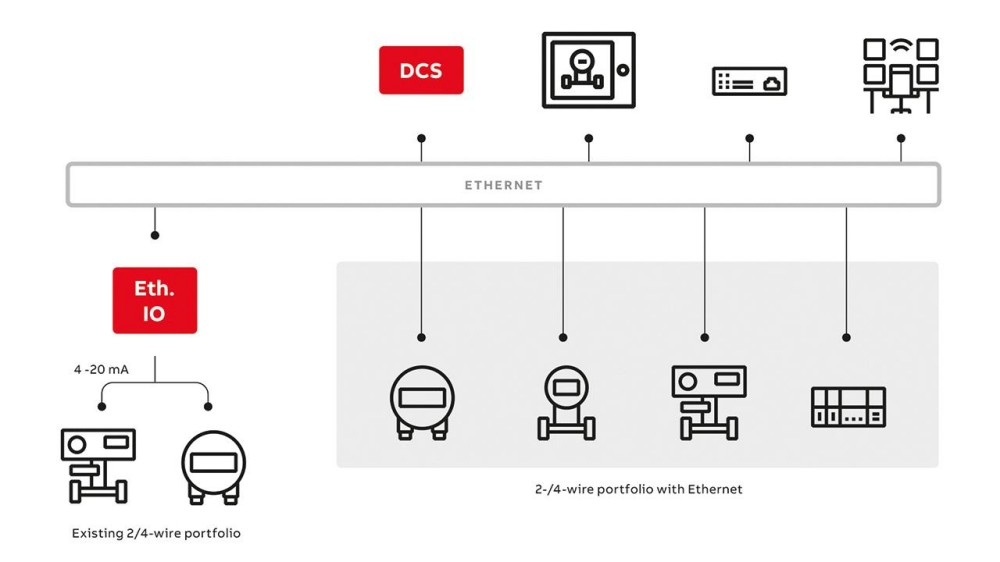 ABB And Boliden Advance DCS Modernization With Ethernet-APL Industrial Automation
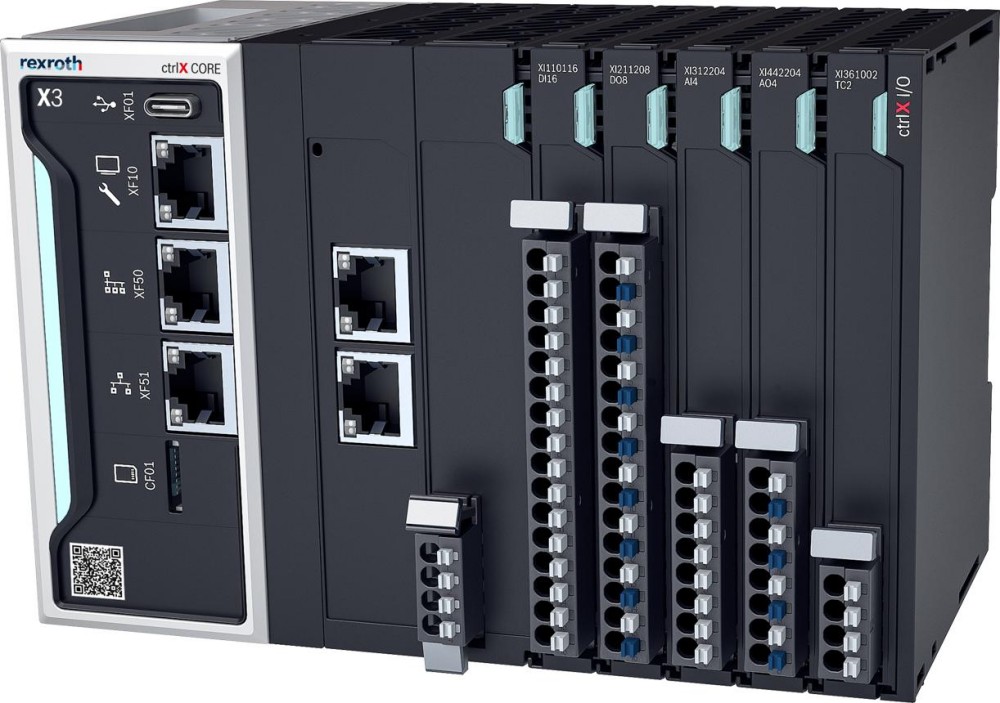 Bosch Rexroth Expands ctrlX AUTOMATION With New Safety PLC, Drive And Software Features