100% Original, Ready to Ship!

Siemens S7 PLC Cybersecurity Alert: What Industrial Automation Engineers Need To Know
Industrial automation cybersecurity has become a major concern after U.S. cybersecurity authorities issued a new warning about an active threat targeting Siemens S7 Series programmable logic controllers (PLCs).
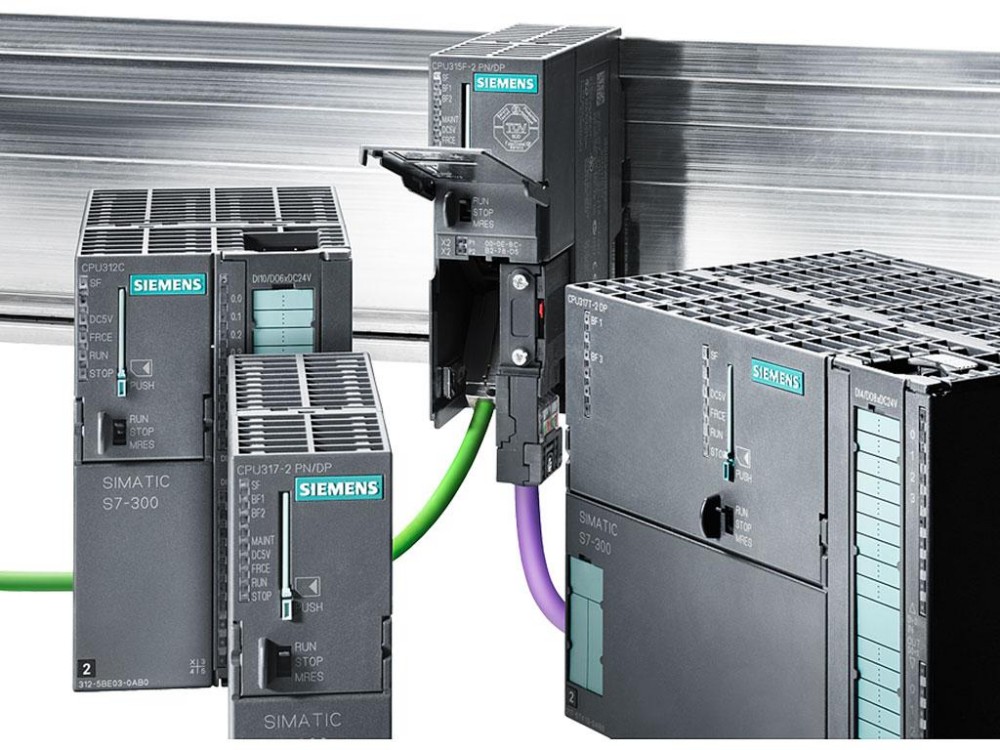
The Cybersecurity and Infrastructure Security Agency (CISA), together with other U.S. government agencies, released a cybersecurity advisory on August 19, 2026, specifically addressing an active threat to Siemens S7 Series PLCs. These controllers are widely used in manufacturing, energy, water and other industrial environments, making their security an important part of operational technology (OT) protection.
The warning is particularly relevant because PLCs directly control physical industrial processes. Unlike conventional IT systems, a compromised PLC can potentially affect pumps, motors, valves, production equipment and other field devices. A successful attack could therefore create operational disruption as well as safety and equipment risks.
Recent security activity has also highlighted the growing use of AI-assisted techniques by threat actors. Attackers can potentially use automated tools and AI-generated scripts to reduce the technical effort required to investigate and exploit exposed industrial systems. This development increases the importance of secure PLC configuration and network segmentation.
For automation engineers, one of the most important lessons is that PLCs should not be treated as isolated devices. Modern industrial networks often connect PLCs with engineering stations, HMIs, SCADA systems, historians and enterprise networks. If a controller is unnecessarily exposed to unsecured networks, attackers may gain additional opportunities to reach the control environment.
Siemens has recommended keeping affected systems updated, removing devices from inadequately protected networks or adding appropriate network protection, using strong and unique passwords, and following industrial security guidelines.
The situation also reinforces the importance of defense-in-depth strategies for PLC and DCS environments. Firewalls, network segmentation, controlled remote access, account management, monitoring and secure engineering practices should work together rather than relying on a single security mechanism.
For plant owners and automation professionals, this latest warning is a reminder that cybersecurity must be included throughout the PLC lifecycle. Security should be considered during system design, commissioning, maintenance, remote support and modernization—not only after a cyber incident occurs.
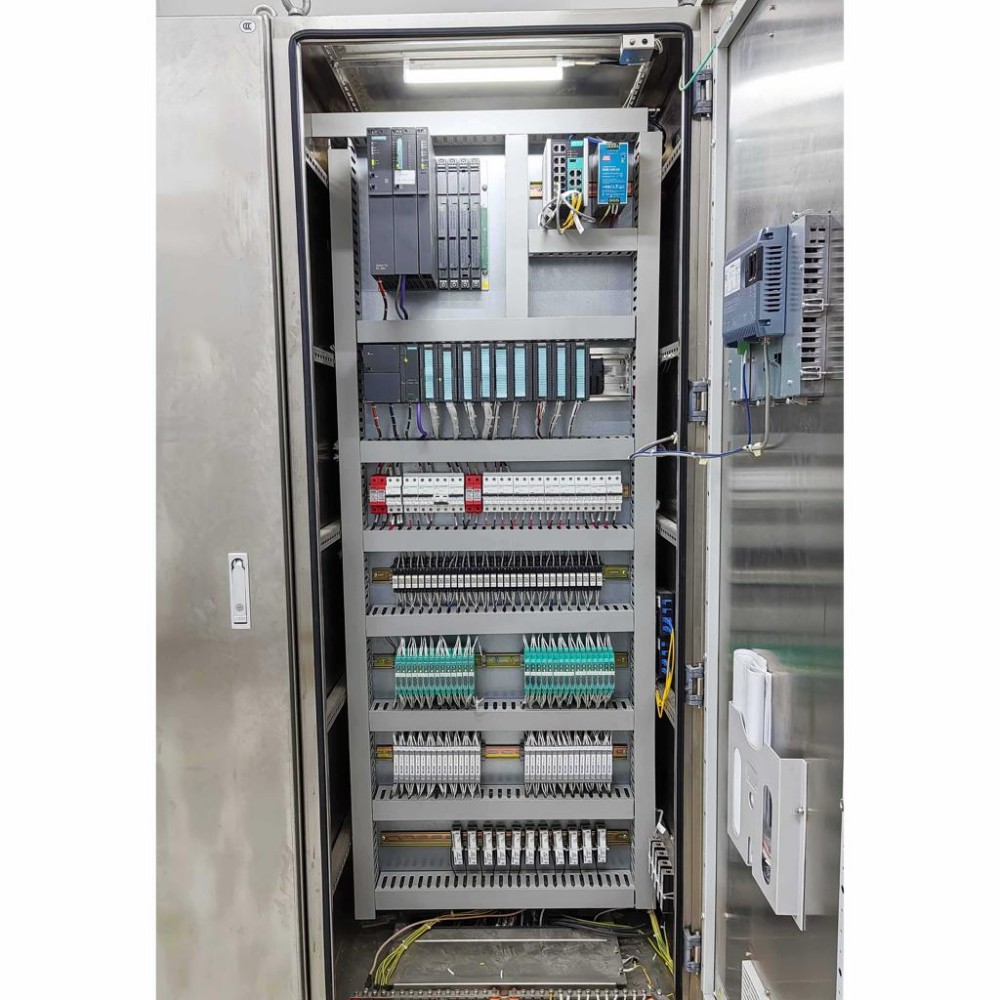
As industrial automation becomes increasingly connected, PLC cybersecurity will continue to be closely linked with plant availability and operational safety. Protecting Siemens S7 controllers and other industrial control platforms is therefore becoming an essential part of modern automation engineering.
 AI-Powered Robots Demonstrate The Future Of Industrial Automation In Europe
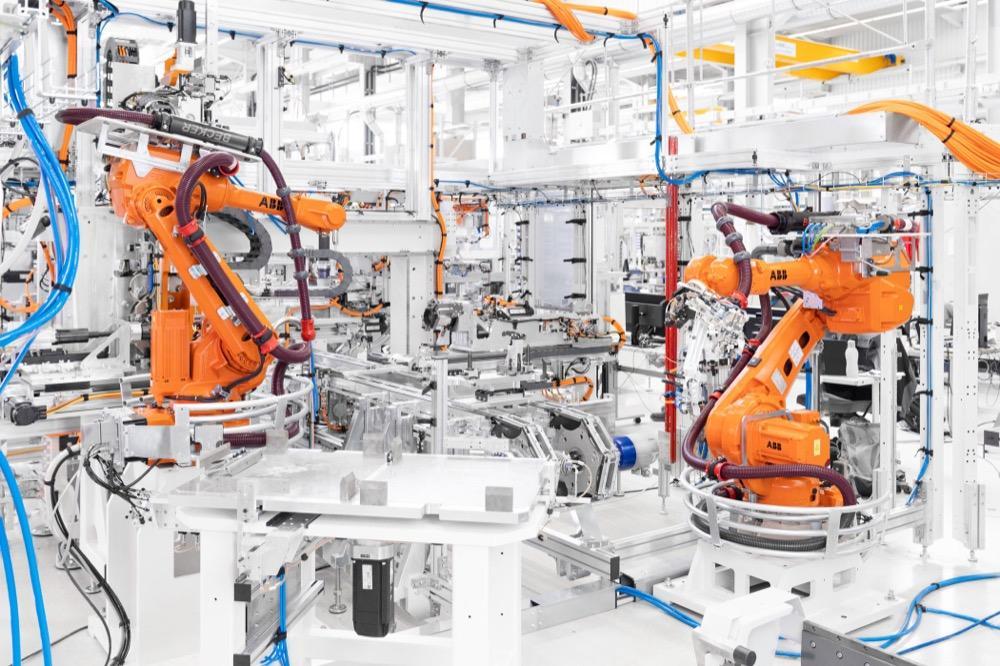 ABB Appoints New B&R President To Drive Machine Automation And Industrial Innovation
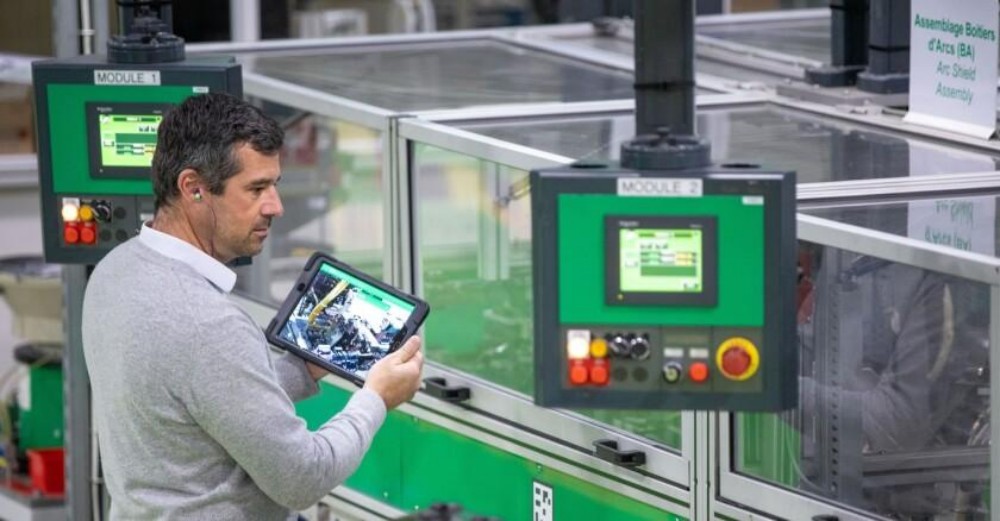 Schneider Electric Invests €150 Million In France To Strengthen Industrial Automation And Manufacturing
 Rockwell Automation Reports Rapid Growth In AI Adoption Across Smart Manufacturing