100% Original, Ready to Ship!

Software-Defined Automation Gains Momentum As Manufacturers Modernize Brownfield Industrial Systems
Modernizing aging industrial automation systems without interrupting production has become one of the industry’s most important challenges in 2026. Schneider Electric has recently highlighted the growing role of software-defined automation as manufacturers look for practical ways to upgrade brownfield factories while protecting existing equipment and automation investments.
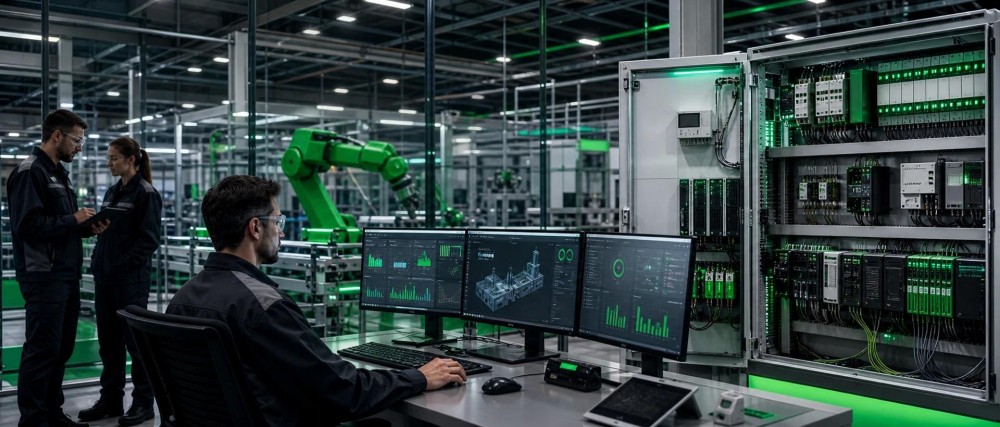
Brownfield facilities often contain PLCs, DCS platforms, remote I/O, motor control systems, drives, sensors, HMIs, industrial networks, and other equipment installed over many years. Replacing the entire control infrastructure at once can involve significant cost and production risk.
Software-defined automation offers another approach. Instead of treating automation hardware as a completely fixed platform, software applications and control functions can be separated from specific hardware architectures. This can allow manufacturers to modernize control strategies progressively while maintaining existing production assets.
The concept is particularly relevant to companies operating large process plants and manufacturing facilities where continuous production is critical. A complete automation replacement may require extended shutdowns, engineering resources, system validation, operator retraining, and extensive commissioning work.
Modern software-defined platforms can instead provide a migration path that allows new automation capabilities to be introduced in stages. This approach can support the integration of Industrial IoT, digital twins, edge computing, AI-based analytics, cybersecurity, and advanced visualization without immediately replacing every field device or controller.
Schneider Electric has been promoting its EcoStruxure Automation Expert platform as part of this transition toward open, software-defined automation. The company has also demonstrated automation architectures that combine digital intelligence, electrification, industrial AI, and open control technologies.
For PLC and DCS users, the significance of this trend extends beyond software. Industrial control systems are increasingly expected to connect production data with engineering applications, asset-management platforms, analytics systems, and enterprise-level tools. This requires automation architectures that can exchange information without becoming completely dependent on proprietary hardware.
Cybersecurity is another major factor. As legacy industrial control systems become more connected, manufacturers need to modernize communications and security without creating additional operational risk. A staged modernization strategy can provide opportunities to improve network segmentation, access control, monitoring, and system resilience alongside automation upgrades.
The shift toward software-defined automation also changes the role of automation engineers. Instead of focusing exclusively on PLC programming or DCS configuration, engineers increasingly need to understand industrial networking, virtualization, edge computing, data architecture, cybersecurity, digital twins, and AI-assisted operations.
For industrial automation suppliers, this creates opportunities across the entire automation ecosystem. PLC modules, remote I/O, communication interfaces, sensors, drives, industrial computers, DCS components, engineering software, and cybersecurity technologies can all play a role in brownfield modernization projects.
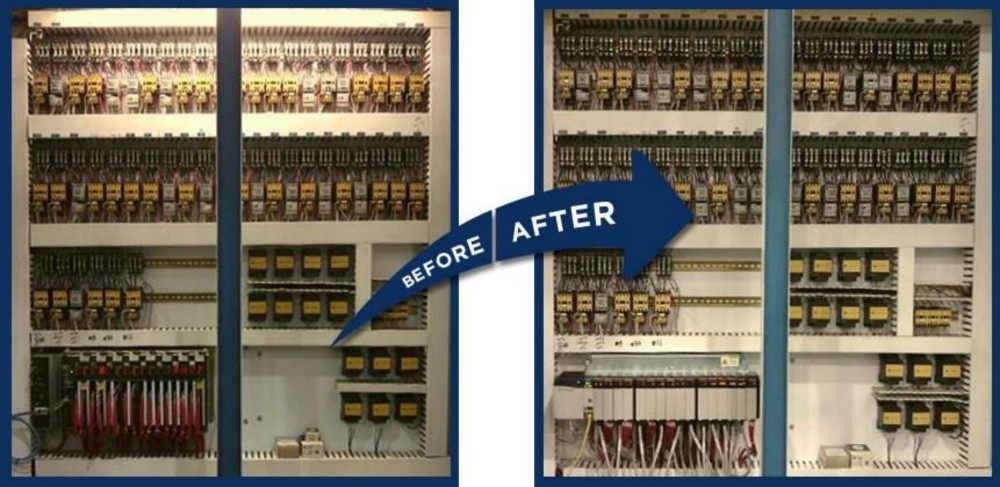
The latest developments show that the future of industrial automation is not necessarily about replacing every legacy system. Instead, manufacturers are increasingly looking for flexible migration strategies that combine existing automation assets with open software, digital technologies, and intelligent control.
For companies operating older PLC and DCS installations, software-defined automation could therefore become an increasingly important strategy for improving productivity and digital capability while minimizing production disruption.
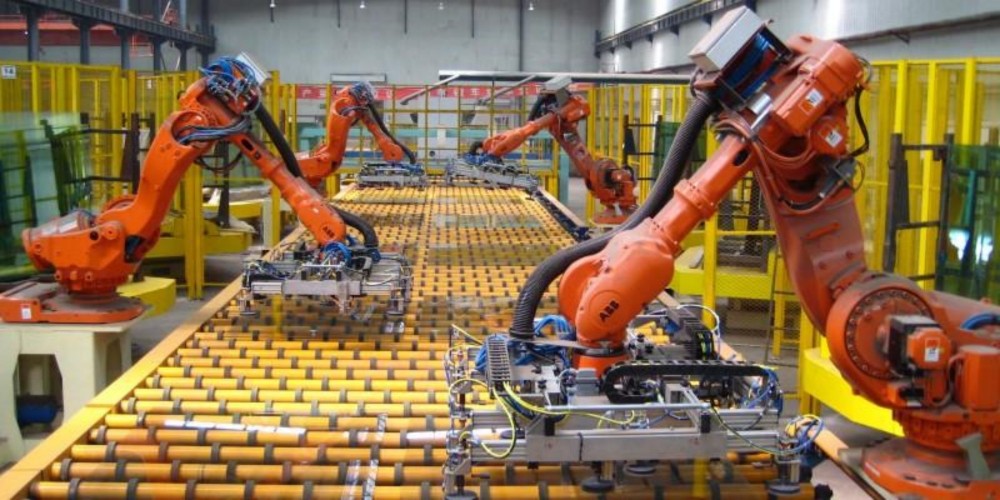 North American Robot Orders Reach $622 Million As Industrial Automation Demand Expands In 2026
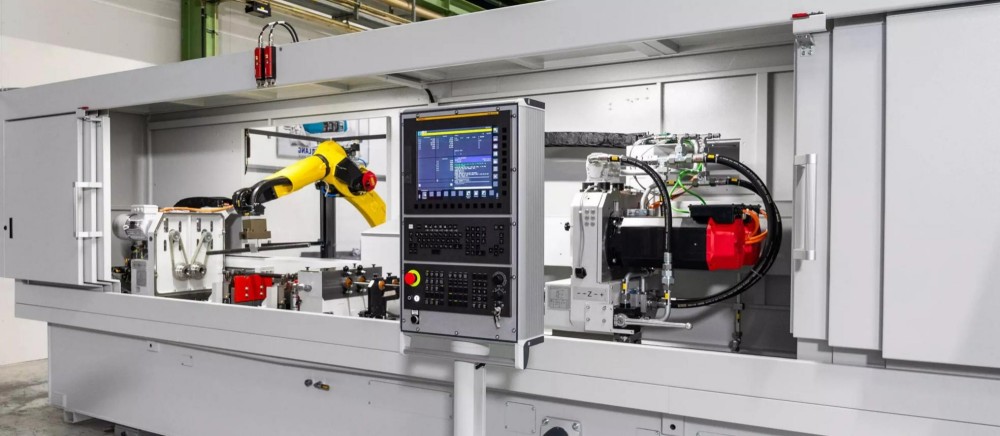 FANUC Launches 5-Axis Integrated Technology Initiative To Improve CNC Automation And Manufacturing Efficiency
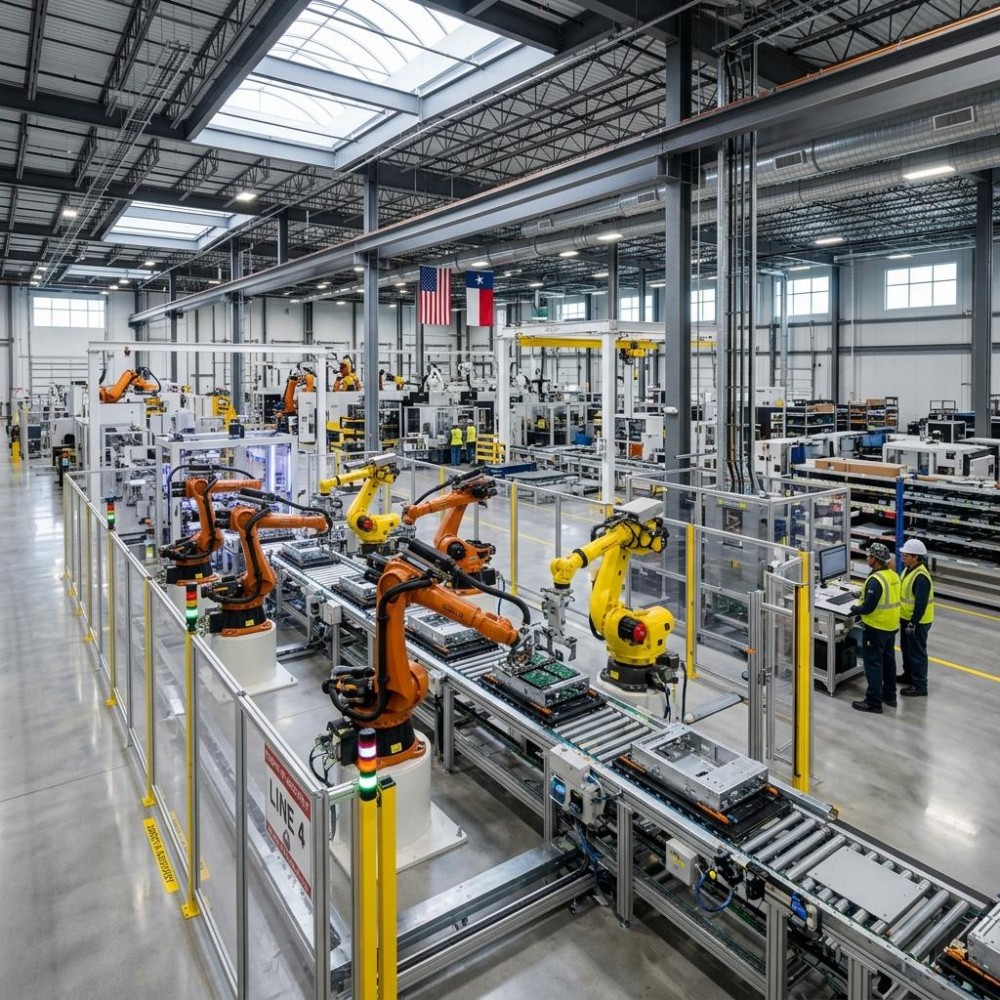 U.S. Industrial Robot Installations Rise 11% As Flexible Automation Expands
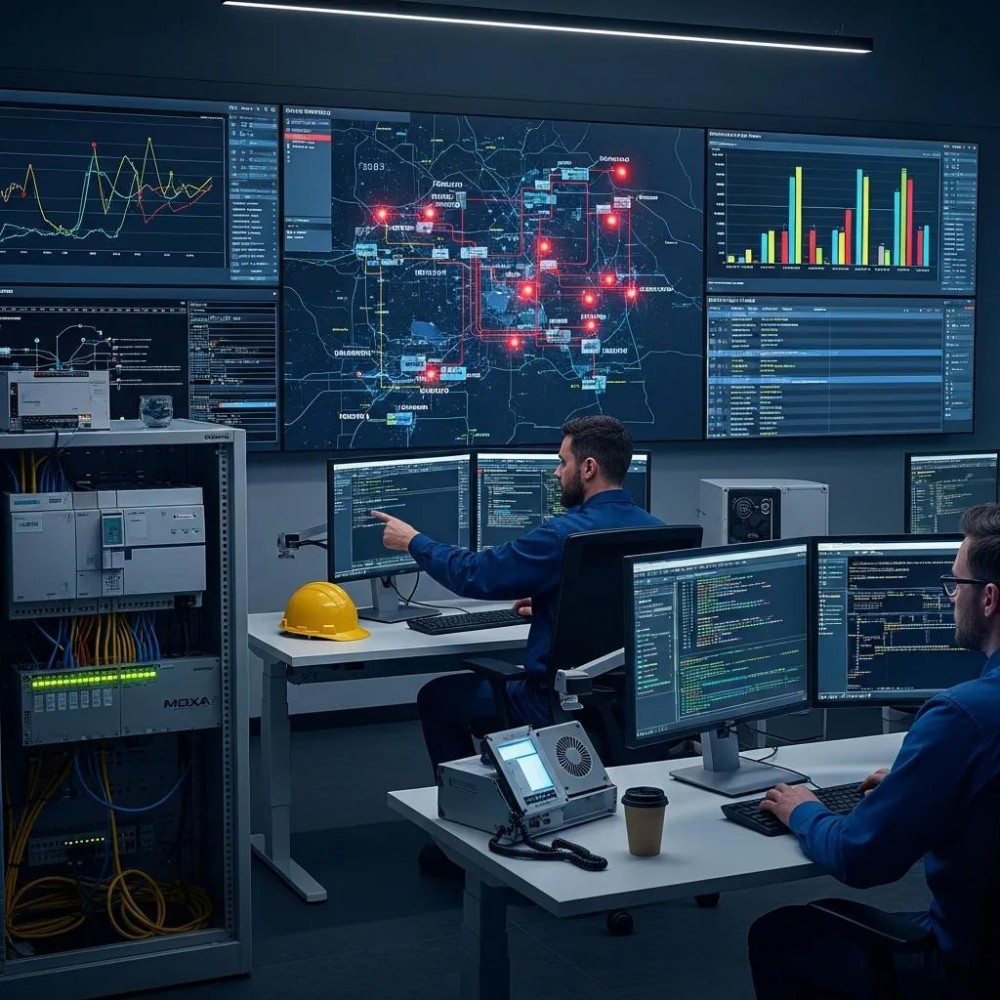 Siemens S7 PLC Cybersecurity Warning Highlights Growing OT Security Risks