100% Original, Ready to Ship!

ABB 07 KP 92 GJR5251500R0161 Communication Fault Troubleshooting Guide
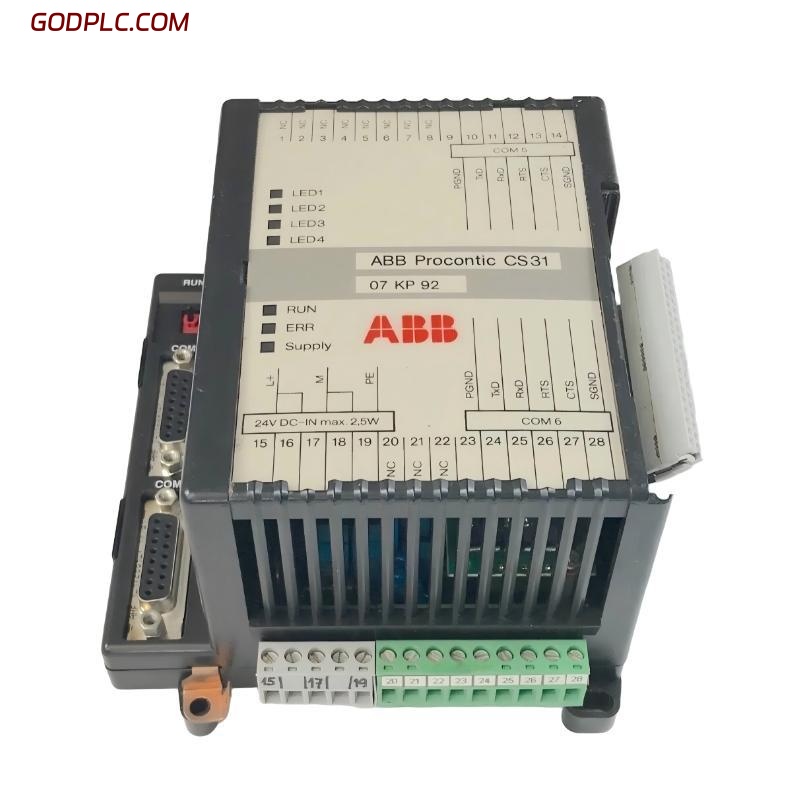
ABB 07 KP 92 communication faults are frequently misinterpreted as controller failure, but field diagnostics show that most issues originate from signal integrity problems, incorrect COM configuration, or system grounding instability.
In one real plant incident at a packaging line, the module repeatedly entered ERR state every 20–30 minutes. Initial assumption was hardware damage, but oscilloscope analysis revealed RS-485 noise spikes caused by a nearby 75kW drive inverter. After shielding and relocation, fault frequency dropped to zero.
ABB 07 KP 92 Fault Symptoms in Industrial Systems
When the ABB 07 KP 92 begins to fail or miscommunicate, engineers typically observe the following patterns:
- ERR LED blinking or solid ON during runtime
- Intermittent loss of communication with AC31 base unit
- External device timeout or “no response” signals
- System freezes after long runtime (>10 minutes to several hours)
Important engineering insight: symptoms that appear “random” are usually time-correlated with electrical load switching events or EMI bursts.
Common Causes of ABB 07 KP 92 Communication Failure
From field maintenance experience, the root causes can be grouped into three major categories:
- EMI interference from VFDs or large contactors
- Poor grounding or floating reference potential
- Incorrect COM port configuration or baud mismatch
Diagnostic assumption model:

If ERR = ON AND power = stable
→ check COM configuration first

If ERR = intermittent AND load switching exists
→ suspect EMI or grounding issue

If no response from all nodes
→ check 24V supply integrity
In most ABB AC31 installations, engineers often skip grounding validation, which leads to misdiagnosis of “faulty controller.”
ABB 07 KP 92 Fault Diagnosis Process (Field Method)
A structured fault diagnosis approach is essential. Blind replacement of the module is rarely effective.
- Check LED status pattern (RUN / ERR / SUPPLY)
- Measure 24V DC stability under load conditions
- Inspect COM cable shielding continuity
- Monitor communication line using oscilloscope
- Verify AC31 base unit synchronization state
Field case: In a water treatment facility, engineers observed periodic communication loss. Voltage tests showed stable 24V, but oscilloscope revealed 3–5V spikes on RS-485 line every time a pump motor started.
After installing ferrite cores and separating cable routing, signal stability improved immediately.
ABB 07 KP 92 Repair and Recovery Strategy
Once the root cause is identified, recovery should be done systematically to avoid recurring faults.
Recovery procedure:

1. Power OFF system completely
2. Re-check grounding continuity (<1Ω recommended)
3. Re-seat communication connectors
4. Reload system configuration from AC31 tool
5. Restart in controlled sequence
In a refinery control upgrade, this sequence reduced repeated ERR faults from 6 times/day to zero after correction of grounding and COM parameters.
Advanced Field Insight: Why ABB 07 KP 92 Appears “Random Faulty”
One of the most misleading behaviors is intermittent failure. Engineers often replace hardware unnecessarily.
However, the ABB 07 KP 92 is highly sensitive to:
- Ground potential differences between cabinets
- High-frequency noise from switching power devices
- Unterminated or long RS-485 communication lines
Once these environmental conditions are corrected, the module typically returns to stable operation without replacement.
ABB 07 KP 92 Troubleshooting FAQ – Field Engineering Answers
Why does ABB 07 KP 92 fail after long runtime?
Thermal drift is rarely the cause. Most cases are linked to EMI accumulation or unstable grounding under load switching conditions.
Can firmware cause communication faults?
Yes, but only when base unit and communication module versions are mismatched. Hardware firmware mismatch is less common than wiring issues.
Should I replace the module immediately when ERR LED appears?
No. At least 80% of cases are resolved without replacement by correcting COM wiring, shielding, or system configuration.
Final Troubleshooting Summary
The ABB 07 KP 92 GJR5251500R0161 communication fault is fundamentally a system-level integration issue, not just a module failure problem.
Proper troubleshooting must always follow engineering logic: power stability → grounding integrity → communication integrity → configuration validation.
When this structured diagnostic approach is applied, most “faulty modules” are restored to full operation without replacement, significantly reducing maintenance cost and downtime in AC31 automation systems.
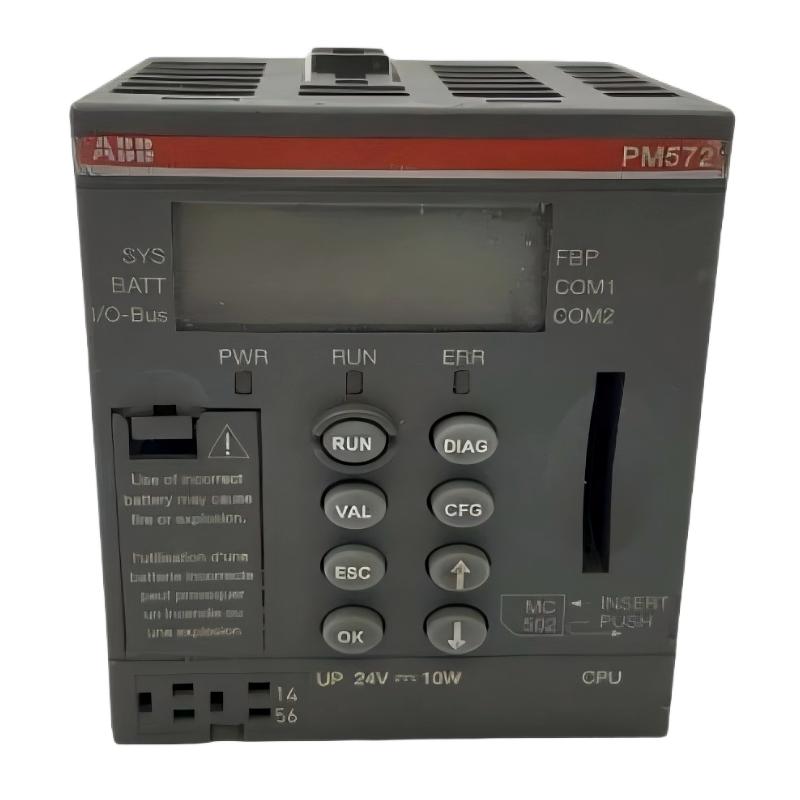 ABB PM572 1SAP130200R0200 CPU Module Troubleshooting Guide
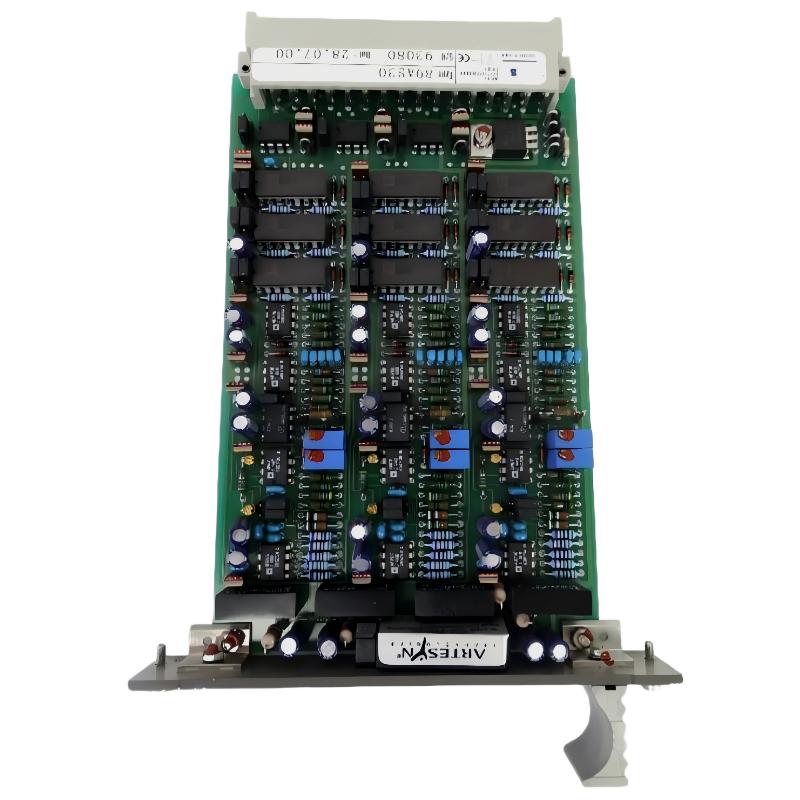 ABB 89AS30 GKWN000317R0100 Analog Signal Multiplier Troubleshooting Guide
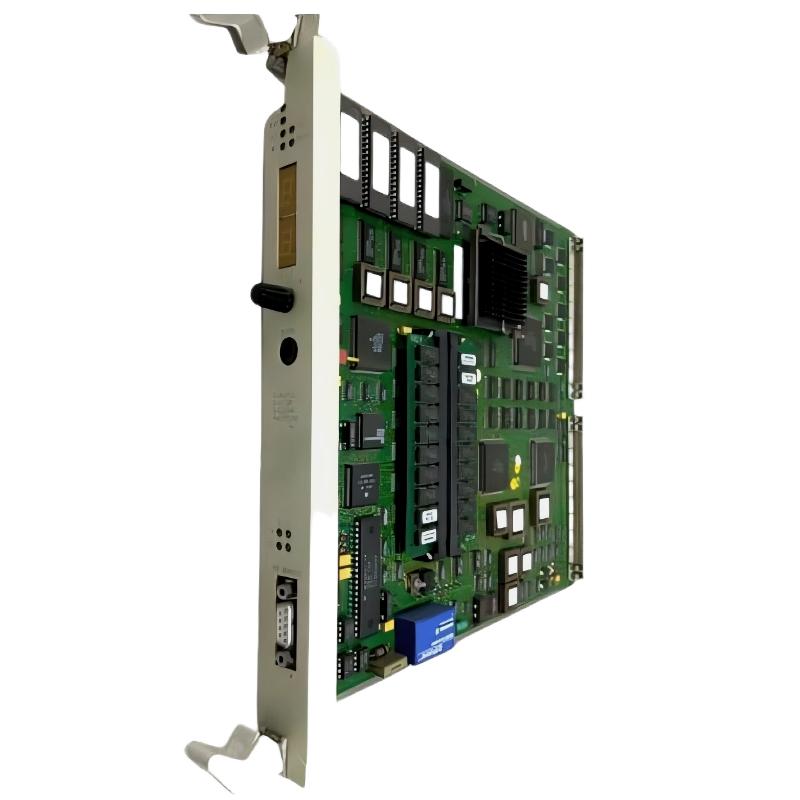 ABB PM510 3BSE000270R1 CPU Board Troubleshooting Guide
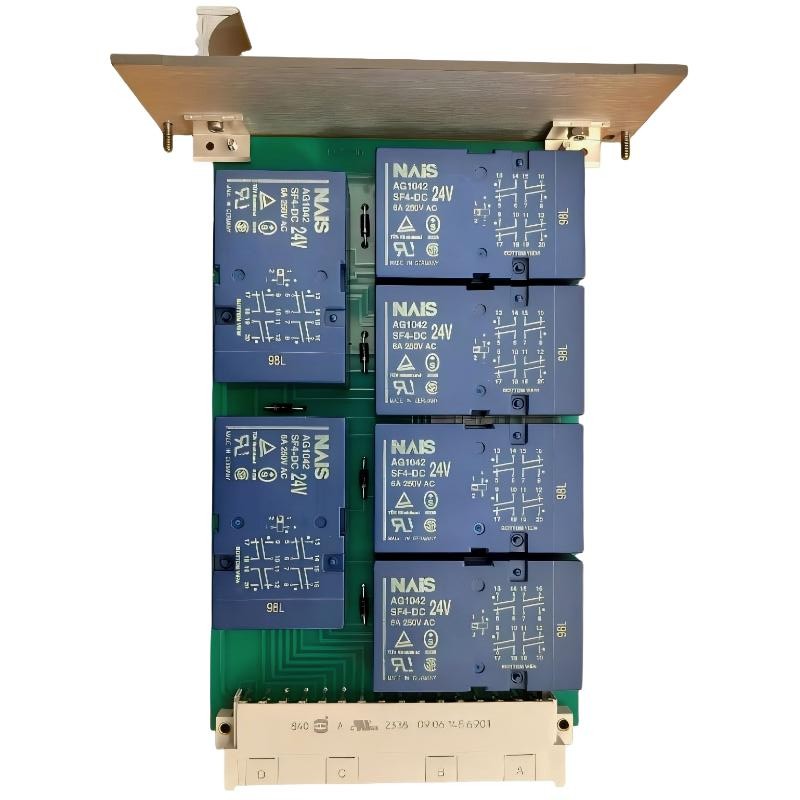 ABB 89AR30/R0100 Relay Unit Troubleshooting Guide For Control And Protection Faults