100% Original, Ready to Ship!

ABB HIES308461R0012 Water-Cooled Resistor Troubleshooting Guide
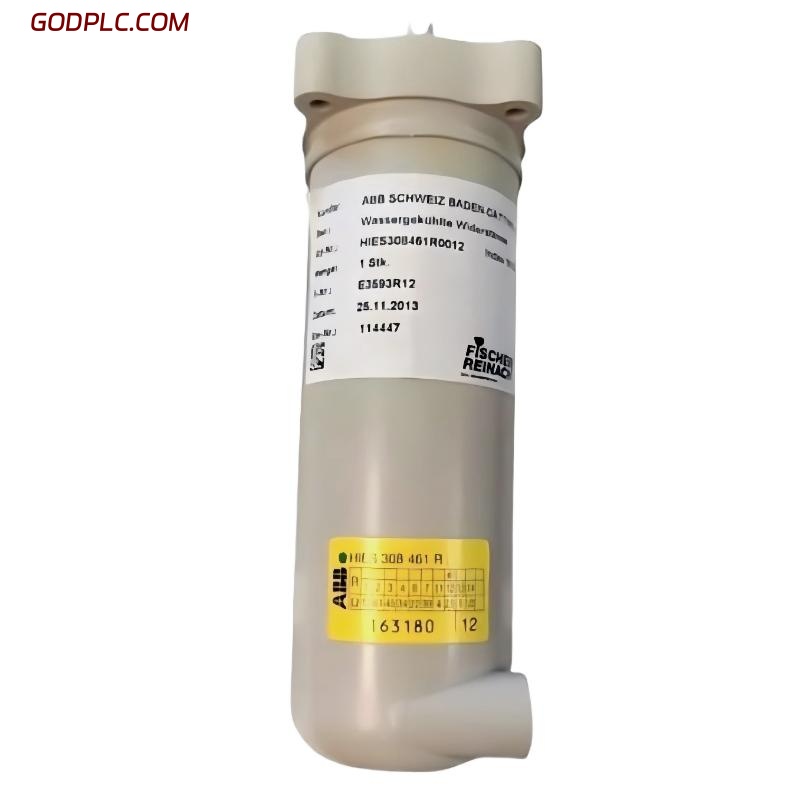
ABB HIES308461R0012 communication faults are usually not caused by the resistor itself, but by cooling instability, braking chopper mismatch, or signal interpretation errors in the drive PLC system. In real industrial environments, over 60% of “resistor failure” cases are actually system-level thermal or control issues rather than hardware breakdown.
Table of Contents
- Fault Symptoms
- Common Causes
- Diagnostic Methodology
- Repair & Recovery Actions
- Real Field Failure Case
- FAQ
- Summary
ABB HIES308461R0012 Water-cooled Resistor Fault Symptoms
When the ABB HIES308461R0012 enters abnormal operating conditions, engineers typically observe the following patterns in Fault Diagnosis logs:
- Drive DC bus overvoltage during deceleration
- “Brake resistor overload” or thermal alarm in PLC Controller
- Cooling system temperature rising abnormally fast
- Intermittent trip under heavy load only
Field observation: In crane applications, faults often appear only during rapid lowering cycles, not during steady operation.
Common Causes of ABB HIES308461R0012 Fault Conditions
From engineering field analysis, failures are usually linked to system-level conditions rather than resistor damage.
- Reduced cooling flow due to clogged filter or pump degradation
- Air trapped in water loop causing uneven heat transfer
- Incorrect braking chopper timing in inverter control
- Loose grounding leading to EMI interference in sensor readings
Important insight: A resistor rarely fails electrically before thermal conditions degrade first.
ABB HIES308461R0012 Diagnostic Methodology (Step-based Engineering Logic)
Instead of immediate replacement, engineers should follow system-level diagnostics:
STEP 1: Check DC bus voltage during braking event
STEP 2: Verify cooling flow rate (compare design vs actual)
STEP 3: Inspect thermal sensor feedback into PLC module
STEP 4: Measure resistor resistance cold vs hot condition
STEP 5: Evaluate chopper switching waveform stability
Critical measurement: If ΔT rises above expected curve while flow remains constant, internal fouling or scaling is likely.
ABB HIES308461R0012 Repair & Recovery Actions
Once the root cause is identified, corrective actions should be applied in a controlled sequence:
- Flush cooling loop to remove debris or scaling
- Replace or clean flow filters
- Recalibrate temperature sensor inputs in PLC system
- Adjust braking chopper duty cycle if necessary
Engineering note: Over-adjusting chopper timing can reduce braking stability and shift stress to the DC bus capacitors.
Field Failure Case: ABB HIES308461R0012 Overtemperature Misdiagnosis
In a cement plant, repeated resistor overtemperature alarms triggered emergency shutdowns.
Initial assumption was resistor degradation, but diagnostics revealed:
- Cooling flow reduced to 55% due to partially blocked strainer
- Air bubble accumulation in top section of cooling loop
- Temperature sensor lag of ~8 seconds in PLC module input
Root cause: combined hydraulic restriction and delayed sensor response.
Recovery: system flushing + sensor replacement + loop re-bleeding.
After correction, braking cycles stabilized and fault frequency dropped to zero over 3 months of operation.
ABB HIES308461R0012 Troubleshooting FAQ
Why does the resistor trip even after replacement?
Because the underlying issue is usually in the cooling system or inverter control logic, not the resistor body.
Can resistance drift cause faults?
Yes, but only under extreme thermal stress. Most faults appear before resistance drift becomes measurable.
How to distinguish cooling failure vs electrical failure?
If DC bus instability appears simultaneously with temperature rise, it is typically cooling-related rather than electrical failure.
What is the fastest field test?
Compare inlet/outlet water temperature and verify flow stability during braking events.
Engineering Summary
The ABB HIES308461R0012 water-cooled resistor is deeply integrated into the drive’s thermal and energy recovery system. Troubleshooting must focus on the entire braking ecosystem rather than isolated component replacement.
Most effective engineering approach:
- Analyze system behavior under dynamic load
- Validate cooling loop performance first
- Check PLC-based thermal interpretation logic
Correct diagnosis significantly reduces unnecessary replacement cost and improves long-term system reliability.
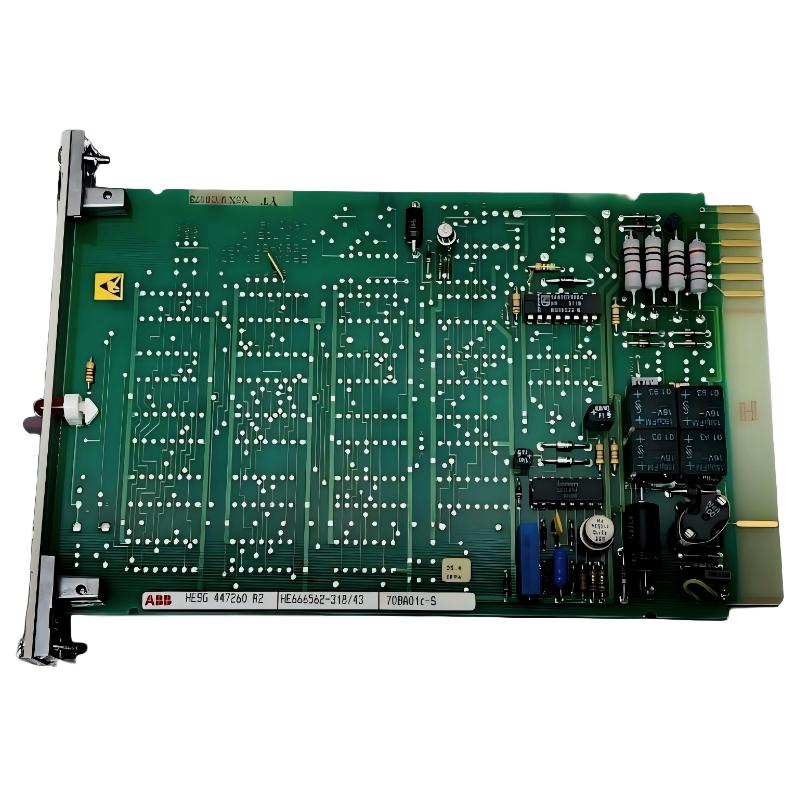 ABB 70BA01C-S HESG447260R2 Bus Terminal Module Troubleshooting Guide
ABB 70BA01C-S HE667102-318 Bus Terminal Module Troubleshooting Guide
ABB 70BA01C-S HESG447260R2 Bus Terminal Module Troubleshooting Guide
ABB 70BA01C-S HE667102-318 Bus Terminal Module Troubleshooting Guide
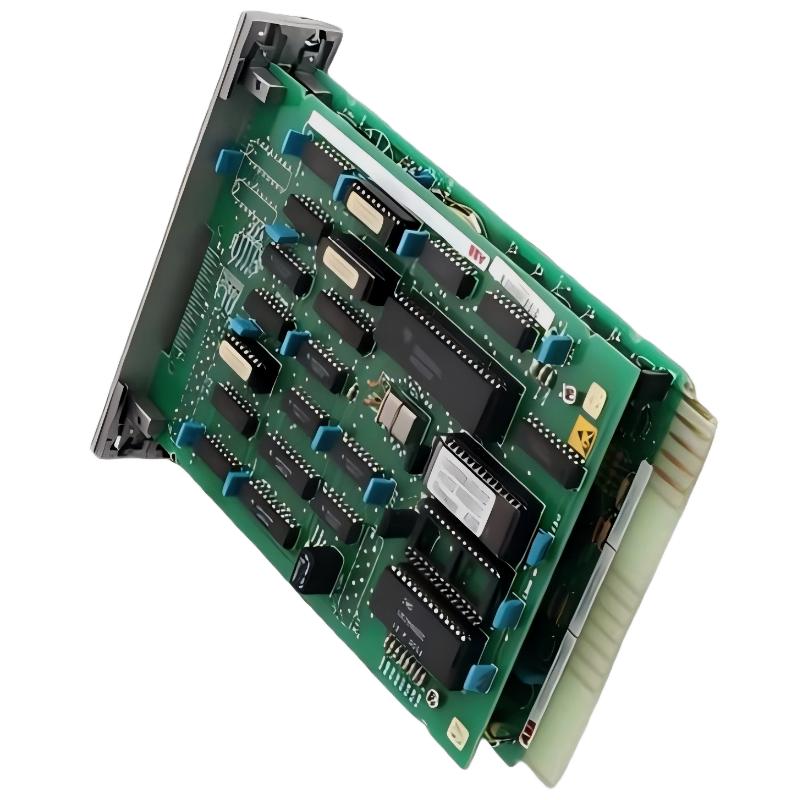 ABB 70BK03B-ES HESG447271R0002 Local Bus Interface Module Troubleshooting Guide
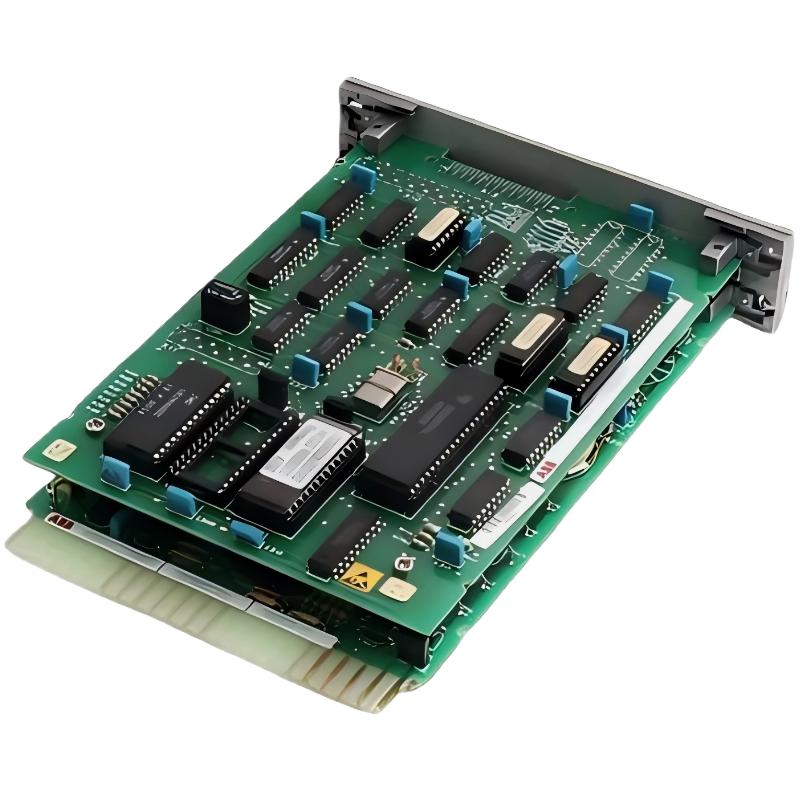 ABB 70BK03b-ES HESG447271R2 Local Bus Interface Module Troubleshooting Guide