100% Original, Ready to Ship!

Honeywell Says Zero-Carbon Factories Will Reshape Industrial Competitiveness And Accelerate Green Transformation In China
As a company with more than 90 years of presence in China, Honeywell has expressed strong support for the country’s push to develop zero-carbon factories. The company believes this initiative goes far beyond a simple emissions-reduction exercise and represents a strategic shift that will define the future competitiveness of China’s industrial sector.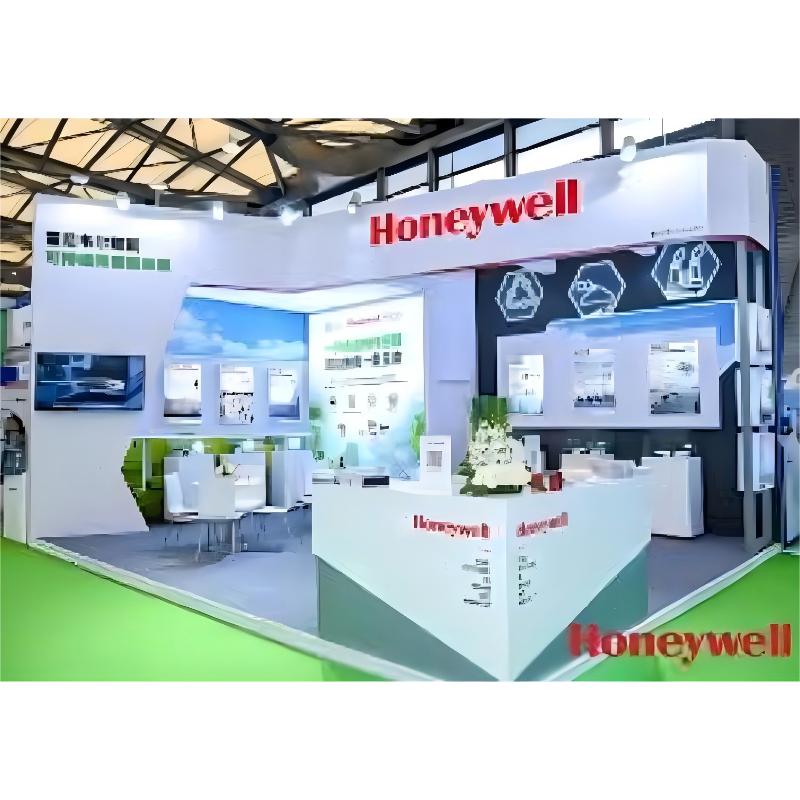
According to Honeywell, the core of zero-carbon factories lies in treating carbon as a critical efficiency metric and design constraint. This approach enables a systematic re-evaluation and redesign of factory planning, energy supply, production processes, and supply chain management. Such a transformation is expected to drive deep improvements in industrial efficiency and foster new operating models, making it a key pathway toward high-quality development.
From its own operational perspective, Honeywell has already integrated its development strategy with China’s dual-carbon goals. The company is actively advancing the decarbonization of its global operations and has committed to achieving carbon neutrality across all operations and facilities by 2035.
In China, multiple Honeywell manufacturing sites, including its Tianjin facility, have already been recognized as national or provincial green factories, providing a solid foundation for further progress toward zero-carbon operations. At the same time, the company is embedding sustainable technologies into its customer solutions to help industrial enterprises improve energy efficiency and reduce emissions.
Honeywell stated that it will continue to closely follow and actively participate in zero-carbon factory development, leveraging technological innovation and integrated solutions to support China’s industrial green transition.
 Honeywell Says Zero-Carbon Factory Transition Is A System-Level Transformation With Integrated Challenges And Opportunities
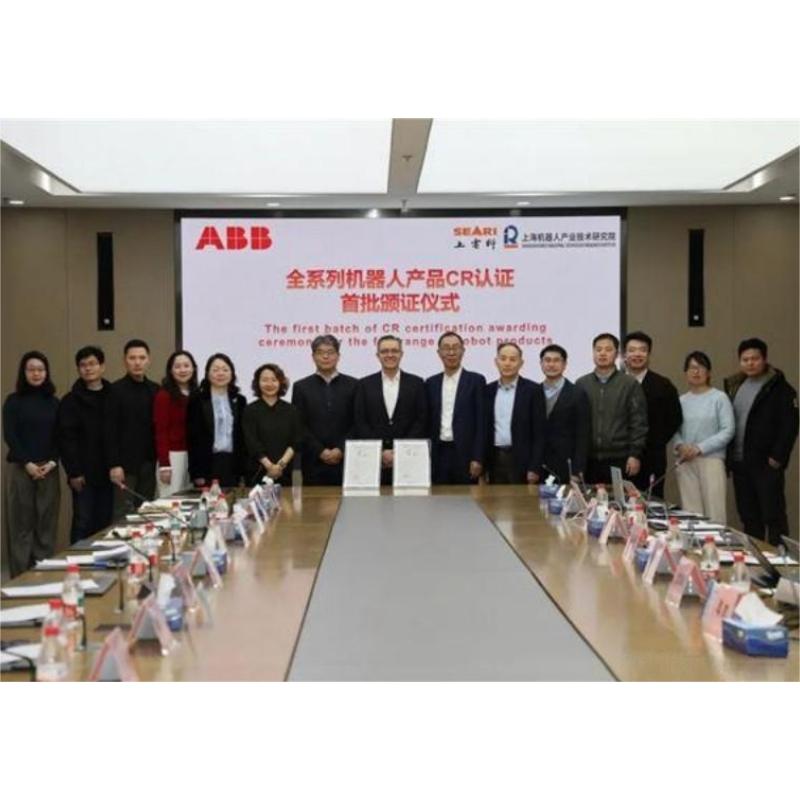 ABB Robot Full Portfolio Receives First CR Certification In China
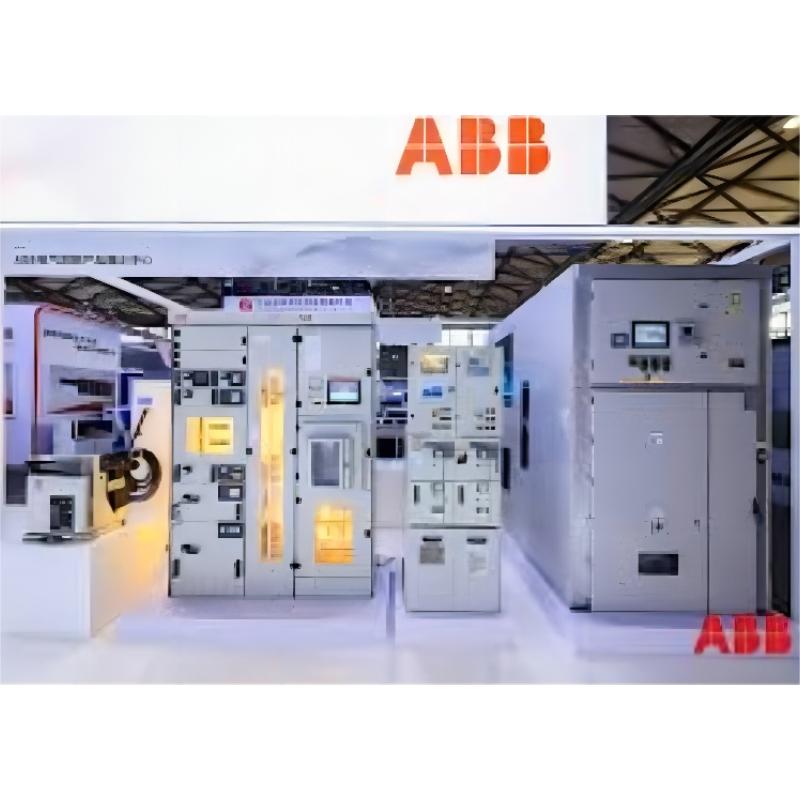 ABB Files Electrical Device Patent With Simplified Structure And Improved Operational Reliability
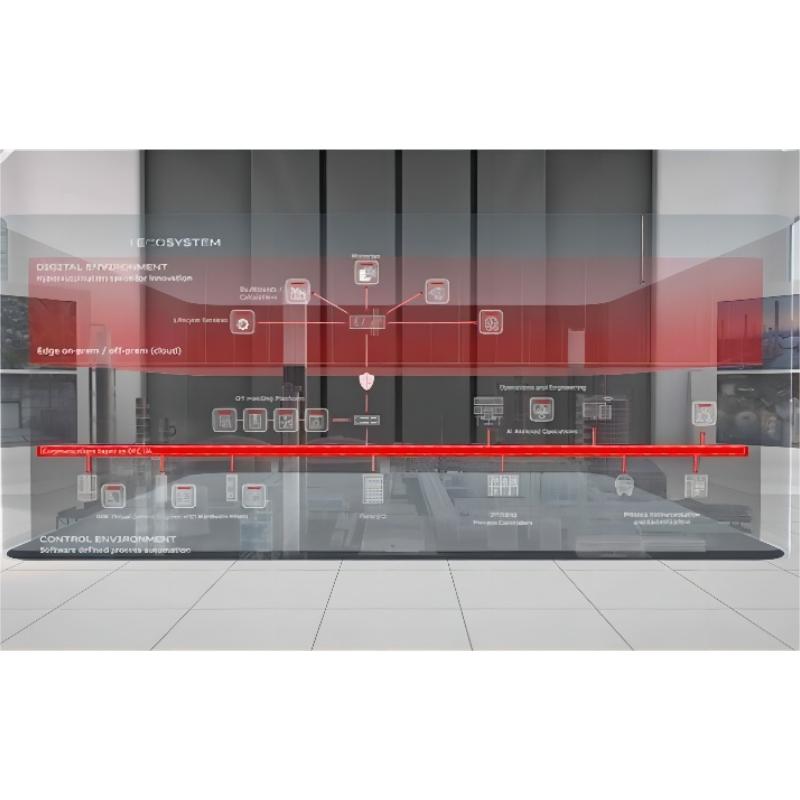 ABB Automation Extended Unlocks New Possibilities for Industrial Digitalization