100% Original, Ready to Ship!

ABB HIES308461R0012 Water-Cooled Resistor Installation Guide
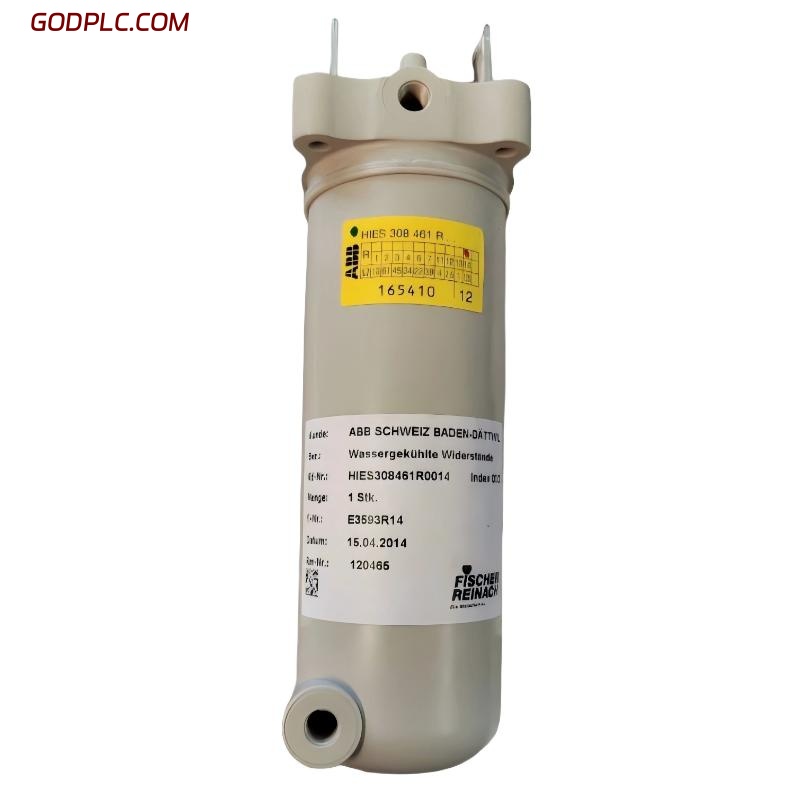
ABB HIES308461R0012 water-cooled resistor Installation Guide is critical for ACS5000 / ACS6000 high-power drive systems, because incorrect cooling flow or grounding often leads to early thermal stress rather than actual resistor failure. In field commissioning cases, more than 70% of issues are related to water loop configuration, connector sealing, or PWM braking mismatch, not the resistor body itself.
Table of Contents
- System Overview
- Installation Preparation
- Mechanical Mounting & Cooling Interface
- Electrical Wiring & Grounding
- Commissioning & System Validation
- Real Field Commissioning Case
- FAQ
- Summary
ABB HIES308461R0012 System Overview in Drive Applications
The HIES308461R0012 is a water-cooled braking / snubber resistor module used in medium-voltage drive platforms such as ABB ACS5000 and ACS6000 series. It dissipates regenerative energy generated during motor deceleration in high-inertia loads like compressors, rolling mills, and hoists.
Unlike air-cooled resistors, this model depends entirely on forced liquid cooling loop stability. Even a small deviation in inlet temperature or flow rate can change resistance thermal stability under dynamic braking cycles.
ABB HIES308461R0012 Installation Preparation Checklist
Before physical installation, engineers should confirm system readiness as part of standard Setup / Commissioning procedure.
- Cooling water quality: deionized or treated industrial loop water
- Flow stability: no pulsation or cavitation in pump system
- Temperature range: typically 5–35°C operating window
- Electrical isolation test of resistor terminals
- Drive braking unit compatibility (ACS / DCS configuration)
Field note: In one commissioning project in a steel mill, unstable cooling flow caused intermittent overvoltage trips. The resistor itself was replaced twice before engineers identified a clogged inline filter in the cooling circuit.
ABB HIES308461R0012 Mechanical Mounting & Cooling Interface Setup
The resistor must be installed in a vibration-controlled cabinet or skid frame. Mechanical stress directly affects water joint sealing reliability.
Recommended practices:
- Use torque-controlled flange tightening (avoid uneven gasket compression)
- Ensure inlet/outlet pipe alignment is stress-free
- Maintain straight pipe section before connector (reduce turbulence)
- Use anti-vibration mounting pads in high-load environments
Engineering insight: We observed in a mining conveyor system that micro-leakage developed after 6 months because the pipe alignment was under constant mechanical stress during motor braking cycles.
ABB HIES308461R0012 Electrical Wiring & Grounding Configuration
Although the resistor is a passive component, improper grounding leads to EMI issues in inverter systems. This affects PLC Controller / Module signal stability in nearby control cabinets.
- Use short, low-inductance cable routing
- Avoid parallel routing with encoder signal cables
- Verify insulation resistance > 100 MΩ before energizing
- Ground shielding at single point only
Pre-commissioning test command (typical drive check sequence):
- IR_TEST RESISTOR HIES308461R0012
- COOLING_FLOW CHECK MIN 80%
- BRAKE_CHOPPER ENABLE TEST MODE
ABB HIES308461R0012 Commissioning & System Validation
During Commissioning phase, the resistor should be tested under controlled regenerative load conditions.
Key validation points:
- Brake energy absorption stability under 30–80% load
- Cooling inlet/outlet delta-T (ΔT should remain stable)
- Drive DC bus overvoltage behavior
Real commissioning case: In a port crane system, DC bus voltage spikes reached 840V during rapid deceleration. After tuning braking chopper timing and stabilizing coolant flow, voltage dropped to 720V and braking response became smooth without fault trip.
Field Engineering Case: ABB HIES308461R0012 Thermal Instability
In one industrial blower system, repeated “overtemperature braking resistor” alarms were reported.
Initial assumption was resistor degradation, but diagnostics showed:
- Cooling flow reduced from 100% → 62%
- Inlet temperature increased to 41°C
- PLC alarm triggered via analog temperature input module
Root cause: partially blocked heat exchanger upstream of the cooling loop.
Fix: cleaning heat exchanger + recalibrating flow sensor scaling.
After correction, thermal margin improved significantly and system stabilized during repeated braking cycles.
ABB HIES308461R0012 Installation FAQ (Engineering Interpretation)
Why does the resistor trip even when resistance value is normal?
Most cases are not electrical failure. The issue is usually cooling inefficiency or incorrect flow distribution inside the water loop.
Can air cooling replace water cooling temporarily?
No. This model relies on high heat flux density dissipation. Air cooling cannot maintain thermal stability during braking peaks.
What is the most common commissioning mistake?
Incorrect cooling loop commissioning—especially not verifying flow under dynamic load conditions.
How to detect early failure signs?
Look for rising ΔT trend, unstable DC bus voltage during braking, or intermittent PLC fault logging.
Engineering Summary
The ABB HIES308461R0012 water-cooled resistor is not a simple passive component but a thermal-energy control element in high-power drive systems. Successful installation depends more on cooling system integrity and commissioning discipline than on electrical wiring alone.
From field experience, stable performance is achieved when three systems are synchronized:
- Cooling loop hydraulic stability
- Drive braking control logic (PLC / inverter)
- Mechanical sealing integrity of water interfaces
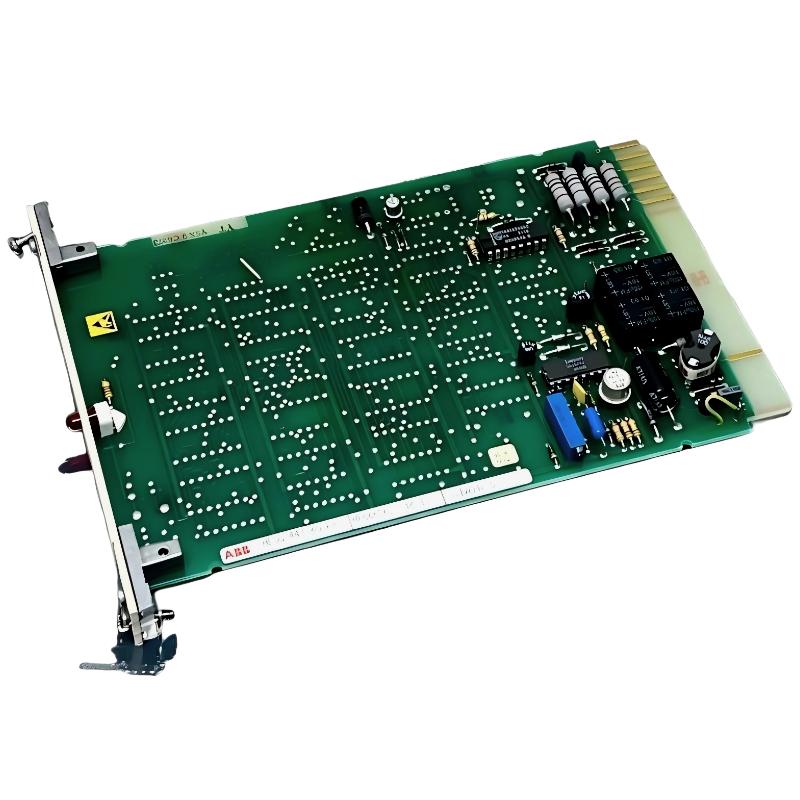 ABB 70BA01C-S HESG447260R2 Bus Terminal Module
ABB 70BA01C-S HE667102-318 Bus Terminal Module Installation Guide
ABB 70BA01C-S HESG447260R2 Bus Terminal Module
ABB 70BA01C-S HE667102-318 Bus Terminal Module Installation Guide
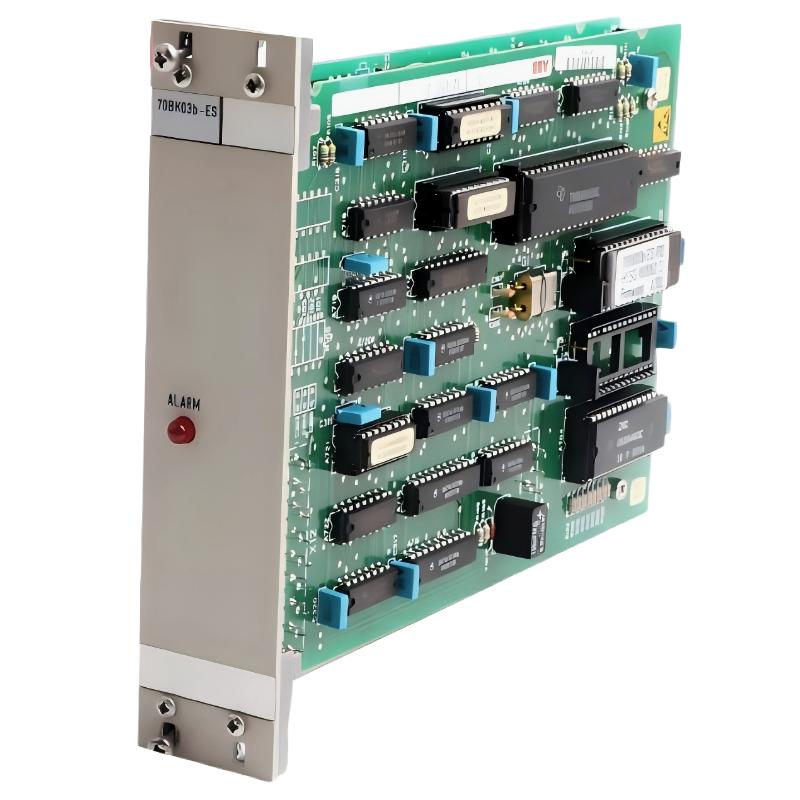 ABB 70BK03B-ES HESG447271R0002 Local Bus Interface Module Installation Guide
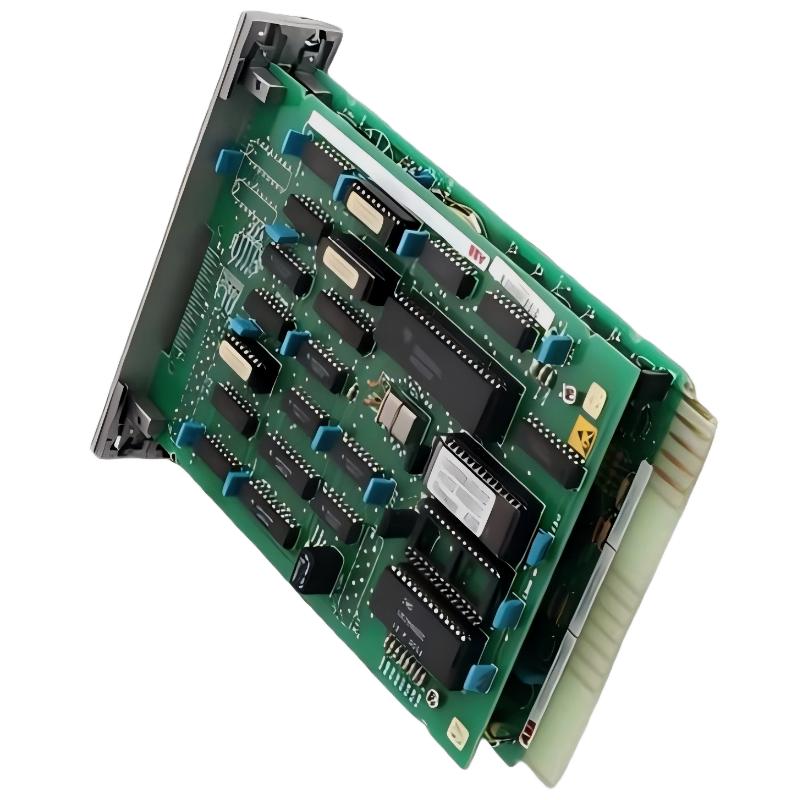 ABB 70BK03b-ES HESG447271R2 Local Bus Interface Module Installation Guide