100% Original, Ready to Ship!

Schneider Electric Launches Software-Defined DCS To Accelerate Next-Generation Industrial Automation
In 2026, industrial automation entered a new era with the introduction of Schneider Electric’s EcoStruxure Foxboro Software-Defined Automation (SDA), a breakthrough that redefines how Distributed Control Systems (DCS) are designed, deployed, and maintained in modern industrial environments.
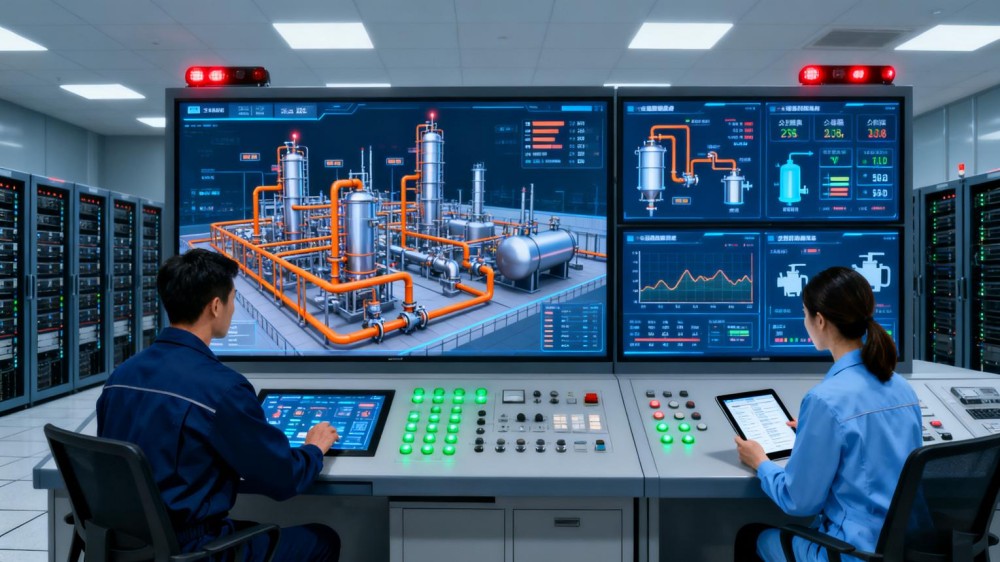
Unlike traditional DCS architectures that rely heavily on proprietary hardware stacks, this new approach separates software from hardware infrastructure, enabling a far more flexible and scalable automation model. The shift represents a major transformation for process industries such as oil & gas, chemicals, power generation, and water treatment.
A Shift from Hardware-Centric to Software-Centric Control
For decades, DCS platforms have been tightly coupled with vendor-specific controllers and rigid hardware configurations. This often made system upgrades slow, costly, and disruptive.
The new software-defined model changes this structure entirely. By decoupling automation logic from physical controllers, engineers can now deploy control strategies on standardized industrial computing platforms, including hybrid cloud infrastructure.
This architecture allows plants to:
- Reduce dependency on proprietary hardware
- Improve system scalability and flexibility
- Enable faster modernization without full system shutdowns
- Extend lifecycle of existing industrial assets
Cybersecurity and Industrial Reliability
One of the most important advancements in the new SDA model is its embedded cybersecurity framework. As industrial systems become more connected through OT/IT convergence, security risks have increased significantly.
The new system integrates security at multiple layers, including:
- Secure-by-design architecture
- IEC 62443-aligned industrial cybersecurity
- Encrypted communication between control layers
- Role-based access control for operators and engineers
This ensures that increased digital connectivity does not compromise operational safety or reliability.
Integration with Industrial AI and Edge Computing
Modern industrial operations require real-time data processing and intelligent decision-making. The software-defined DCS integrates seamlessly with AI-enabled systems and edge computing nodes.
This allows:
- Predictive maintenance based on real-time sensor data
- AI-assisted process optimization
- Faster anomaly detection in critical operations
- Improved energy efficiency across industrial systems
Impact on PLC and Hybrid Automation Systems
While PLC systems remain essential for discrete manufacturing, the introduction of software-defined DCS is bridging the gap between PLC, SCADA, and process control environments.
Hybrid automation architectures are becoming the new standard, where:
- PLC handles machine-level control
- DCS manages large-scale process coordination
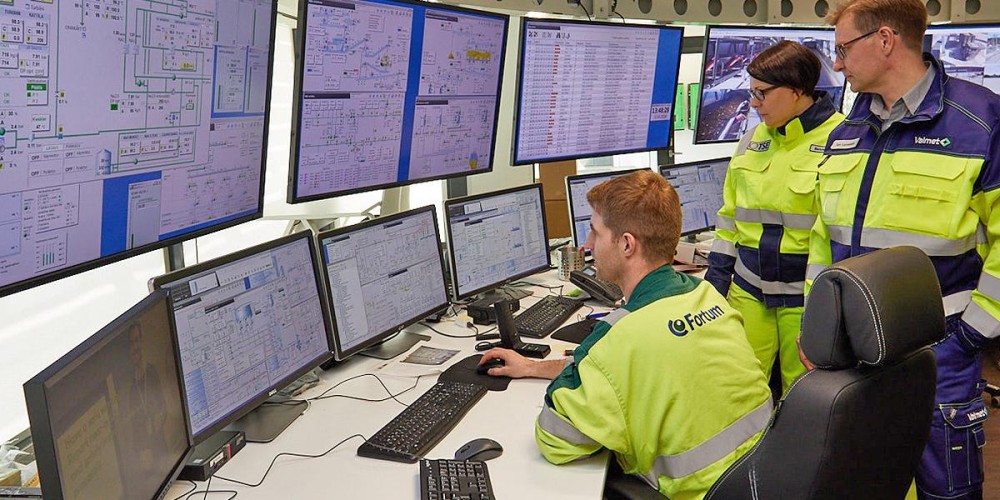
- SCADA provides visualization and supervisory control
- AI systems optimize overall performance
This convergence is reshaping the global automation landscape.
Future Outlook
The shift toward software-defined automation is expected to continue accelerating. Industrial companies are now prioritizing systems that support:
- Remote deployment
- Cloud-based engineering
- Modular upgrades
- Vendor-independent architectures
This evolution marks a fundamental change in how industrial plants will be designed and operated over the next decade.
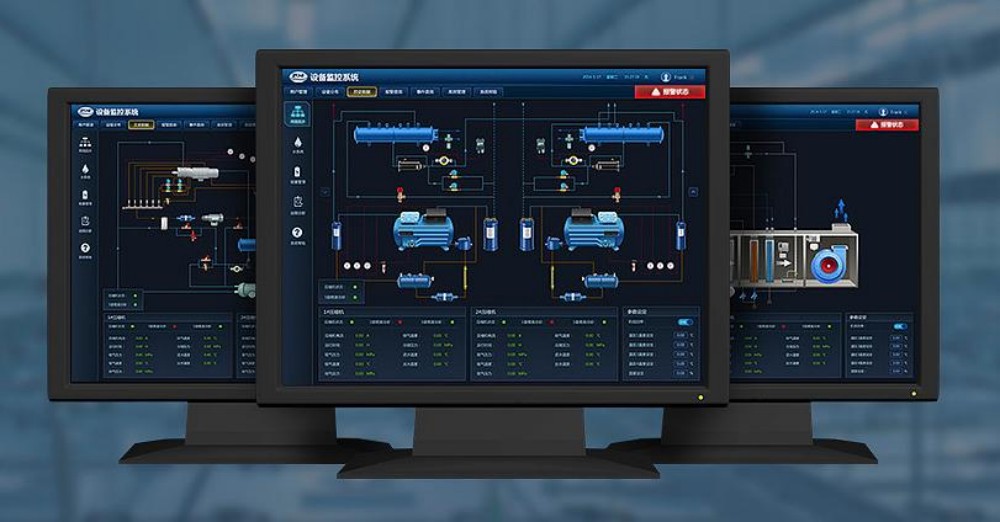 PLC And DCS Integration Becomes Key Technology Trend For Next Generation Industrial Automation Systems
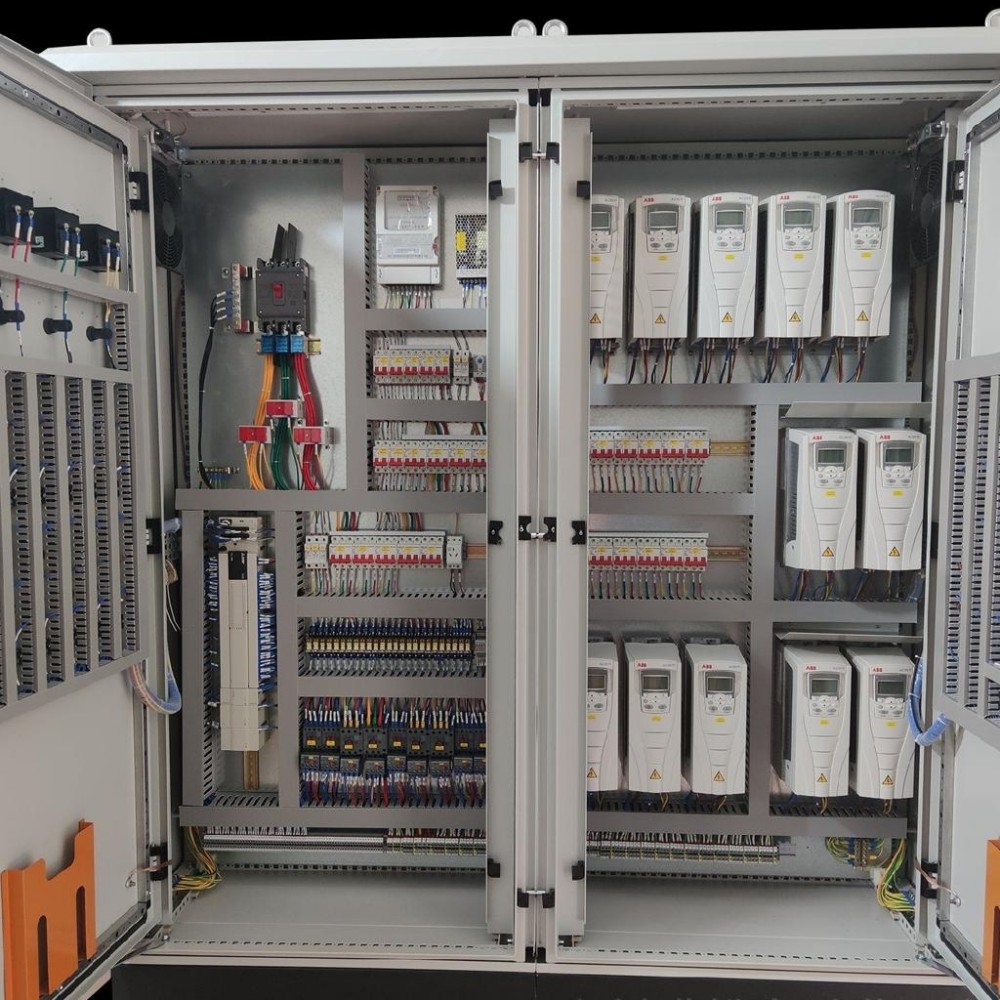 ABB Expands Industrial Automation Strategy With Advanced Electrification And Control Technology Development
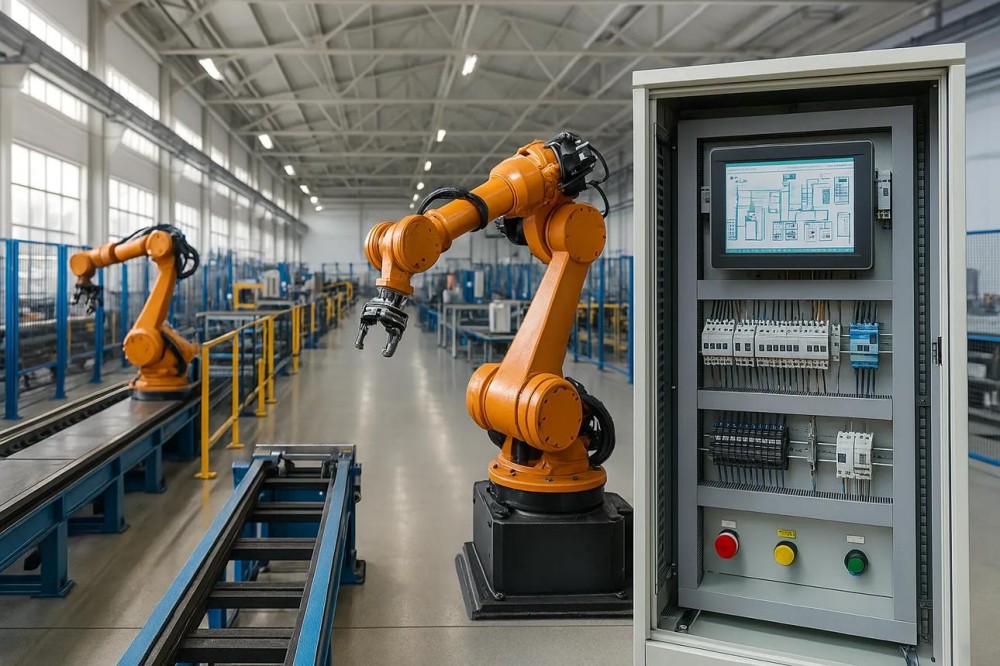 Industrial Automation Trends 2026: AI-Powered PLC And DCS Systems Accelerate Smart Factory Development
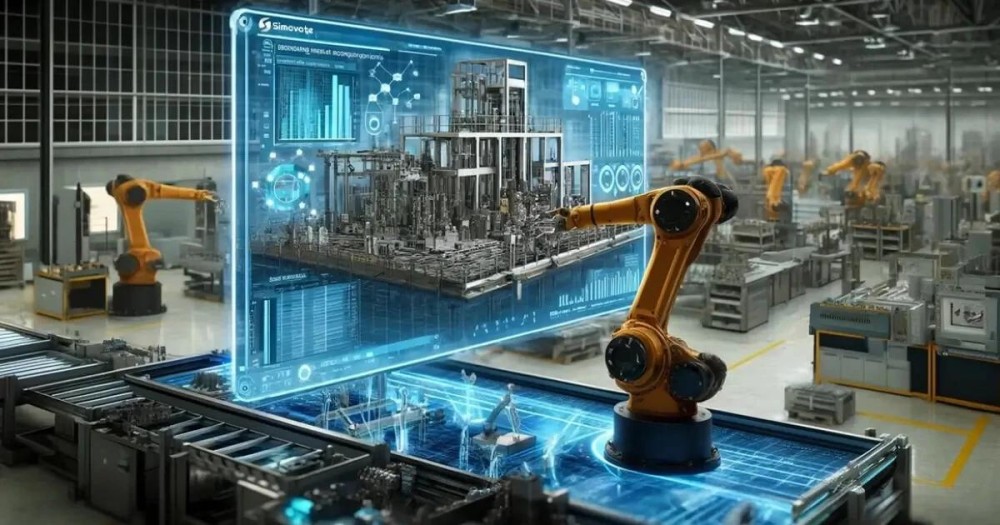 AI And Digital Twin Technologies Transform The Future Of Industrial Automation Systems