100% Original, Ready to Ship!

DCS Modernization And Software-Defined Automation Reshape Process Industries In 2026
Distributed Control Systems (DCS) are undergoing a major transformation as industries transition toward software-defined automation architectures. In 2026, process industries such as oil refining, chemical production, and power generation are increasingly adopting modernized DCS platforms that integrate cloud computing, AI analytics, and edge control systems.
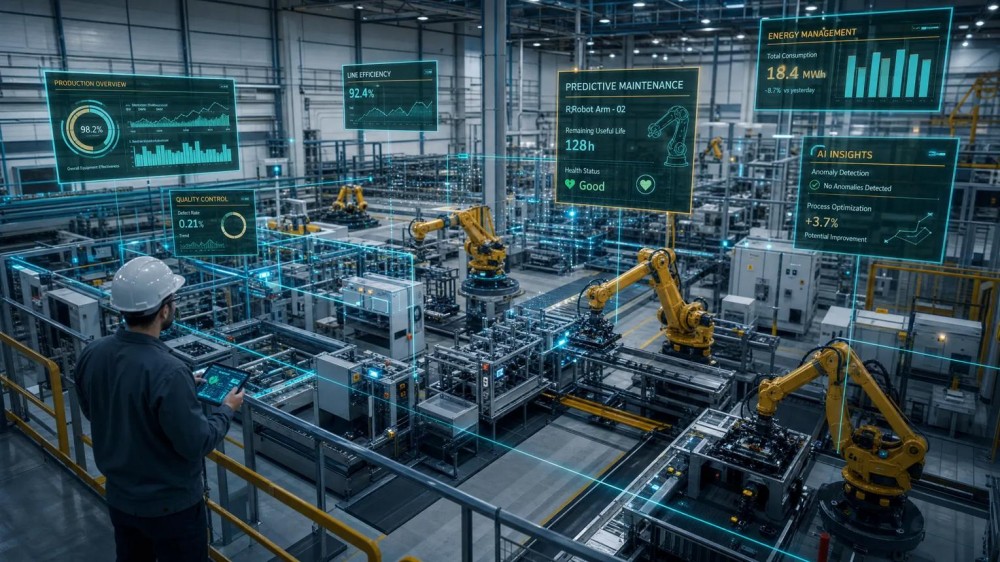
Transition from Hardware-Based to Software-Defined DCS
Traditional DCS systems were heavily dependent on proprietary hardware and centralized control architectures. However, the industry is now moving toward flexible, software-defined systems.
This shift enables:
- Easier system scalability
- Lower maintenance costs
- Faster system upgrades
- Improved interoperability between vendors
Software-defined automation allows control logic to be deployed dynamically across distributed environments.
Integration of Cloud and Edge in Process Automation
Modern DCS platforms now combine cloud-based analytics with edge-level control execution.
Edge devices handle real-time process control, while cloud systems manage:
- Long-term data analytics
- Predictive maintenance models
- Production optimization strategies
This hybrid architecture improves both performance and visibility.
AI-Powered Process Optimization in DCS Systems
Artificial intelligence is becoming deeply integrated into process automation systems. AI models analyze large volumes of industrial data to optimize:
- Temperature control
- Flow rates
- Energy efficiency
- Production yield
This results in improved operational stability and reduced waste.
Importance of Interoperability in Modern Automation Systems
One of the biggest challenges in DCS modernization is interoperability between different vendor systems.
To solve this, industrial communication standards such as OPC UA and Ethernet-based protocols are being widely adopted.
This allows seamless integration between PLCs, DCS platforms, and third-party systems.
Workforce Transformation in Industrial Automation
As systems become more digital and software-driven, workforce skills requirements are also changing.
Modern engineers must now understand:
- PLC programming and integration
- Industrial networking
- Data analytics
- Cybersecurity principles
Training programs and automation education are becoming essential for industry growth.
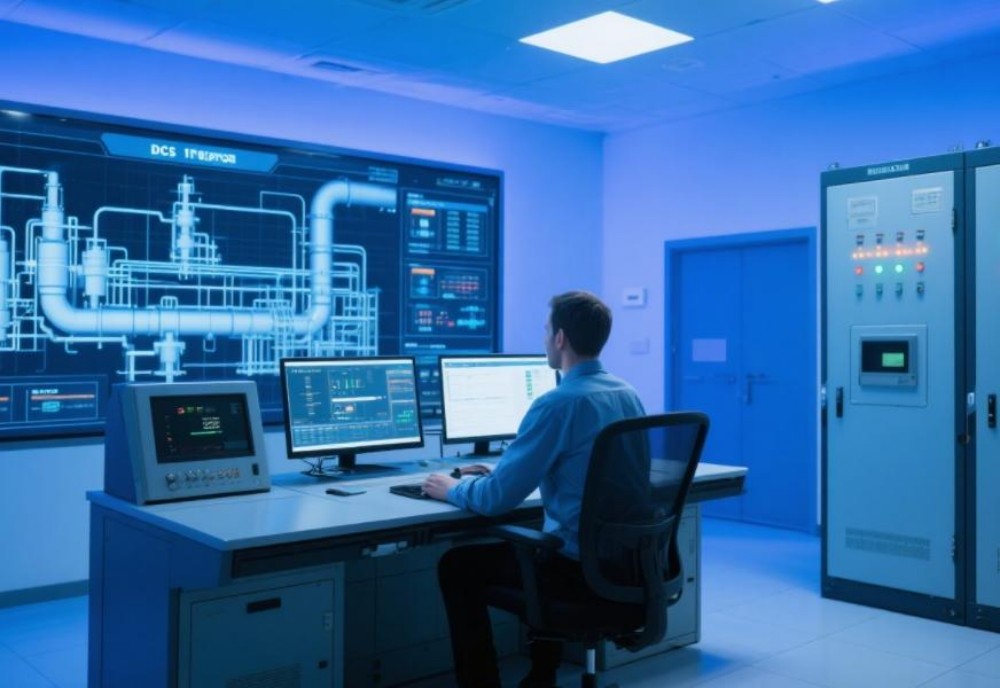
Conclusion
DCS modernization is transforming process industries into highly efficient, software-defined production environments. The combination of AI, cloud computing, and edge control is enabling a new generation of intelligent industrial systems.
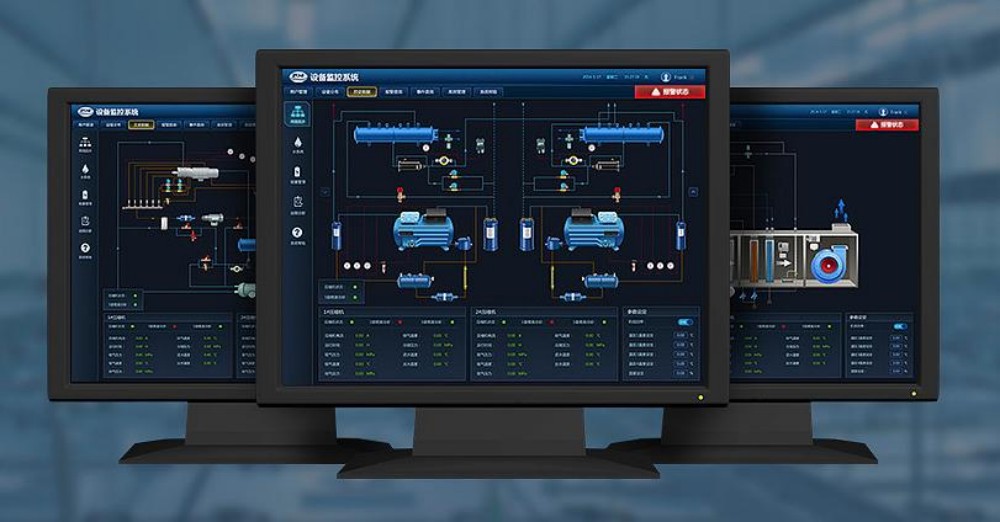 PLC And DCS Integration Becomes Key Technology Trend For Next Generation Industrial Automation Systems
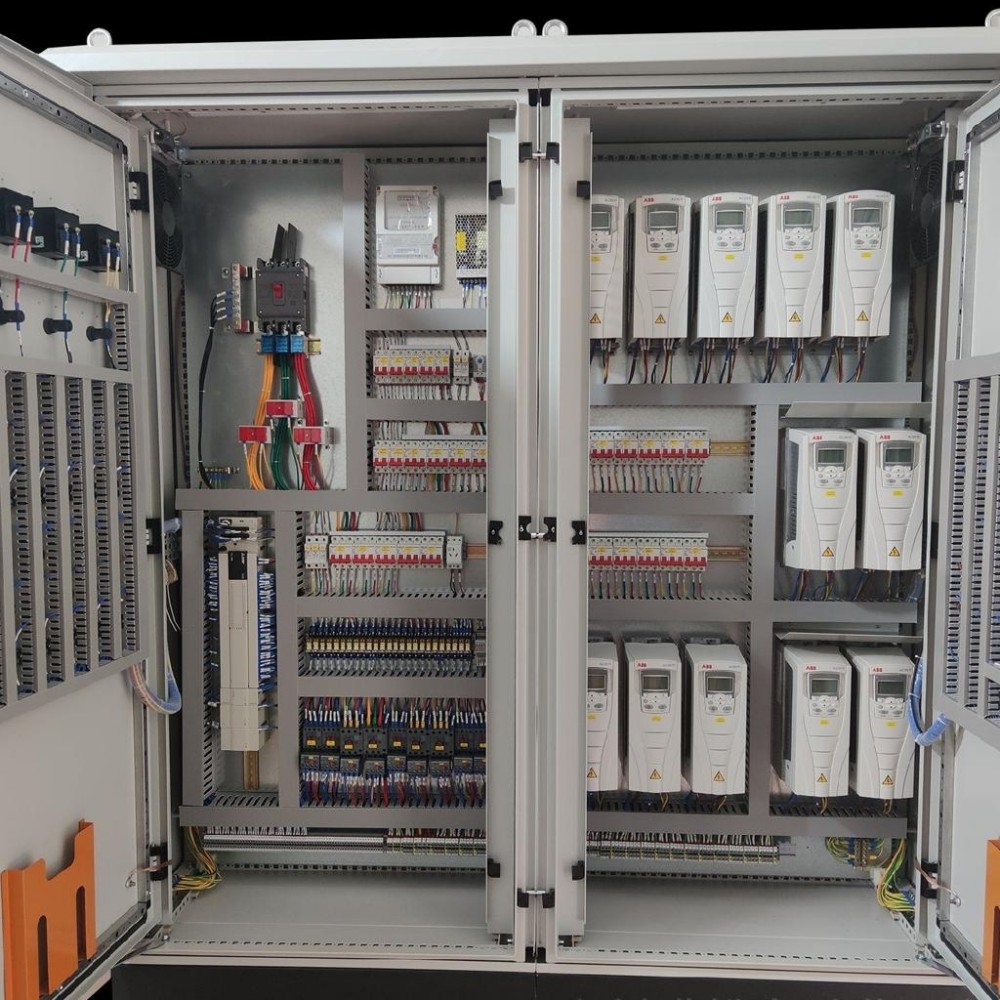 ABB Expands Industrial Automation Strategy With Advanced Electrification And Control Technology Development
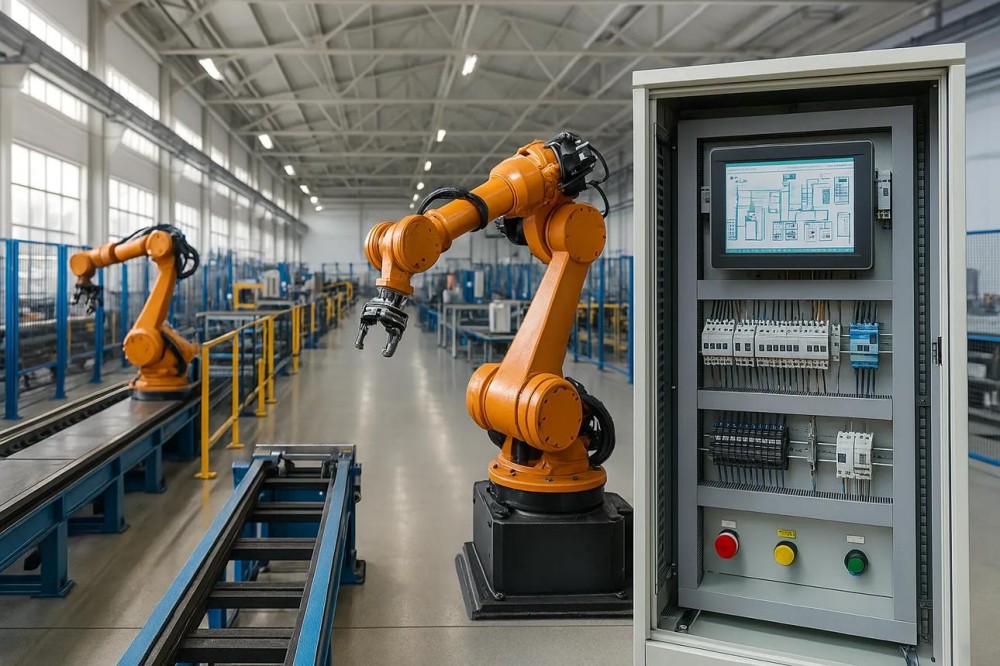 Industrial Automation Trends 2026: AI-Powered PLC And DCS Systems Accelerate Smart Factory Development
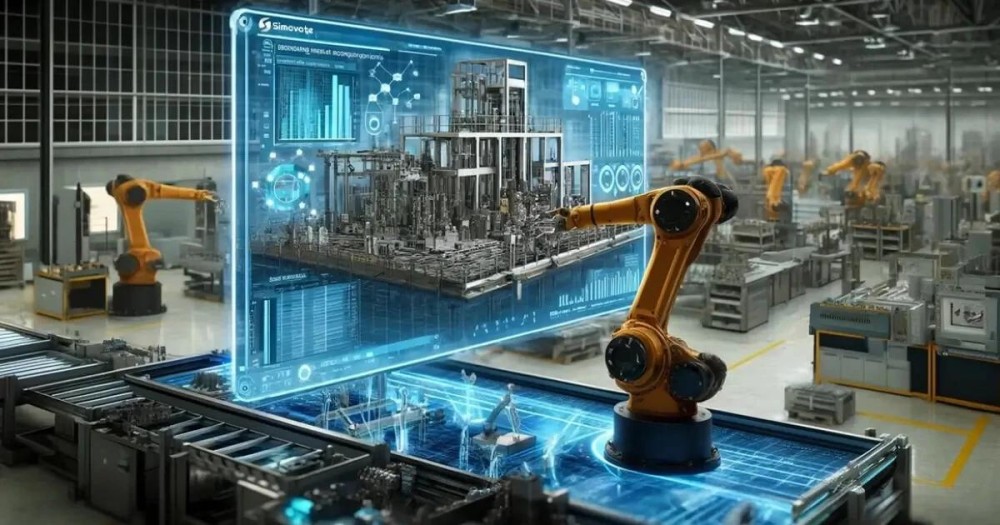 AI And Digital Twin Technologies Transform The Future Of Industrial Automation Systems