100% Original, Ready to Ship!

Open And Software-Defined DCS Systems Are Transforming Industrial Automation In 2026
Introduction
The industrial automation sector in 2026 is undergoing a major shift toward open architecture and software-defined Distributed Control Systems (DCS). Traditional closed control systems are being replaced by flexible, scalable platforms that integrate PLC, SCADA, cloud analytics, and AI-driven optimization.
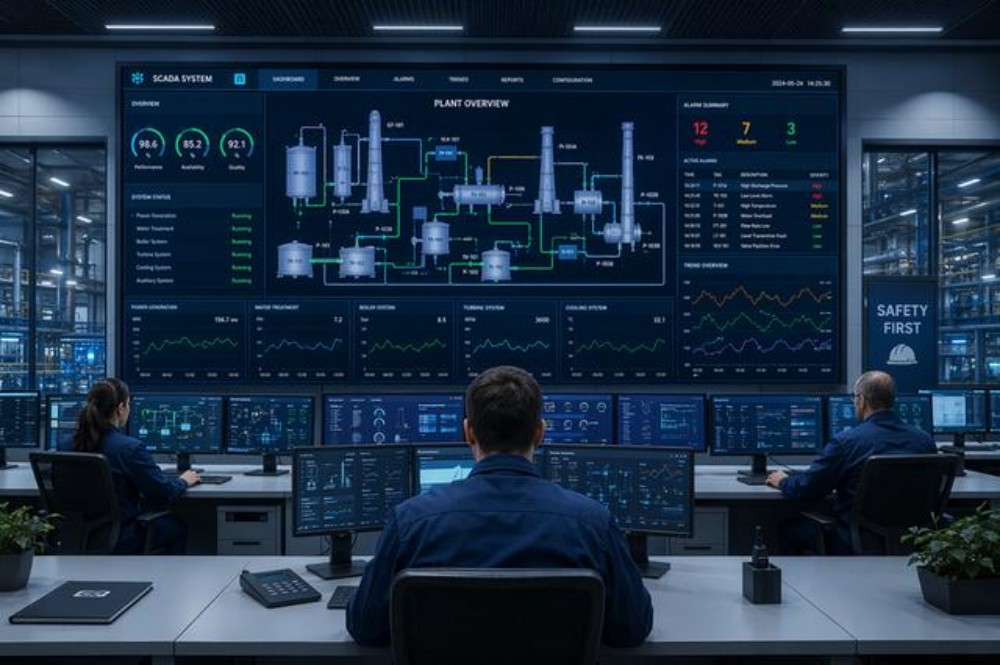
One of the most significant developments in this trend is the emergence of next-generation DCS platforms designed to unify hardware and software into a more adaptive ecosystem.
Software-Defined Automation Becomes Industry Standard
Leading automation companies are actively moving toward software-defined architectures. This approach allows industrial operators to decouple control logic from physical hardware, enabling:
- Faster system upgrades without downtime
- Better integration with IIoT platforms
- Reduced engineering complexity
- Improved cybersecurity layers
- Cloud and edge hybrid deployment
Modern DCS systems are no longer just control tools—they are becoming data-driven decision platforms for entire industrial plants.
Integration of AI and Industrial Data
Another major trend is the integration of Artificial Intelligence into DCS and PLC ecosystems. AI models are now being used to:
- Predict equipment failures before they happen
- Optimize energy consumption in real time
- Improve process efficiency in chemical and manufacturing industries
- Support autonomous decision-making in production lines
This evolution is pushing traditional PLC systems into a broader ecosystem of intelligent automation.
Impact on Manufacturing Industry
Manufacturing plants adopting these technologies report:
- Higher production efficiency
- Reduced maintenance costs
- Improved system flexibility
- Better scalability for global operations
Industries such as oil & gas, power generation, water treatment, and pharmaceuticals are leading this transformation.
Future Outlook
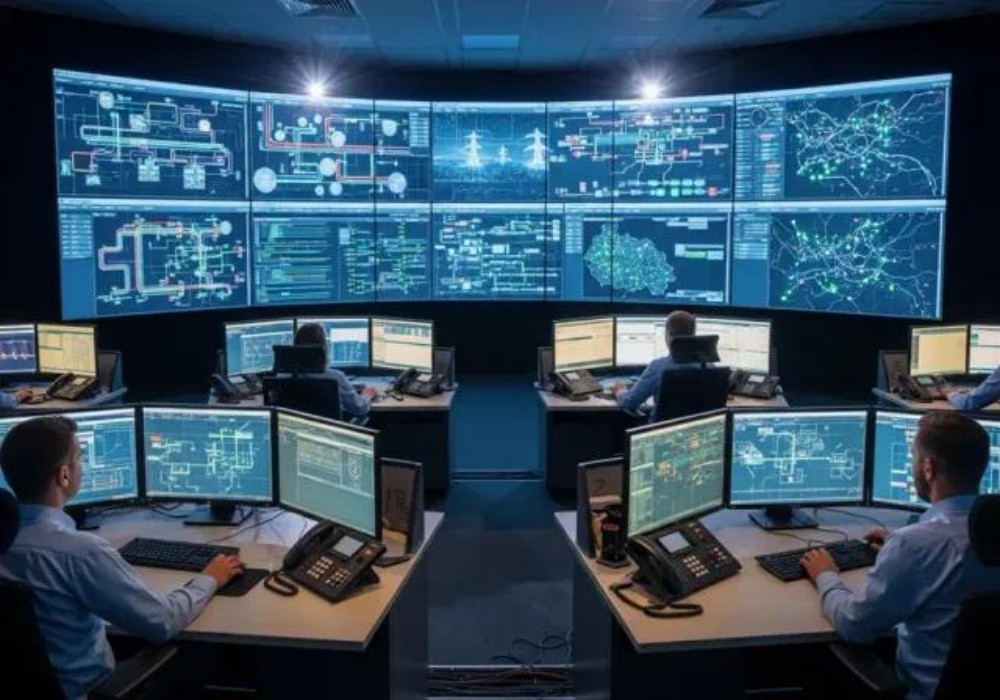
By 2026 and beyond, industrial automation systems are expected to become fully software-driven, cloud-connected, and AI-optimized, with PLCs and DCS systems operating as integrated layers within larger digital ecosystems.
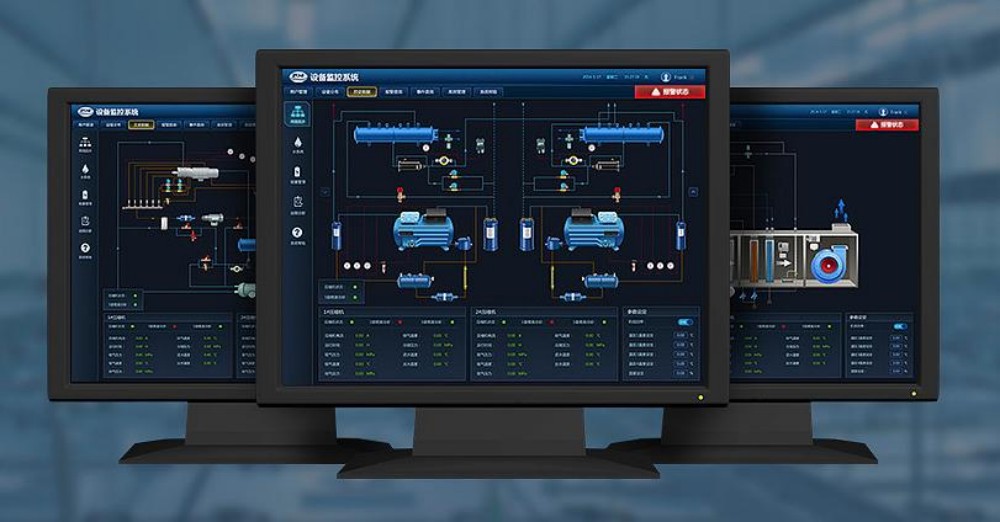 PLC And DCS Integration Becomes Key Technology Trend For Next Generation Industrial Automation Systems
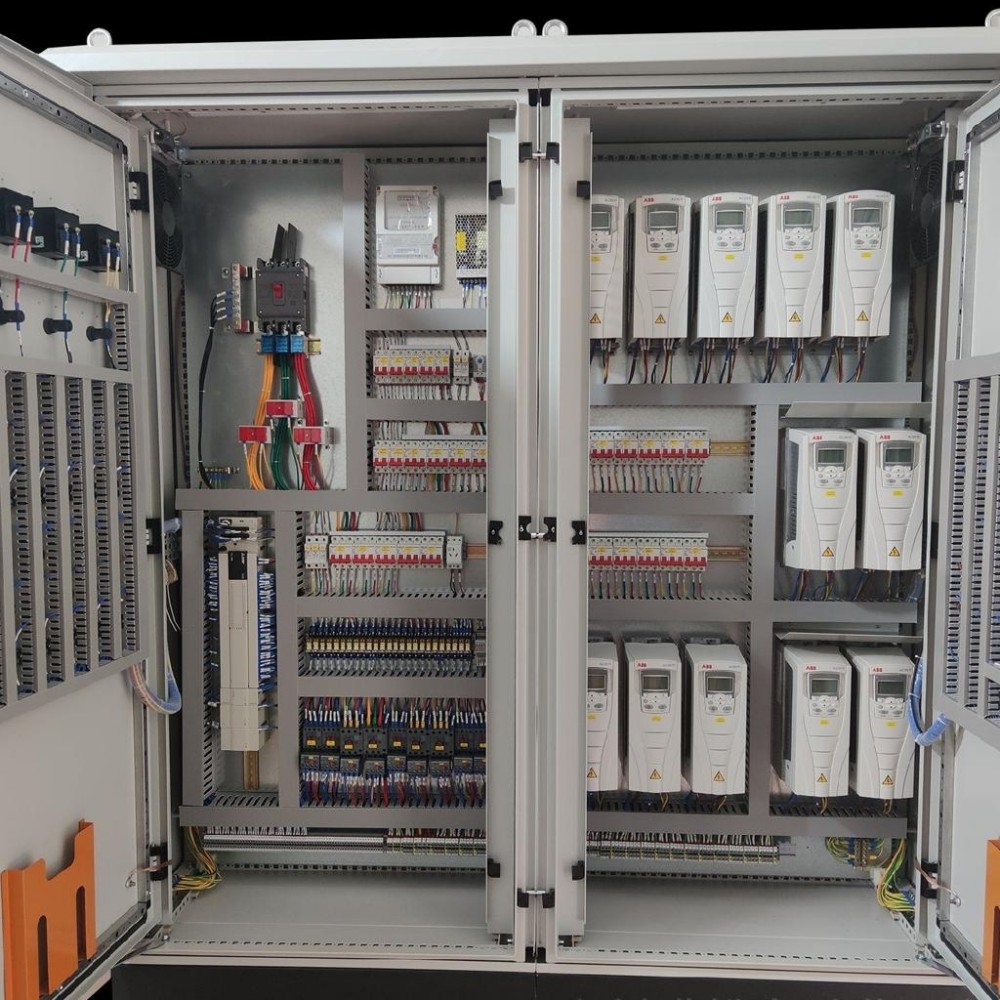 ABB Expands Industrial Automation Strategy With Advanced Electrification And Control Technology Development
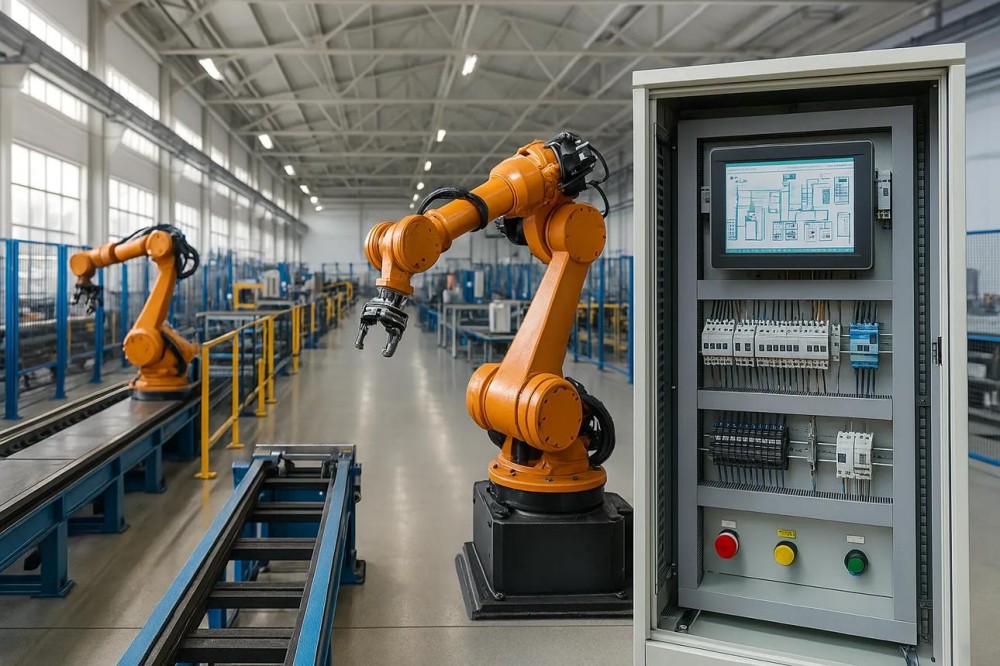 Industrial Automation Trends 2026: AI-Powered PLC And DCS Systems Accelerate Smart Factory Development
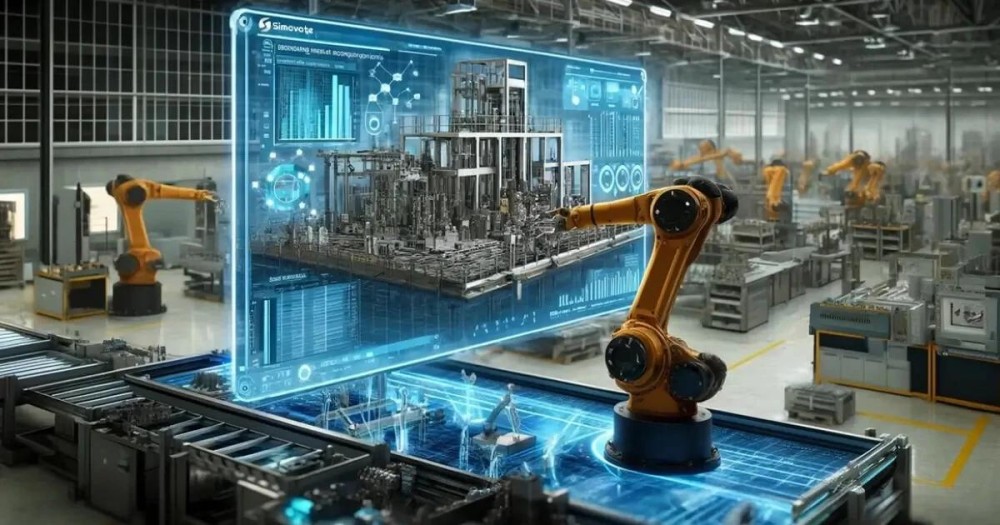 AI And Digital Twin Technologies Transform The Future Of Industrial Automation Systems