100% Original, Ready to Ship!

Edge Computing And IIoT Drive The Next Generation Of PLC And SCADA Integration
Introduction
Industrial automation is rapidly evolving toward edge computing and Industrial Internet of Things (IIoT) architectures. In 2026, factories are increasingly combining PLC systems with edge devices and cloud analytics to achieve real-time decision-making and predictive operations.
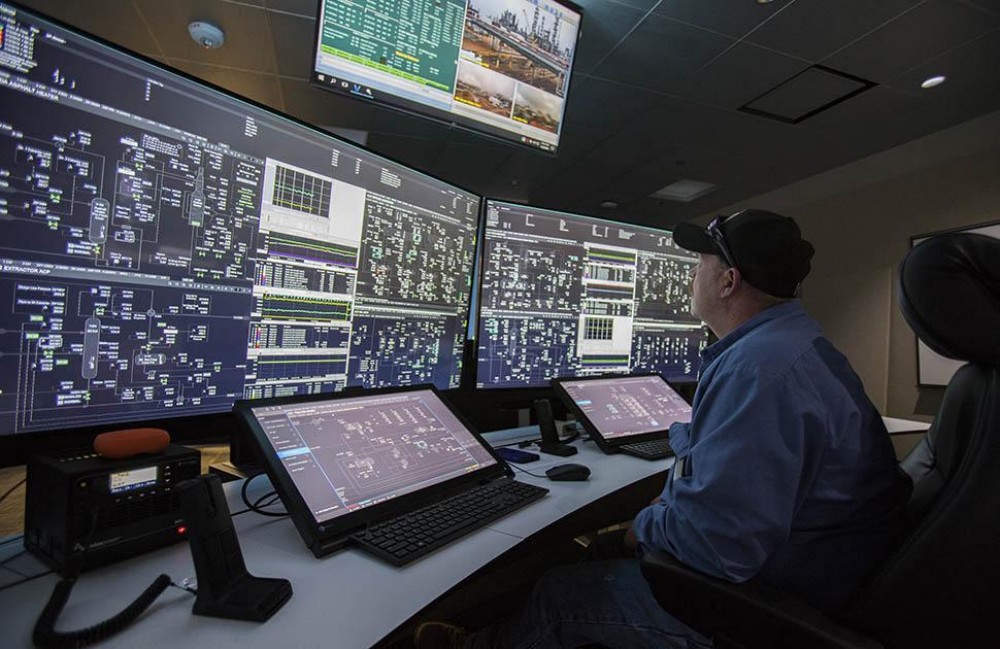
This transformation is redefining how SCADA and PLC systems interact in modern manufacturing environments.
Role of Edge Computing in Industrial Automation
Edge computing is becoming a key component in modern automation architectures. Instead of sending all data to centralized cloud systems, edge devices process data locally near the production line.
Key advantages include:
- Reduced latency for real-time control
- Improved system reliability
- Lower bandwidth requirements
- Faster response to process deviations
PLC systems remain essential for deterministic control, while edge computing handles data aggregation and analytics.
Integration Between PLC, SCADA, and IIoT Platforms
Modern industrial systems now operate in layered architectures:
- Field level: Sensors and actuators
- Control level: PLC systems
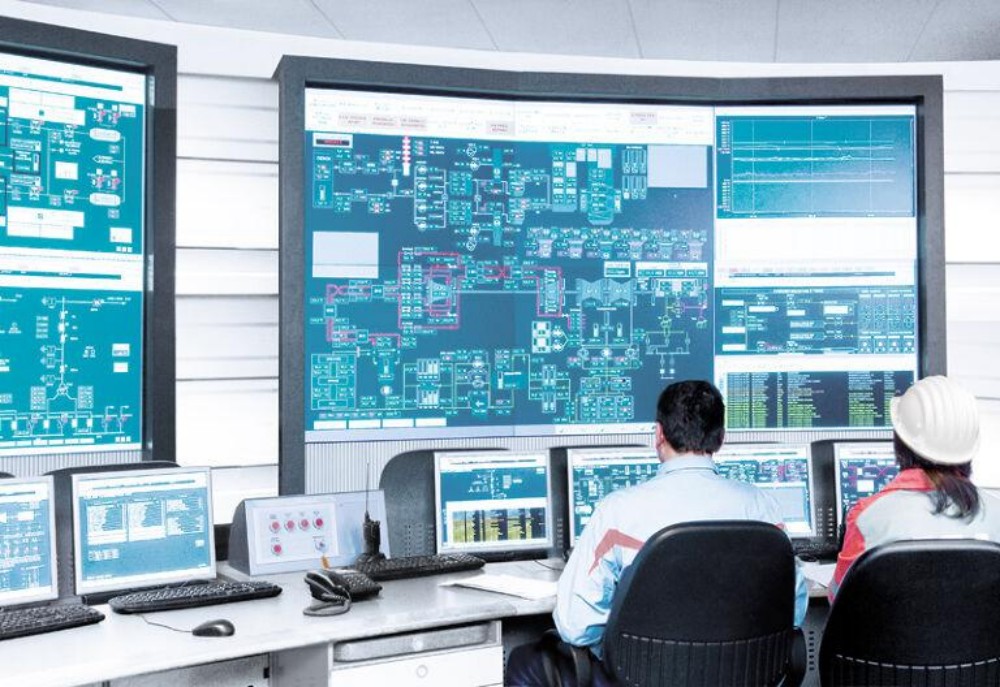
- Supervisory level: SCADA platforms
- Edge level: Industrial PCs and gateways
- Cloud level: Analytics and AI systems
This structure allows seamless data flow from machines to enterprise dashboards.
Predictive Maintenance and AI Analytics
One of the biggest benefits of IIoT integration is predictive maintenance. By analyzing real-time sensor data, manufacturers can:
- Predict equipment failures before they occur
- Optimize maintenance schedules
- Reduce unplanned downtime
- Extend equipment lifespan
AI models running on edge or cloud platforms continuously analyze PLC and sensor data streams.
Industry Adoption Trends
Manufacturers in automotive, energy, and process industries are rapidly adopting hybrid architectures that combine:
- Existing PLC infrastructure
- Modern SCADA systems
- Edge computing gateways
- Cloud-based industrial analytics platforms
This hybrid approach allows gradual digital transformation without replacing entire control systems.
Conclusion
Edge computing and IIoT integration are reshaping industrial automation. Rather than replacing PLC or SCADA systems, they enhance them, enabling smarter, faster, and more connected industrial operations.
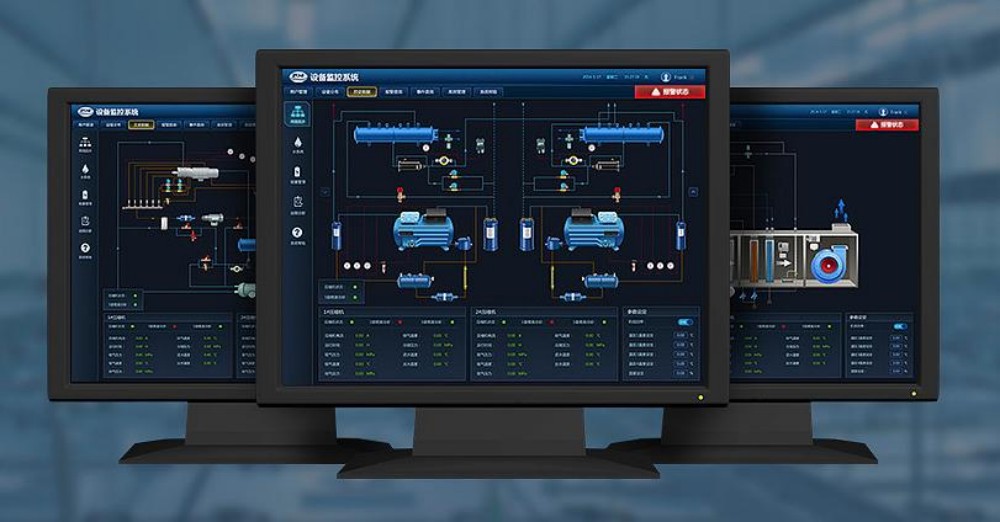 PLC And DCS Integration Becomes Key Technology Trend For Next Generation Industrial Automation Systems
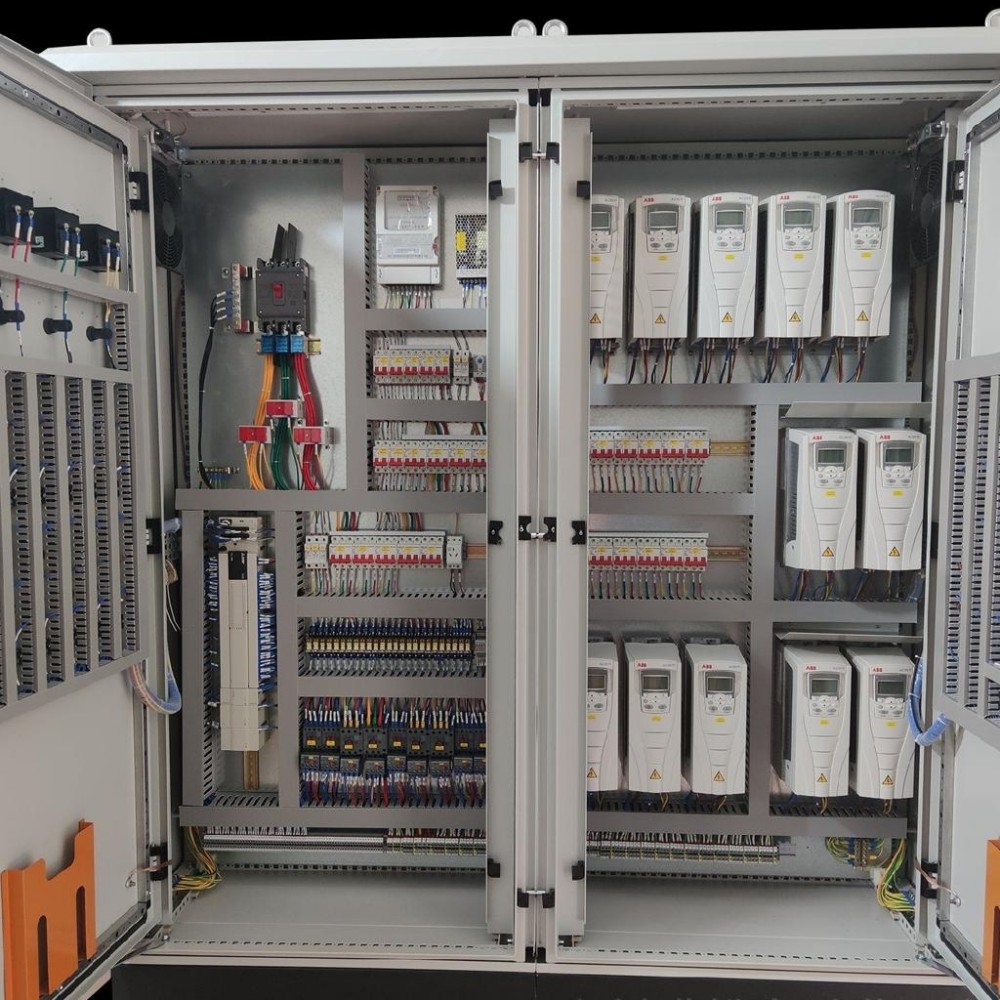 ABB Expands Industrial Automation Strategy With Advanced Electrification And Control Technology Development
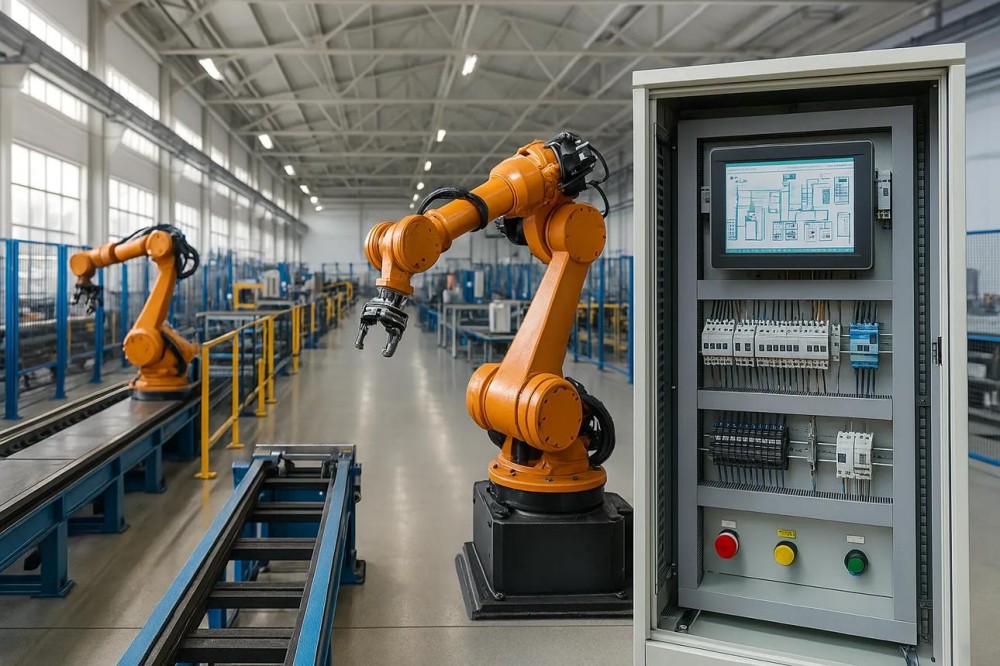 Industrial Automation Trends 2026: AI-Powered PLC And DCS Systems Accelerate Smart Factory Development
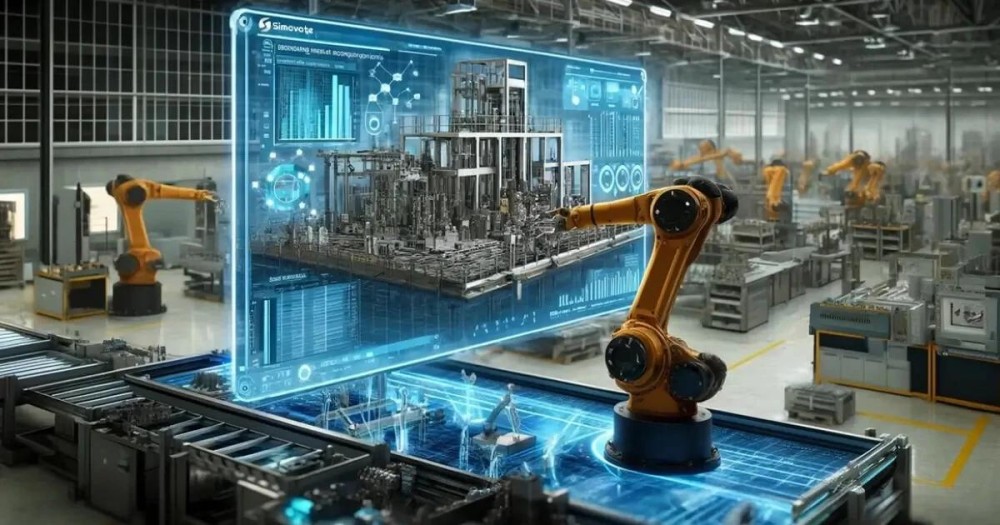 AI And Digital Twin Technologies Transform The Future Of Industrial Automation Systems