100% Original, Ready to Ship!

ABB Advances Next-Generation DCS And Automation Ecosystem With AI-Driven Industrial Integration
Introduction
The industrial automation sector is undergoing a major transformation in 2026, with leading technology providers accelerating the integration of artificial intelligence (AI), distributed control systems (DCS), and digital engineering platforms. Among them, ABB continues to strengthen its global position by expanding its DCS ecosystem and introducing advanced automation frameworks designed for modern industrial environments.
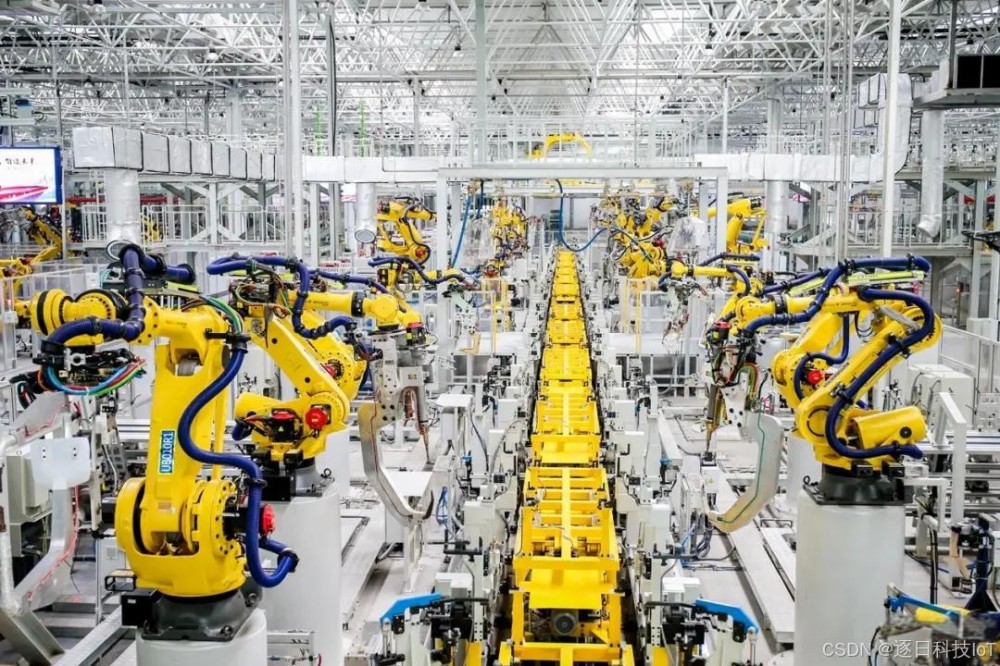
ABB’s latest strategy focuses on unifying traditional process control systems with AI-powered analytics, digital twins, and cloud-connected industrial software. This evolution is reshaping how manufacturers operate complex production environments across energy, chemicals, pharmaceuticals, and heavy industries.
ABB’s Strategy: From Traditional DCS to Intelligent Automation
ABB has been progressively modernizing its flagship automation systems, including the widely deployed System 800xA platform. The latest evolution introduces a more modular and scalable architecture that enables industries to upgrade their systems without interrupting ongoing operations.
This approach allows companies to:
- Extend the lifecycle of existing DCS infrastructure
- Integrate AI-based predictive maintenance tools
- Improve interoperability between PLC, SCADA, and cloud systems
- Reduce downtime during system upgrades
- Increase cybersecurity resilience across OT networks
Instead of replacing entire systems, ABB promotes a phased modernization model, enabling industries to adopt new technologies gradually while maintaining operational stability.
AI and Digital Twin Integration in Industrial Automation
One of the most significant developments in ABB’s automation ecosystem is the integration of AI-driven predictive analytics and digital twin simulation.
Digital twins allow engineers to simulate production environments in real time, optimizing system performance before implementing changes on the physical plant floor. This reduces engineering risks and improves commissioning efficiency.
AI-based models further enhance:
- Equipment failure prediction
- Energy consumption optimization
- Production bottleneck detection
- Real-time process adjustments
These technologies are especially valuable in process industries where downtime can result in significant financial losses.
Impact on PLC and DCS Engineering
For PLC, DCS, and SCADA engineers, this shift represents a major change in system architecture design. Traditional isolated control networks are now evolving into hybrid OT-IT ecosystems.
Modern automation systems increasingly require:
- Cross-platform communication (OPC UA, MQTT, Ethernet/IP)
- Edge computing integration
- Cloud-based monitoring dashboards
- AI-assisted control logic optimization
ABB’s ecosystem reflects this trend by supporting open standards and flexible integration layers.
Industrial Cybersecurity Becomes a Core Priority
As industrial systems become more connected, cybersecurity has become a central focus. ABB’s updated automation architecture includes enhanced security segmentation, role-based access control, and encrypted communication layers to protect critical infrastructure from cyber threats.
This is especially important for industries such as power generation and oil & gas, where system integrity is mission-critical.
Market Outlook for Automation Engineers
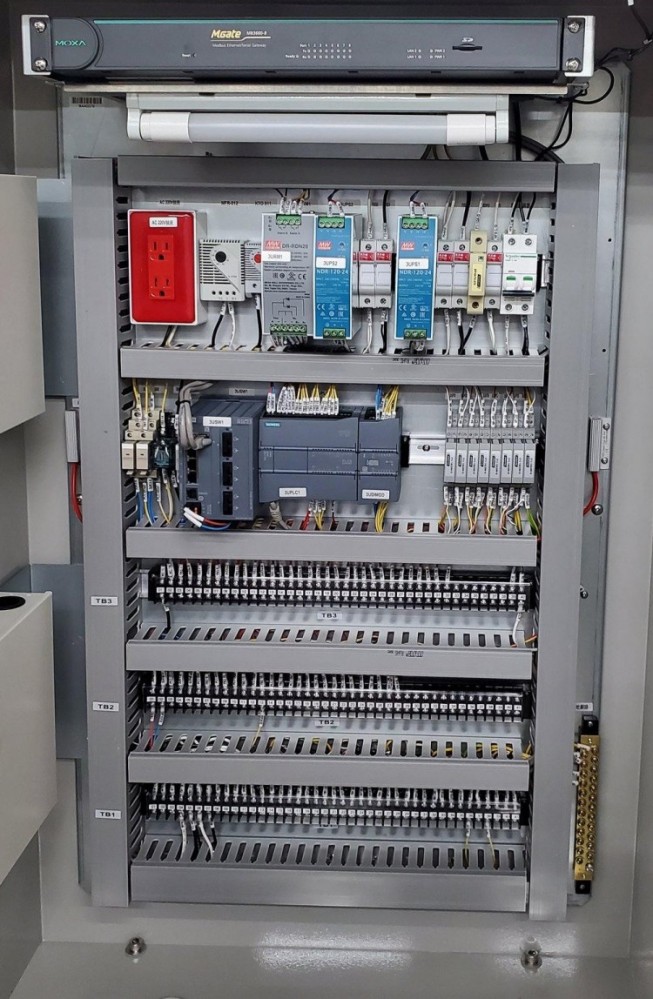
The demand for automation professionals is expected to remain strong as industries transition toward smart manufacturing environments. Engineers with experience in PLC programming, DCS configuration, and industrial networking are increasingly valuable in global markets.
Key skills in demand include:
- Siemens, ABB, and Rockwell PLC systems
- Industrial communication protocols
- SCADA system integration
- OT cybersecurity fundamentals
- AI-driven industrial analytics
Conclusion
ABB’s continued expansion in DCS modernization and AI-driven automation highlights the rapid evolution of industrial control systems. The shift from traditional automation to intelligent, connected ecosystems is redefining how global industries design, operate, and maintain production systems.
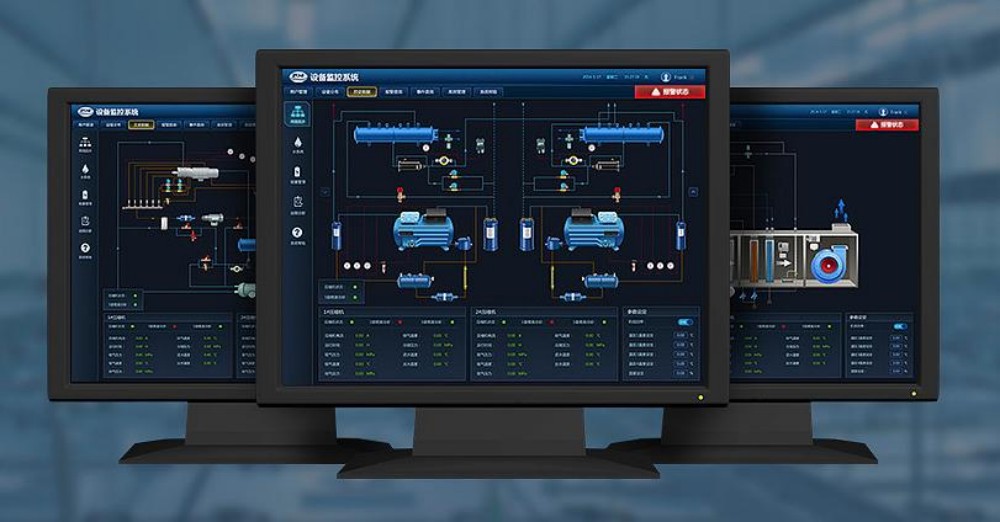 PLC And DCS Integration Becomes Key Technology Trend For Next Generation Industrial Automation Systems
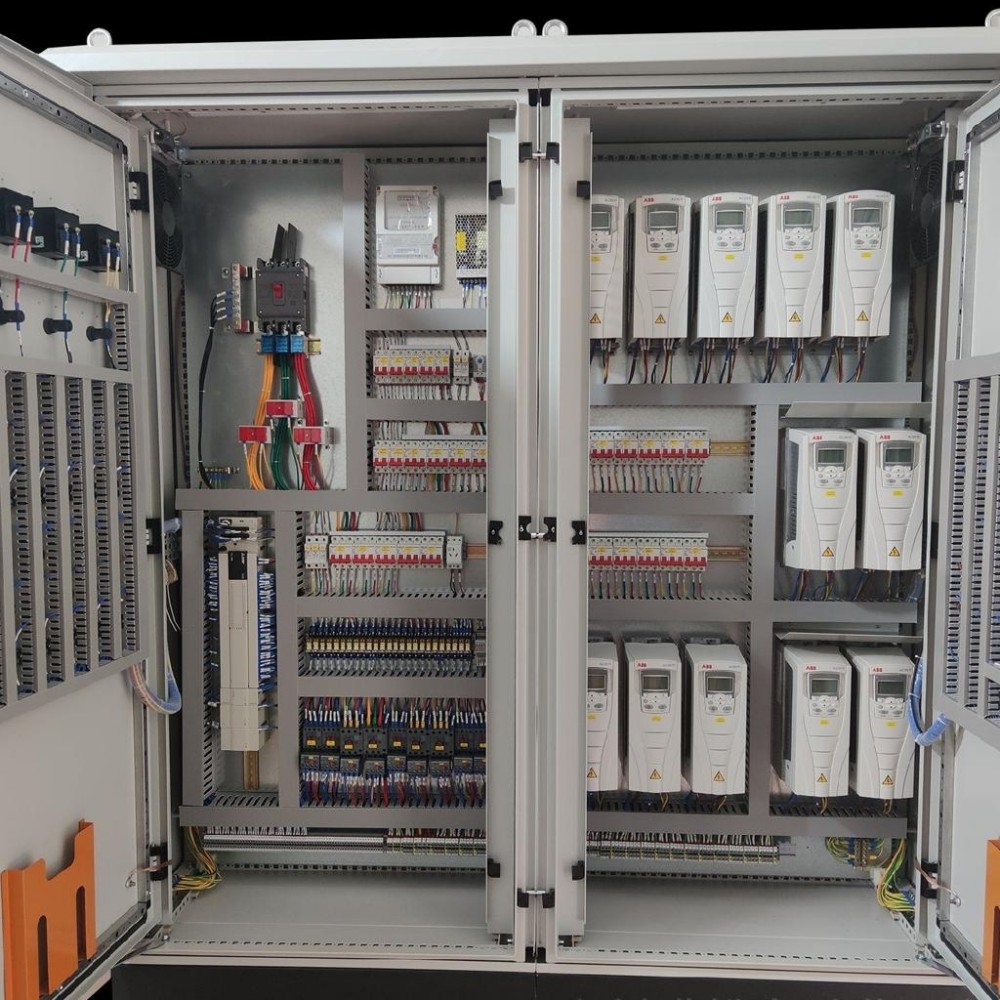 ABB Expands Industrial Automation Strategy With Advanced Electrification And Control Technology Development
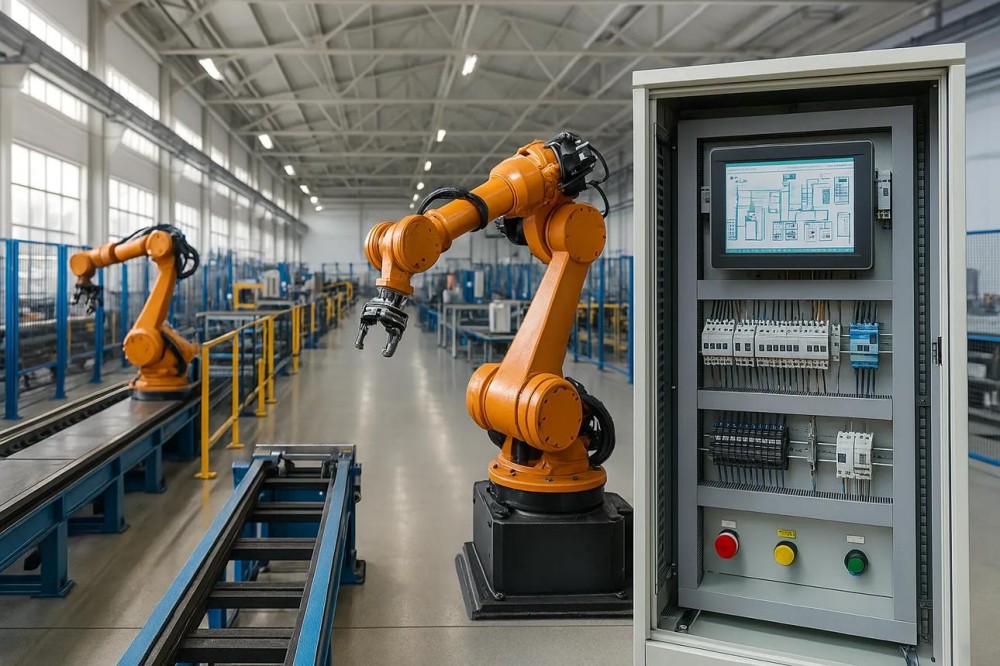 Industrial Automation Trends 2026: AI-Powered PLC And DCS Systems Accelerate Smart Factory Development
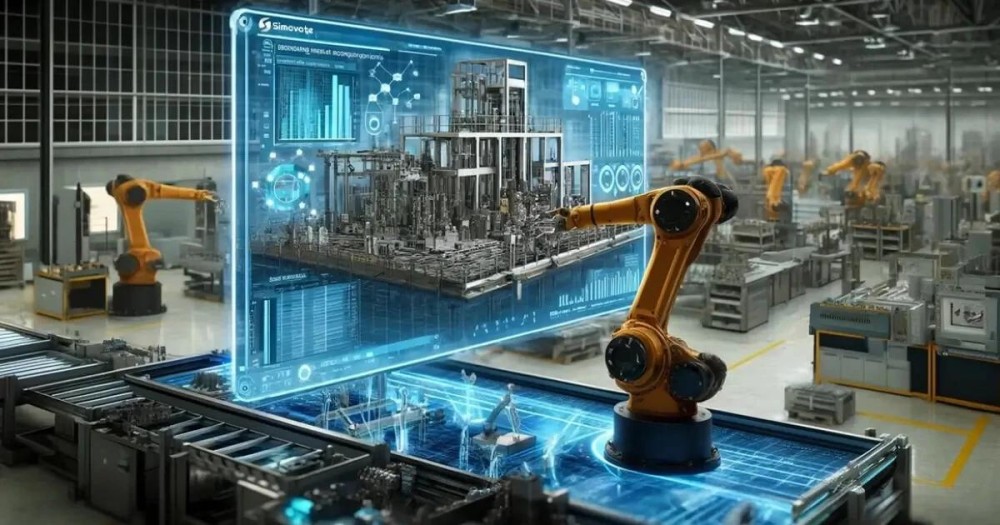 AI And Digital Twin Technologies Transform The Future Of Industrial Automation Systems