100% Original, Ready to Ship!

PLC Programming And DCS Innovation Boost Industrial Efficiency With AI And Software-Defined Automation
Introduction: PLC and DCS Systems Evolve with Software Intelligence
Industrial automation systems based on PLC and DCS technologies are undergoing rapid evolution in 2026. Traditional hardware-based control systems are being enhanced with software-defined automation, artificial intelligence, and cloud connectivity.
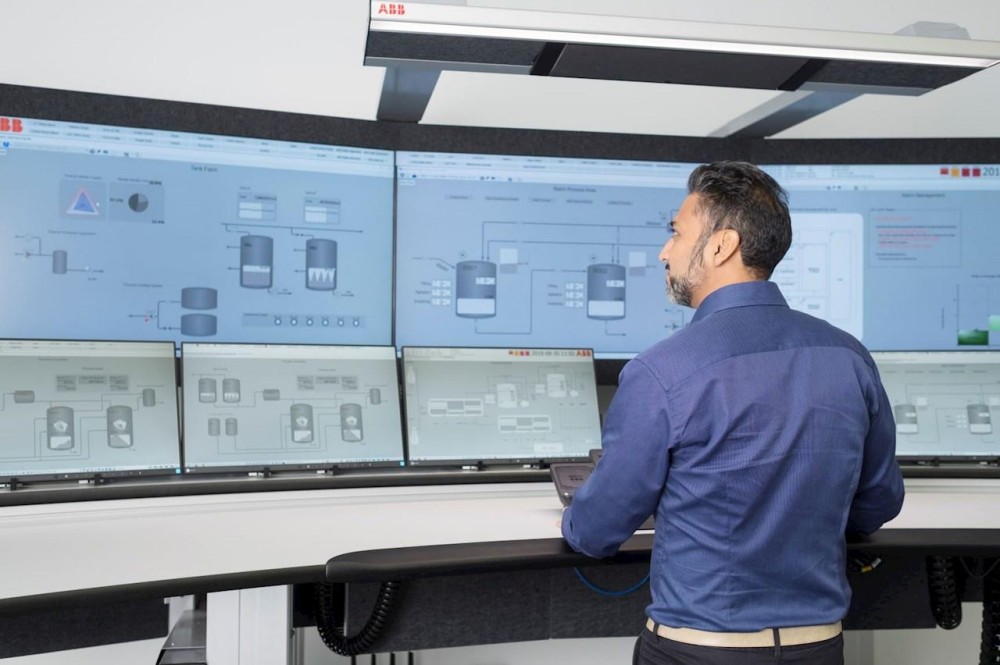
This transformation is improving system flexibility, reducing engineering complexity, and increasing production efficiency.
AI-Assisted PLC Programming Becomes a New Trend
Recent developments in industrial engineering show increasing use of AI to assist PLC programming and control logic design.
AI-based tools can now:
- Generate ladder logic automatically
- Translate natural language requirements into control code
- Reduce engineering time significantly
- Improve system reliability and testing accuracy
This innovation helps engineers focus more on system optimization rather than manual coding.
DCS Systems Become More Flexible and Open
Modern DCS platforms are shifting toward open architecture models. Instead of closed proprietary systems, new-generation DCS solutions support:
- Integration with cloud platforms
- Real-time industrial data exchange
- Modular system expansion
- Interoperability with PLC and SCADA systems
This makes distributed control systems more adaptable for complex industrial environments such as oil refineries, power plants, and chemical processing facilities.
Industrial Cybersecurity Becomes Critical
As PLC and DCS systems become more connected, cybersecurity risks also increase. Industrial operators are now investing in:
- Secure communication protocols
- Network segmentation for OT systems
- Real-time threat detection systems
- Industrial firewall protection
Cybersecurity is now a core requirement in modern industrial automation design.
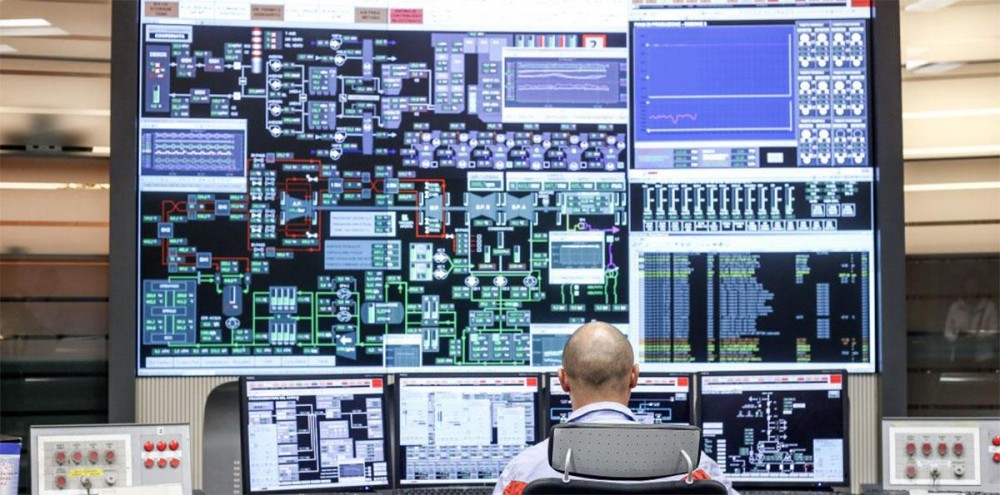
Conclusion
PLC and DCS systems are no longer isolated control technologies. They are evolving into intelligent, software-driven platforms that integrate AI, cloud computing, and cybersecurity to support next-generation industrial automation.
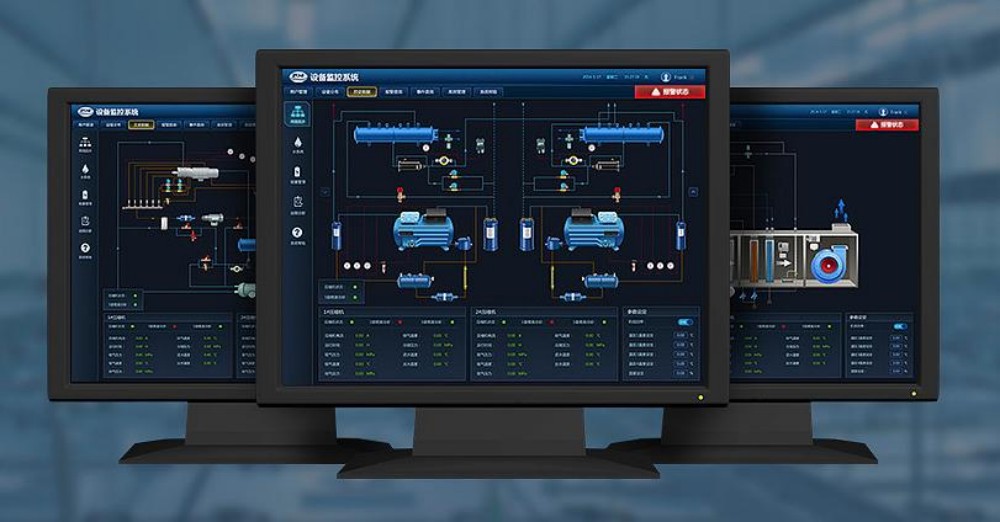 PLC And DCS Integration Becomes Key Technology Trend For Next Generation Industrial Automation Systems
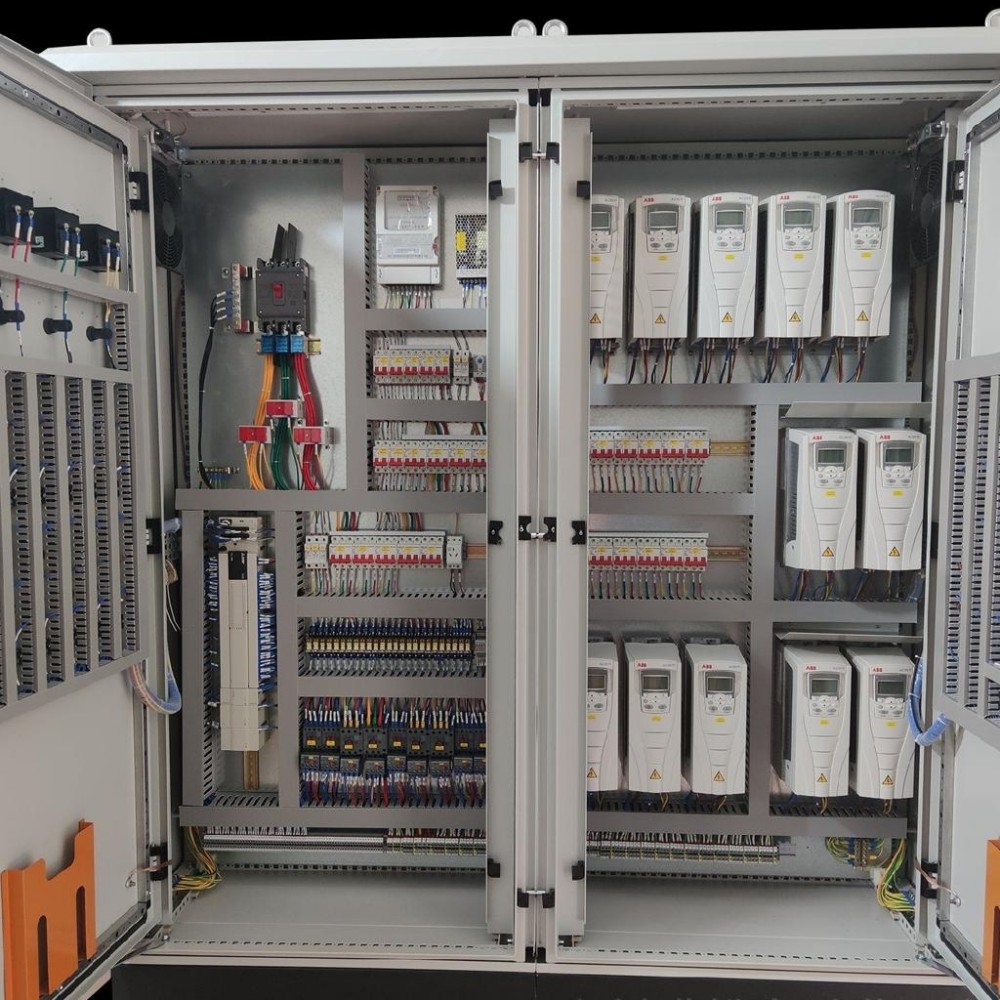 ABB Expands Industrial Automation Strategy With Advanced Electrification And Control Technology Development
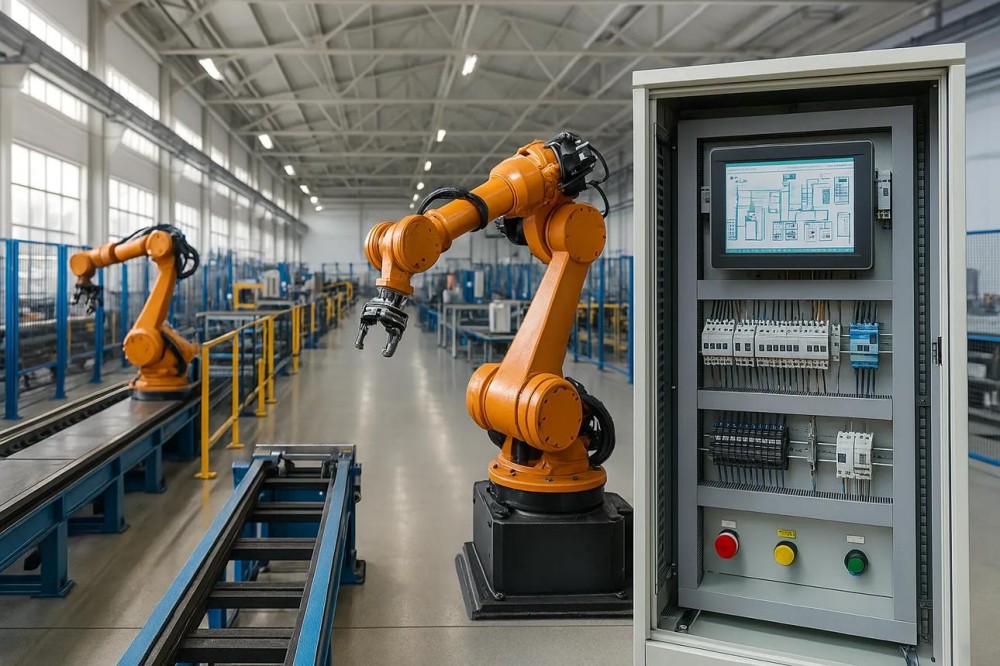 Industrial Automation Trends 2026: AI-Powered PLC And DCS Systems Accelerate Smart Factory Development
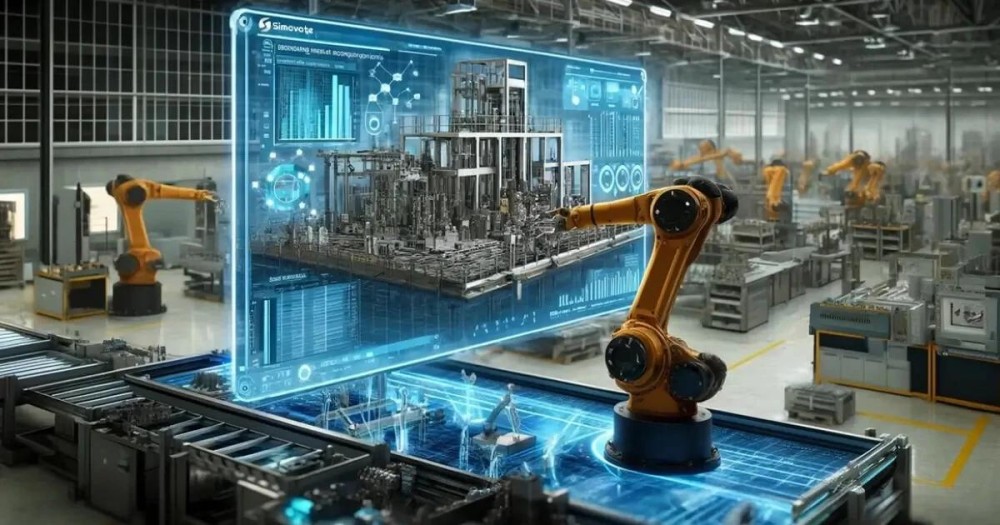 AI And Digital Twin Technologies Transform The Future Of Industrial Automation Systems