100% Original, Ready to Ship!

Industrial Automation Market Growth Accelerates In 2026 Driven By AI, Edge Computing, And Smart Manufacturing
Introduction: Strong Global Growth in Automation Investment
The global industrial automation market continues to expand rapidly in 2026, driven by increasing demand for productivity, workforce efficiency, and smart manufacturing transformation.
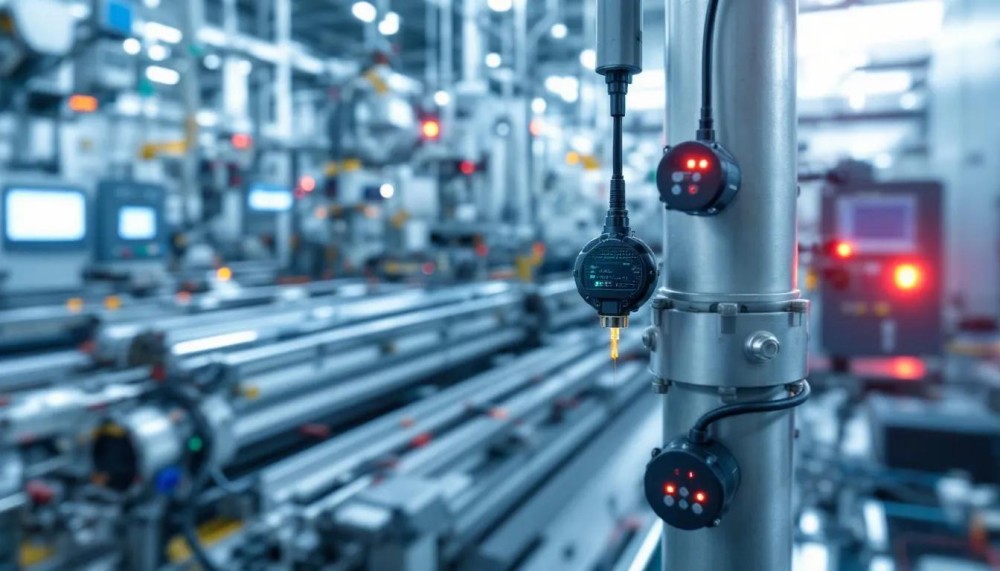
Market studies show that the industrial automation sector is expected to exceed hundreds of billions of dollars in value over the coming years, supported by strong investment in robotics, PLC systems, SCADA, and AI-based industrial software.
AI and Edge Computing Become Core Automation Drivers
One of the most significant changes in industrial automation is the integration of artificial intelligence and edge computing directly into production systems.
Factories are now using AI to:
- Predict equipment failures before they occur
- Optimize production schedules in real time
- Improve quality inspection accuracy
- Reduce energy consumption
At the same time, edge computing allows PLC and industrial controllers to process data locally, reducing latency and improving system reliability.
Smart Manufacturing Expands Across Multiple Industries
Industries such as automotive, electronics, pharmaceuticals, and logistics are leading adoption of automation technologies.
Modern production facilities now rely heavily on:
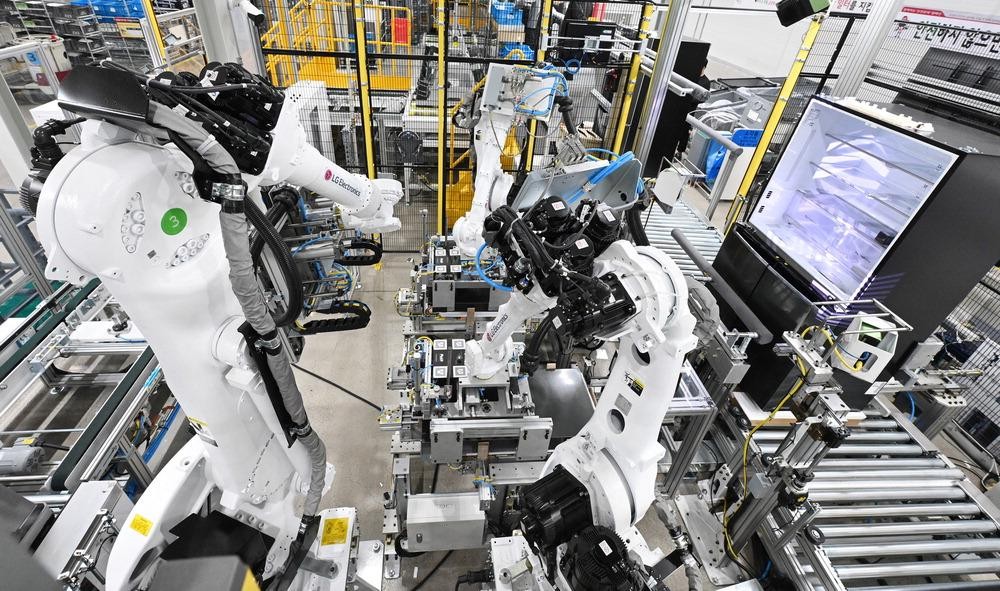
- Industrial robots for assembly and packaging
- PLC systems for machine control
- SCADA platforms for real-time monitoring
- DCS systems for large-scale process control
This integration creates highly efficient and flexible manufacturing environments capable of responding quickly to market demand changes.
Workforce Transformation and Skill Shift
As automation increases, industrial workforce requirements are also changing. Engineers and technicians are now expected to have knowledge in:
- PLC programming (Siemens, Allen-Bradley, Schneider Electric systems)
- Industrial networking and IIoT systems
- Data analytics and system integration
- Cybersecurity for industrial control systems
Companies are investing heavily in training programs to bridge the skills gap and support digital transformation.
Conclusion
Industrial automation in 2026 is defined by AI-driven systems, edge intelligence, and fully connected smart factories. This transformation is reshaping global manufacturing and accelerating the shift toward fully autonomous industrial operations.
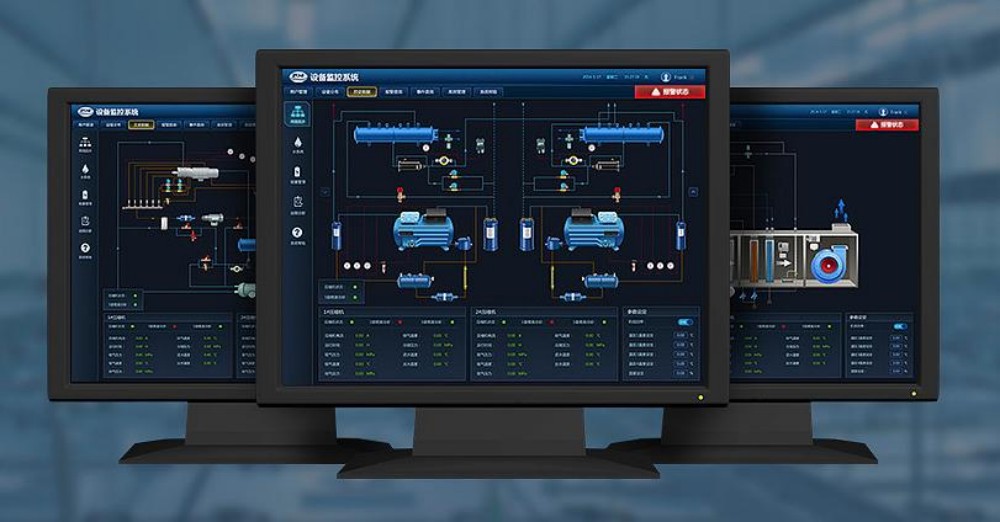 PLC And DCS Integration Becomes Key Technology Trend For Next Generation Industrial Automation Systems
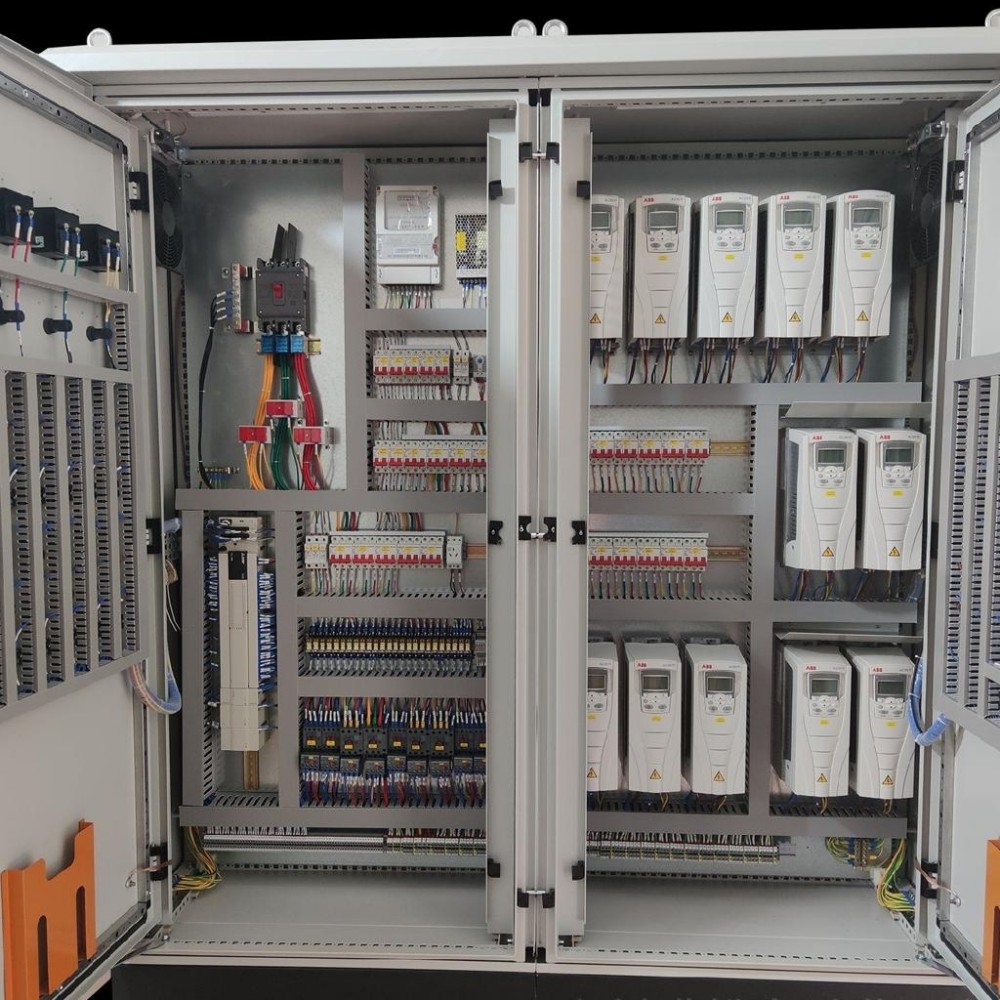 ABB Expands Industrial Automation Strategy With Advanced Electrification And Control Technology Development
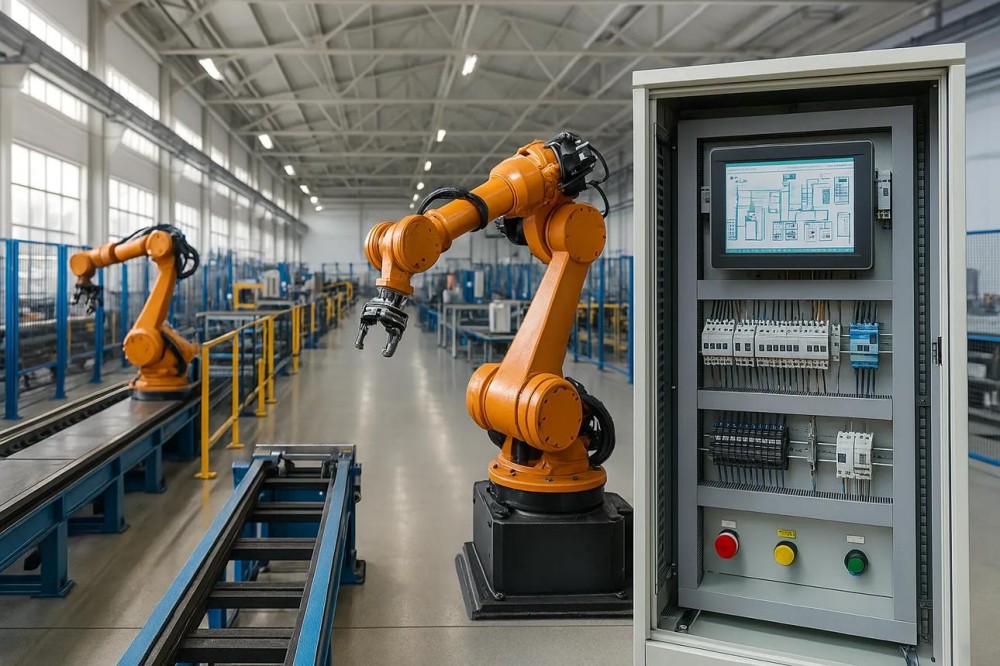 Industrial Automation Trends 2026: AI-Powered PLC And DCS Systems Accelerate Smart Factory Development
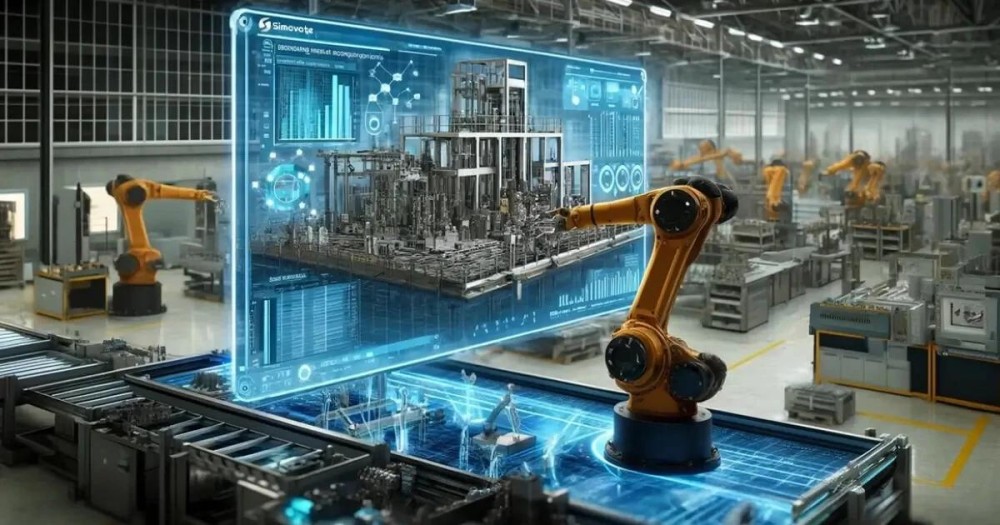 AI And Digital Twin Technologies Transform The Future Of Industrial Automation Systems