100% Original, Ready to Ship!

Industrial Automation Industry Accelerates AI Transformation With Next Generation Smart Factory Solutions
The global industrial automation market is experiencing rapid transformation as artificial intelligence, industrial IoT, robotics, and advanced control technologies become key drivers of smart manufacturing development.
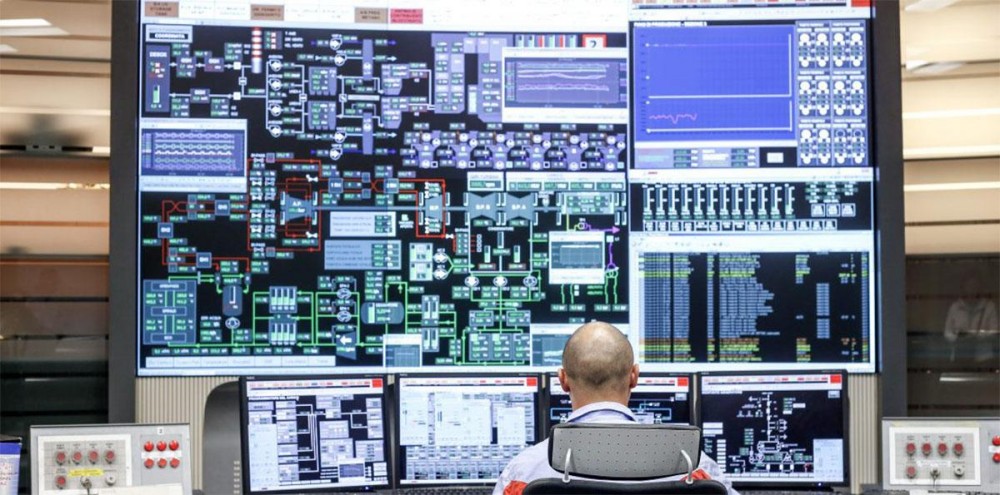
Manufacturers across the world are investing in intelligent automation solutions to improve production efficiency, reduce operating costs, and increase manufacturing flexibility. Technologies including PLC controllers, DCS systems, industrial robots, sensors, and edge computing platforms are becoming increasingly connected through modern industrial networks.
One of the most important trends in automation is the combination of AI with traditional control systems. In the past, industrial automation mainly focused on programmed operations through PLC and DCS platforms. Today, intelligent systems can analyze production data, predict equipment conditions, and support real time optimization.
Predictive maintenance is becoming a major application area. By collecting data from industrial sensors and automation equipment, AI algorithms can identify abnormal operating conditions before failures occur. This helps factories reduce unexpected downtime and improve equipment availability.
Another important development is the growth of digital twin technology. Digital twins create virtual models of machines, production lines, and industrial processes. Engineers can use these models to simulate operations, test improvements, and optimize manufacturing performance without interrupting actual production.
Industrial communication technologies are also supporting this transformation. Advanced networks such as Industrial Ethernet, PROFINET, EtherNet/IP, and other field communication solutions allow PLC systems, robots, sensors, and enterprise platforms to exchange information faster and more efficiently.
The demand for automation solutions is increasing in industries including automotive manufacturing, semiconductor production, renewable energy, pharmaceuticals, food processing, and logistics. Companies are looking for reliable automation components and professional engineering services to upgrade their production capabilities.
For international automation suppliers, this market expansion creates new opportunities. Providing high quality PLC modules, DCS components, industrial controllers, sensors, and automation spare parts will remain essential as factories continue modernization projects.
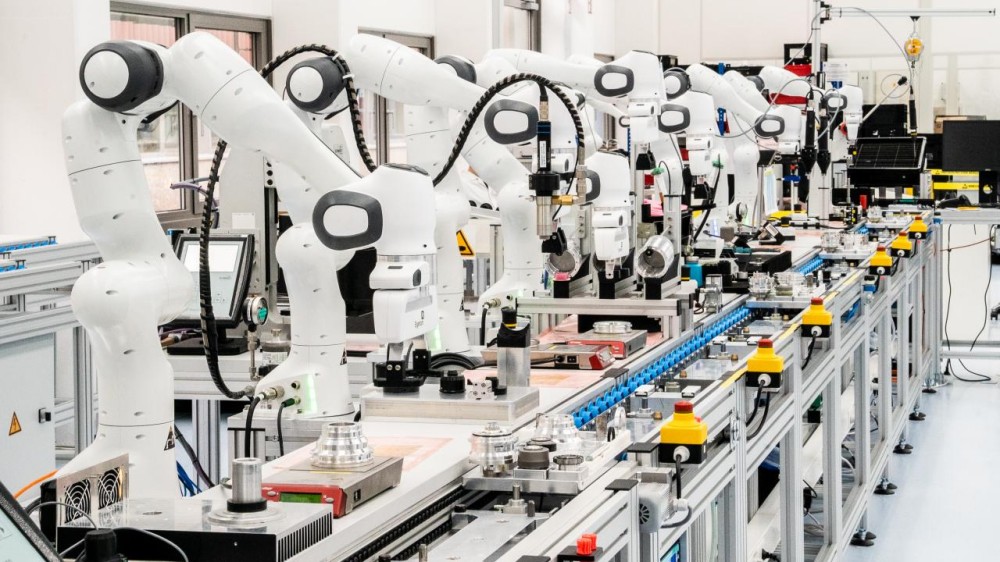
The future industrial environment will be defined by intelligent machines, connected control systems, and data driven decision making. Automation technologies will continue evolving from simple machine control toward fully integrated intelligent manufacturing ecosystems.
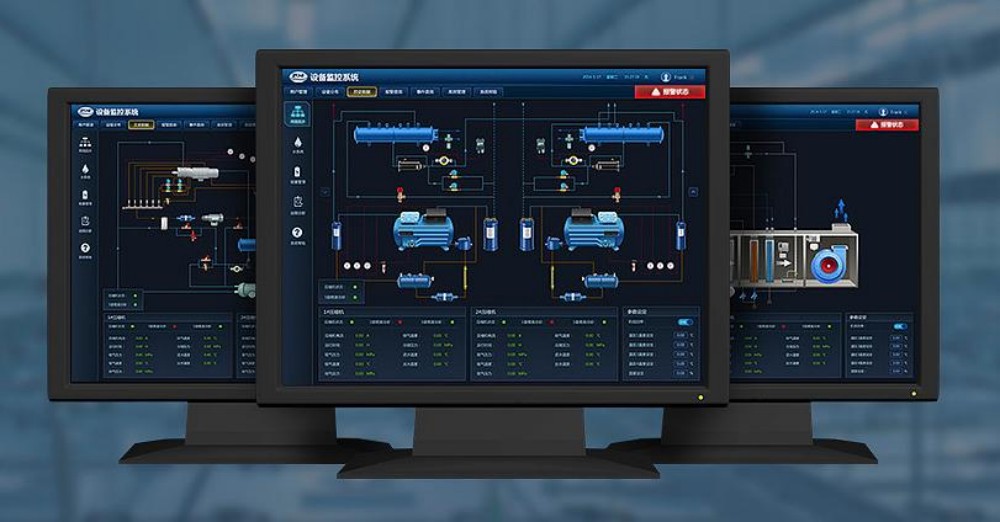 PLC And DCS Integration Becomes Key Technology Trend For Next Generation Industrial Automation Systems
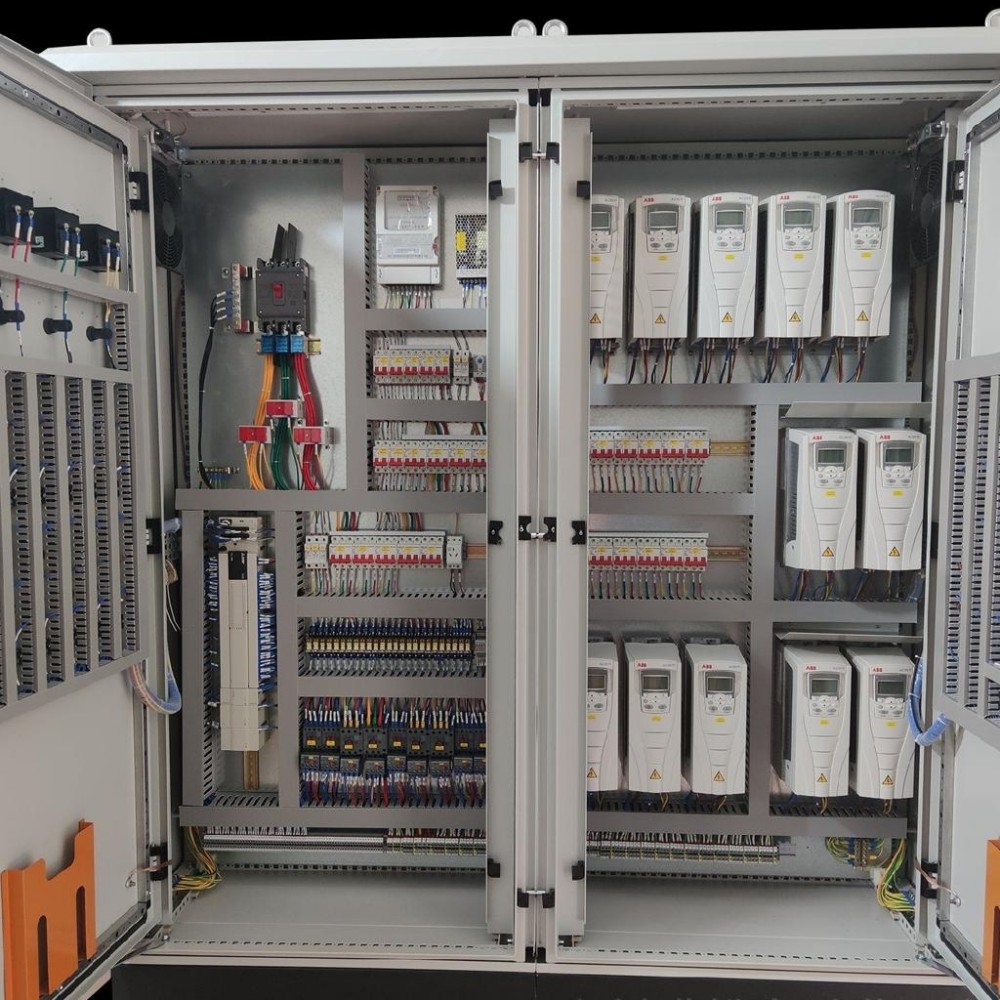 ABB Expands Industrial Automation Strategy With Advanced Electrification And Control Technology Development
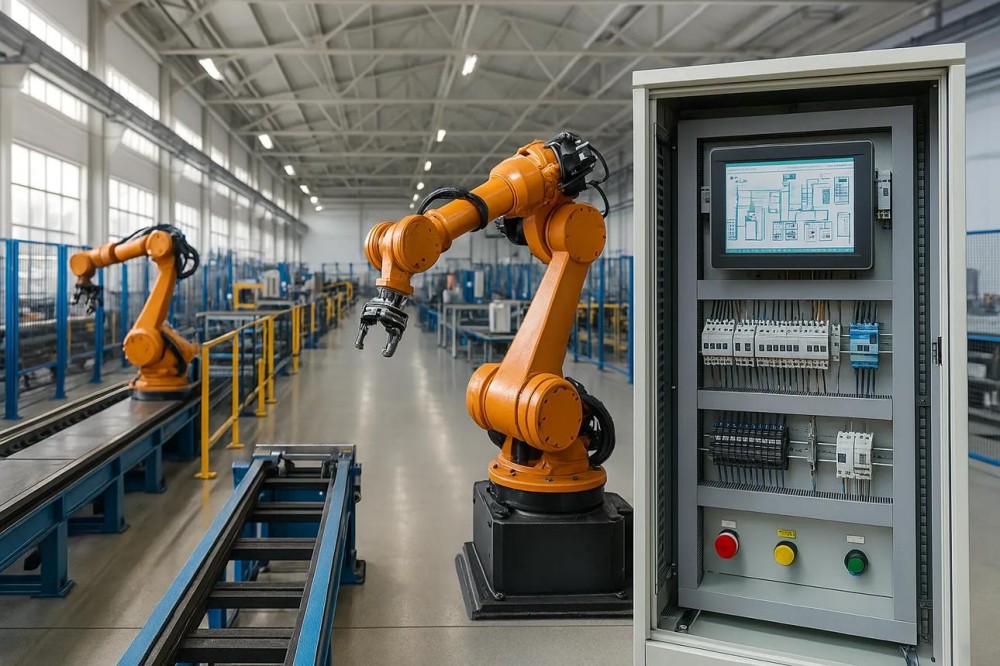 Industrial Automation Trends 2026: AI-Powered PLC And DCS Systems Accelerate Smart Factory Development
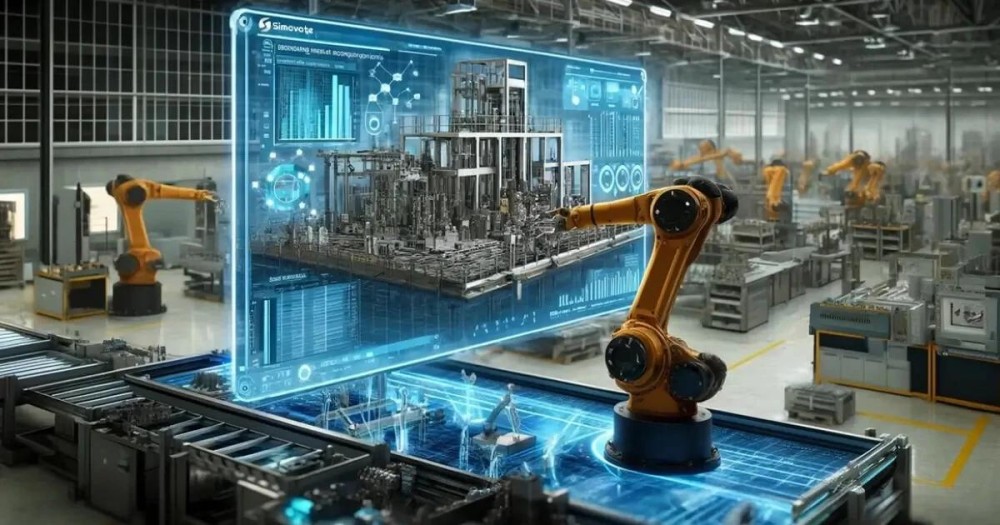 AI And Digital Twin Technologies Transform The Future Of Industrial Automation Systems