100% Original, Ready to Ship!

ABB Automation Extended Enhances DCS Modernization With AI And Industrial IoT Integration
The global industrial automation industry is entering a new stage of digital transformation as manufacturers continue upgrading their production systems to achieve higher efficiency, reliability, and intelligence. ABB has introduced its Automation Extended program, providing industries with a flexible approach to modernizing distributed control systems (DCS) while maintaining stable operations.

For industries such as oil and gas, power generation, chemical processing, mining, and water treatment, DCS platforms are the foundation of continuous production. However, many industrial facilities are facing challenges caused by aging automation equipment, increasing cybersecurity requirements, and the need to integrate modern digital technologies.
ABB’s Automation Extended concept focuses on helping companies upgrade their existing automation infrastructure gradually instead of replacing complete control systems. This approach allows manufacturers to protect their existing automation investments while introducing advanced technologies such as artificial intelligence, industrial IoT, cloud connectivity, and advanced process analytics.
Modern DCS systems are no longer limited to traditional monitoring and control functions. With improved data processing capabilities, intelligent automation platforms can analyze large amounts of real-time production information collected from PLC controllers, sensors, field devices, and industrial networks.
These advanced capabilities help companies improve operational efficiency and reduce unexpected downtime. By monitoring equipment performance continuously, industrial operators can identify abnormal conditions earlier and implement predictive maintenance strategies before serious failures occur.
Artificial intelligence is becoming an important technology in the development of future automation systems. AI-based analytics can recognize production patterns, optimize processes, and provide recommendations for improving equipment performance. This allows manufacturers to make better decisions based on real industrial data.
For automation engineers and system integrators, open architecture and communication compatibility are becoming key requirements for modern industrial systems. Future automation solutions need to support seamless integration between PLC systems, DCS platforms, intelligent sensors, industrial networks, and enterprise management software.
The demand for smart manufacturing solutions continues increasing worldwide. Manufacturers are looking for automation technologies that can improve productivity, reduce energy consumption, and support sustainable industrial development.
The evolution of DCS technology demonstrates the transition from traditional process control toward intelligent industrial ecosystems. Instead of completely replacing existing systems, many companies are choosing modernization strategies that combine reliable automation hardware with advanced digital solutions.
For industrial facilities with long operating histories, DCS modernization provides an effective way to achieve digital transformation while maintaining production stability.

As Industry 4.0 continues developing, distributed control systems will remain a critical part of industrial automation by connecting equipment, processes, and data to create smarter and more efficient factories.
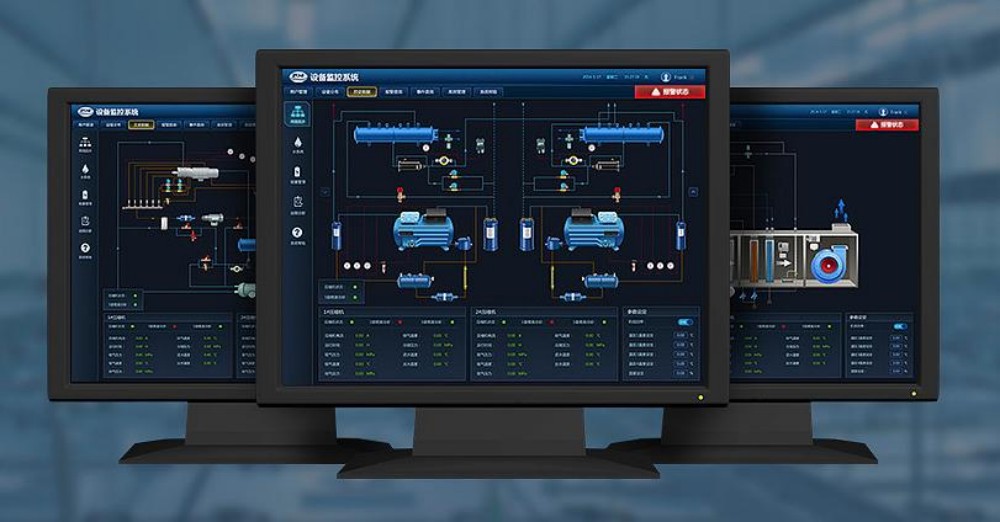 PLC And DCS Integration Becomes Key Technology Trend For Next Generation Industrial Automation Systems
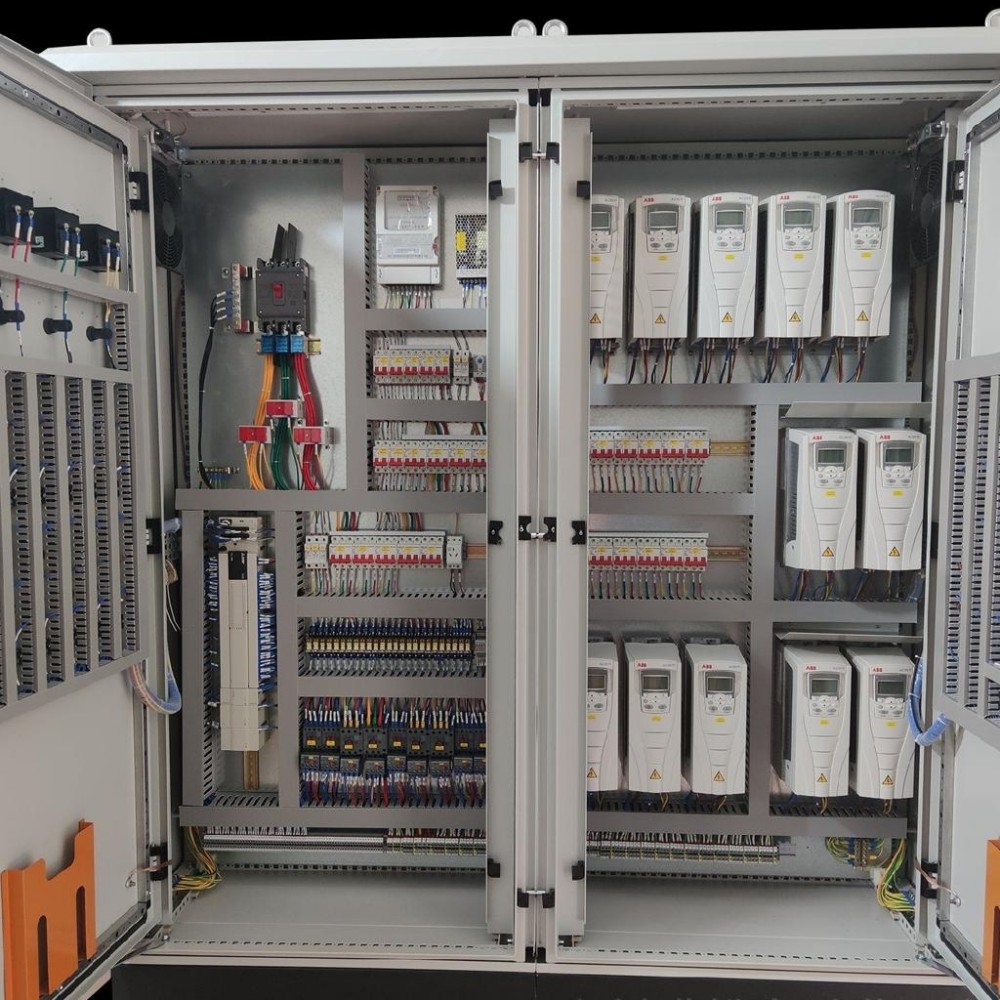 ABB Expands Industrial Automation Strategy With Advanced Electrification And Control Technology Development
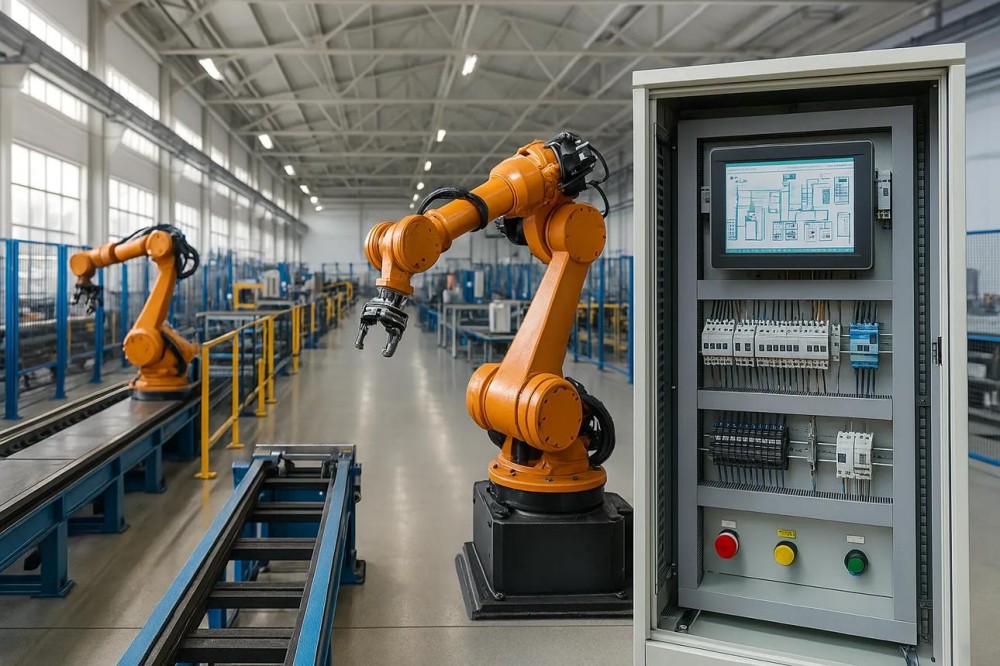 Industrial Automation Trends 2026: AI-Powered PLC And DCS Systems Accelerate Smart Factory Development
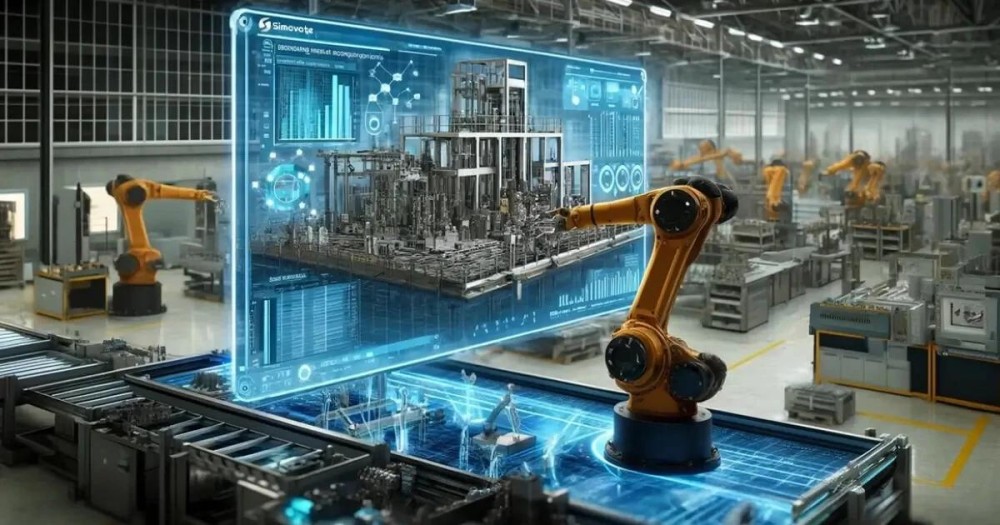 AI And Digital Twin Technologies Transform The Future Of Industrial Automation Systems