100% Original, Ready to Ship!

Rockwell Automation Expands Industrial Ethernet Solutions To Improve PLC Control System Connectivity
Industrial manufacturers worldwide are accelerating digital transformation as factories require faster communication, improved system visibility, and more flexible automation architectures. Advanced industrial Ethernet technologies are becoming essential components for modern PLC control systems and smart manufacturing environments.
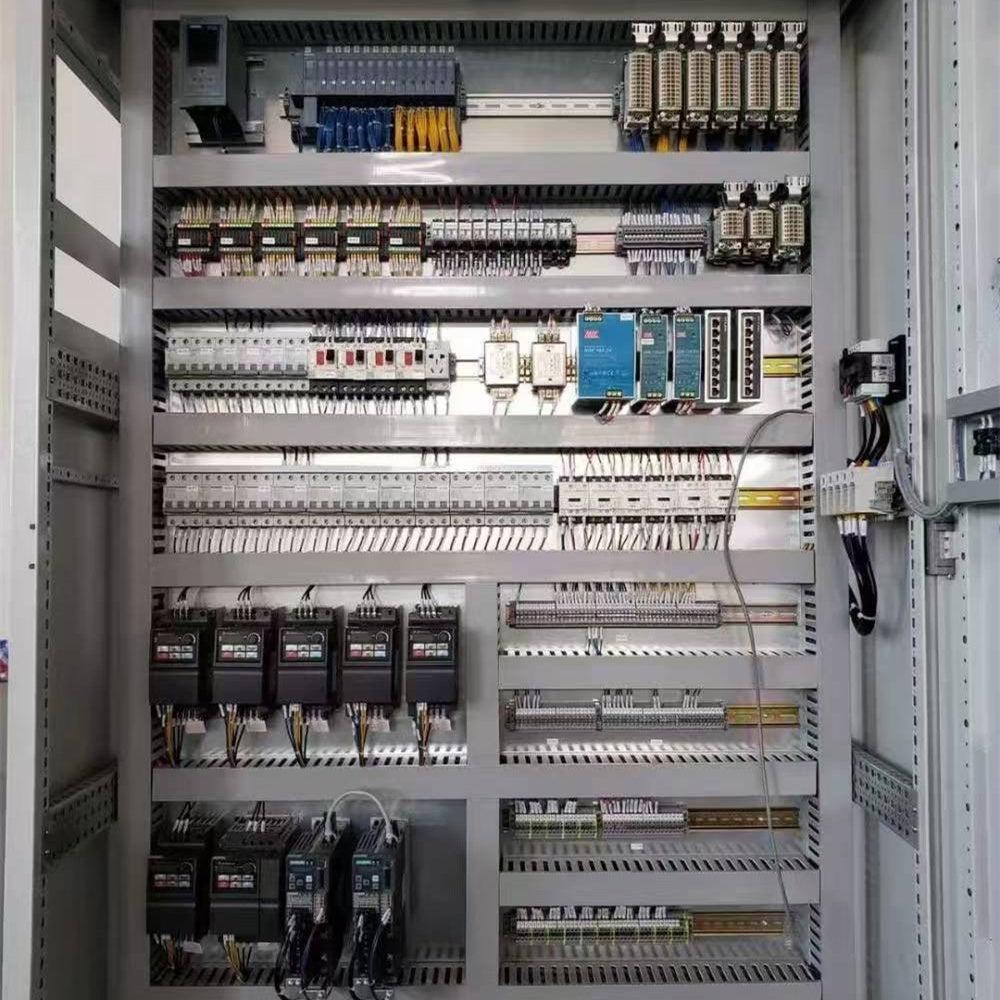
Rockwell Automation has continued developing EtherNet/IP-based solutions to support connected industrial applications, helping manufacturers simplify automation system design while improving communication between controllers, motor control devices, sensors, and intelligent field equipment.
In modern factories, reliable industrial communication networks play a critical role in maintaining production efficiency. PLC controllers, variable frequency drives, safety systems, remote I/O modules, and industrial sensors must exchange information quickly and accurately to ensure stable machine operation.
Traditional automation systems often require complex wiring structures, making installation and maintenance more difficult. New network-based automation solutions help reduce engineering complexity by allowing more devices to communicate through standardized industrial Ethernet networks.
For PLC engineers and automation professionals, improved connectivity provides significant benefits during system commissioning and troubleshooting. Real-time device information allows technicians to identify problems faster and reduce machine downtime.
The development of smart manufacturing has changed the role of industrial control systems. Modern factories are not only focused on automatic production but also on collecting and analyzing operational data to improve efficiency and decision-making.
Industrial Ethernet technologies allow manufacturers to create connected production environments where automation equipment can communicate with higher-level monitoring and management platforms. This creates better visibility into production processes and equipment performance.
Another important advantage of advanced communication systems is predictive maintenance. By collecting information from motors, drives, sensors, and control modules, factories can analyze equipment conditions and detect potential failures before they affect production.
Flexible automation architectures also help manufacturers adapt to changing market requirements. Production lines can be expanded or modified more easily without major redesigns of the entire control system.
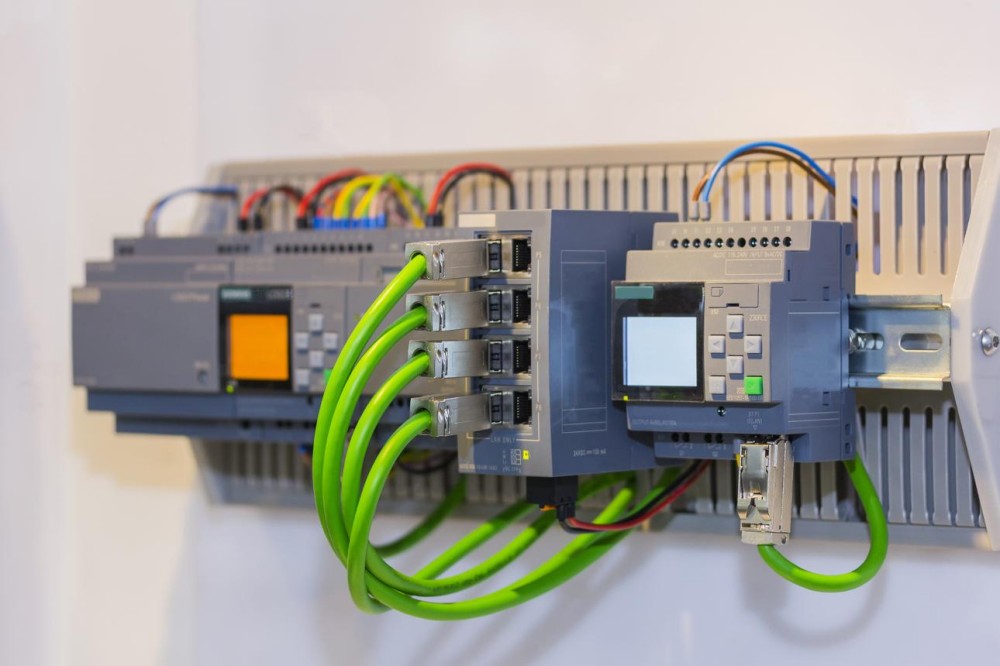
As Industry 4.0 continues expanding, PLC-based automation systems will become increasingly connected and intelligent. The combination of powerful controllers, industrial networks, and data analytics will support the development of next-generation smart factories.
The future of manufacturing depends on automation systems that can deliver both reliable control and intelligent information management. Advanced industrial communication solutions are becoming a key foundation for achieving higher productivity, improved safety, and long-term operational success.
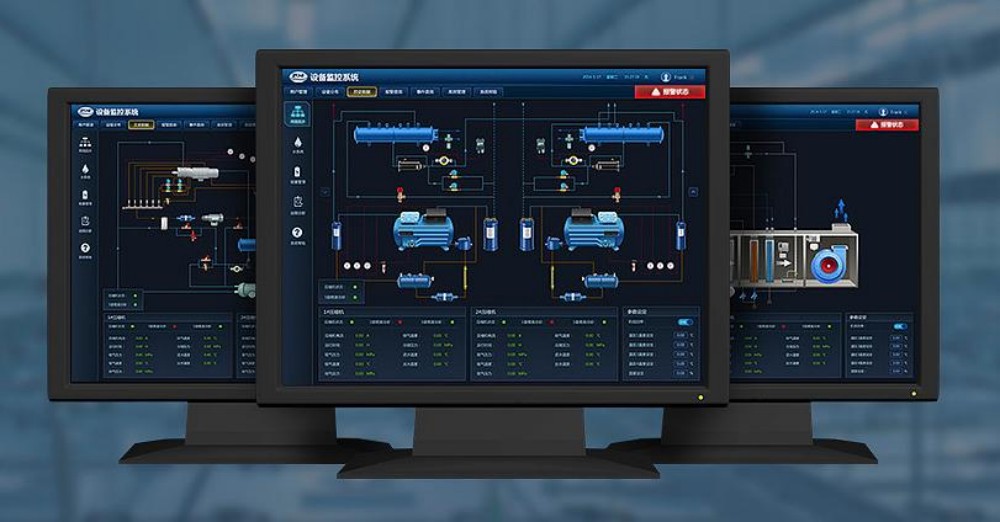 PLC And DCS Integration Becomes Key Technology Trend For Next Generation Industrial Automation Systems
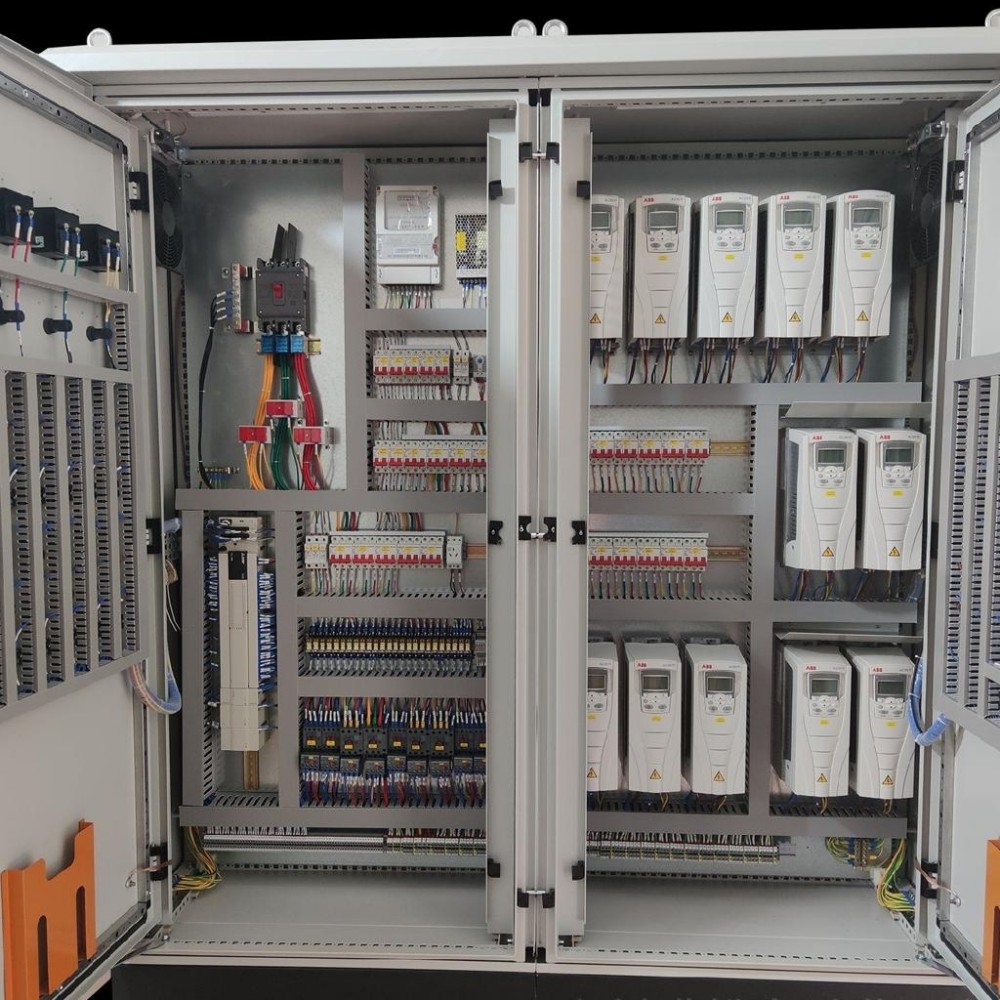 ABB Expands Industrial Automation Strategy With Advanced Electrification And Control Technology Development
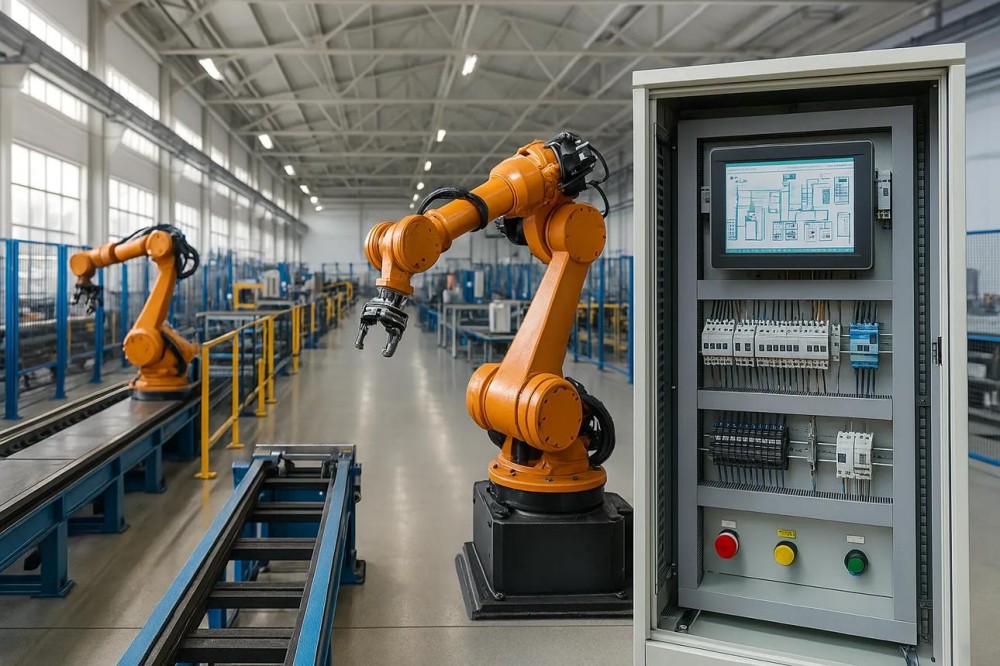 Industrial Automation Trends 2026: AI-Powered PLC And DCS Systems Accelerate Smart Factory Development
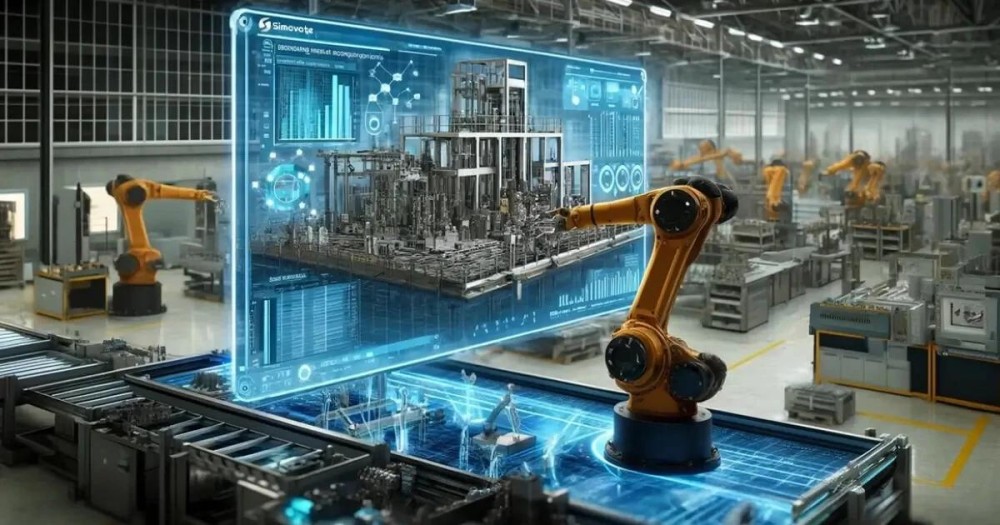 AI And Digital Twin Technologies Transform The Future Of Industrial Automation Systems