100% Original, Ready to Ship!

Industrial AI And Robotics Transform The Future Of Smart Manufacturing Automation
Artificial intelligence is becoming one of the most influential technologies in the industrial automation sector. The combination of AI, robotics, PLC control systems, industrial sensors, and data analytics is creating a new generation of intelligent manufacturing environments.
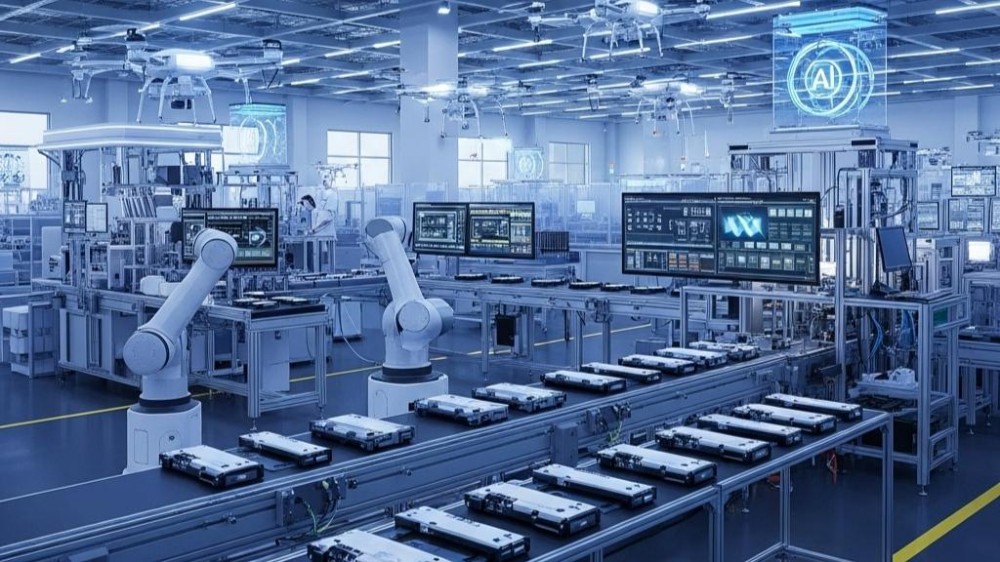
Traditional industrial automation mainly relies on programmed logic, PLC controllers, and predefined operating procedures. These technologies remain essential for reliable production, but AI is adding new capabilities including intelligent decision-making, predictive analysis, and adaptive process optimization.
Manufacturers across industries are increasingly adopting AI-powered automation solutions for applications such as quality inspection, predictive maintenance, robotic assembly, warehouse automation, and production optimization.
One of the biggest advantages of industrial AI is its ability to process massive amounts of operational data. Modern factories generate information from thousands of sensors, PLC systems, DCS platforms, and industrial communication networks. AI technologies can analyze this data and identify patterns that help improve production performance.
Industrial robotics is also evolving rapidly. Advanced robots equipped with intelligent vision systems and machine learning capabilities can perform more complex tasks and adapt to changing production environments.
The integration of AI with automation systems requires strong communication between different industrial layers. PLC controllers, robots, sensors, industrial computers, and cloud platforms must work together to create efficient and reliable production ecosystems.
Cybersecurity is becoming increasingly important as factories become more connected. Industrial companies need secure automation architectures to protect critical production systems while maintaining high availability.
For automation engineers, future industrial projects will require broader technical knowledge, including PLC programming, DCS operation, industrial communication protocols, robotics, and digital technologies.
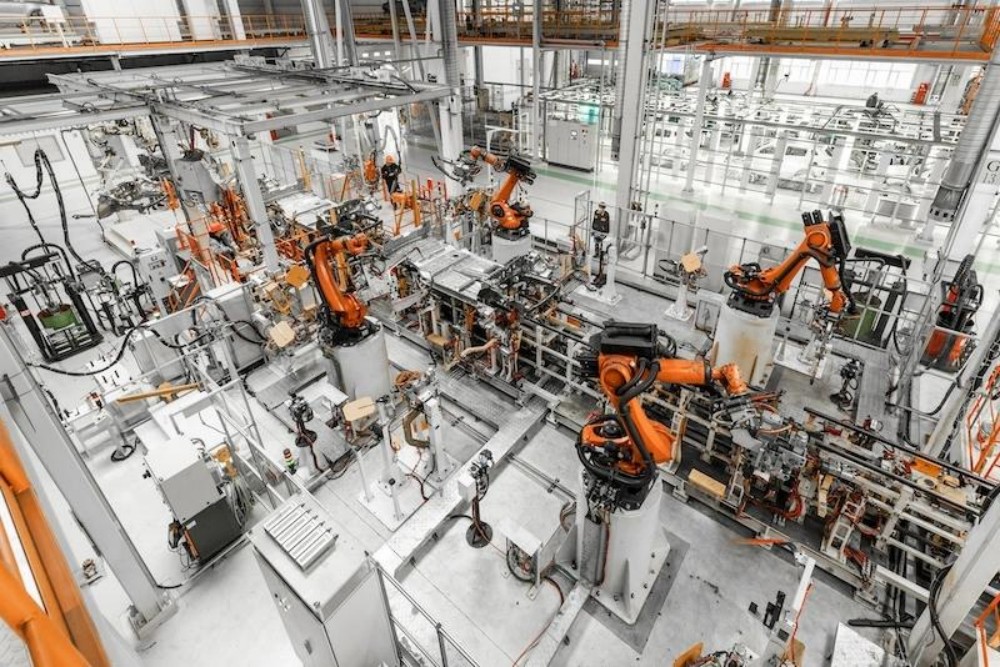
The development of AI-driven automation represents a major transition from traditional automated production toward intelligent manufacturing. Companies that successfully integrate AI technologies with existing automation infrastructure can achieve higher efficiency, improved product quality, and stronger market competitiveness.
As global industries continue moving toward smart manufacturing, industrial AI and robotics will play a central role in creating flexible, efficient, and intelligent factories.
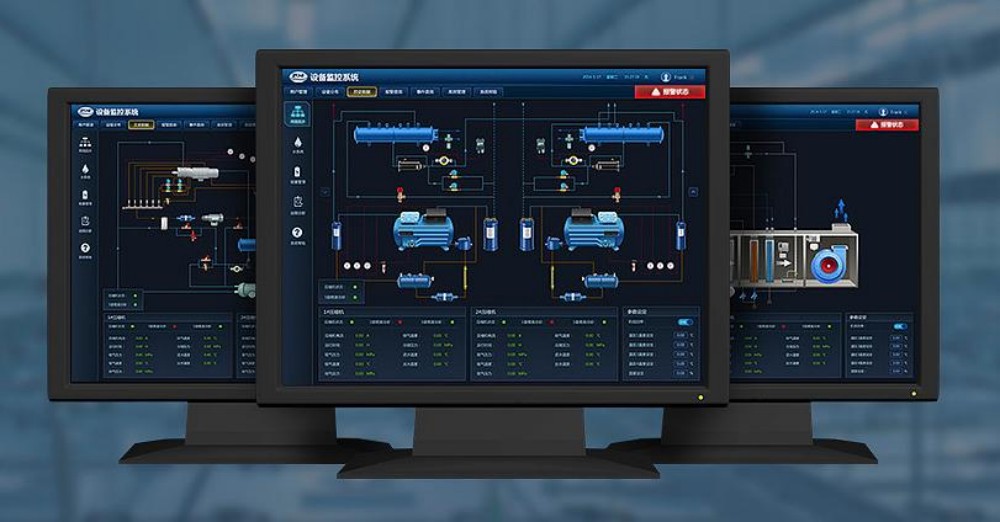 PLC And DCS Integration Becomes Key Technology Trend For Next Generation Industrial Automation Systems
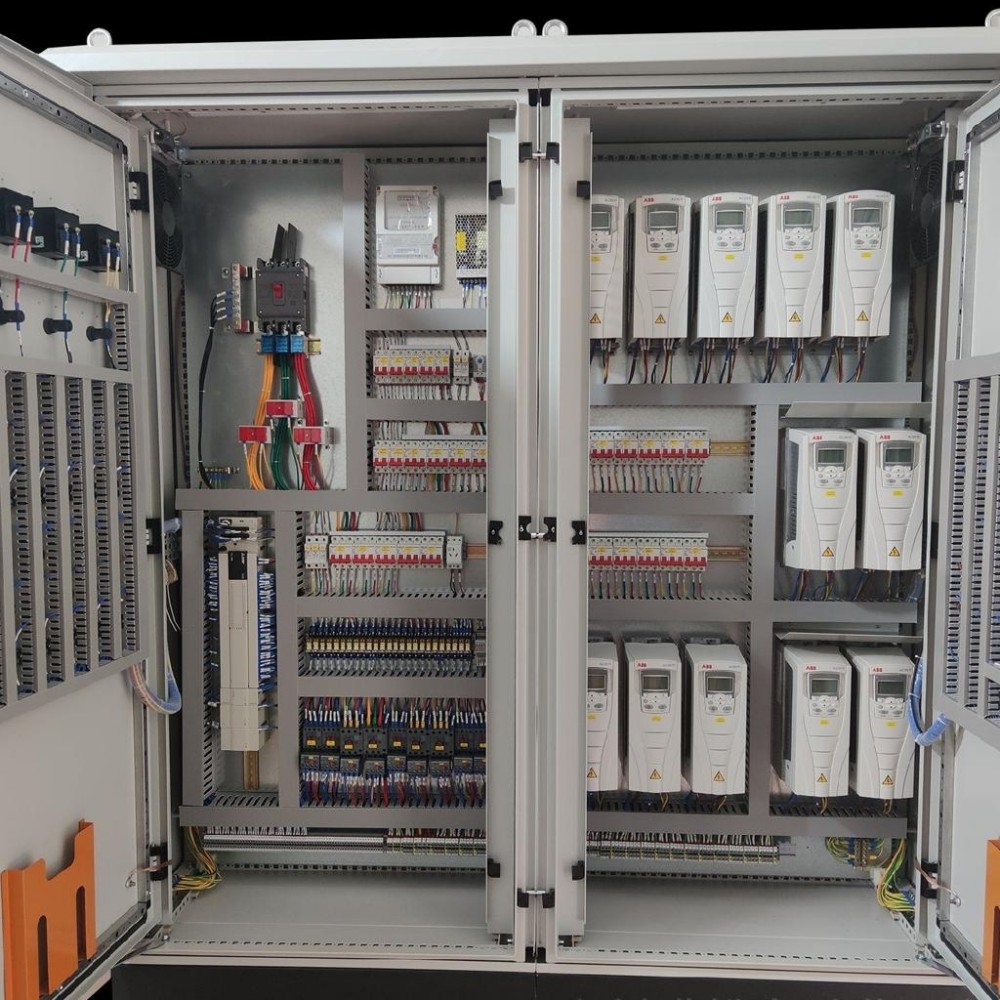 ABB Expands Industrial Automation Strategy With Advanced Electrification And Control Technology Development
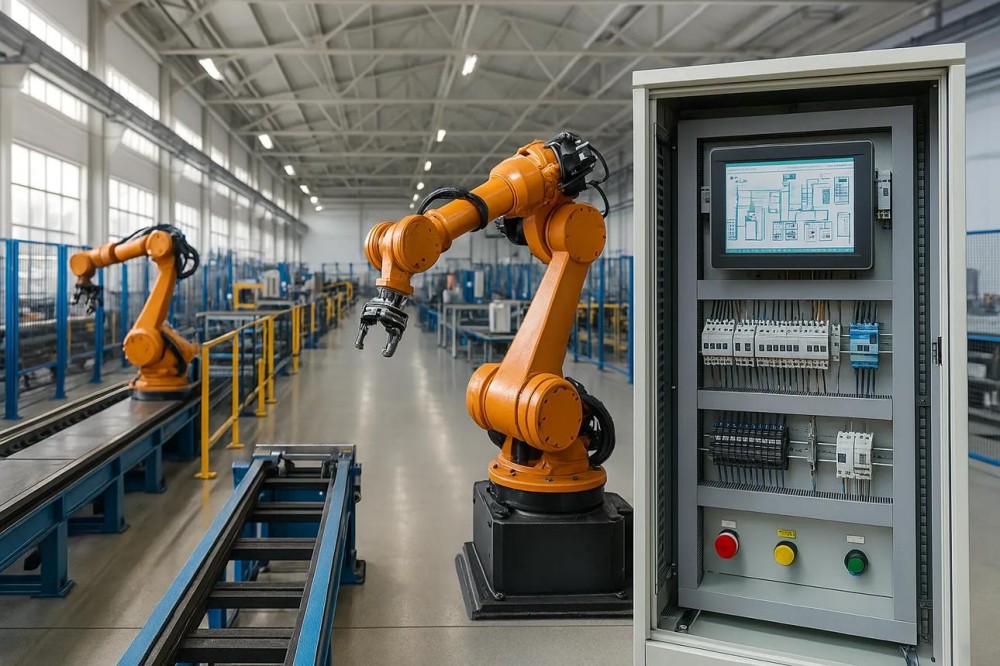 Industrial Automation Trends 2026: AI-Powered PLC And DCS Systems Accelerate Smart Factory Development
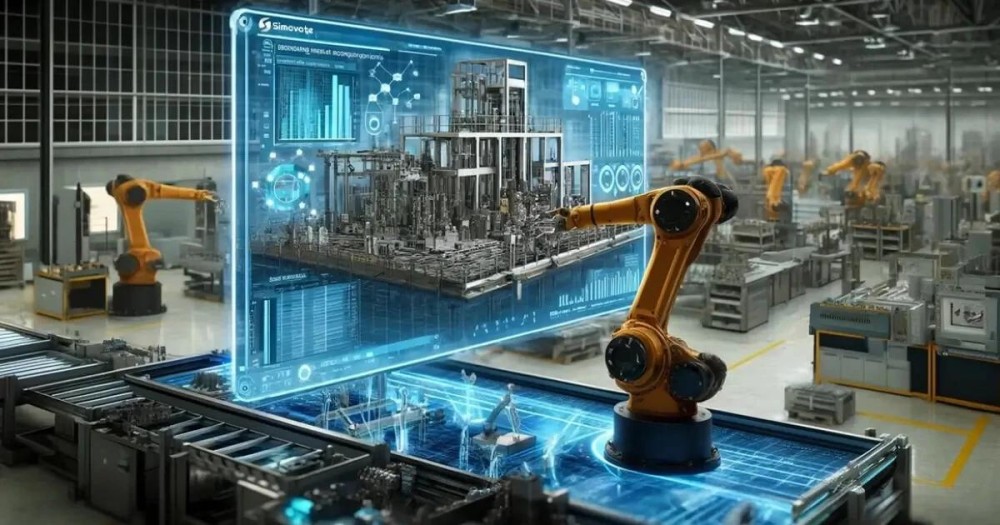 AI And Digital Twin Technologies Transform The Future Of Industrial Automation Systems