100% Original, Ready to Ship!

Physical AI And Industrial Robotics Transform Future PLC Automation And Smart Factory Development
The industrial automation industry is entering a new era as artificial intelligence, robotics, and intelligent control technologies transform the way factories operate. The development of physical AI is creating new possibilities for automation systems by allowing machines to better understand their environment and make intelligent decisions.
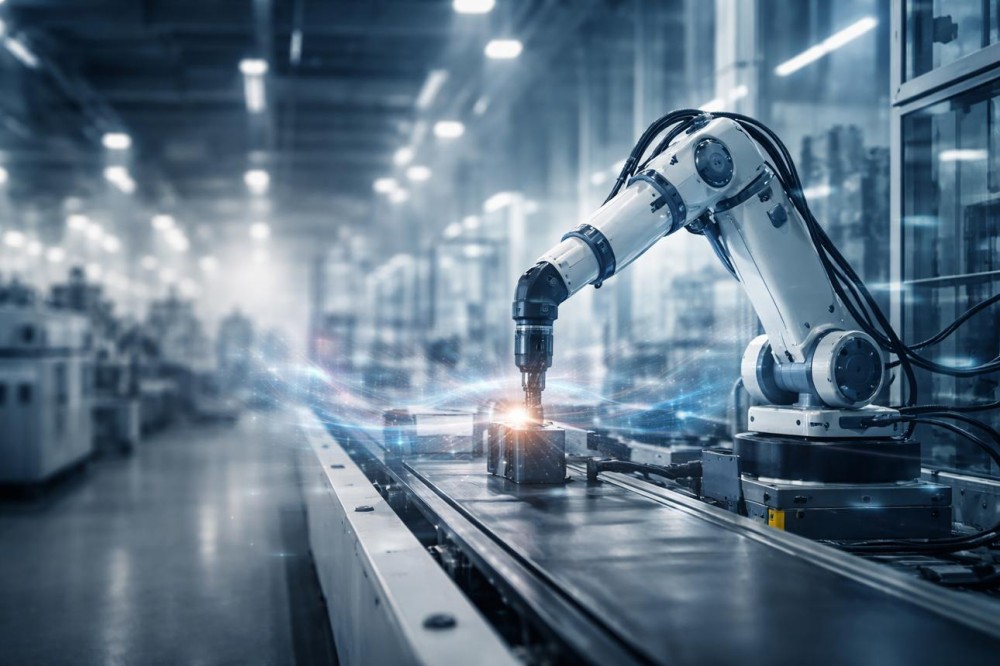
Traditional PLC systems remain the core technology behind industrial control because of their reliability, stability, and real-time performance. However, modern automation environments are increasingly combining PLC technology with AI systems to create more flexible and adaptive manufacturing solutions.
In smart factories, industrial sensors collect large amounts of operational data from machines and production equipment. This information can be analyzed by AI platforms to identify performance trends, detect abnormal conditions, and improve production efficiency.
The combination of AI and robotics is becoming especially important in industries such as automotive manufacturing, electronics production, logistics, and precision engineering. Intelligent robots can now perform advanced tasks including quality inspection, automated assembly, and autonomous material transportation.
Autonomous mobile robots and automated guided vehicles are also becoming important components of modern factories. These systems improve internal logistics by automatically moving materials between production areas while communicating with factory automation networks.
As industrial systems become more connected, cybersecurity is becoming a major priority. Manufacturers are implementing stronger security strategies to protect PLC controllers, DCS systems, industrial communication networks, and automation software.
For automation equipment suppliers, this transformation provides significant market opportunities. Companies require advanced automation components including PLC CPUs, analog input modules, digital output modules, industrial sensors, communication modules, and control boards to support next-generation manufacturing.
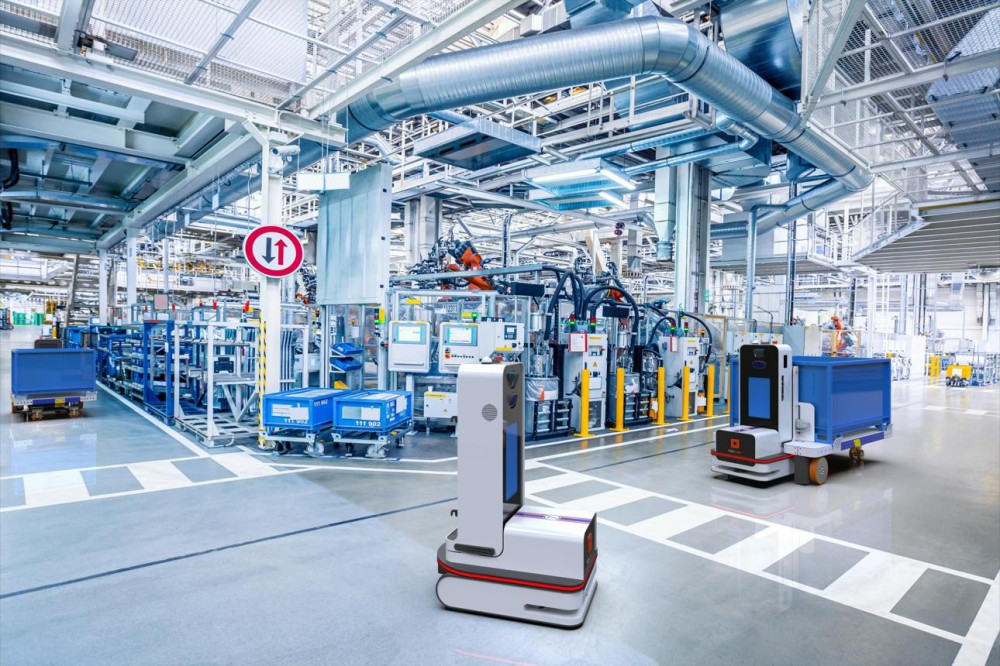
The future factory will not replace traditional automation technologies. Instead, PLC systems, DCS platforms, robotics, artificial intelligence, and industrial software will work together to create a complete intelligent manufacturing ecosystem.
As Industry 4.0 continues developing worldwide, intelligent automation will become a key technology for improving production efficiency, reducing costs, and creating more sustainable industrial operations.
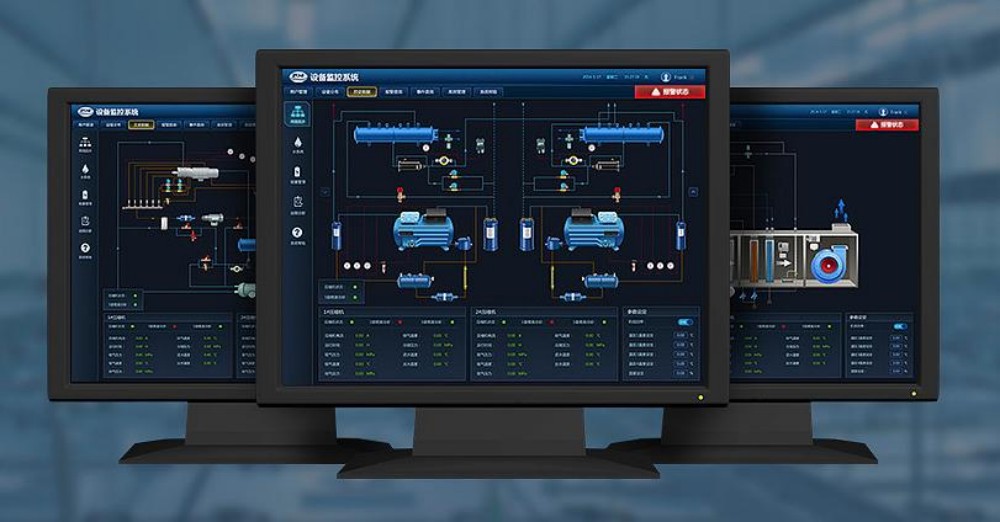 PLC And DCS Integration Becomes Key Technology Trend For Next Generation Industrial Automation Systems
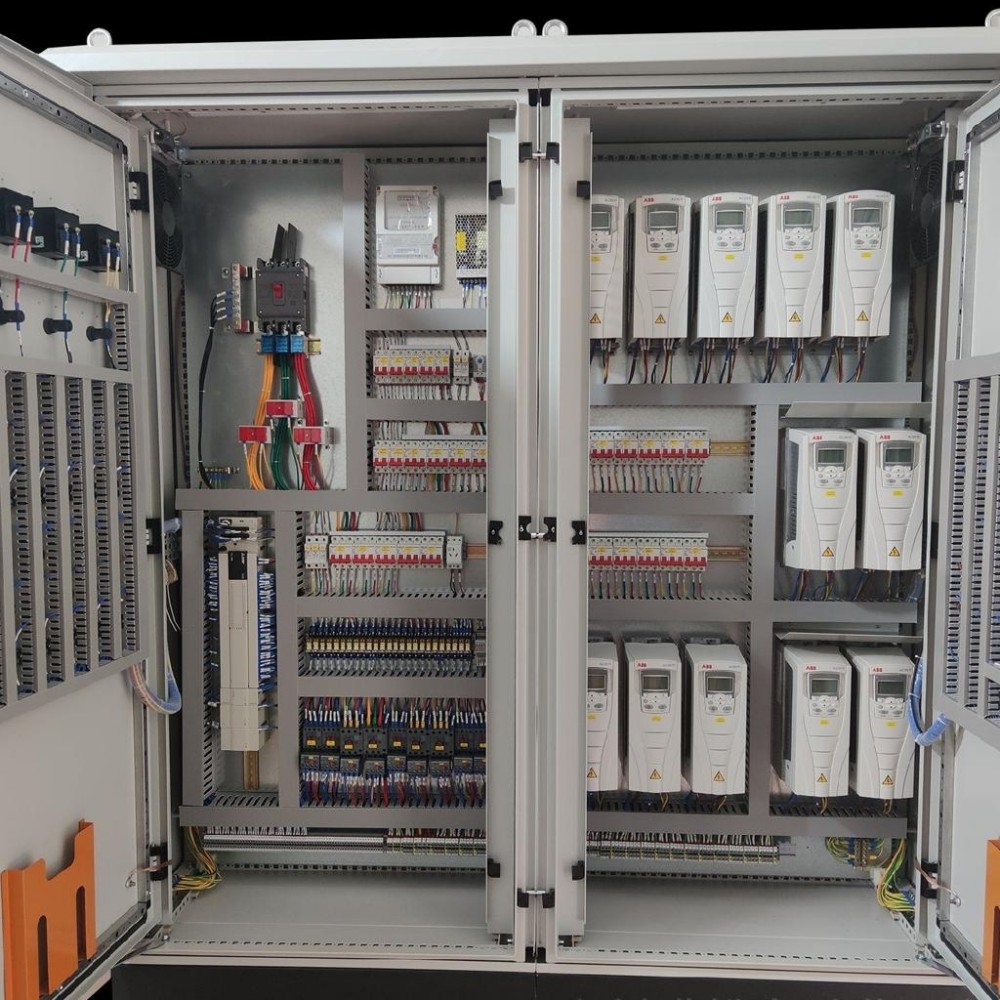 ABB Expands Industrial Automation Strategy With Advanced Electrification And Control Technology Development
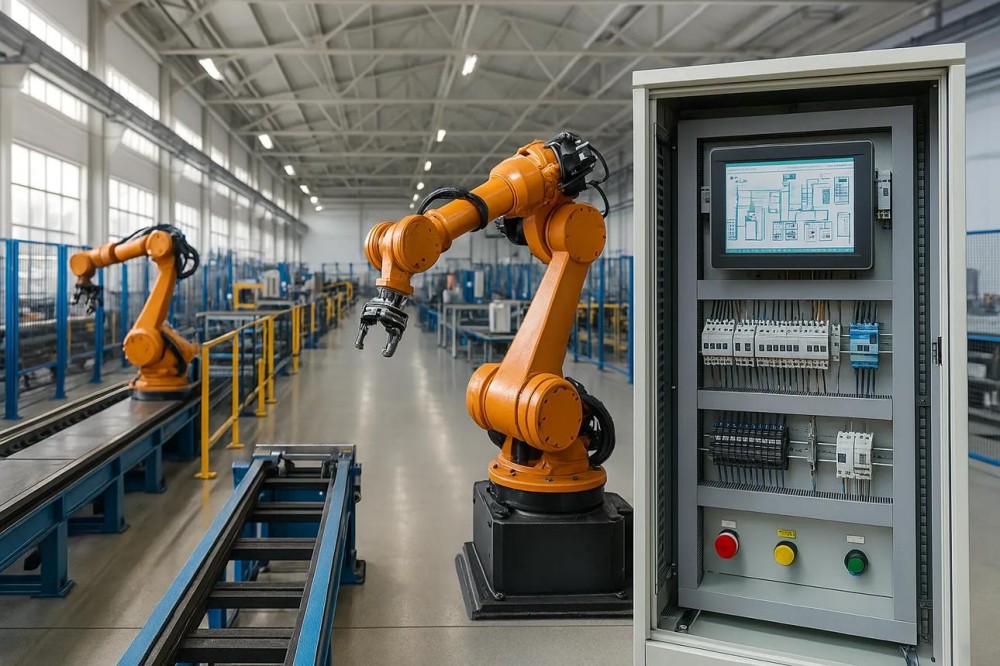 Industrial Automation Trends 2026: AI-Powered PLC And DCS Systems Accelerate Smart Factory Development
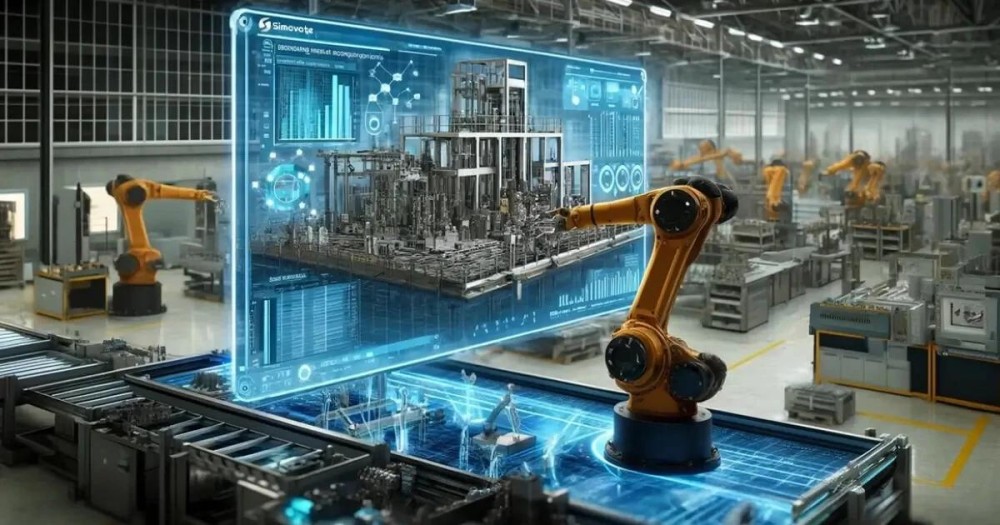 AI And Digital Twin Technologies Transform The Future Of Industrial Automation Systems