100% Original, Ready to Ship!

AI And Digital Twin Technologies Transform The Future Of Industrial Automation Systems
Artificial intelligence and digital twin technologies are becoming important drivers of the next generation of industrial automation systems. Automation companies worldwide are accelerating the integration of AI, simulation technology, and intelligent software into PLC, DCS, robotics, and industrial control platforms.
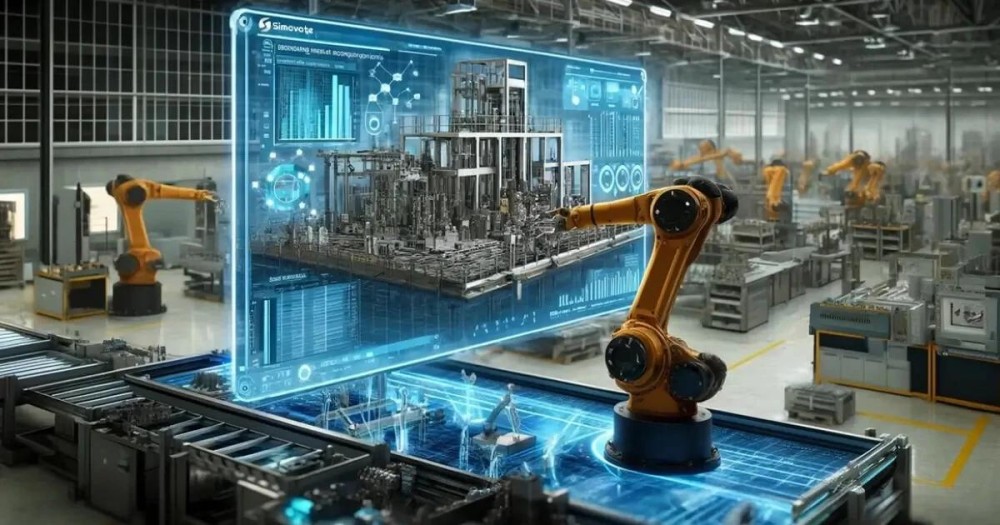
Digital twin technology creates a virtual model of physical equipment, production lines, or entire industrial facilities. By using real-time data collected from sensors, PLC systems, and industrial networks, engineers can simulate operating conditions, analyze performance, and optimize production processes before implementing physical changes.
Artificial intelligence enhances automation systems by identifying equipment patterns, detecting abnormal conditions, and supporting predictive maintenance strategies. Instead of responding to failures after they occur, manufacturers can use intelligent analysis to predict possible problems and schedule maintenance in advance.
For PLC and DCS engineers, the development of AI-driven automation creates new technical requirements. Modern automation professionals need knowledge of control programming, industrial communication, cybersecurity, data analysis, and digital engineering technologies.
AI technologies are also changing automation engineering workflows. Intelligent software tools are being developed to assist engineers with system design, programming support, testing procedures, and troubleshooting processes. These technologies help reduce engineering time and improve automation project efficiency.
Manufacturers across industries are adopting digital twin and AI solutions to improve production quality, reduce energy consumption, and increase equipment availability. Smart manufacturing has become a major direction for companies seeking sustainable growth and stronger market competitiveness.
This transformation is also increasing demand for industrial automation components. Businesses require reliable PLC controllers, DCS modules, communication boards, intelligent sensors, analog input/output modules, and other automation spare parts to support system upgrades.
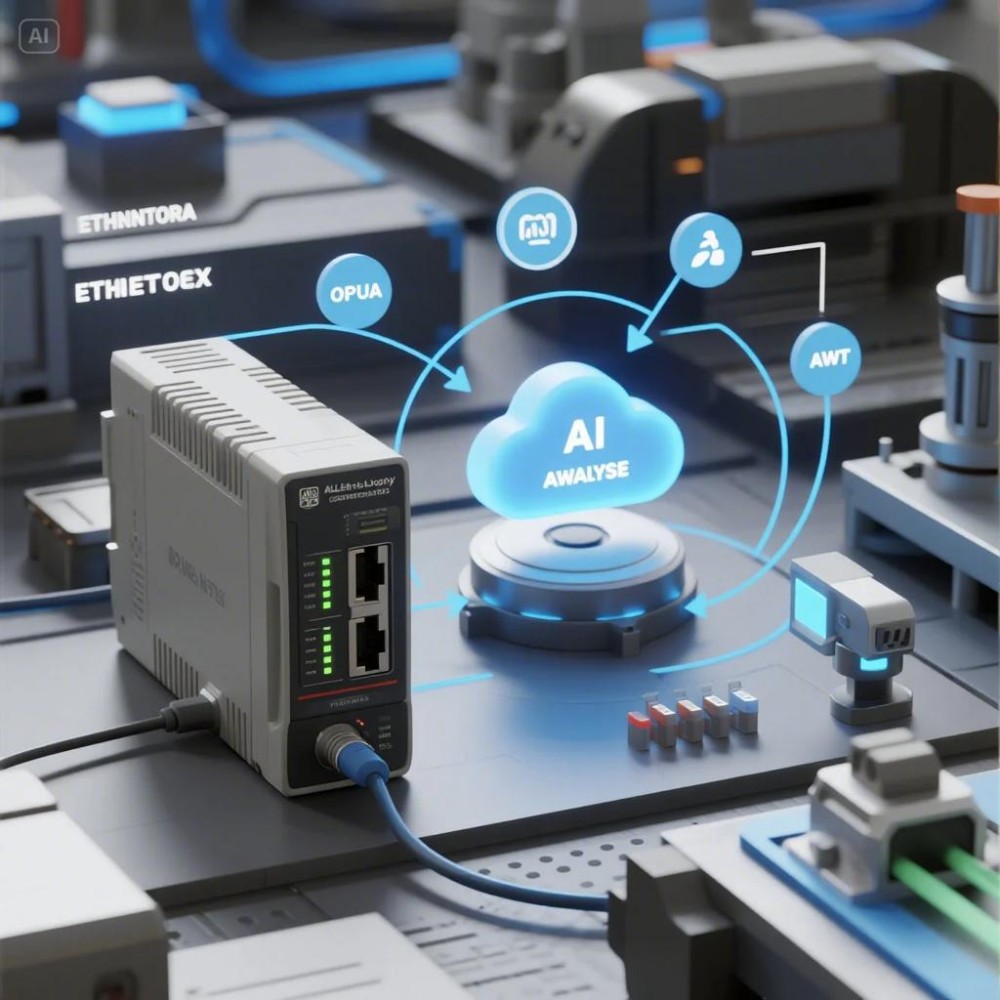
For global automation suppliers, understanding the development of AI and digital twin technologies provides valuable opportunities. Customers are increasingly looking for not only individual components but also reliable solutions that support automation modernization and long-term system operation.
The future of industrial automation will be shaped by the combination of PLC technology, DCS process control, artificial intelligence, digital twins, and industrial IoT. These technologies will continue transforming traditional factories into intelligent, connected, and highly efficient production environments.
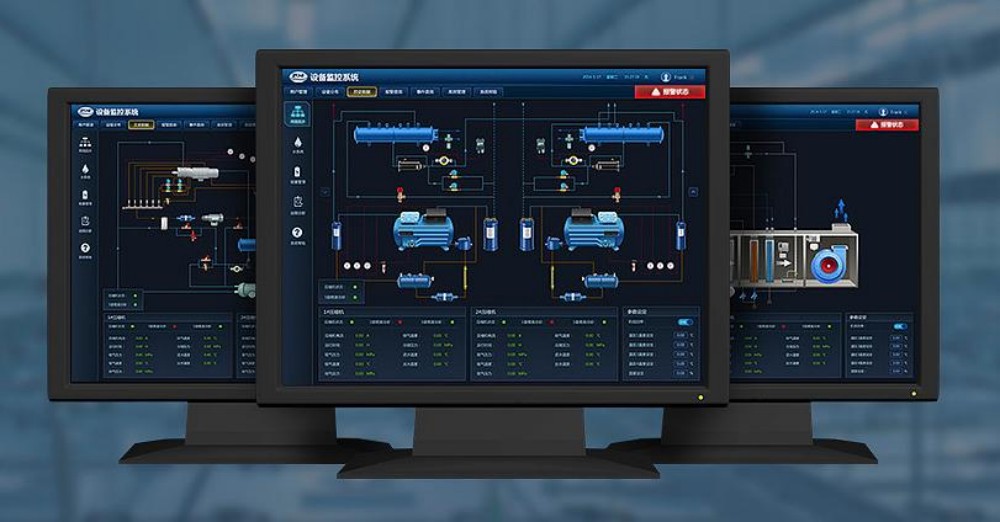 PLC And DCS Integration Becomes Key Technology Trend For Next Generation Industrial Automation Systems
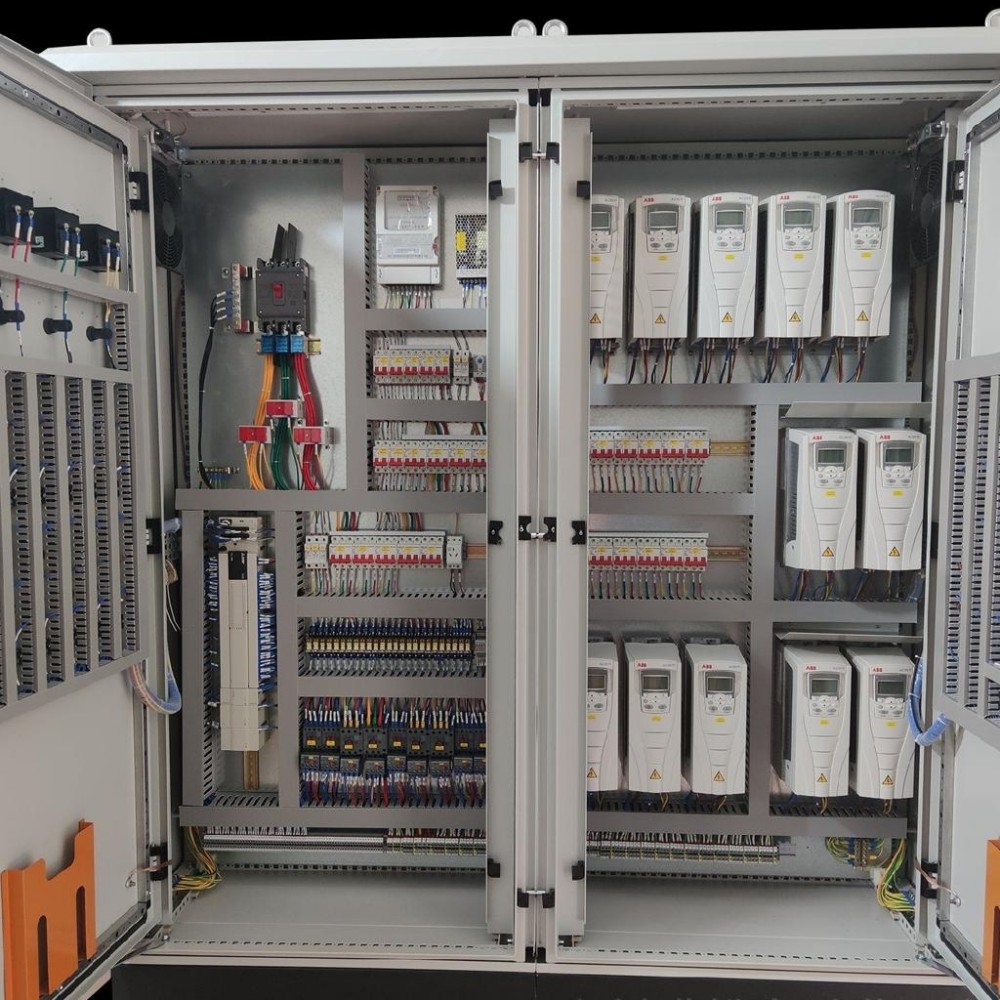 ABB Expands Industrial Automation Strategy With Advanced Electrification And Control Technology Development
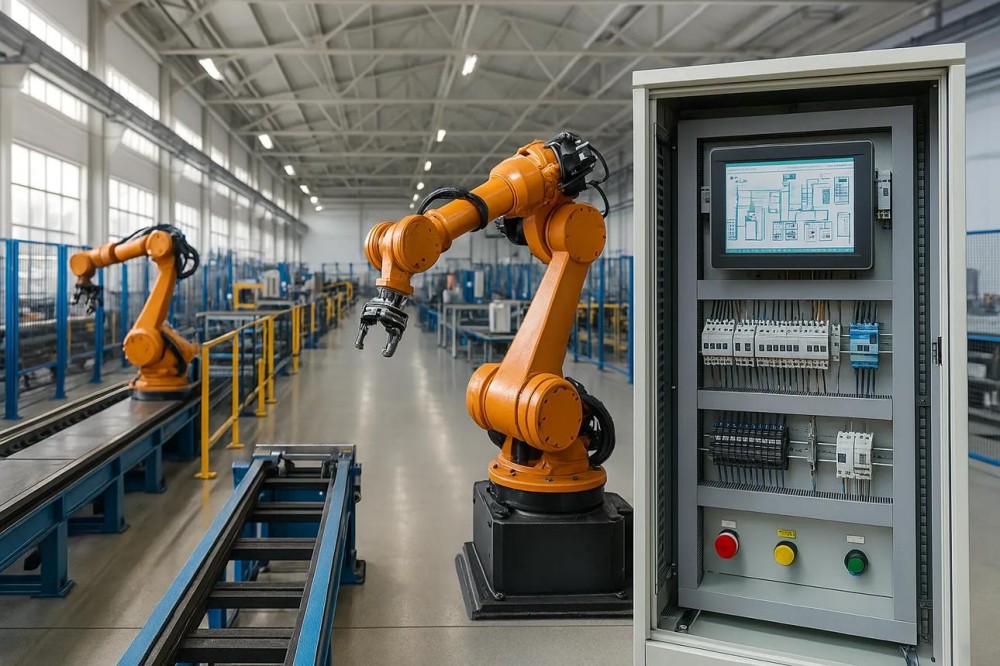 Industrial Automation Trends 2026: AI-Powered PLC And DCS Systems Accelerate Smart Factory Development
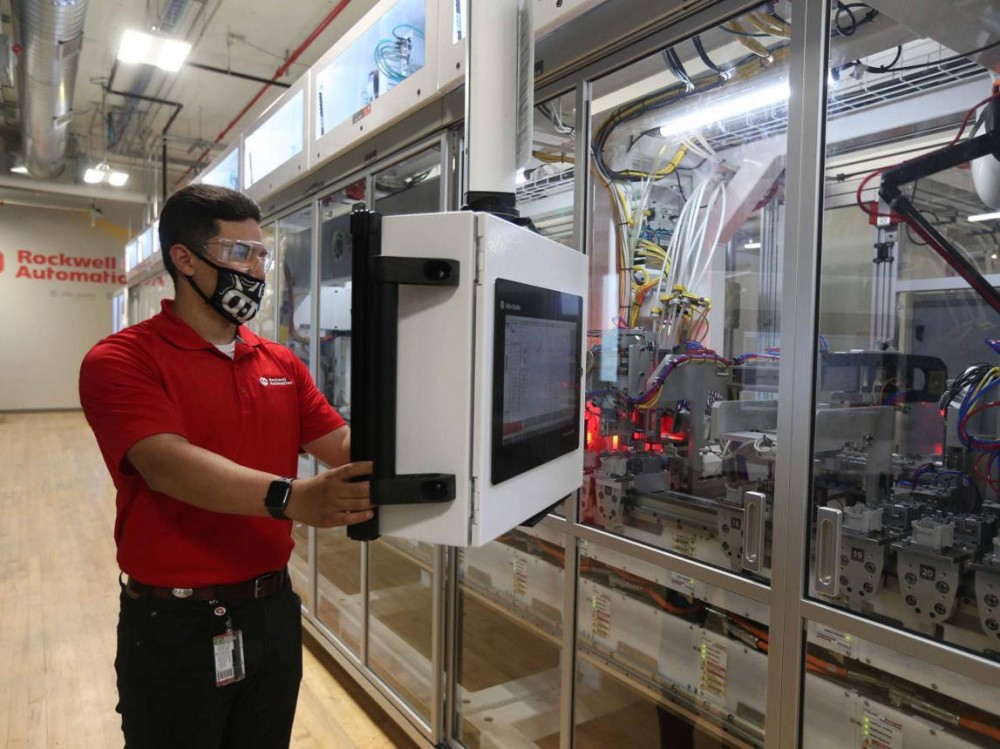 Rockwell Automation Advances Smart Factory Development With Cloud-Connected Industrial Automation Solutions