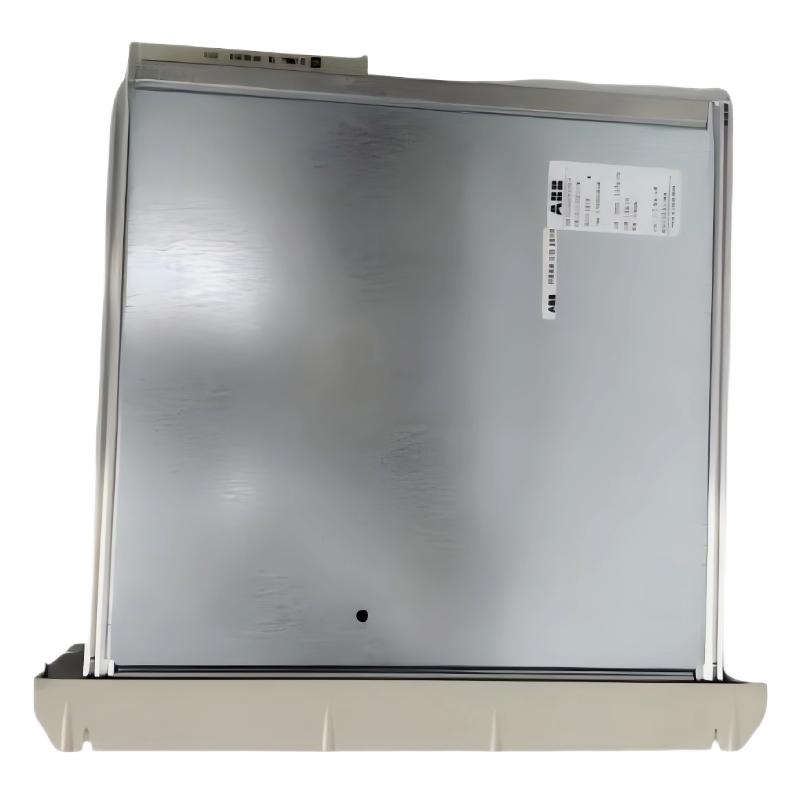
ABB 216NG63 Auxiliary Power Module Fault Diagnosis Thinking Process
ABB 216NG63 HESG216877/K Troubleshooting should start with the power path, not with immediate module replacement. When a PLC Controller, control board, or associated Module repeatedly resets, the key engineering question is whether the auxiliary supply is disappearing, becoming unstable under load, or being interrupted by an external circuit.
For an industrial cabinet, a useful Fault Diagnosis sequence is source voltage → module input → module output → downstream load → grounding → thermal condition. This sequence prevents a common maintenance error: replacing an expensive legacy power module before proving that the module is actually responsible for the fault.
ABB 216NG63 Fault Symptoms in Industrial Control Systems
Typical symptoms can vary according to the system architecture and connected equipment. The most useful observations are those that can be correlated with an electrical measurement.
- PLC Controller or control electronics restart unexpectedly.
- Auxiliary circuits drop out during system startup.
- Control relays release intermittently.
- System alarms appear after several loads are energized.
- Output voltage falls when the downstream load increases.
- The cabinet operates normally when cold but becomes unstable after extended operation.
- Repeated power cycling temporarily restores operation.
The timing of the fault is often more valuable than the alarm message itself. A failure that appears only when a contactor, fan, I/O group, or controller is energized should be investigated as a load-dependent power problem.
ABB 216NG63 Troubleshooting Diagnostics and Signal Analysis
Begin by recording the symptom under controlled conditions. Avoid changing multiple components simultaneously because this destroys the evidence needed for root-cause analysis.
Fault Diagnosis logic:

IF upstream_voltage is unstable
    inspect incoming supply and protection
ELSE IF module_input differs significantly from source
    inspect wiring and terminals
ELSE IF module_output collapses under load
    inspect module and downstream loading
ELSE IF output remains stable but controller resets
    inspect downstream wiring, grounding, and controller supply path
ELSE
    investigate intermittent connections and thermal effects
For each measurement, record the operating state. A voltage measurement without a timestamp or load condition is often insufficient for intermittent fault analysis.
ABB 216NG63 Common Fault Causes and Root-Cause Analysis
- Input voltage instability: The upstream supply may be affected by another cabinet load or switching event.
- High-resistance connection: Loose or oxidized terminals can produce a voltage drop that becomes obvious only under load.
- Downstream overload: A failed control circuit can draw excessive current and make a healthy auxiliary power source appear defective.
- Grounding problem: Poor bonding can introduce unstable reference conditions into sensitive control electronics.
- Thermal degradation: Components can behave normally during cold startup and deteriorate after cabinet temperature rises.
- Connector deterioration: Mechanical vibration and thermal cycling can increase contact resistance.
One of the strongest field indicators is the difference between a cold-start test and a warm-running test. If the fault appears only after extended operation, thermal investigation should move higher in the diagnostic priority list.
ABB 216NG63 Field Troubleshooting Case Study
In one field investigation involving an ABB auxiliary power circuit, a control system showed intermittent resets after approximately 30 minutes of operation. Initial checks found that the cabinet supply was stable and the control system recovered after a power cycle.
The investigation then compared the auxiliary power input with the output while the system was operating. The supply remained acceptable during initial startup, but the downstream voltage began to fluctuate as the cabinet reached normal operating temperature. Instead of replacing the 216NG63 immediately, the engineer isolated the connected circuits and monitored the voltage with individual loads enabled.
The fault disappeared when one downstream circuit was disconnected. Inspection of that branch identified a deteriorated connection that became electrically unstable as the cabinet temperature increased. After the connection and affected wiring were corrected, the auxiliary supply remained stable during extended operation.
The engineering conclusion was important: the original symptom looked like a power-module failure, but the actual root cause was downstream. This is why a proper ABB 216NG63 Troubleshooting procedure should include load isolation before module replacement.
ABB 216NG63 Repair and Corrective Action Strategy
Repair should be based on measured evidence. If the module input is unstable, repair the upstream supply path first. If the input remains stable but the output is abnormal under a known-good load, the module itself becomes a stronger suspect.
- Preserve the original fault condition where safe to do so.
- Record supply and auxiliary output measurements.
- Inspect terminals, connectors, grounding, and protection devices.
- Separate the downstream load groups where the system architecture allows.
- Repeat the measurement with individual branches enabled.
- Check whether temperature affects the fault.
- Only then evaluate the 216NG63 for replacement or specialist repair.
For legacy ABB equipment, component-level repair should only be performed by technicians familiar with the applicable electronics and plant safety procedures. Incorrect rework can introduce insulation, creepage, grounding, or reliability problems that are more difficult to detect than the original fault.
ABB 216NG63 Load Testing and Commissioning Verification
A replacement or repaired module should not be considered proven simply because the system starts. A proper Commissioning verification should reproduce the operating condition that originally triggered the fault.
- Test the system during cold startup.
- Observe the auxiliary voltage during load activation.
- Monitor the control system for resets or communication interruptions.
- Repeat the test after the cabinet reaches normal operating temperature.
- Check the same downstream loads that were active when the original fault occurred.
- Document the stable operating measurements.
Where suitable test equipment is available, logging voltage over time is more useful than taking a single handheld-meter reading. Intermittent dips lasting only a short period can otherwise be missed.
ABB 216NG63 Preventive Maintenance and Troubleshooting Practices
Preventive maintenance should concentrate on the conditions that cause auxiliary power faults to develop gradually. Inspect terminal tightness according to the site’s maintenance procedure, look for discoloration or heat damage, and review historical controller-reset events.
Do not use unauthorized parameter changes as a substitute for electrical Fault Diagnosis. System Configuration should remain aligned with the approved application documentation, particularly when a legacy ABB control cabinet has been modified during its service life.
ABB 216NG63 Troubleshooting FAQ
Why does the ABB 216NG63 appear to fail intermittently?
Intermittent operation can result from unstable input power, high-resistance terminals, thermal effects, downstream overloads, connector deterioration, or grounding problems. The fault should be correlated with voltage and load measurements before the module is replaced.
What should be checked when a PLC Controller repeatedly resets?
Measure the supply at the source, at the 216NG63 input, and at the downstream control circuit during the reset event. Then check wiring, grounding, connected loads, and terminal integrity.
How can a downstream overload be distinguished from a defective auxiliary power module?
Isolate downstream loads where the system architecture allows and monitor the auxiliary output while reconnecting branches individually. If the voltage becomes stable when a particular branch is removed, that branch should be investigated before replacing the module.
Why is thermal testing important for ABB 216NG63 Fault Diagnosis?
Some electrical faults only appear after components, terminals, or surrounding cabinet equipment reach operating temperature. Comparing cold-start and warm-running measurements can expose temperature-dependent failures.
Can a normal no-load voltage prove that the module is healthy?
No. A module may produce an acceptable voltage with little or no load but become unstable when the connected control electronics demand current. Loaded testing is therefore more informative than a no-load measurement alone.
Should the ABB 216NG63 always be replaced when an auxiliary voltage drops?
No. First determine whether the voltage drop originates at the source, wiring, terminals, protection devices, module, or downstream load. Replacement should follow the Fault Diagnosis evidence rather than the symptom alone.
What information should be recorded after repairing an ABB 216NG63 circuit?
Record the fault symptom, measured input and output conditions, affected load, root cause, corrective action, module identification, and final commissioning results. This information is valuable for future Troubleshooting.
How can repeated ABB 216NG63 faults be prevented?
Maintain clean and secure connections, verify grounding, monitor abnormal voltage fluctuations, inspect heat-affected terminals, and investigate recurring controller resets instead of repeatedly power-cycling the cabinet.
ABB 216NG63 Troubleshooting and Repair General Overview
Effective ABB 216NG63 HESG216877/K Troubleshooting is fundamentally a process of separating the power source, auxiliary module, wiring, and downstream load into measurable sections. The most reliable Fault Diagnosis method is to compare voltage behavior under real operating conditions, isolate the load when possible, and verify whether temperature or switching events influence the symptom. This approach reduces unnecessary module replacement and provides a stronger technical basis for Repair and final Commissioning.