100% Original, Ready to Ship!

ABB Highlights Edge AI For Real-Time Industrial Automation And Smarter Factory Decisions
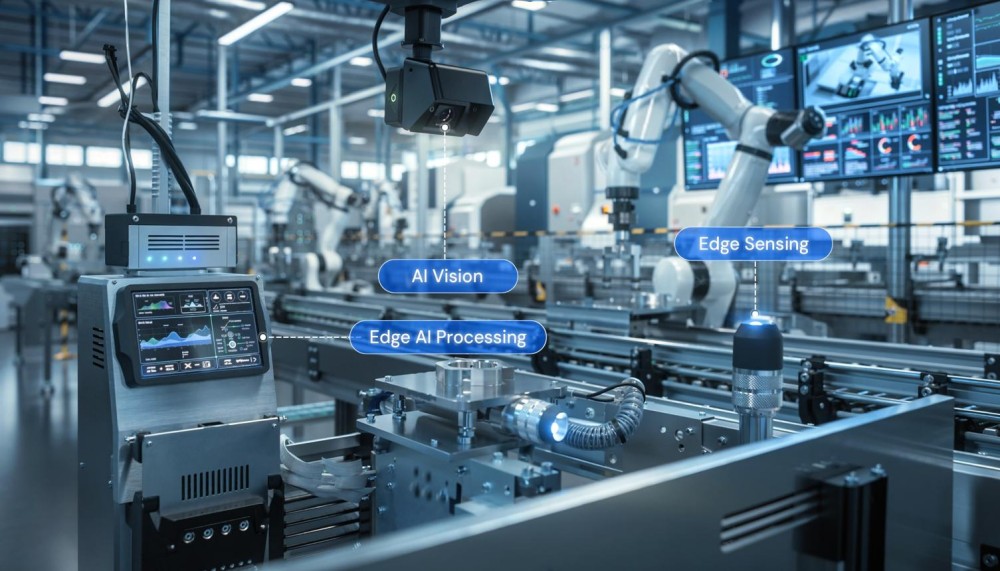
Edge artificial intelligence is becoming an increasingly important technology for industrial automation, and ABB has recently highlighted how Edge AI can improve real-time decision-making in manufacturing and industrial environments.
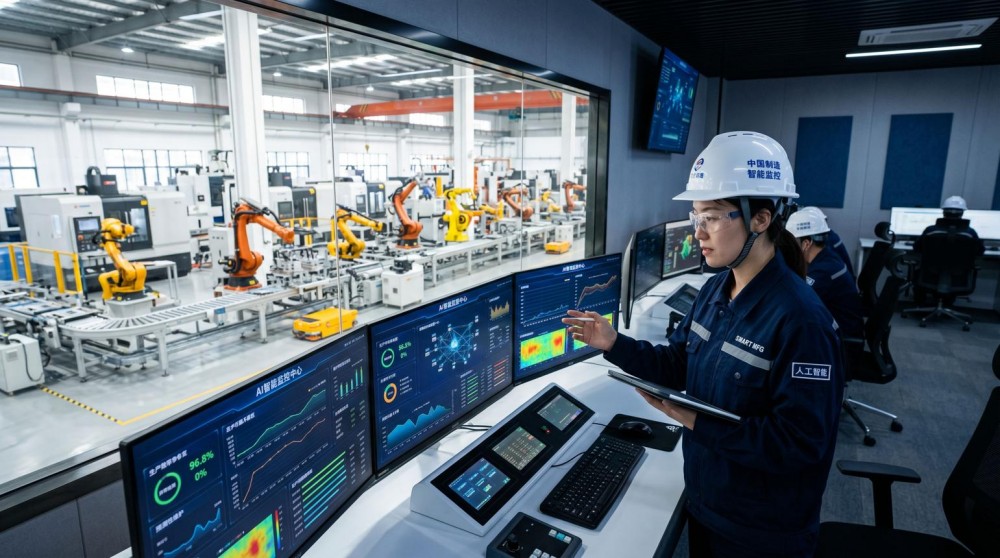
In July 2026, ABB emphasized the role of AI inference performed close to industrial assets rather than relying entirely on remote cloud computing. This approach can reduce latency and allow automation systems to respond more quickly to changing production conditions.
For the PLC and industrial control industry, this development is particularly significant. Traditional PLC systems are designed for deterministic control, while modern industrial facilities are generating much larger quantities of data through sensors, drives, machine vision systems, condition monitoring devices, and industrial networks. Edge AI provides a potential way to process some of this information locally.
The concept is especially relevant to smart manufacturing, predictive maintenance, industrial IoT, process automation, and intelligent machine control. Instead of sending every piece of operational data to a cloud platform, an edge computing device can analyze information near the machine or production line and provide useful results to the control system.
Edge AI can help improve manufacturing efficiency by reducing cloud-related latency. It can also support reduced downtime, improved energy efficiency, and stronger control over industrial data.
For automation engineers, the technology could complement existing PLC, DCS, SCADA, and industrial network architectures. A PLC can continue performing deterministic sequence and machine control, while edge computing systems handle data-intensive analytics, anomaly detection, image analysis, or AI-based prediction.
This separation can be valuable in industrial environments where response time and reliability are critical. For example, an edge AI application could identify abnormal vibration, temperature, current consumption, or production behavior and send an early warning to an automation or maintenance system.
The trend also supports the development of more intelligent DCS and process automation architectures. In large process plants, local AI processing could assist operators by identifying abnormal operating patterns before they become major production problems.
However, industrial Edge AI does not eliminate the need for reliable automation hardware. Sensors, PLC I/O modules, industrial communication networks, controllers, DCS systems, and power infrastructure remain the foundation for collecting trustworthy real-time data.
The growing combination of PLC control, DCS technology, industrial Ethernet, edge computing, AI analytics, and IIoT suggests that future automation systems will increasingly combine deterministic control with intelligent data processing.
For global manufacturers and automation system integrators, Edge AI represents an important development as industrial companies continue moving from conventional automation toward more connected and intelligent production environments.
 Schneider Electric Advances Software-Defined Automation For PLC And DCS Modernization
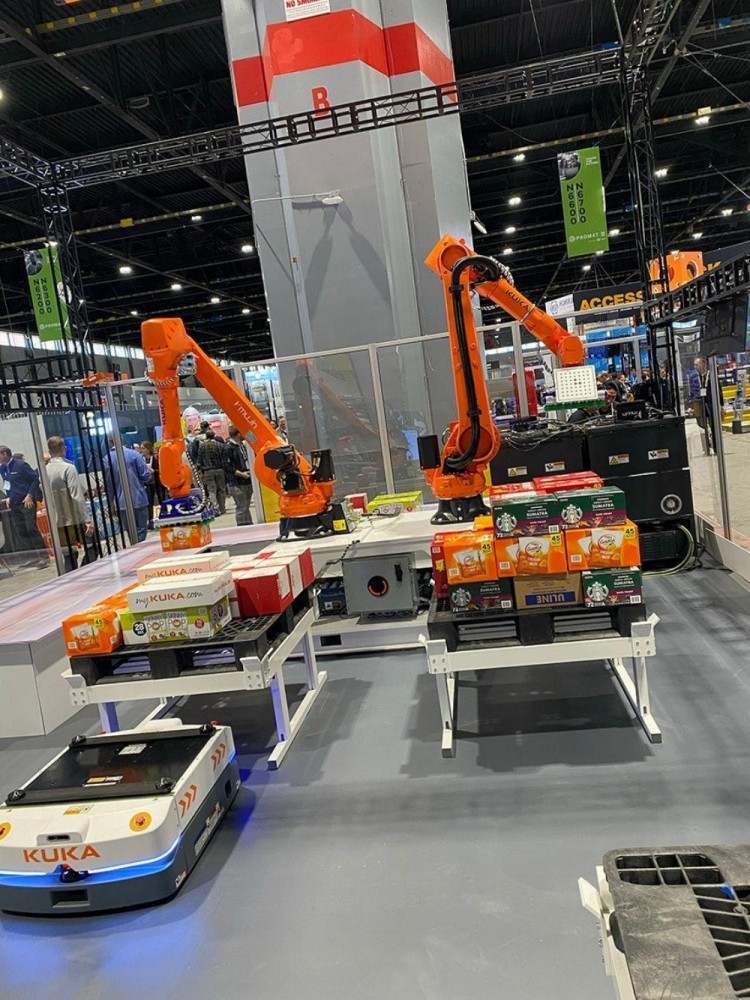 KUKA Robotics Brings Advanced Packaging Automation To PACK EXPO 2026
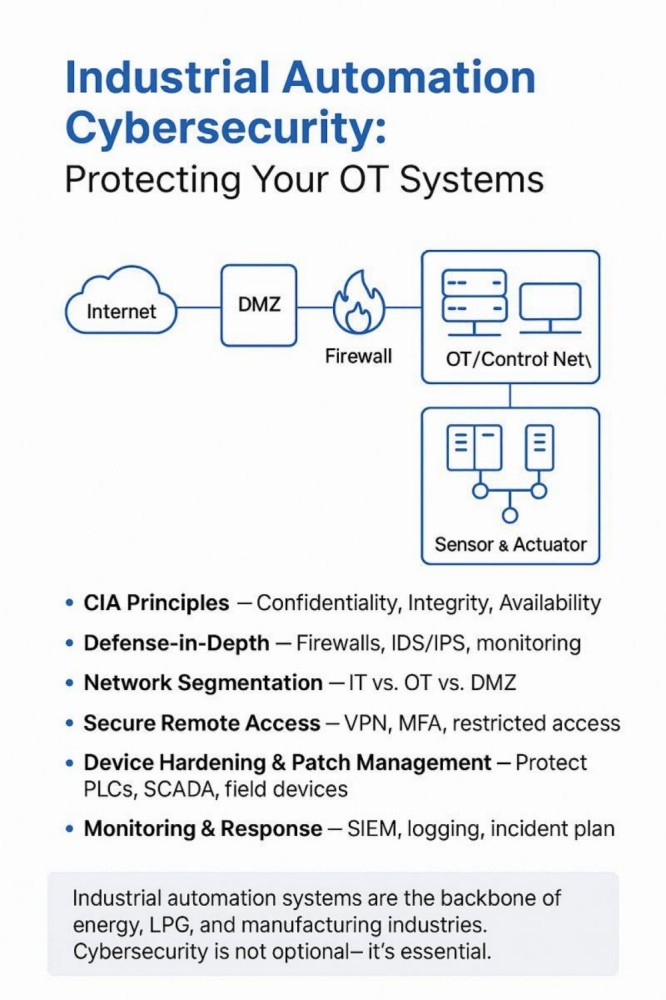 Siemens S7 PLC Cybersecurity Alert Highlights Growing Risks In Industrial Automation
 Rockwell Automation Opens Registration For Automation Fair 2026 In Boston